Are you looking to spark your creativity and bring a fresh twist to your painting projects? Drawing inspiration from famous artists can open up a whole new world of ideas that transform your art from ordinary to extraordinary.
Imagine capturing the swirling energy of Van Gogh’s skies, the bold shapes of Matisse, or the dreamy surrealism of Dalí—all adapted to your own style and skill level. You’ll discover simple yet powerful painting ideas inspired by these masters that you can try right now.
Ready to unlock your artistic potential and create paintings that truly stand out? Keep reading, and let your imagination take the lead!
Van Gogh Inspired Ideas
Van Gogh’s art inspires painters worldwide. His unique style brings energy and emotion to any canvas. Using his techniques can transform simple paintings into powerful artworks. Explore ideas that capture Van Gogh’s spirit and creativity.
Swirling Skies
Van Gogh’s skies are famous for their swirling patterns. These dynamic curves create movement and life in the painting. Try using circular brushstrokes to mimic this effect. Focus on contrast between dark and light blues. This style adds drama to night scenes or landscapes.
Bold Color Use
Van Gogh used bright, bold colors to express feelings. Don’t be afraid to mix intense yellows, blues, and greens. Use contrasting colors side by side to make your painting pop. This technique draws attention and creates a vibrant mood. It suits portraits, nature, and abstract art.
Expressive Brushstrokes
Van Gogh’s brushstrokes are thick and full of emotion. Apply paint with strong, visible strokes to show movement. Layer colors without blending them too much. This approach adds texture and depth to the artwork. It helps capture the energy behind the subject.
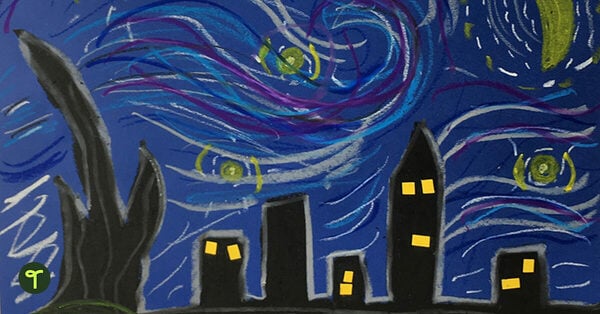
Credit: www.teachstarter.com
Matisse Style Shapes
Henri Matisse’s art is famous for its bold shapes and vibrant colors. His style uses simple shapes that catch the eye and create strong visual impact. Matisse’s approach encourages artists to focus on form and color rather than detail. This style is perfect for beginners and experts alike who want to explore abstract art.
Simple Abstract Forms
Matisse used basic shapes like circles, squares, and ovals. These shapes often overlap or float freely on the canvas. The forms are not detailed but suggest objects or figures. Using simple shapes helps create a clean and modern look. It allows the viewer to imagine and feel the artwork rather than just see it.
Bright Color Palettes
Color plays a key role in Matisse’s work. He chose bright and contrasting colors to bring energy to his paintings. Reds, blues, yellows, and greens appear in large, flat areas. These colors do not blend but stand out sharply. Choosing a bright palette makes the artwork lively and eye-catching.
Cut-out Techniques
Matisse developed a unique method using paper cut-outs later in life. He cut shapes from colored paper and arranged them like a collage. This technique added texture and depth to his compositions. Artists can try cutting shapes from colored paper and pasting them on canvas or paper. This hands-on method is fun and allows for easy changes in design.
Surrealist Painting Tips
Surrealist painting invites artists to explore beyond reality. It blends imagination with unexpected elements. This style encourages bold creativity and deep personal expression. Follow these tips to create surrealist art that captivates and surprises.
Imaginative Concepts
Start with ideas from your dreams or memories. Think of scenes that feel strange yet familiar. Imagine objects with new meanings or unusual roles. Let your mind wander freely without rules. Use symbolism to hint at hidden stories or emotions.
Unexpected Combinations
Combine items that don’t usually go together. Mix animals with machines or plants with people. Play with size, placing large objects next to tiny ones. This contrast creates tension and interest. Experiment with unusual colors and shapes too.
Dreamlike Imagery
Create soft, blurry edges to mimic a dream state. Use gentle colors and flowing lines for a surreal effect. Add floating or melting objects to defy reality. This style helps viewers feel like they stepped into a dream world.
Nature And Landscape Ideas
Nature and landscape themes offer endless inspiration for painters. Famous artists have captured the beauty of the natural world in unique ways. Their styles can help spark creative ideas for your own artwork. Explore different perspectives and techniques to bring landscapes to life on canvas.
Local Scenic Views
Paint the familiar scenes around your home or town. Capture a nearby park, river, or mountain. Use the vibrant colors and brush strokes of Claude Monet or the bold lines of Vincent van Gogh. These views hold special meaning and show your connection to place. Simple scenes can become stunning works with the right style.
Seasonal Themes
Seasons offer dynamic changes in nature’s palette. Try painting bright spring blossoms like Georgia O’Keeffe’s close-up flowers. Show autumn leaves in warm reds and oranges inspired by the Impressionists. Winter scenes with bare trees and snow reflect quiet beauty, seen in the works of Caspar David Friedrich. Each season tells a story through color and light.
Fantasy Environments
Combine imagination with nature to create magical worlds. Dream up forests with glowing plants or skies swirling like Van Gogh’s “Starry Night.” Add mythical creatures or floating islands for a surreal touch. Surrealists like Salvador Dalí show how nature can transform into fantasy. These environments invite viewers to explore new realities beyond the ordinary.
Abstract And Pattern Play
Abstract and pattern play bring energy and freedom to painting. These styles let you explore shapes, textures, and colors without strict rules. Drawing inspiration from famous artists, you can create unique works that express emotion and imagination. Experimenting with abstraction and patterns opens new paths for creativity and personal style.
Geometric Designs
Geometric designs use shapes like squares, circles, and triangles. Artists like Piet Mondrian made art with clear lines and bold blocks of color. This style creates a clean and balanced look. You can mix shapes and colors to form interesting patterns. Geometric designs add structure and rhythm to your painting.
Textured Layers
Textured layers add depth and touch to your work. Artists such as Anselm Kiefer build thick layers of paint or materials. These layers create a rough or smooth feel that invites touch. Using palette knives or sponges helps create different textures. Textured layers make your painting more lively and three-dimensional.
Colorful Swirls
Colorful swirls create movement and flow in art. Vincent van Gogh’s “Starry Night” is famous for its swirling skies. Swirls can show emotions like joy, calm, or chaos. Use brushes or even your fingers to blend colors in curves. Colorful swirls bring energy and life to any abstract painting.
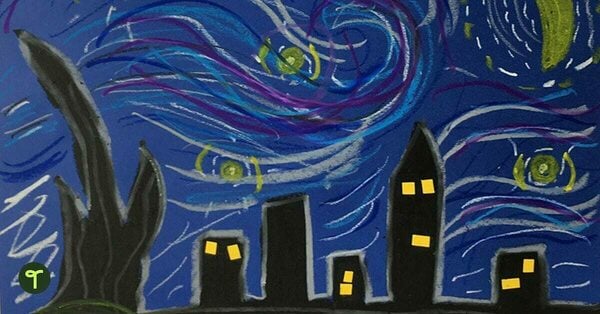
Credit: www.teachstarter.com
Personalized Art Concepts
Personalized art concepts bring a unique touch to your painting projects. They let you create pieces that feel special and meaningful. Drawing inspiration from famous artists, you can add your own story to each work. This approach makes your art stand out and connect emotionally with viewers.
Personalized art can be simple or detailed. It depends on your style and what you want to express. Using familiar subjects or personal messages makes your painting more relatable. It also invites others to see your world through your eyes.
Pet Portraits
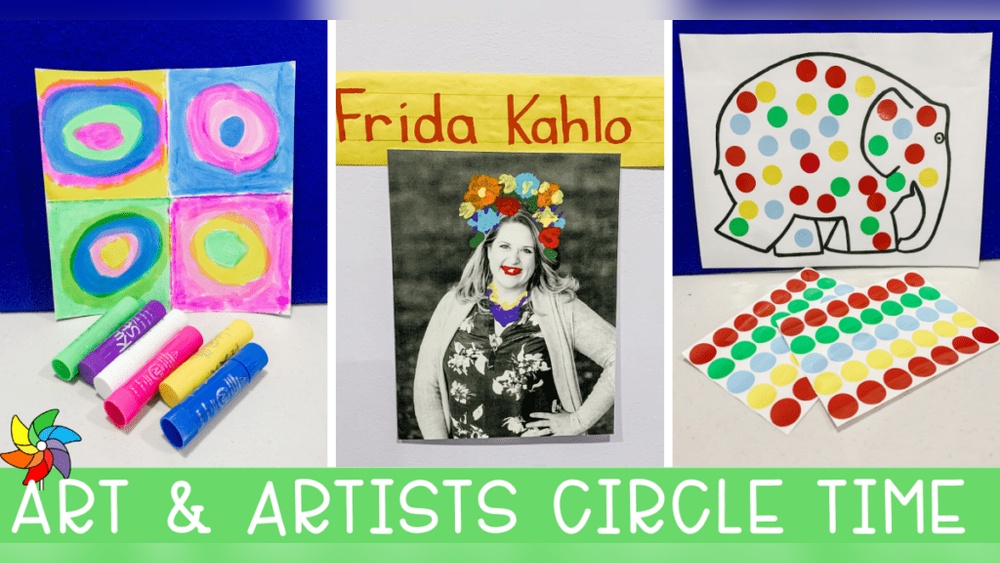
Painting pets is a timeless way to personalize your art. Capture their personality and favorite moments. Use bright colors or soft tones inspired by artists like Frida Kahlo or Andy Warhol. These portraits celebrate your pet’s unique charm and create lasting memories.
Inspirational Quotes
Combine words and visuals to inspire and motivate. Choose quotes that speak to you or your audience. Paint them with styles inspired by abstract or calligraphic artists. This blend of text and art creates powerful, uplifting pieces for any space.
Customized Objects
Turn everyday objects into art by adding personal details. Paint on items like shoes, mugs, or furniture. Draw inspiration from artists like Pablo Picasso or Henri Matisse to create bold, colorful designs. Customized objects bring art into daily life in creative ways.
Techniques From Old Masters
Old Masters crafted paintings with timeless techniques. Their methods reveal secrets of texture, depth, and light. These techniques inspire artists to create rich, detailed works. Learning from these methods can boost your painting skills. The focus lies on detail study, layering, and light effects.
Detail Study
Old Masters paid close attention to every small part. They studied nature and human anatomy carefully. This deep observation helped them create realistic details. You can practice by focusing on one object or face. Use fine brushes to capture tiny lines and textures. This method builds patience and sharpens your eye for detail.
Layering Methods
Layering paint was a key technique for Old Masters. They applied thin layers of paint, one on top of another. Each layer added depth and richness to the color. This process takes time but creates vibrant, glowing results. Start with a base layer, then add shadows and highlights slowly. This technique helps create lifelike textures and tones.
Chiaroscuro Effects
Chiaroscuro means strong contrasts of light and dark. Old Masters used it to make subjects look three-dimensional. Shadows and highlights create drama and focus in the painting. You can try this by placing a bright light on one side of your subject. Paint the light side with bright colors and the shadow side dark. This effect adds mood and realism to your artwork.
Fluid And Pouring Art
Fluid and pouring art offers a dynamic way to create vibrant paintings. This style uses liquid paints that flow and blend naturally. The results are stunning, with colors merging into unique patterns. Many artists love this method for its unpredictability and organic feel. It encourages creativity and experimentation without strict rules.
Resin Art Basics
Resin art involves mixing resin with hardeners to create a thick liquid. This liquid can be poured onto surfaces like canvas or wood. As it cures, it hardens into a glossy, clear finish. Artists add pigments, dyes, or even small objects into the resin. The process produces smooth, glass-like paintings with deep colors. Resin art is popular for its shine and depth.
Acrylic Pour Techniques
Acrylic pouring mixes acrylic paints with a pouring medium to thin them. Artists pour the mix onto a canvas, tilting it to spread the paint. Different pouring methods include dirty pour, flip cup, and puddle pour. Each technique creates different patterns and effects. Acrylic pouring is easy to start and results in vibrant, flowing artworks. It allows colors to blend and swirl naturally.
Creating Organic Shapes
Organic shapes in fluid art mimic forms found in nature. They are free-flowing and often asymmetrical. Artists achieve these shapes by manipulating the paint flow and using tools like blow dryers or palette knives. The paint moves in unexpected ways, creating natural curves and cells. These shapes add life and movement to the painting. They make each piece unique and full of energy.
Plein Air Painting Tips
Plein air painting lets artists connect with nature directly. It captures the true colors and moods of outdoor scenes. Painting outdoors challenges you to work fast and adapt to changing light and weather. Follow these tips to make your plein air experience enjoyable and productive.
Outdoor Setup
Choose a comfortable and stable spot for your easel or palette. Bring lightweight, portable supplies to keep things simple. Use a chair or stool if you plan to paint for long periods. Pack water, snacks, and sun protection to stay comfortable. Organize your tools for easy access and quick changes.
Capturing Natural Light
Observe how sunlight changes throughout the day. Start painting early or late for softer, warmer light. Notice shadows and highlights carefully to show depth. Work quickly to capture the moment before the light shifts. Use colors that match what you see, not what you imagine.
Quick Sketch Methods
Begin with light pencil or charcoal lines to map your scene. Use simple shapes to block in major areas fast. Focus on composition and balance rather than details. Try quick, loose brush strokes to capture energy and movement. These sketches help guide your final painting outdoors.
Creative Use Of Everyday Objects
Everyday objects hold hidden potential for artistic expression. Artists have long used common items as canvases and inspiration. This approach invites creativity beyond traditional paper or canvas. It transforms simple things into unique art pieces. Experimenting with daily items can spark fresh ideas and techniques. It also makes art more accessible and fun.
Using everyday objects lets you explore texture, shape, and form differently. It challenges you to think creatively about space and function. Each object offers a new way to tell a story or convey emotion through paint.
Painting On Shoes
Shoes provide a movable canvas for original artwork. Painting on shoes allows you to blend fashion and art. Use acrylic paints for durability and vivid colors. Popular designs include floral patterns, abstract shapes, or famous artist-inspired motifs. Customize old shoes to give them a new life. This method adds personality and style to your wardrobe.
Decorating Rocks
Rocks are perfect for small, portable art projects. Their natural shapes add charm to painted designs. Use smooth stones and acrylic paints for best results. Paint simple patterns, animals, or famous art replicas. Seal your work with varnish to protect it from wear. Decorated rocks can serve as paperweights or garden decorations.
Window Art Ideas
Windows offer a large, bright surface for painting. Glass paints or markers work well for this purpose. Create stained-glass effects or colorful patterns inspired by famous artists. Window art brightens rooms and changes with light throughout the day. It’s a creative way to decorate without permanent changes. Use removable paints to switch designs seasonally.

Credit: playtolearnpreschool.us
Frequently Asked Questions
What Is The 70/30 Rule In Art?
The 70/30 rule in art balances composition with 70% dominant elements and 30% supporting details. It creates visual interest and focus.
What Are Some Cool Painting Ideas?
Cool painting ideas include landscapes, pets, surreal portraits, abstract patterns, fluid art, and decorating everyday objects creatively.
What Is The 80/20 Rule In Painting?
The 80/20 rule in painting means focusing 80% on preparation and 20% on actual painting. This balance improves final results.
What Are The 5 Main Inspirations For Artists?
The five main inspirations for artists are nature, emotions, culture, personal experiences, and other artworks. These sources fuel creativity and unique expression.
Conclusion
Exploring painting ideas inspired by famous artists can spark creativity. Simple shapes, bold colors, and unique patterns bring art to life. Try mixing styles to find your own voice. Every brushstroke tells a story worth sharing. Keep practicing and enjoy the process of creating.
Art connects us all, no matter skill level or background. Let famous artists guide your next painting adventure.