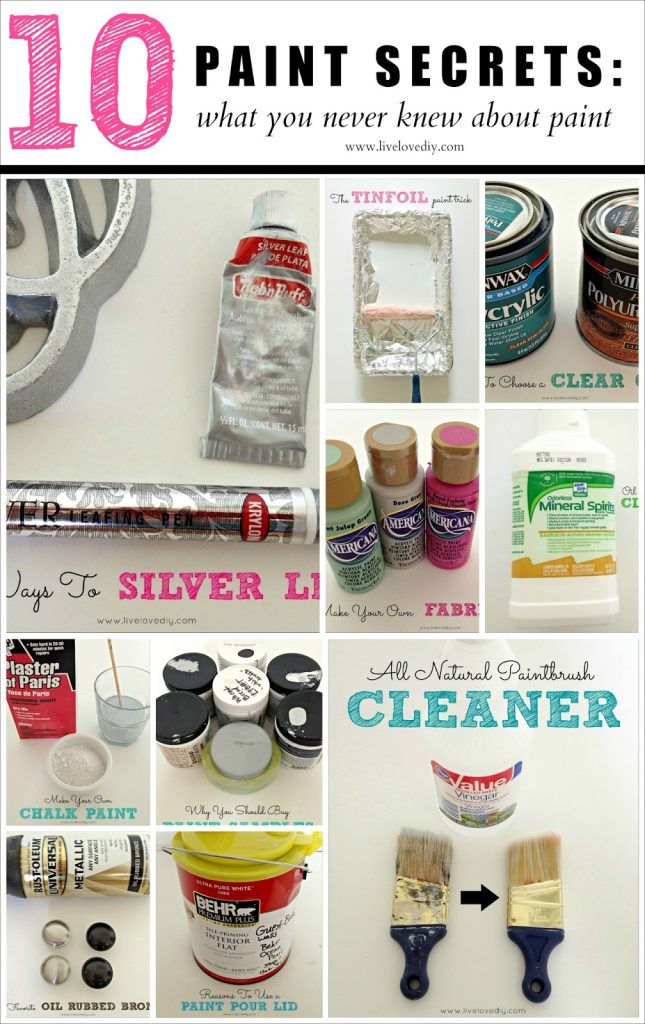
Painting your home can be fun and rewarding. It can transform your space and make it feel fresh and new. If you are a DIYer, these painting tips will help you achieve great results.
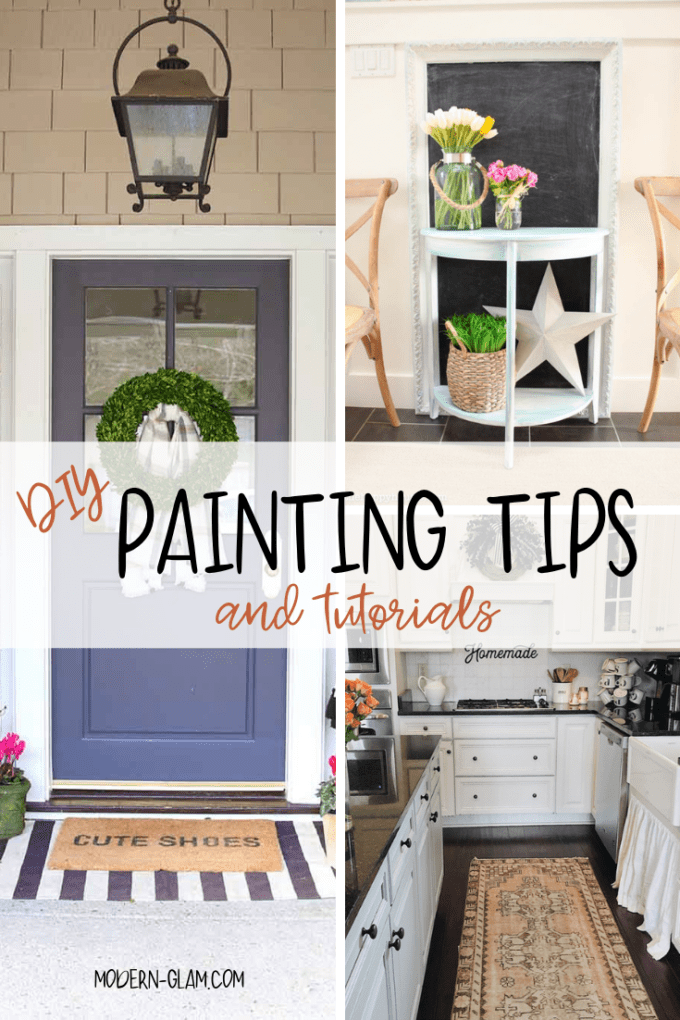
Credit: www.modern-glam.com
Preparation Is Key
Before you start painting, you need to prepare. Proper preparation will ensure a smooth and lasting finish.
Gather Your Supplies
Make sure you have all the supplies you need. Here is a list of essential painting tools:
- Paint
- Paintbrushes
- Rollers
- Painter’s tape
- Drop cloths
- Sandpaper
- Paint tray
- Stir sticks
- Primer
Clean The Surfaces
Dirty surfaces can ruin your paint job. Clean walls and ceilings with a damp cloth. Remove grease and grime with a mild detergent. Let the surfaces dry completely before painting.
Repair And Sand
Inspect the surfaces for cracks, holes, or dents. Fill them with spackle or putty. Once dry, sand the area smooth. Sanding also helps the paint adhere better.
Protect Your Space
Use painter’s tape to mask off edges and trim. Cover floors and furniture with drop cloths. This will protect your belongings from paint splatters.
Choosing the Right Paint
Choosing the right paint is important. Different paints work better for different surfaces and rooms.
Select The Finish
Paint comes in various finishes. Here are some common finishes:
| Finish | Characteristics | Best For |
|---|---|---|
| Flat | No shine, hides imperfections | Ceilings, low-traffic areas |
| Eggshell | Low shine, easy to clean | Living rooms, bedrooms |
| Satin | Soft shine, very durable | Kitchens, bathrooms |
| Semi-gloss | Medium shine, moisture-resistant | Trim, doors, cabinets |
| Gloss | High shine, very reflective | Furniture, accents |
Choose The Color
Choose a color that suits your style. Consider the mood you want to create. Light colors make a room feel larger. Dark colors add coziness.
Painting Techniques
Using the right techniques will give you a professional finish. Follow these steps for best results.
Cutting In
Start by cutting in the edges. Use a brush to paint along the edges of walls and ceilings. This creates a border for the roller.
Using A Roller
Use a roller for large, flat surfaces. Pour paint into a tray and dip the roller. Roll off excess paint on the tray’s ramp. Apply paint in a “W” or “M” pattern. Fill in the gaps with horizontal strokes.
Apply Even Coats
Thin, even coats are better than thick coats. Thick coats can drip and take longer to dry. Allow each coat to dry before applying the next.
Don’t Forget The Primer
Primer helps paint adhere better. It also covers stains and imperfections. Always use primer on new or bare surfaces.

Credit: www.livelovediy.com
Finishing Touches
Once the paint is dry, it’s time for finishing touches.
Remove Painter’s Tape
Remove painter’s tape before the paint fully dries. This prevents the paint from peeling off with the tape.
Clean Your Tools
Clean your brushes and rollers immediately after use. Use warm, soapy water for water-based paint. Use mineral spirits for oil-based paint. Properly cleaned tools will last longer.
Touch Up
Inspect your paint job for any missed spots. Use a small brush for touch-ups. This will ensure a flawless finish.
Frequently Asked Questions
How To Choose The Right Paint Color?
Consider lighting, room size, and existing decor. Test samples on walls before making a final decision.
What Tools Do I Need For Painting?
Essential tools include brushes, rollers, painter’s tape, drop cloths, and a paint tray. Quality tools ensure a smooth finish.
How To Prep Walls Before Painting?
Clean walls, fill holes, and sand rough spots. Use primer for better paint adhesion and a smoother finish.
Can I Paint Over Old Paint?
Yes, but ensure the surface is clean and sanded. Applying a primer can help cover dark colors.
Conclusion
Painting your home can be a fun and rewarding project. With proper preparation and the right techniques, you can achieve professional results. Remember to choose the right paint and take your time. Happy painting!