Quick answer: The main difference between painting and drawing is the medium and how it is applied. Drawing uses mostly dry tools such as graphite, charcoal, colored pencil or ink to make marks and lines, usually on paper. Painting uses wet, pigmented media such as acrylic, oil, watercolor or gouache, applied with brushes or knives to build areas of color, often on canvas or panel. Drawing tends to describe form through line and value; painting tends to describe it through color, mass and layered surfaces.
Painting vs drawing: what’s the difference, and does it actually matter which one you start with? The line between them is blurrier than most people expect. A loose ink wash can look like a painting, and a heavily layered pastel can be called either. Still, there are real, practical differences in materials, techniques, time and the skills each one builds, and knowing them helps you pick the right activity for yourself, a class or a family afternoon. (If a family afternoon is the goal, our guide to painting with a twist at home for families covers ready-to-go canvas kits.)
What Is Painting?
Painting is the application of pigment suspended in a liquid binder onto a surface. The binder is what defines each paint type: linseed oil in oil paint, acrylic polymer emulsion in acrylics, gum arabic in watercolor and gouache, egg yolk in tempera. You move that wet mixture with brushes, palette knives, sponges or even fingers, and it dries or cures into a film.
Because the color arrives as a fluid, painting is naturally about areas rather than lines. Painters think in shapes of color, edges (hard, soft or lost), layers and surface texture. Mixing on the palette is a core skill, and so is managing drying time.
What Is Drawing?
Drawing is mark-making with tools that deposit material directly, usually without a liquid carrier. Common drawing media include graphite pencils, charcoal, conté, colored pencils, pastels, markers and pen and ink. The surface is most often paper, though artists draw on almost anything.
Drawing is built on line and value. A drawing describes contours, proportions and structure, then models light and shadow with hatching, cross-hatching, blending or stippling. Color can be present, but many drawings are monochrome, and that focus on value is why drawing is often treated as the foundation of visual art training.
Painting vs Drawing: Side-by-Side Comparison
| Factor | Drawing | Painting |
|---|---|---|
| Typical media | Graphite, charcoal, colored pencil, pastel, ink | Acrylic, oil, watercolor, gouache, tempera |
| Physical state | Mostly dry | Wet, then dries or cures |
| Main tools | Pencils, sticks, pens, erasers, blending stumps | Brushes, palette knives, palettes, water or solvent |
| Usual surface | Paper, sketchbooks, toned paper | Canvas, panel, heavy paper, wood |
| Core visual language | Line, contour, value, hatching | Color, mass, edges, layers, texture |
| Setup and cleanup | Minimal | Moderate to significant |
| Correcting mistakes | Erase or rework | Paint over (opaque media) or lift (watercolor) |
| Typical session time | Minutes to a few hours | One session to many sessions |
| Starting cost | Low | Low to moderate |
The Real Differences Explained
1. Line thinking vs shape thinking
When you draw, your instinct is to outline. When you paint, outlines mostly disappear under color, and you start seeing the world as patches of light and dark that meet at edges. This is the biggest mental shift for anyone moving from one to the other. Many painting teachers suggest squinting at a subject to blur detail and see the large color shapes first.
2. Additive layering vs direct marks
Drawing marks go down more or less as they will stay. Painting is layered: a thin underpainting, block-in of big shapes, then refinement and highlights. Opaque paints let you cover earlier decisions completely, which makes painting surprisingly forgiving once you understand the layering order.
3. Color mixing
Colored pencils mix optically on the paper by layering, and pastels blend by rubbing. Paint mixes physically, so a painter needs to understand hue, value and saturation and how pigments interact. Mixing a believable green or a skin tone is a skill drawing rarely demands.
4. Time and drying
Drawing has no drying time. Painting does, and it changes your workflow: watercolor dries in minutes, acrylic in roughly 15 to 30 minutes for thin layers, and oil can stay workable for days. Each medium rewards a different pace.
5. Mess and setup
A drawing needs a pencil and a sheet of paper. A painting session needs a surface, paints, brushes, a palette, water or solvent, paper towels and some protection for the table. That gap is why drawing travels better and painting often feels like an event.
Where Painting and Drawing Overlap
Several media sit right on the border, and artists argue about labels:
- Ink wash uses a brush and liquid ink, so it handles like painting, yet it is often grouped with drawing.
- Soft pastels are pure pigment in stick form. Works that cover the whole surface are commonly called “pastel paintings.”
- Watercolor pencils go down as a drawing and turn into a painting when you brush water over them.
- Digital art mimics both, with brush engines that simulate pencil, charcoal, oil and watercolor.
Most paintings also start as drawings. Painters frequently sketch the composition on the canvas first, then paint over it, so the two skills work together rather than in competition.
How Artists Have Used Both
Historically, drawing and painting were taught together. Renaissance workshops trained apprentices in drawing long before they were trusted with paint, and many masters left behind far more drawings than paintings: studies of hands, drapery, faces and compositions worked out on paper first. Leonardo da Vinci’s notebooks are a famous example. Later, artists such as Edgar Degas worked so heavily in pastel that his pieces blur the line between the two disciplines entirely. Art schools still often pair figure drawing with painting courses, because each strengthens the other.
Which Is Easier to Learn: Painting or Drawing?
Neither is objectively easier, but they are hard in different ways.
- Drawing is easier to start because supplies are cheap and there is no setup. It is harder to make look “finished,” since accurate proportion and value are exposed with nowhere to hide.
- Painting has a steeper setup curve but can produce a satisfying result faster, especially with bold color and guided projects. A simple sunset in acrylic can look striking even when the drawing underneath is rough.
That second point is why guided canvas painting has become such a popular group activity. A shared reference, a limited palette and step-by-step stages let a whole table of beginners finish something they are happy to hang.
What You Need to Start Each One
A basic drawing kit
- A sketchbook with medium-weight paper (around 60 to 80 lb text weight is fine for pencil)
- Graphite pencils in a small range, such as 2H, HB, 2B and 6B
- A kneaded eraser and a plastic eraser
- A sharpener or craft knife
- Optional: vine charcoal, a blending stump, a fine black pen
A basic painting kit (acrylic)
- Student-grade acrylics in a warm and cool version of each primary, plus titanium white
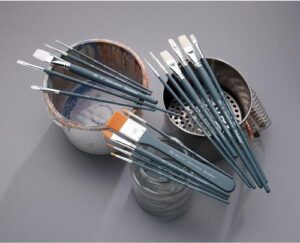
- Three brushes: a 1-inch flat, a medium filbert and a small round
- Pre-primed canvas panels, 8 x 10 or 11 x 14 inches
- A palette (a disposable paper palette or a plate works), a water jar and paper towels
- Something to protect the table, plus an old shirt
Notice the difference in footprint. The drawing kit fits in a bag; the painting kit wants a dedicated corner. That alone decides the question for many people.
Painting vs Photography and Other Art Forms
Searches for painting vs drawing often branch into wider comparisons. Photography captures light through a lens in a fraction of a second, so the artist’s choices happen in framing, timing and editing. Painting builds an image mark by mark over time, which lets the painter exaggerate color, remove clutter or invent elements that were never there. Drawing sits closest to painting in that sense: both are made by hand, both show the artist’s decisions in every stroke, and both can be done from life, from photos or from imagination. Many painters use photographs as references, which is one more reason the three practices tend to support each other rather than compete.
Skills Each One Builds
| Drawing builds | Painting builds |
|---|---|
| Observation of proportion and perspective | Color mixing and color relationships |
| Value control with a single tool | Managing edges and transitions |
| Hand-eye coordination and line confidence | Planning in layers |
| Fast idea capture (sketching) | Patience and working with drying time |
| Composition thumbnails | Texture and surface handling |
The skills feed each other. Drawing practice makes paintings more convincing, and painting practice teaches you to see value and shape, which improves drawing.
Painting vs Print: A Related Confusion
People searching for the difference between painting and drawing often run into another question: is a piece on the wall an original painting or a print? An original painting has physical brushwork you can see in raking light, slight variations in thickness and edges where paint built up. A print is a reproduction, either on paper or canvas, and the surface is usually flat and uniform. Some canvas prints add clear gel brushstrokes on top to imitate texture, so check whether the texture follows the image or sits on it randomly.
How to Choose Between Painting and Drawing
- Consider your space. Small apartment, no table to dedicate? Drawing fits better day to day.
- Think about time. Ten free minutes suits a sketchbook. A free afternoon suits a painting session.
- Decide what excites you. If color is what draws you to art, start painting. If you love detail and structure, start drawing.
- Factor in who is joining. Group and family sessions tend to work better with painting, because the result is colorful and shareable.
- Try both cheaply. A sketchbook, a pencil and a small set of acrylics with a few canvas panels let you test each without a big investment.
Tips by Skill Level
Absolute beginners
Draw simple objects for a week to train observation, then try one guided painting with a limited palette of three primaries plus white. Keep subjects bold and simple.
Intermediate
Use drawing as planning: make small value thumbnails before every painting. If you mostly draw, try monochrome painting in one color plus white to learn brush handling without color pressure.
Advanced
Blur the boundaries on purpose. Combine charcoal underdrawing with thin oil glazes, or ink line with watercolor washes, and let the strengths of each medium carry different parts of the image.
Common Misconceptions
- “You must master drawing before painting.” Drawing helps, but many artists learn both at once, and painting can teach value and shape just as well.
- “Painting is always in color, drawing is always black and white.” Grisaille paintings are monochrome, and colored pencil drawings can be vivid.
- “Drawing is just a sketch for a painting.” Finished drawings are complete artworks in their own right and have a long history as such.
- “Painting needs expensive supplies.” Student-grade acrylics and canvas panels are inexpensive enough for casual practice.
FAQs
What is the main difference between painting and drawing?
Drawing uses mainly dry media to make lines and values; painting uses wet, pigmented media to build areas of color. The tools, surfaces and ways of seeing differ as a result.
Is painting harder than drawing?
Painting involves more setup and color decisions, while drawing exposes accuracy more directly. Most beginners find each hard in a different way rather than one being clearly harder.
Should I learn drawing or painting first?
Either works. Drawing is cheaper and builds observation; painting is more immediately colorful. Many people do short drawing exercises alongside simple painting projects.
Is watercolor painting or drawing?
Watercolor is painting, because it uses pigment in a liquid binder applied with a brush. Watercolor pencils start as drawing and become painting when water is added.
Do painters draw first?
Very often. Painters usually make a light sketch on the surface to place the composition, then paint over it.
What is painting in simple words?
Painting is putting colored paint onto a surface with a brush or other tool to create a picture or design.
Next Step
Drawing and painting are partners: one trains the eye for line and value, the other for color and shape. If you want an easy, low-pressure way to start painting with the people you care about, look through these guided canvas painting kits for families and pick a project everyone can finish in one sitting.