Are you ready to dive into the world of acrylic painting but don’t know where to start? You’re in the right place.
Acrylic paints are perfect for beginners because they’re easy to use, dry quickly, and let you create beautiful art without complicated techniques. You’ll discover simple acrylic painting ideas that anyone can try—even if you’ve never picked up a brush before.
From vibrant sunsets to easy flowers and cool abstract shapes, these projects are designed to boost your confidence and spark your creativity. Keep reading, and you’ll find step-by-step tips that make painting fun and stress-free. Your next masterpiece is closer than you think!
Simple Landscape Ideas
Simple landscape paintings offer a great way for beginners to practice acrylic techniques. These ideas use easy shapes and basic colors. You can create beautiful scenes without complex details. Focus on color blending, layering, and simple brush strokes. These simple landscapes make painting fun and relaxing.
Sunset Gradient
Start with warm colors like red, orange, and yellow. Blend them smoothly from top to bottom to create a glowing sunset sky. Use a large brush and soft strokes for a seamless gradient. This technique helps you learn color mixing and smooth blending. Add a dark silhouette of trees or hills at the bottom for contrast.
Mountain Scene
Paint simple triangles for mountain shapes. Use darker colors for mountains in front and lighter shades for those behind. Add a layer of fog or mist with white paint to create depth. Use horizontal strokes to paint a calm lake reflecting the mountains. This scene teaches layering and creating depth with color.
Starry Night Sky
Use deep purples, blues, and black to paint the night sky. Blend these colors softly to create a galaxy effect. Use a small brush or toothbrush to flick white paint for stars. Add a bright moon or shooting star for extra interest. This idea helps you practice blending and splattering techniques.
Birch Trees
Paint a colorful background using bright or soft colors. Let it dry completely. Use masking tape or a thin brush to create straight white tree trunks. Add black lines and spots on trunks to mimic birch bark. This painting improves your control and patience with layering and details.
Credit: feelingnifty.com
Botanical & Still Life Ideas
Botanical and still life paintings offer a calming and rewarding way to practice acrylics. These subjects are perfect for beginners. They allow focus on shapes, colors, and light without rushing. Simple objects from nature bring beauty and peace to your canvas. This section explores easy ideas that boost confidence and creativity.
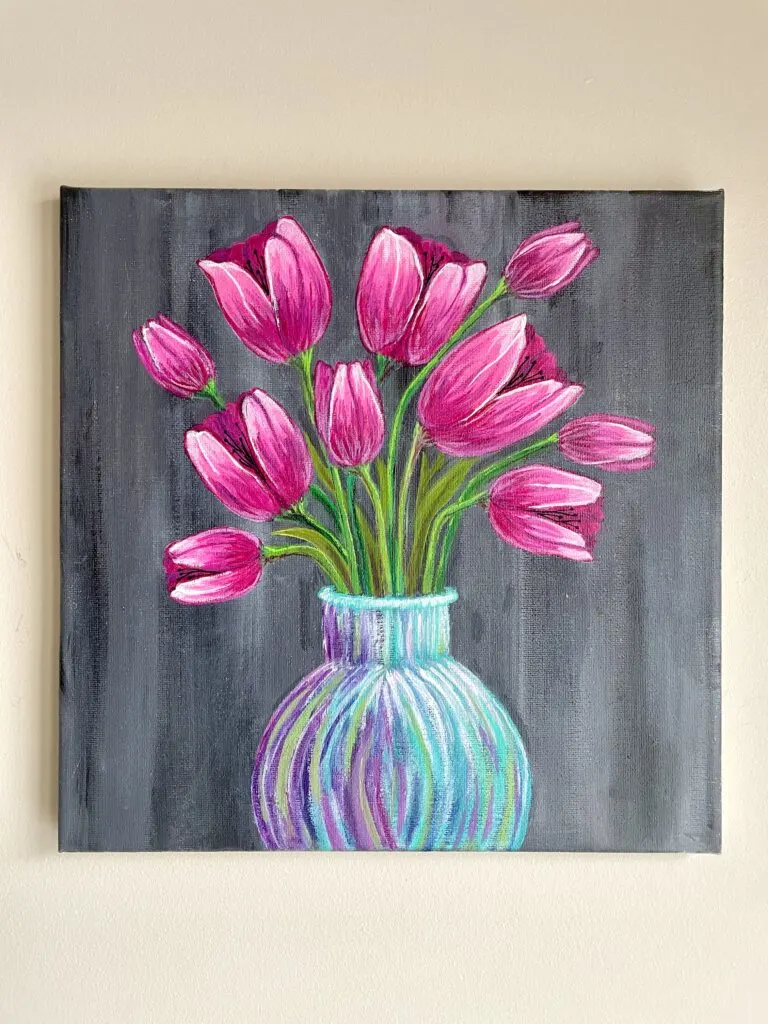
Easy Flowers
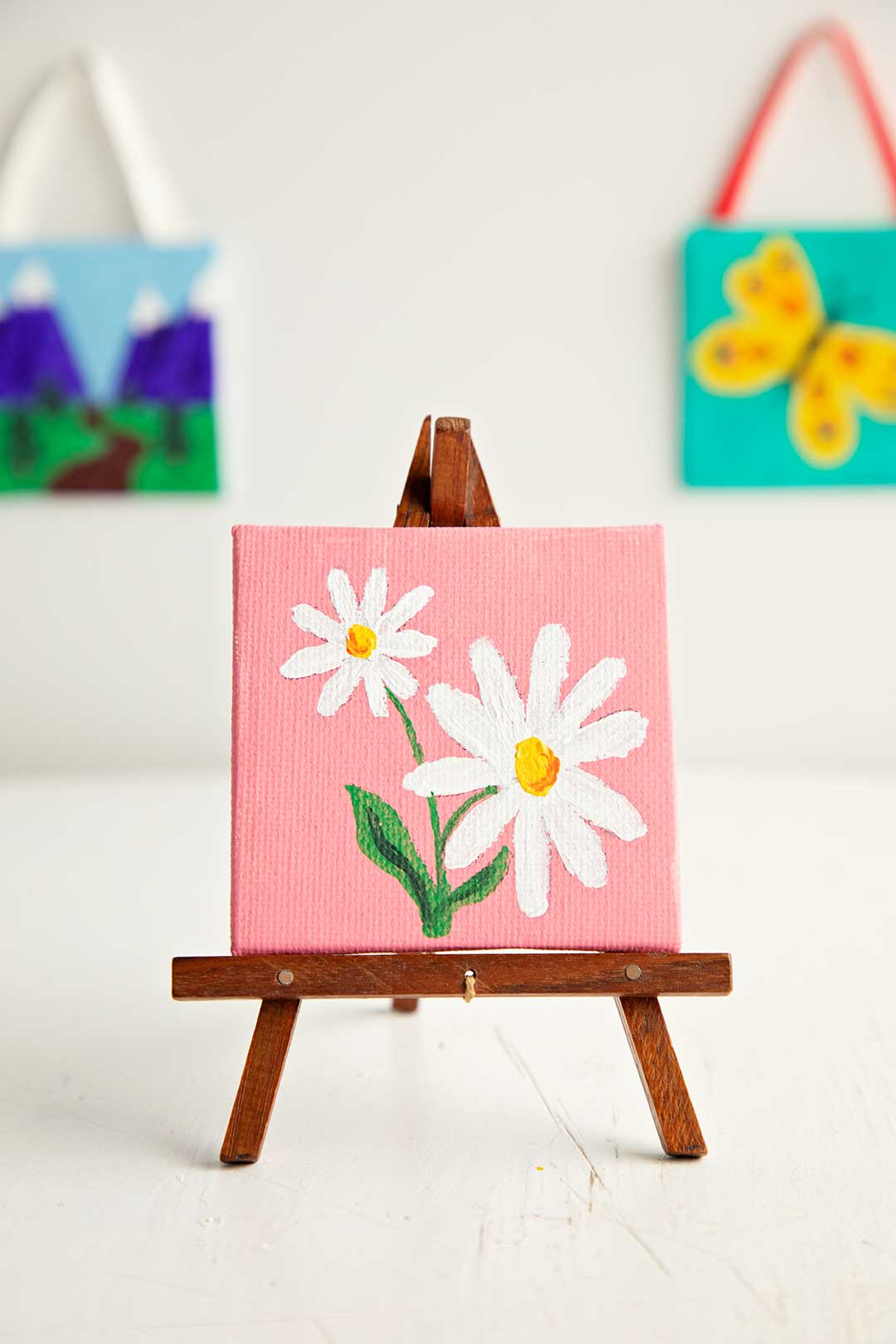
Start with simple flowers like daisies or tulips. Use basic shapes such as circles and ovals. Paint petals with broad, smooth strokes. Choose bright colors to make your flowers pop. No need for detailed sketches. Focus on color blocking and layering. This method helps build skill and enjoyment. Flowers offer endless variety and charm.
Potted Plants
Potted plants are great for beginners. Pick small plants like succulents or herbs. Paint the pots in cheerful colors or simple tones. Capture the shape of leaves with gentle curves. Use light and shadow to add depth. These paintings feel fresh and lively. They also teach control over shapes and shading.
Fruit Still Life
Arrange a few fruits like apples, oranges, or bananas in a bowl. Keep the shapes round and simple. Use bright, natural colors to show ripeness. Focus on light reflections and shadows. This practice improves your ability to paint volume and texture. Fruit still life is a classic subject that looks great on any wall.
Abstract & Creative Ideas
Abstract and creative acrylic painting ideas offer a fun way to explore colors and shapes. Beginners can enjoy freedom in their art without focusing on exact details. These ideas help build confidence and inspire unique artworks. Experimenting with simple forms and textures makes painting exciting and rewarding.
Silhouette Cityscape
Start with a colorful background using blended acrylic paints. Use warm or cool tones for a striking effect. After the background dries, paint simple black shapes of buildings. Keep the shapes basic, such as rectangles and triangles. This contrast creates a dramatic city skyline silhouette. Add small details like windows with a thin brush. This project is easy and visually appealing for beginners.
Geometric Shapes
Use painter’s tape to create sharp lines and shapes on your canvas. Choose a few colors to fill each shape for a clean look. Triangles, squares, and circles work well for this style. Remove the tape carefully after the paint dries. This technique creates neat, abstract designs with crisp edges. It helps beginners practice control and precision with acrylic paint.
Textured Art
Mix baking soda with acrylic paint to add texture to your work. This mix creates a rough, grainy surface that adds depth. Apply thick layers with a palette knife or brush. Try this technique on jars, canvas, or wood panels. Textured art encourages creativity and gives your paintings a unique feel. It is a simple way to experiment beyond flat colors.
Color Basics
Understanding color basics is essential for acrylic painting beginners. Colors bring life and mood to your artwork. Knowing how to use and mix colors creates harmony in your paintings. Start simple to build confidence and skills.
Primary Colors Setup
Primary colors are red, blue, and yellow. These colors cannot be made by mixing others. Having these three paints allows you to create many other colors. Use pure primary colors to practice mixing. Keep white and black paints handy for lightening or darkening colors.
Arrange your palette with primary colors spaced apart. This helps avoid accidental color mixing. Experiment by blending two primary colors to see new hues. For example, mixing red and yellow makes orange. This setup is the foundation of all color mixing in acrylic painting.
Mixing Warm And Cool Tones
Warm tones include colors like red, orange, and yellow. They create feelings of warmth and energy. Cool tones are blue, green, and purple. These colors give a calm and relaxing effect.
Mix warm and cool tones carefully to balance your painting. For example, add a touch of blue to orange to soften its brightness. Try mixing colors to create new shades like peach or olive green. This practice improves your understanding of color relationships.
Remember, small changes in mixing can produce different results. Use a clean brush or palette knife for mixing. This keeps colors pure and vibrant on your canvas.
Painting Techniques
Painting techniques form the foundation of any acrylic painting project. They help beginners create interesting effects with ease. Using simple methods can make your artwork look more professional. Practicing these techniques builds confidence and improves skills. Focus on learning a few basic techniques first. They open many doors to creative expression.
Layering For Depth
Layering adds dimension and richness to your painting. Start with a thin base color and let it dry. Then apply another layer with a different shade or tone. Repeat this process to build depth and texture. Each layer changes the look of the painting subtly. This method works well for landscapes and backgrounds. Use thin paint layers to avoid cracking or peeling.
Blending With Dry Brush
The dry brush technique creates soft, blended edges. Use a brush with very little paint on it. Lightly drag the brush over the canvas in short strokes. This technique works well for skies and smooth transitions. It adds a gentle, natural look to your painting. Practice on scrap paper to control the amount of paint used. Dry brushing is simple but can create beautiful effects.
Using Painter’s Tape
Painter’s tape helps create clean, sharp lines in your artwork. Stick the tape on the canvas to mark areas you want to protect. Paint over the exposed parts and let it dry completely. Carefully remove the tape to reveal crisp edges. This technique is perfect for geometric shapes or simple patterns. It keeps your painting neat and controlled. Use high-quality tape to avoid paint bleeding.
Credit: welcometonanas.com
Tools And Materials
Before starting any acrylic painting project, gathering the right tools and materials is key. These basics help create a smooth and enjoyable painting experience. Simple supplies suit beginners best and keep the process fun and stress-free.
Essential Acrylic Supplies
Start with quality acrylic paints. Choose a basic set with primary colors plus black and white. This range lets you mix many shades. Get a palette for mixing colors and a cup for water. Paper towels or rags help clean brushes during painting. A palette knife is useful for mixing and adding texture.
Choosing Brushes
Pick brushes with synthetic bristles made for acrylic paint. These brushes hold paint well and clean easily. Start with a few shapes: flat, round, and fan brushes. Flat brushes cover large areas, while round brushes add details. Fan brushes create texture and blend colors smoothly. Buy medium-sized brushes for easy handling.
Canvas And Surfaces
Canvas is the most common surface for acrylic painting. Beginners can use pre-stretched canvases or canvas boards. Canvas boards are affordable and sturdy for practice. You can also paint on acrylic paper, wood panels, or even cardboard. Choose smooth surfaces to practice blending and details. Make sure the surface is primed to protect your artwork.
Tips For Beginners
Starting acrylic painting can feel exciting and a bit challenging. Simple tips help beginners build confidence and enjoy the process. Focus on small, manageable steps and have fun exploring colors and shapes. Painting is about expressing yourself, so relax and enjoy each moment.
These tips guide you through the basics. They make learning easier and more enjoyable. Keep your materials ready and your mind open. Every brush stroke teaches something new.
Starting Small
Begin with small canvases or paper sheets. Smaller sizes help you finish projects quickly. This builds confidence and avoids frustration. Choose simple subjects like a single flower or a sunset. Small paintings allow more practice in less time. They fit easily in your space and take fewer supplies.
Experimenting With Textures
Try different ways to add texture to your work. Use tools like sponges, palette knives, or even old brushes. Mix materials such as baking soda with paint for a rough surface. Texture adds depth and interest to simple paintings. Don’t worry about mistakes; textures bring unique effects. Play and see how each tool changes the paint’s look.
Practice And Patience
Painting skills grow slowly with steady practice. Set aside a little time each day or week. Repeat simple exercises to improve brush control and color mixing. Mistakes are part of learning, so be patient. Each attempt brings better understanding and new ideas. Celebrate small progress and keep your focus on enjoying art.

Credit: www.paintingtogogh.com
Frequently Asked Questions
What Are Simple Acrylic Painting Ideas For Beginners?
Simple ideas include sunset gradients, mountain scenes, starry skies, and easy flowers. These projects use basic shapes and colors, making them perfect for beginners to practice layering and blending techniques.
How Do Beginners Start Acrylic Painting Easily?
Start with primary colors and basic brushes. Practice simple subjects like fruit or flowers. Focus on layering paint and blending colors for smooth transitions.
Which Tools Are Best For Beginner Acrylic Painters?
Use synthetic brushes, a palette, and acrylic paints. Painter’s tape helps create sharp lines. A mixing palette and water container are essential for blending and cleaning.
How Can Beginners Add Texture To Acrylic Paintings?
Mix baking soda with acrylic paint to create texture. Apply it with a palette knife or brush for interesting effects on canvas or jars.
Conclusion
Acrylic painting offers fun and simple ways to express creativity. Start with easy ideas like sunsets or flowers. Use basic colors and build layers step by step. Practice helps you improve and enjoy the process. Keep your tools ready and stay patient with your work.
Small projects can bring big satisfaction. Painting can relax your mind and boost your mood. Try different styles and find what feels right. Enjoy every brushstroke and watch your skills grow.