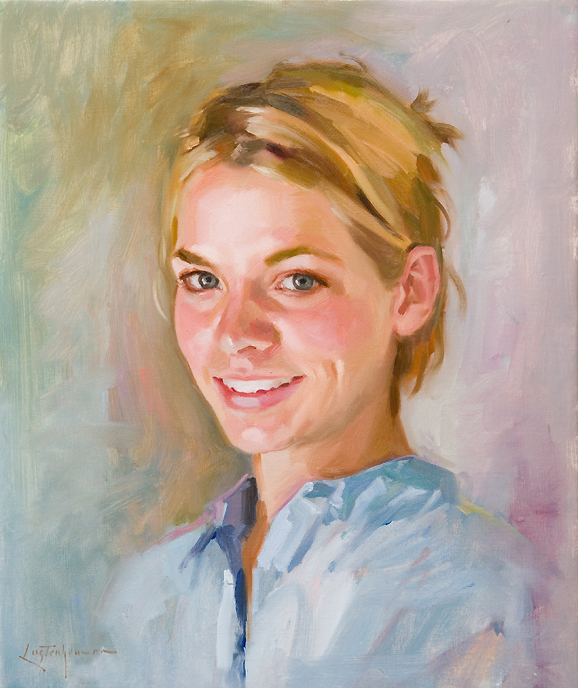
Painting portraits with oil paints can be fun. You can create beautiful and realistic portraits. Here are some tips to help you get started.
1. Choose the Right Materials
Having the right materials is very important. Here is a list of materials you need:
- Oil paints
- Canvas or painting surface
- Brushes of different sizes
- Palette for mixing colors
- Palette knife
- Linseed oil or other mediums
- Rags or paper towels
Credit: paintingportraittips.com
2. Prepare Your Canvas
Before you start painting, you need to prepare your canvas. Here are the steps:
- Apply a layer of gesso to the canvas.
- Let the gesso dry completely.
- Sand the surface lightly for a smooth finish.
3. Start with a Sketch
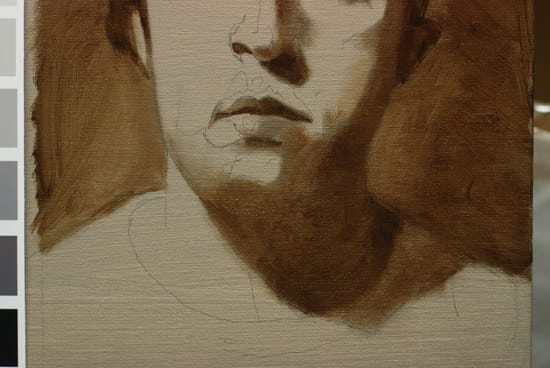
Sketch your portrait lightly on the canvas. Use a pencil or a thin brush with a light color. This will help you plan the composition and proportions.
4. Use a Limited Color Palette
Start with a limited color palette. This makes it easier to blend colors and create harmony. Here are some basic colors to use:
- Titanium White
- Burnt Sienna
- Raw Umber
- Yellow Ochre
- Cadmium Red
- Ultramarine Blue
Credit: www.youtube.com
5. Paint in Layers
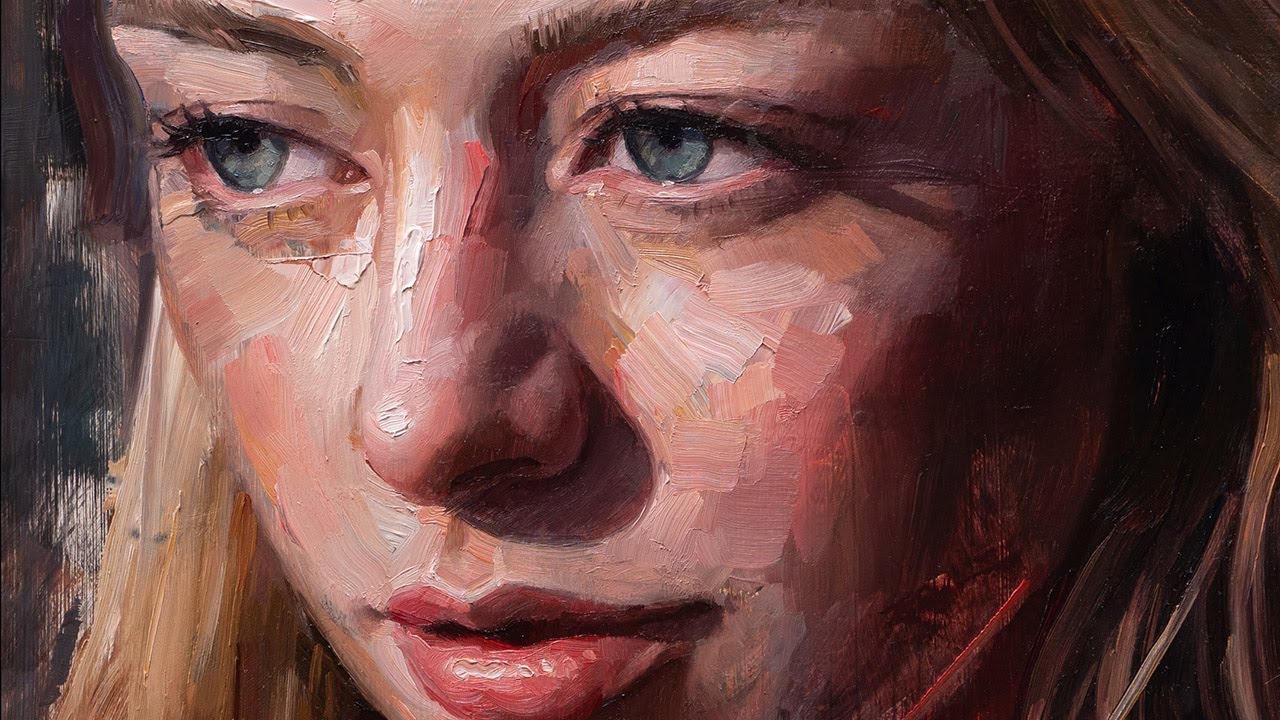
Oil paints take time to dry. Paint in layers to build up the portrait. Start with thin layers and add thicker layers as you go.
6. Focus on the Eyes
The eyes are the most important part of a portrait. Spend extra time getting them right. Make sure they are the correct size and shape.
7. Blend Colors Smoothly
Use a soft brush to blend colors smoothly. This will create a realistic look. Work in small sections and blend as you go.
8. Use Glazing for Depth
Glazing can add depth to your portrait. Apply a thin layer of transparent paint over a dry layer. This will create a rich and luminous effect.
9. Pay Attention to Light and Shadow
Light and shadow are very important in a portrait. They create the illusion of three-dimensionality. Observe your subject carefully and paint the light and shadow accurately.
10. Take Breaks
Painting a portrait can take a long time. Take breaks to rest your eyes and hands. This will help you stay focused and avoid mistakes.
11. Practice Regularly
Practice is the key to improving your skills. Paint portraits regularly to get better. Learn from your mistakes and keep trying.
12. Ask for Feedback
Show your work to others and ask for feedback. This can help you see things you might have missed. Use the feedback to improve your next portrait.
Frequently Asked Questions
What Is The Best Brush For Oil Portraits?
A high-quality, round brush provides precise strokes for detailed work in oil portrait painting.
How Do I Mix Skin Tones?
Mix primary colors with white. Adjust with red, yellow, or blue to match the desired skin tone.
How Long Does Oil Paint Dry?
Oil paint typically takes 24 to 48 hours to dry to the touch, depending on thickness and environment.
Can I Use Oil Paint On Canvas?
Yes, canvas is ideal for oil paints due to its durability and texture, providing a great painting surface.
Conclusion
Painting portraits with oil paints can be a rewarding experience. With these tips, you can create beautiful and realistic portraits. Remember to practice regularly and never give up. Happy painting!