Oil painting is a beautiful and timeless art form. It has been enjoyed by artists for centuries. If you are new to oil painting, this guide is for you. You will learn about the essential tools and techniques needed to get started.
Essential Tools for Oil Painting
Before you start painting, you need to gather some essential tools. These tools will help you create your masterpiece.
1. Oil Paints
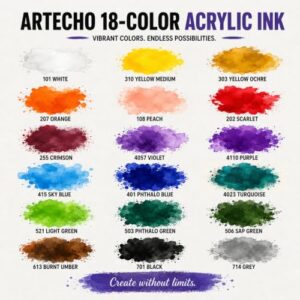
Oil paints are the main ingredient in oil painting. They come in many colors. You can mix them to create new shades. It is best to start with a basic set of colors. Here are some recommended colors for beginners:
- Titanium White
- Cadmium Yellow
- Cadmium Red
- Ultramarine Blue
- Burnt Umber
- Burnt Sienna
2. Brushes
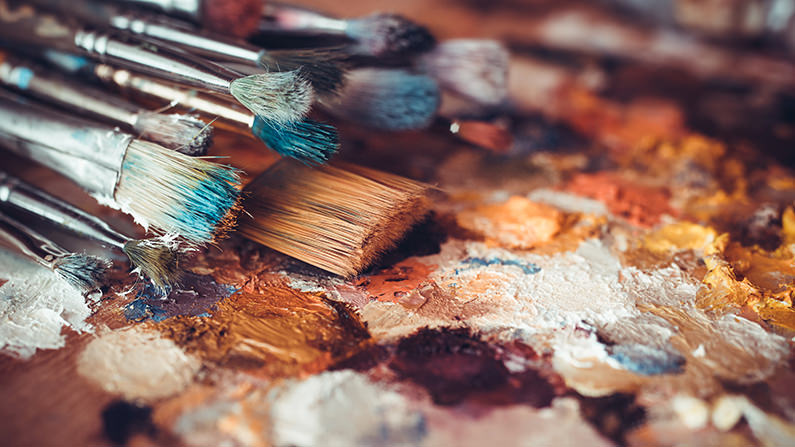
Brushes are essential for applying paint to the canvas. There are many types of brushes. Each type has a different use. Here are some common types of brushes:
- Flat Brushes: These are good for large areas and straight edges.
- Round Brushes: These are good for details and thin lines.
- Filbert Brushes: These are good for blending and soft edges.
It is a good idea to have a variety of brushes in different sizes.
3. Canvas
The canvas is the surface on which you will paint. Canvases come in many sizes. You can choose a small canvas for practice. As you become more confident, you can use larger canvases.
4. Palette
A palette is used for mixing paints. You can use a wooden palette or a disposable one. A clean palette will help you mix colors accurately.
5. Palette Knife
A palette knife is used for mixing paints. It can also be used for applying paint to the canvas. A palette knife is a versatile tool that every painter should have.
6. Easel
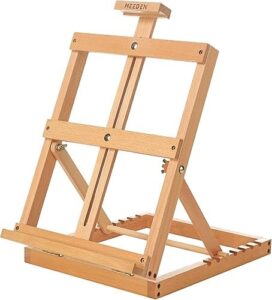
An easel holds your canvas while you paint. It helps you work comfortably. There are many types of easels. You can choose a tabletop easel or a standing easel.
7. Mediums And Solvents
Mediums and solvents are used to change the consistency of the paint. They can make the paint thicker or thinner. Some common mediums and solvents are:
- Linseed Oil
- Turpentine
- Mineral Spirits
8. Rags And Paper Towels
Rags and paper towels are used for cleaning brushes and wiping the palette. They are essential for keeping your workspace tidy.
Credit: www.annabregmanportraits.co.uk
Basic Techniques for Oil Painting
Now that you have your tools, it is time to learn some basic techniques. These techniques will help you create beautiful paintings.
1. Underpainting
Underpainting is the first layer of paint. It helps to create a base for your painting. Use a thin layer of paint for the underpainting. This technique helps you establish the composition and values.
2. Blocking In
Blocking in is the process of painting the main shapes and colors. Use broad strokes and simple shapes. This technique helps you establish the overall composition.
3. Glazing
Glazing is the process of applying thin layers of transparent paint. This technique helps to create depth and richness. Use a medium to thin the paint for glazing.
4. Scumbling
Scumbling is the process of applying a thin, opaque layer of paint. This technique helps to create texture and highlights. Use a dry brush for scumbling.
5. Dry Brushing
Dry brushing is the process of using a dry brush to apply paint. This technique helps to create texture and fine details. Use a small amount of paint on a dry brush.
6. Blending
Blending is the process of mixing colors on the canvas. This technique helps to create smooth transitions. Use a clean brush or a palette knife for blending.
7. Impasto
Impasto is the process of applying thick layers of paint. This technique helps to create texture and depth. Use a palette knife or a thick brush for impasto.
Tips for Beginners
Here are some tips to help you get started with oil painting:
- Start with simple subjects. Choose subjects that are easy to paint.
- Practice regularly. The more you paint, the better you will become.
- Experiment with different techniques. Try different techniques to find what works best for you.
- Take your time. Oil painting requires patience and practice.
- Don’t be afraid to make mistakes. Mistakes are part of the learning process.
- Keep your workspace clean. A clean workspace helps you work more efficiently.

Credit: www.amazon.com
Frequently Asked Questions
What Materials Do I Need To Start Oil Painting?
Basic materials include oil paints, brushes, canvas, palette, and a solvent like turpentine.
How Do I Prepare A Canvas?
Prime your canvas with gesso to create a smooth painting surface.
What Are The Best Brushes For Oil Painting?
Use bristle brushes for texture and sable brushes for detail work.
How Do I Mix Oil Paints?
Use a palette knife to mix paints thoroughly on a palette.
Conclusion
Oil painting is a rewarding and enjoyable art form. With the right tools and techniques, you can create beautiful paintings. Remember to practice regularly and have fun. Happy painting!