Start with a clean slate: prep, select colors wisely, and use quality tools. Transforming a room with a fresh coat of paint is one of the simplest yet most impactful home improvements you can make. Whether you're sprucing up a dull space or completely reimagining your home's vibe, the right techniques and tools can make the process smoother and more efficient. By mastering the art of painting a room, you’ll not only enhance the aesthetic appeal but also boost the room's overall ambiance.
Preparation is Key
Before you dip a brush, ensure your workspace is ready:
- Clear the Space: Remove furniture or cover it with drop cloths.
- Clean the Walls: Dust and grime can prevent paint from adhering properly.
- Patch and Sand: Fill holes or cracks, then sand smooth for a flawless finish.
- Use Painter's Tape: Protect trims, switches, and other areas you don't want painted.
These steps create a clean, ready canvas for your artistic endeavors.
Choosing the Right Paint and Color
Selecting the right paint is crucial:
- Types of Paint: For walls, latex paint is preferred for its easy clean-up and durability.
- Finish Options: Eggshell or satin is ideal for most walls; semi-gloss for trim.
- Color Selection: Consider the room's natural light and purpose. Test a small area to ensure satisfaction.
A well-chosen color can change the feel of an entire room, so take your time.
Essential Tools and Materials
Investing in quality tools can save time and ensure a professional finish:
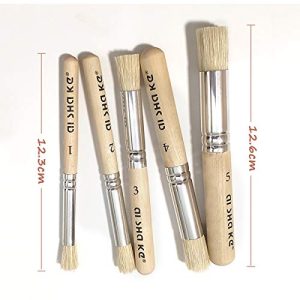
- Paintbrushes and Rollers: Get different sizes for trimming and large surfaces.
- Paint Tray and Liners: Easier clean-up with replaceable liners.
- Extension Poles: Helpful for ceiling and high walls.
- Ladders: Ensure you have a sturdy ladder for reaching higher spots.
A good toolkit is half the battle in achieving impeccable results.
Painting Techniques for Best Results
Mastering these techniques will make a noticeable difference:
- Cutting-In: Begin with edges and corners before using a roller.
- Rolling: Use a 'W' pattern for an even coat across broader surfaces.
- Multiple Coats: Two coats are often necessary for true color payoff.
- Drying Time: Allow appropriate drying time between coats, following the manufacturer's instructions.
Practicing these techniques will lead to a flawless finish and efficient workflow.
Common Mistakes to Avoid
It's easy to overlook some details, so keep these tips in mind:
- Rushing the Prep: Preparation is crucial for a polished outcome.
- Overlooking Lighting Conditions: Natural light affects color perception.
- Skipping Primer: Especially needed for colors like red or when transitioning from a dark to a light color.
By steering clear of these common pitfalls, you'll achieve a professional-standard finish with less stress.
Frequently Asked Questions of Top Tips for Painting a Room
What type of paint is best for walls?
Latex paint is highly recommended for its durability and ease of cleanup.
How can I choose the right color for my room?
Test swatches on your wall, considering both natural and artificial lighting.
Should I use primer before painting?
Primer is essential for vibrant color application and to transition from dark to light shades.
How many coats of paint do I need?
Typically, two coats are necessary to achieve an even and true color.
What tools are essential for painting a room?
High-quality brushes and rollers, painter's tape, and drop cloths are must-haves.
Conclusion
Painting a room is a rewarding endeavor that can transform your space with personal flair and style. With preparation, the right tools, and a few tried-and-true techniques, you can achieve a stunning finish that enhances your home. Whether you're a novice or a seasoned DIY enthusiast, implementing these tips will lead to a satisfying painting experience. Ready to get started? Dive into your next painting project, and let your creative journey begin! Feel free to subscribe for more home improvement tips or leave a comment with your painting experiences.