Oil paint stands out for slow drying, deep color, flexible layering, and lasting strength.
If you have ever asked which are some of the unique characteristics of oil paint, you are in the right place. I have taught painting for years and learned what works in the studio and what fails. In this guide, I break down each trait with clear steps, real tests, and simple tips you can use today.
What Makes Oil Paint Different
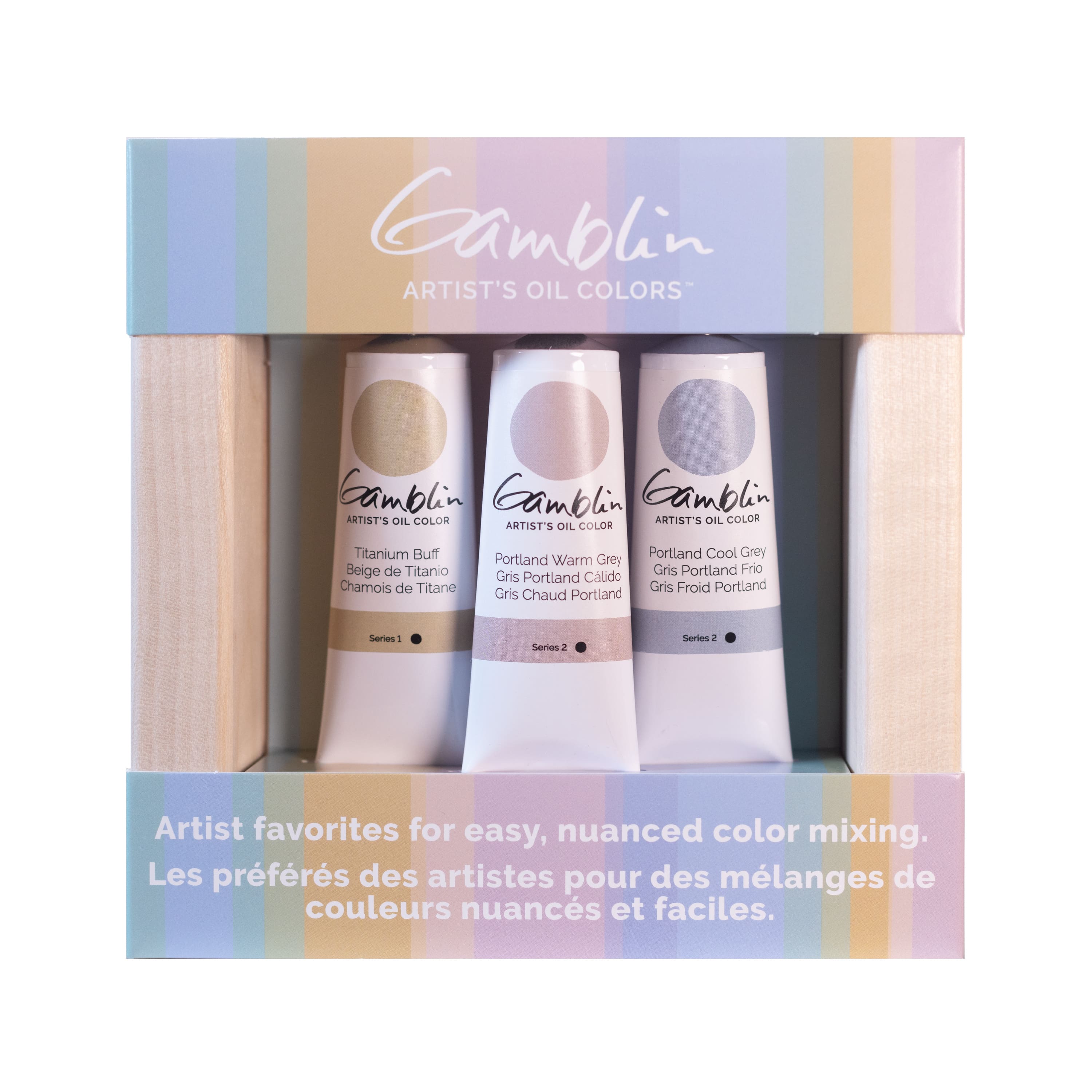
Oil paint binds pigment with drying oils. It cures by oxidation, not by water loss. This gives you time and control. It also gives you a lush look that other paints cannot match.
If you wonder which are some of the unique characteristics of oil paint, start with control. You can push edges. You can blend soft tones. You can build layers that glow.
Here is a quick overview of key traits:
- Long open time lets you blend
- High pigment load gives rich color
- Flexible surface allows layered work
- Strong film when cured resists wear
In my own work, I can rework a passage the next day without stress. That changes how I plan and how I see.
Slow Drying Time and Smooth Blending
Oil dries slow. This is both a gift and a task. It stays wet for hours or days, based on pigment and medium. You can blend skin tones or sunsets with no hard jumps.
Artists often ask which are some of the unique characteristics of oil paint, and slow drying tops the list. It lets you feather edges and keep color clean.
Try this simple blend drill:
- Lay two color bands side by side.
- Use a soft brush to pull one into the other.
- Wipe the brush often to avoid mud.
- Step back and judge the edge.
Keep rags handy. Wipe more than you think. Clean edges look pro.
Depth, Luminosity, and Color Saturation
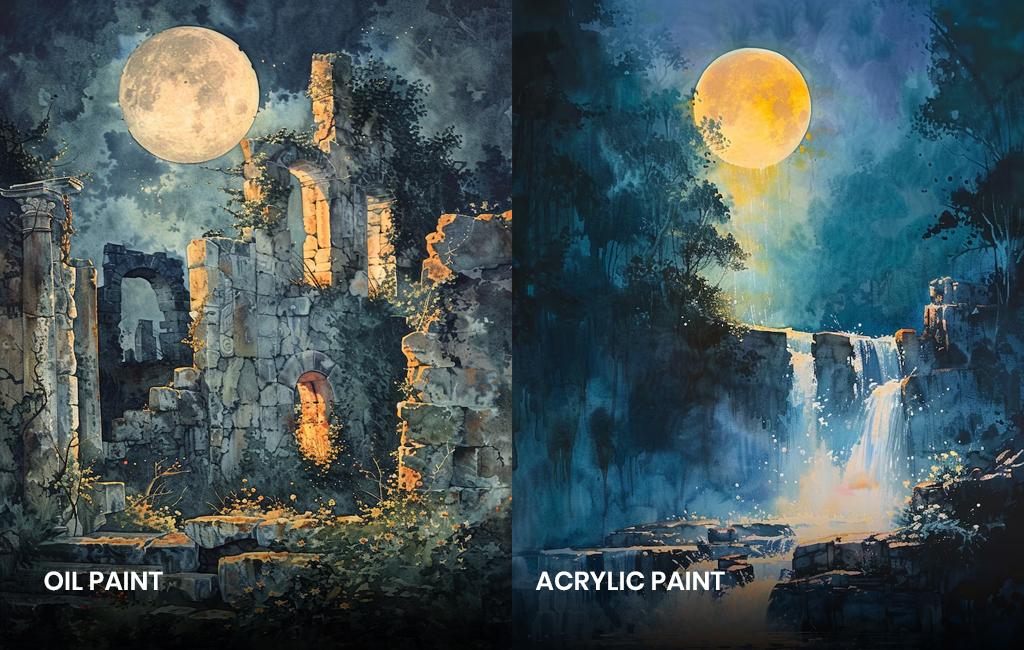
Oil carries more pigment than most paints. Oil also has a refractive index close to many pigments. Light can pass through thin layers and bounce back. This adds depth and a glow.
If you ask which are some of the unique characteristics of oil paint, put depth and glow near the top. Glazes over a light base feel lit from within.
Color tips I use in portraits and skies:
- Use a light underpainting for glow
- Glaze thin with a transparent color
- Keep opaque color for the top lights
- Let each thin layer set before the next
I once glazed a storm sky with ultramarine and a touch of burnt umber. It looked like wet air. That is the oil magic.

Texture, Impasto, and Expressive Brushwork
Oil holds marks well. You can leave bold strokes that stay crisp. You can knife on thick paint for drama. This adds a tactile read on the wall.
Wonder which are some of the unique characteristics of oil paint in a gallery setting? Texture grabs light and throws it back. It reads from across the room.
Practical ideas:
- Use a bristle brush for bold marks
- Try a palette knife for peaks
- Add a gel or wax medium for body
- Save impasto for highlights to avoid cracking
I learned to test the peak with a knife. If it slumps, add body medium or wait for a tacky stage.
Versatility With Mediums and Techniques
You can change the paint feel on the fly. Add oil for flow and gloss. Add solvent or alkyd for faster set. Use stand oil for smooth lines and no brush marks.
For those asking which are some of the unique characteristics of oil paint, its range with mediums stands out. One paint can feel like butter or ink.
Useful mixes I keep on hand:
- Lean mix: small amount of solvent for the first block in
- Balanced mix: a little linseed oil for mid layers
- Fat mix: stand oil or alkyd gel for final work
- Glaze mix: oil plus a touch of solvent to thin color
Test each mix on a side panel first. Watch how it levels and how fast it sets.

Archival Strength and Aging Beauty
When cured well, oil forms a strong film. Many works last for centuries. Colors stay rich if you use stable pigments and good grounds. Varnish adds a shield and can even out gloss.
Which are some of the unique characteristics of oil paint that conservators value? Strong crosslinked films, repair friendly surfaces, and reversible varnish systems.
Care notes I follow:
- Use a rigid support for heavy impasto
- Keep paintings out of high heat and harsh sun
- Wait for full cure before final varnish
- Dust with a soft brush only
I have seen old studio pieces still sound after moves and shows. Prep and patience made that happen.
Surface Prep and the Fat-Over-Lean Rule
Oil needs a sealed and sized surface. Use a gesso or oil ground. This stops oil from sinking into the fibers. It also helps paint sit well on the surface.
If you ask which are some of the unique characteristics of oil paint that affect build, remember fat over lean. Each layer should have more oil than the one below. This reduces stress and prevents cracks.
Simple workflow:
- Lean underpainting with little medium
- Mid layers with a touch more oil
- Final details with the richest medium
- Let layers reach touch dry before the next
I once broke this rule on a rush job. The top cracked in a month. I had to strip and redo. Lesson learned.
Safety, Solvents, and Cleaner Options
Oil paint itself is not the main risk. Solvents can be. Good airflow matters. Use odorless mineral spirits in small amounts, or skip them.
Which are some of the unique characteristics of oil paint in a health sense? You can work solvent free. Use oil and a plant based soap for clean up.
Safe studio tips:
- Ventilate the room
- Keep solvent in closed jars
- Use nitrile gloves if you have skin issues
- Dispose of oily rags in a metal can with water
I now wipe paint with safflower oil and wash with soap. My studio air feels fresh, and I have fewer headaches.
Practical Workflow, Mistakes to Avoid, and Pro Tips
A clear process saves time. It also keeps color clean and layers sound. Here is a simple plan I give to students.
Step by step:
- Tone the ground with a thin, lean wash.
- Draw the shapes with a mid value.
- Block in big masses with simple color.
- Refine edges and values.
- Glaze or add impasto accents.
- Rest the painting and assess in daylight.
Common mistakes:
- Overmixing on the canvas leads to mud
- Painting fat under lean causes cracks
- Using too much medium makes sticky paint
- Rushing varnish before cure traps solvent
Which are some of the unique characteristics of oil paint that help you grow fast? Long open time to fix choices, and layers that let you test ideas without losing the base.
Personal pro tips:
- Keep a test panel for every session
- Set a timer to step back every 20 minutes
- Photograph stages to track value shifts
- Mix more paint than you think you need
Frequently Asked Questions of which are some of the unique characteristics of oil paint
What makes oil paint different from acrylic?
Oil dries slow by oxidation. Acrylic dries fast by water loss, so blends and edges behave very differently.
Why do some oil colors dry faster than others?
Pigments change the rate. Earth colors often dry fast, while titanium white and some blues can take longer.
Can I paint solvent free with oils?
Yes. Use linseed or safflower oil to thin and to clean. Wash brushes with soap and warm water.
How long should I wait before varnishing?
Wait until the paint is fully cured. This often takes 6 to 12 months, based on thickness and climate.
What surfaces work best for oil paint?
Use primed canvas, wood panels, or oil paper. A sealed, stable ground prevents oil soak and boosts durability.
Do oils yellow over time?
Linseed oil can warm a bit. Use safflower or walnut oils for whites if you want less yellow shift.
How do I avoid muddy colors?
Pre mix clean piles, wipe the brush often, and layer rather than overmix on the canvas.
Conclusion
Oil paint gives time, depth, and strength. You can blend soft edges, stack glowing layers, and build texture that holds. If you have asked which are some of the unique characteristics of oil paint, now you know what matters in real use.
Start small. Set up a safe, simple workflow. Use fat over lean, and keep your mixes clean. Try one change at a time and log your results. Share your wins and your lessons.
Ready to go deeper? Subscribe for more step by steps, ask a question in the comments, or explore my next guide on glazing and finish.