Choosing the right medium to use with acrylic paint can completely change how your artwork looks and feels. If you’ve ever felt frustrated because your paint dried too fast, looked dull, or didn’t blend well, you’re not alone. Understanding the various mediums for acrylic paint can help you overcome these challenges and enhance your artistic expression.
The good news is, the right medium can solve these problems and unlock new creative possibilities for you. You’ll discover simple, effective mediums that will help you control drying time, improve texture, and make your colors pop. Keep reading, and you’ll learn how to take your acrylic painting to the next level.
Credit: www.craftsy.com
Types Of Acrylic Mediums
Acrylic mediums change the look and feel of your paint. They mix with acrylic paint to change its texture, shine, or drying time. Choosing the right medium helps create the style you want. Different types of mediums offer different effects. Understanding these types improves your painting results.
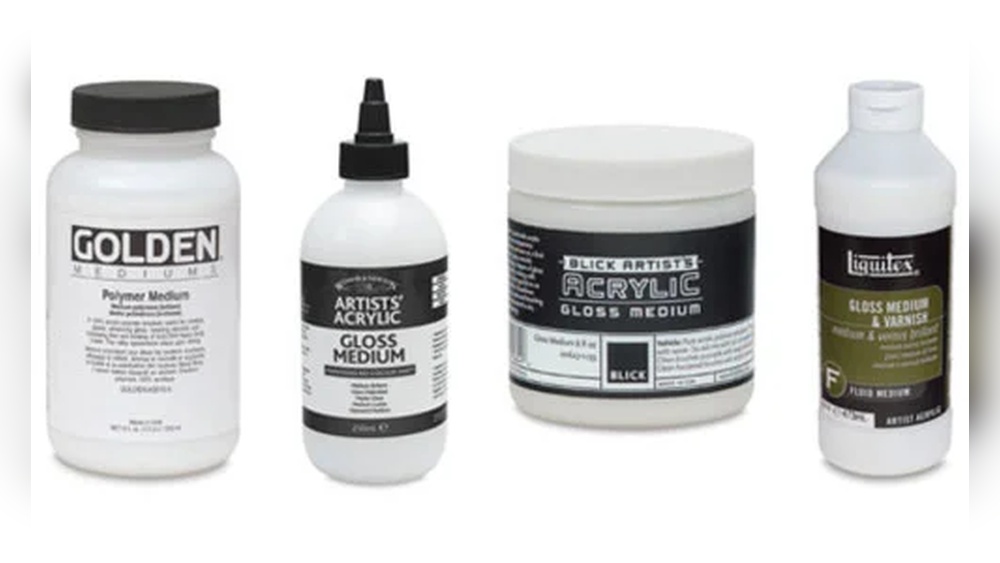
Glossy Mediums
Glossy mediums add shine and brightness to paint. They make colors look rich and vibrant. These mediums create a smooth, glass-like finish. Glossy acrylic paint reflects light well. Use glossy mediums for paintings that need extra glow.
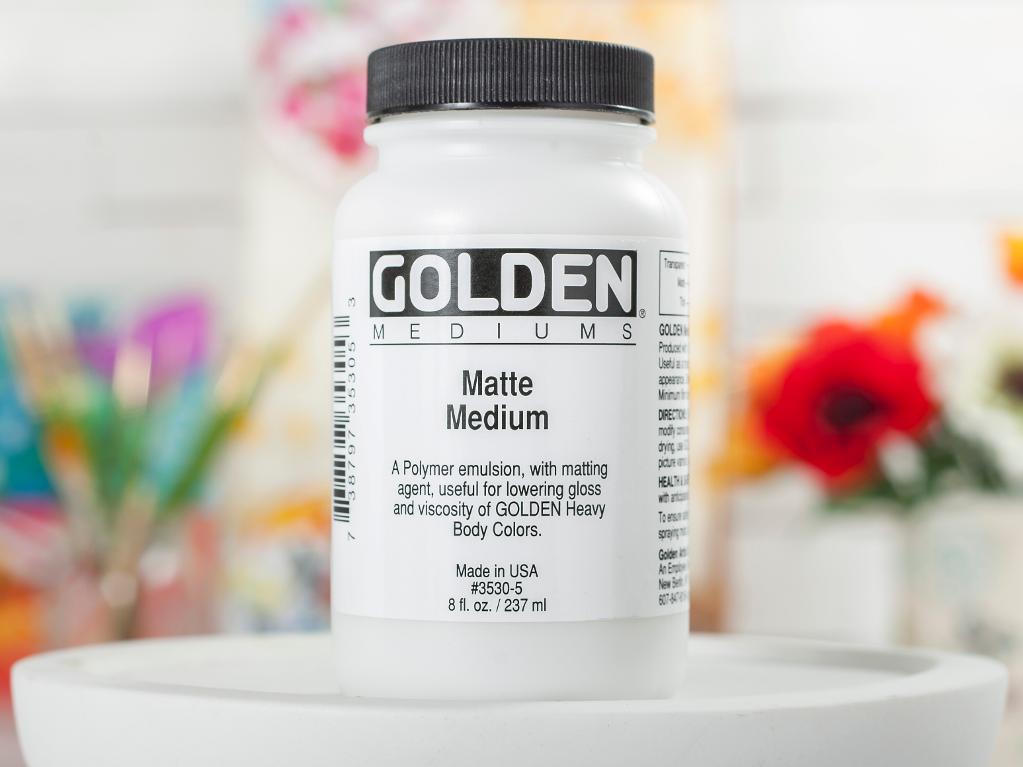
Matte Mediums
Matte mediums remove shine from acrylic paint. They give your work a flat, non-reflective finish. Colors look soft and subtle with matte mediums. These are good for realistic paintings or soft backgrounds. Matte finish helps reduce glare under bright lights.
Satin Mediums
Satin mediums create a finish between glossy and matte. They give paint a soft shine without too much glare. Satin mediums make colors look smooth and natural. This finish is popular for portraits and landscapes. Satin adds a gentle glow to acrylic paintings.
Texture Mediums
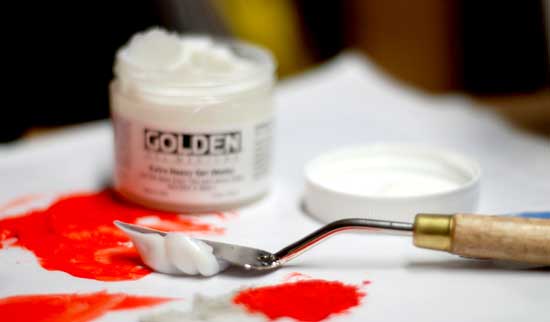
Texture mediums add thickness and dimension to paint. They create raised surfaces and unique patterns. Use texture mediums to build rough or bumpy effects. These mediums help paint stand out from the canvas. Texture mediums are perfect for creative and abstract art.
Credit: willkempartschool.com
Using Acrylic Mediums For Texture
Adding texture to acrylic paintings can bring your artwork to life. Acrylic mediums help create different surfaces and effects. They mix easily with paint and keep your colors vibrant.
Using the right medium gives you control over the texture. You can make thick, rough surfaces or smooth, glossy finishes. Let’s explore some popular acrylic mediums for texture.
Modeling Paste
Modeling paste is thick and dries hard. It creates raised, three-dimensional textures on your canvas. You can shape it with palette knives or brushes. It holds its form well for bold textures.
Once dry, you can paint over it with acrylics. The paste works well for landscapes or abstract art. It adds depth and interest to your work.
Gel Mediums
Gel mediums come in different thicknesses, from soft to heavy. They add body to your paint without changing color. They slow drying time, giving more work time.
Use gel mediums to build layers or create smooth textures. They keep brushstrokes visible or make paint glossy. Mix gel with paint or apply alone for texture effects.
Sand And Fiber Additives
Sand and fiber additives add natural texture to acrylic paint. Sand creates a gritty, rough surface. Fibers add a fibrous, tactile quality to your paint.
Mix these additives with paint or gel. They are great for creating earthy or rustic looks. Your paintings gain a unique, tactile feel with these materials.
Benefits of Using Mediums for Acrylic Paint
Using mediums for acrylic paint offers numerous advantages, such as extending drying time, enhancing texture, and altering the finish of your artwork. These mediums allow artists to experiment with different techniques and achieve desired effects that are not possible with paint alone.
How to Choose the Right Medium for Your Art
Choosing the right medium depends on the effect you want to achieve in your painting. Consider the finish, texture, and drying time you desire. Experiment with different mediums to find the perfect match for your artistic style and project needs.