Quick answer: Great watercolor painting ideas for kids are process-based activities with a little “magic” in them: crayon resist pictures, salt-sprinkled galaxies, tape-resist names, straw-blown monsters, coffee-filter butterflies, rainbow fish and handprint art. Use thick paper or cardstock, washable or kid-safe watercolors, chunky brushes and short projects matched to age, and let children experiment rather than aim for perfect results.
Kids love watercolor because it moves. Colors spread, mix and bloom on their own, which makes every painting feel like an experiment. The trick for adults is picking activities where that unpredictability is the point, so children feel successful instead of frustrated.
Below are watercolor painting ideas for kids organized by age and by the technique they teach, plus setup tips, a supplies list and a few ways to turn finished paintings into cards, bookmarks and decorations.
Set Up for Success
Supplies
- Paper: watercolor paper or heavy cardstock. Printer paper wrinkles and tears when wet, which frustrates kids fast.
- Paint: pan watercolors labeled non-toxic and suitable for children; washable formulas make cleanup easier.
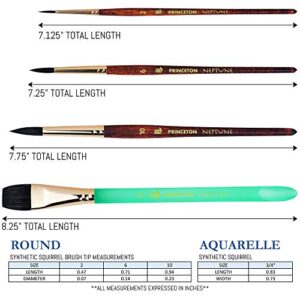
- Brushes: chunky round brushes for small hands, plus one or two smaller ones for older kids.
- Water: a heavy, wide cup that will not tip, and a second cup for older kids who can manage rinse and clean water.
- Extras: white crayons, oil pastels, painter’s tape, table salt, straws, coffee filters, pipettes, bubble wrap.
- Protection: a plastic tablecloth, smocks or old shirts, paper towels.
Many families find a kit with paints, paper and project prompts the easiest way to start. Our guide to the best watercolor ideas kits includes options that suit children.
Workspace tips
- Tape paper to the table so it does not slide or curl.
- Pre-wet pan paints with a few drops of water before kids start.
- Show the “dip, wipe, paint” routine: dip brush in water, wipe on the pan, paint.
- Have a drying spot ready, such as a clothes rack or a clear section of floor.
Brush care in one minute
Teach kids to rinse brushes in water when they finish, gently squeeze the bristles with a paper towel and lay them flat to dry. Brushes left standing bristles-down in a water cup bend permanently, which makes painting harder next time.
Watercolor Painting Ideas for Toddlers and Preschoolers (Ages 2–5)
At this age, the goal is exploring color and cause-and-effect. Projects should be short and open-ended.
1. Color drop exploration
Brush clean water over paper, then let kids touch a loaded brush or a pipette of liquid watercolor onto it. Colors spread and mix. Talk about what new colors appear.
2. Coffee filter butterflies
Kids paint or drip watercolors onto flat coffee filters. When dry, pinch the middle and wrap a pipe cleaner around it for a butterfly. The thin paper soaks up color dramatically.
3. Bubble wrap prints
Paint a piece of bubble wrap with watercolor and press it onto paper. The dotted print can become fish scales, honeycombs or dragon skin.
4. Handprint and footprint art
Brush watercolor directly onto a child’s palm and press onto paper. Turn prints into trees, fish, birds or flowers with a few added strokes. Washable paint is especially helpful here.
5. Painting with ice
Freeze liquid watercolor in an ice cube tray with craft sticks as handles. Kids drag the melting cubes across paper. It is a sensory activity and makes vivid streaks.
Ideas for Early Elementary (Ages 5–8)
Kids this age can follow simple steps and enjoy a “reveal.”
6. Crayon resist secret pictures
Draw with a white crayon on white paper, then paint over it with watercolor. The wax resists paint and the hidden drawing appears. Write secret messages, draw snowflakes or create spider webs.
7. Salt galaxy
Paint a wet sky in purples, blues and pinks, then sprinkle salt while it is still wet. As it dries, the salt draws pigment into starry speckles. Brush off the salt once dry.
8. Tape-resist names
Spell a name in painter’s tape on paper, paint over the whole sheet in bright colors, let it dry and peel off the tape. The letters appear in crisp white.
9. Straw-blown monsters
Drop a puddle of watery paint on paper and blow it around with a straw, making spiky branches. When dry, add googly eyes or drawn eyes and mouths to turn splats into monsters.
10. Rainbow fish
Draw a fish outline with a black crayon or oil pastel, then paint each scale a different color. The crayon line keeps colors separated and gives a stained-glass look.
11. Hot air balloons
Draw balloon shapes with crayon, paint stripes of color, and add tiny baskets and strings. A pale blue sky wash in the background ties it together.
12. Watercolor rainbows
Paint arcs of red, orange, yellow, green, blue and purple next to each other while wet so they gently blend. Cotton-ball clouds can be glued on once dry.
Ideas for Older Kids (Ages 8–12)
Older children enjoy learning actual techniques and making things that look “real.”
13. Sunset silhouettes
Paint a graded sunset wash. When completely dry, paint a black silhouette of palm trees, a city skyline or animals along the bottom. This teaches patience and layering.
14. Ombre leaves
Draw leaves and paint each with two colors that blend inside the shape: green to yellow, or red to orange. Add veins with a fine brush once dry.
15. Watercolor planets
Trace circles with a cup. Paint each planet with wet-on-wet colors, add salt for texture on some, and draw rings with a ruler. Paint a black or dark blue space background around them.
16. Underwater scene
Paint a blue wash that gets darker toward the bottom. When dry, add seaweed with wavy strokes, fish, a jellyfish and bubbles lifted with a damp brush.
17. Watercolor and marker doodles
Paint loose blobs of color, let them dry, then turn each into a creature, plant or object with a black marker. Great for imagination.
18. Simple landscapes
Sky wash, distant hills in pale purple, closer hills in green, and a few trees. Each layer dries before the next, which teaches planning.
19. Botanical bookmarks
Cut watercolor paper into strips, paint simple flowers or leaves, and add a ribbon through a punched hole.
Science-Meets-Art Ideas
20. Color mixing wheels
Paint red, yellow and blue in a circle, then mix and paint the secondary colors between them. A practical lesson in color theory.
21. Chromatography flowers
Draw on coffee filters with washable markers, then drip water on them. The ink separates into its component colors. Shape the dried filters into flowers.
22. Rubbing alcohol bubbles
For older kids with supervision: paint a wet wash and drop rubbing alcohol from a pipette. It pushes pigment away and creates bubble-like circles.
23. Weather paintings
Paint a scene, then use a spray bottle to “rain” on it while wet, or add salt for snow. Talk about the weather being painted.
Classroom and Group Ideas
24. Collaborative mural strips
Give each child a strip of watercolor paper with a painted horizon line already drawn at the same height. Everyone paints sky and land in their own colors, then the strips are taped side by side into a long landscape. The shared horizon makes the mural look unified even with very different styles.
25. Paper quilt
Each child paints a square with a pattern of their choice: stripes, dots, salt texture or a crayon-resist design. Arrange the squares into a grid on a wall for a colorful “quilt” that celebrates every contribution.
26. Self-portrait in shapes
Older children draw a simple self-portrait in crayon or oil pastel, then fill skin, hair and clothes with watercolor washes. The resist outline keeps it readable, and discussions about mixing skin tones make a useful color lesson.
27. Story illustrations
After reading a picture book, ask each child to paint their favorite scene. It connects literacy and art, and watercolor’s soft look suits storybook style.
Liquid Watercolors vs Pan Watercolors for Kids
Pan watercolors are the classic dry cakes in a tray. They are compact, last a long time and teach kids to control water on the brush. Liquid watercolors come in bottles and are very intense; a few drops go a long way. They are excellent for pipette activities, coffee filter projects and ice painting, but they can stain hands and tables more readily. Many teachers keep both: pans for everyday painting and diluted liquid colors in small cups for special projects. Whichever you choose, check that it is labeled non-toxic and suitable for the child’s age.
Displaying and Storing Kids’ Paintings
Watercolor paintings curl as they dry. Once fully dry, place them under a stack of heavy books overnight to flatten. Store finished pieces in a folder or portfolio by date so children can look back and see their progress. Photographing favorites before they are given away or recycled keeps a digital record without filling every drawer.
Seasonal and Holiday Ideas
- Autumn: leaf prints using real leaves pressed onto painted paper
- Winter: crayon-resist snowflakes, salt-texture snowy nights
- Spring: blown-paint cherry blossom trees, coffee filter flowers
- Summer: watermelon slices, beach sunsets, tie-dye-style paper
- Holidays: handmade cards with painted ornaments, hearts or pumpkins
Which Idea for Which Age?
| Idea | Ages | Main skill | Mess level |
|---|---|---|---|
| Color drop exploration | 2–5 | Color mixing | Medium |
| Coffee filter butterflies | 3–8 | Absorption, blending | Low |
| Crayon resist | 4–10 | Resist technique | Low |
| Salt galaxy | 5–12 | Texture, wet-on-wet | Medium |
| Tape-resist names | 5–12 | Masking | Low |
| Straw-blown monsters | 5–10 | Fluid paint control | Medium |
| Sunset silhouettes | 8–12 | Graded wash, layering | Low |
| Underwater scene | 8–12 | Layering, lifting | Low |
| Rubbing alcohol bubbles | 9–12 with supervision | Texture effects | Medium |
Turning Paintings Into Projects
- Cut paintings into shapes for garlands and mobiles.
- Fold cardstock paintings into greeting cards.
- Use painted paper for collage projects.
- Laminate bookmarks for durability.
- Make a family gallery wall with clipboards or string and clothespins.
What Kids Learn From Watercolor
Beyond the fun, watercolor activities build real skills. Controlling a wet brush develops fine motor control and hand-eye coordination. Watching colors mix introduces basic color theory without a lecture. Waiting for layers to dry teaches patience and planning, and accepting a surprising bloom or drip encourages flexible thinking. Talking about paintings afterward, describing colors, shapes and what happened on the paper, also builds vocabulary.
Tips for Parents and Teachers
- Praise the process. Ask what they noticed: “What happened when the colors touched?”
- Demonstrate once, then step back. Let kids explore rather than copy exactly.
- Keep sessions short. Fifteen to thirty minutes suits most younger children.
- Offer a limited palette. Three or four colors reduce muddy results.
- Swap water often. Muddy water makes everything look brown.
- Let paintings dry flat. Lifting wet paper smears paint.
Safety Notes
- Choose paints labeled non-toxic and age-appropriate.
- Supervise salt, rubbing alcohol and small items like googly eyes around young children.
- Keep paint and brushes away from mouths.
- Wash hands after painting, especially after handprint art.
FAQs
What age can kids start using watercolors?
Many toddlers can start around age two with supervision, washable or kid-safe paints and chunky brushes. Older kids can move on to techniques like resist, washes and layering.
What paper is best for kids’ watercolor painting?
Watercolor paper or heavy cardstock. Thin paper buckles and tears when wet, which can frustrate kids.
How do you keep kids’ watercolors from turning brown?
Limit the number of colors, change water often, and let one area dry before painting next to it if kids want distinct colors.
What is the easiest watercolor activity for kids?
Crayon resist is one of the easiest and most rewarding: draw with white crayon, paint over it, and watch the hidden picture appear.
Are watercolors washable from clothes?
Many kids’ watercolors are designed to be washable. Rinse stains in cold water promptly and wash as usual. Check the paint label.
How can I make watercolor painting less messy for kids?
Use heavy cups, a plastic tablecloth, smocks and paper taped to the table. Pre-wet pans so kids do not need to scrub paint.
Final Thoughts
The best kids’ watercolor projects feel like experiments: hidden pictures, salty galaxies and blown-paint monsters keep children curious while they learn how color behaves. If you want a ready-made starting point with paints, paper and prompts, browse our roundup of the top watercolor ideas kits for families and classrooms.