
Acrylic latex paint is a water-based paint with acrylic binders that dry into a flexible finish.
I have worked with paints for years and I will explain what is acrylic latex paint clearly and practically. I will cover composition, types, pros and cons, best uses, safety, buying tips, and hands-on application advice. This guide answers the practical question of what is acrylic latex paint while giving expert tips you can use on your next project.

What is acrylic latex paint?
Acrylic latex paint is a water-based paint. It uses acrylic polymers as the binder and water as the carrier. Pigments give it color and additives tune flow, drying, and adhesion. The result is a paint that dries fast, resists yellowing, and stays flexible over time. Many homeowners and pros choose it for walls, trim, and exteriors when they ask what is acrylic latex paint and need a reliable, easy option.

Key components and how it works
Acrylic latex paint has four main parts:
- Binder — acrylic polymer that forms the film and holds pigment.
- Pigment — the colored particles that provide opacity and hue.
- Carrier — water that keeps the paint fluid until it dries.
- Additives — agents that adjust drying time, mildew resistance, and flow.
How it works:
- The water evaporates after application.
- The acrylic particles fuse into a continuous film.
- Pigment becomes locked into that film.
This mechanism explains why people ask what is acrylic latex paint for long-lasting walls and trims.
Source: spray-net.com
Types and formulations
You will see several common forms of acrylic latex paint:
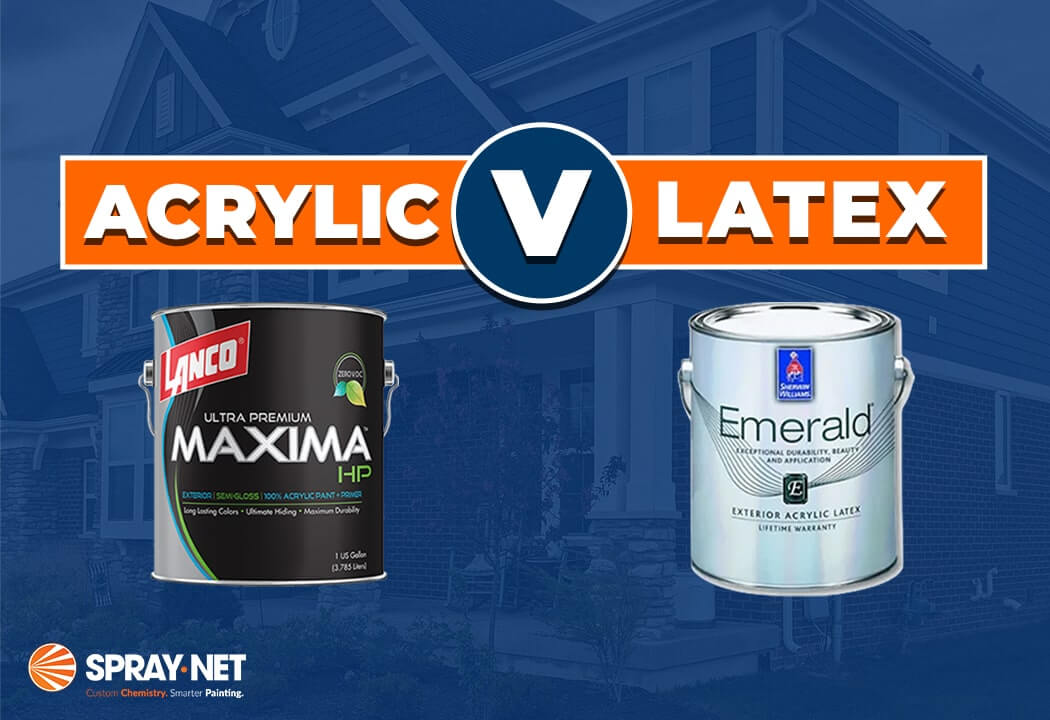
- 100% acrylic latex — highest durability and adhesion.
- Acrylic-latex blend — lower cost, slightly less flexible.
- Interior formulations — focus on low odor and easy cleaning.
- Exterior formulations — include UV and mildew resistance.
- Specialty sheens — flat, eggshell, satin, semi-gloss, gloss.
Choosing the right type answers practical parts of what is acrylic latex paint, like where it performs best and how durable it will be.

Advantages and disadvantages
Advantages:
- Easy clean-up with water.
- Low yellowing over time.
- Good adhesion and flexibility.
- Fast drying and low odor compared with oil-based paints.
Disadvantages:
- Not ideal for very hot, humid spots during application.
- Some cheap blends can have weaker durability.
- May need special primers on glossy or problematic surfaces.
Knowing these pros and cons helps when deciding what is acrylic latex paint for a given job.
Common uses and surfaces
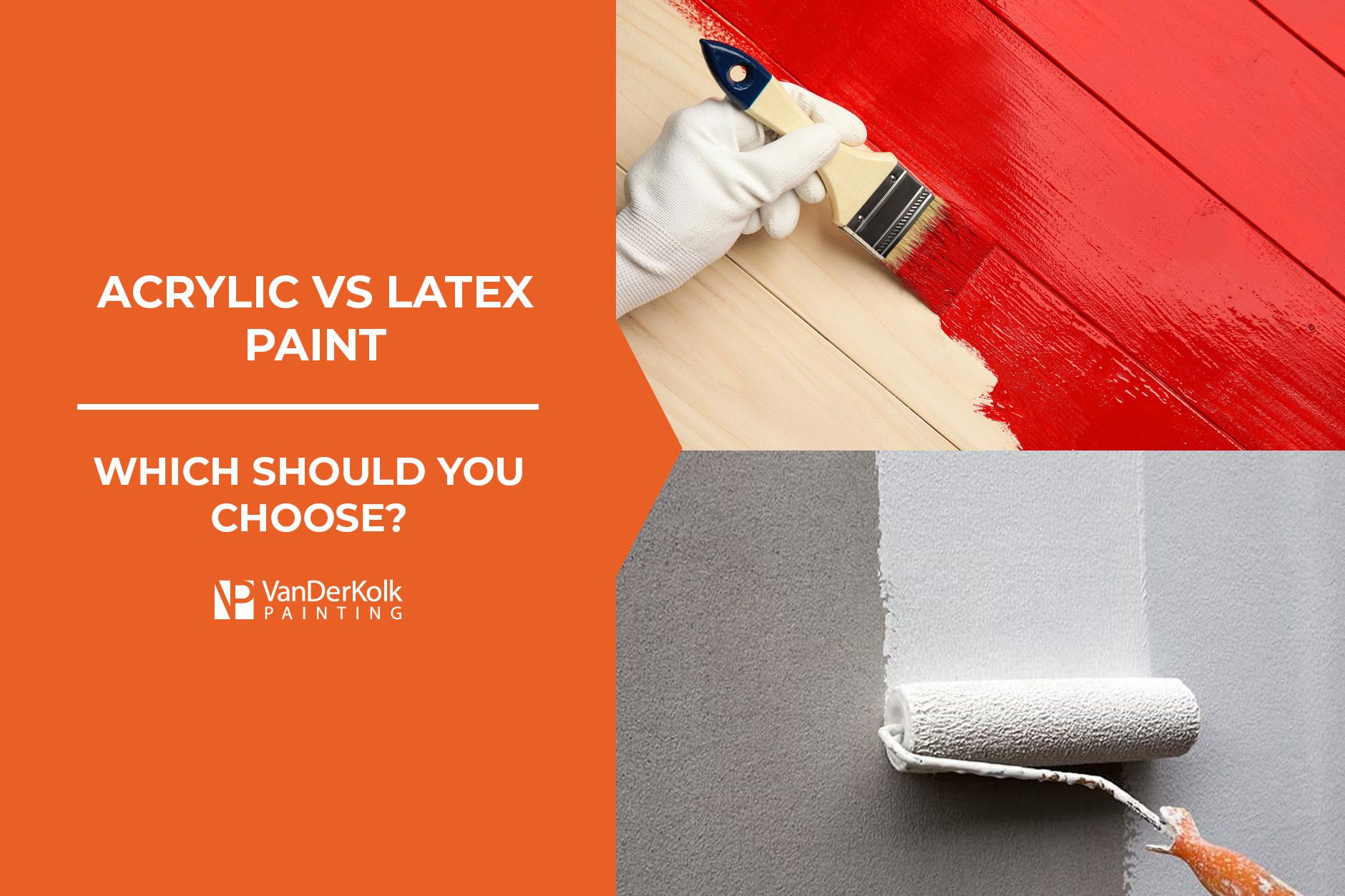
Acrylic latex paint is very versatile. Common uses include:
- Interior walls and ceilings.
- Trim and doors when using higher-sheen formulas.
- Exterior siding, stucco, and masonry.
- Metal and wood with the right primer.
For many jobs, asking what is acrylic latex paint is the first step to matching paint type to surface and climate.
How to choose and buy
Steps to pick the right acrylic latex paint:
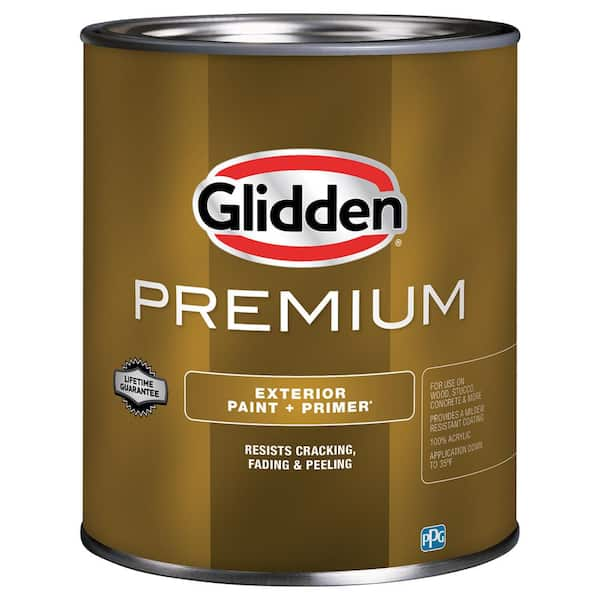
- Check the label for 100% acrylic if you want top durability.
- Pick the right sheen for function — flat for walls, satin or semi-gloss for trim.
- Look for low-VOC options if indoor air quality matters.
- Buy a sample and test on a small area before committing.
These steps simplify the decision when you search what is acrylic latex paint and want the best match for your needs.

Preparation and application tips
Prep and technique matter. Follow these tips:
- Clean surfaces of dirt and grease.
- Sand glossy spots lightly for better bonding.
- Prime bare wood, metal, and patched areas.
- Use quality brushes and rollers for even coverage.
Application tips:
- Stir well; do not shake aggressively.
- Work in mild conditions — avoid extreme heat or dampness.
- Apply thin coats and allow proper dry time between coats.
These practical tips answer how to apply and why people ask what is acrylic latex paint for easy, durable results.
Drying time and coverage
Expect these typical numbers:
- Touch dry in 30 minutes to 1 hour.
- Recoat time usually 2 to 4 hours.
- Coverage about 300–400 square feet per gallon, depending on surface texture and porosity.
Factors that change drying time include temperature, humidity, and thickness of the coat. These facts help you plan when using acrylic latex paint and when you ask what is acrylic latex paint for quick projects.

Maintenance and cleanup
Cleaning and care are simple:
- Wipe spills and dirt with soapy water.
- Touch up chips quickly to stop moisture from getting in.
- Store leftover paint in a cool place with a tight lid.
Disposal:
- Check local rules for water-based paint disposal.
- Small amounts can often be dried and put with household trash per local guidelines.
This makes acrylic latex paint an easy option for DIYers who ask what is acrylic latex paint for low-maintenance surfaces.
Safety, VOCs, and environmental impact
Acrylic latex paint is generally lower in VOCs than oil-based paints. Many modern options meet low-VOC or zero-VOC standards. Still, proper ventilation matters during painting. Use gloves and eye protection if you are sensitive. For large jobs, consider air purifiers or fans to keep indoor air safe. These points answer environmental and health aspects when people wonder what is acrylic latex paint and how safe it is.
My experience and lessons learned
I have painted many homes and rentals. Here is what I learned:
- Always prime problem spots. I once skipped primer and the finish peeled sooner.
- Thin coats beat thick coats. Thick coats look bad and take longer to cure.
- Test color in real light. A small patch saved me from repainting an entire room.
These simple lessons come from hands-on work and help answer real questions about what is acrylic latex paint for projects that last.
Frequently Asked Questions of what is acrylic latex paint
What surfaces does acrylic latex paint work on best?
Acrylic latex paint bonds well to drywall, plaster, wood, masonry, and primed metal. Some glossy surfaces need sanding and primer for proper adhesion.
How long does acrylic latex paint last outdoors?
On average, a good 100% acrylic exterior paint can last 8 to 15 years, depending on sun, moisture, and surface prep. Regular maintenance extends life.
Is acrylic latex paint easy to clean?
Yes. Most stains wipe off with warm, soapy water once the paint cures. Semi-gloss and satin finishes resist dirt better than flat finishes.
Can I use acrylic latex paint over oil-based paint?
You must abrade and prime the oil surface first. A bonding primer helps the acrylic latex paint stick and reduces peeling.
Are acrylic latex paints low in VOCs?
Many modern acrylic latex paints are low-VOC or zero-VOC, but check the product label. Proper ventilation is still recommended during use.
Conclusion
Acrylic latex paint is a reliable, water-based choice for many painting jobs. It blends durability, easy cleanup, and low odor. Use 100% acrylic for the toughest needs, prime where needed, and apply thin coats for best results. Try a small sample first, follow prep steps, and you will save time and money. Ready to start your painting project? Test a sample, pick the right sheen, and share your results or questions below.