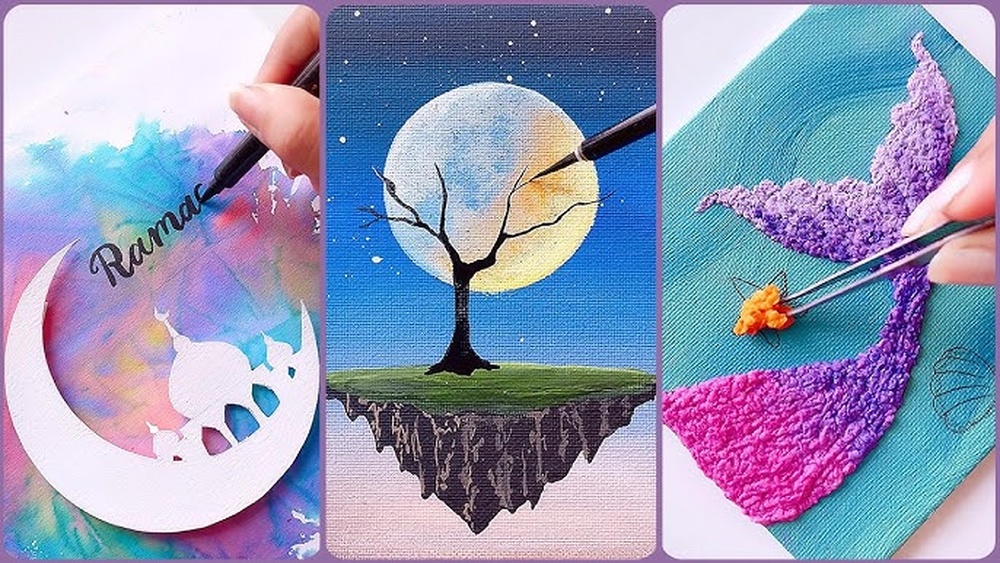
Are you ready to dive into painting but unsure where to start? Choosing the right painting craft can make all the difference in how quickly you enjoy success and build confidence.
Whether you want a fun hobby or a way to express yourself creatively, finding a beginner-friendly painting craft is key. You’ll discover simple, enjoyable painting options designed just for beginners like you. By the end, you’ll know exactly which painting craft fits your style and skill level, making your first strokes feel effortless and rewarding.
Keep reading to unlock the best painting craft for your creative journey!
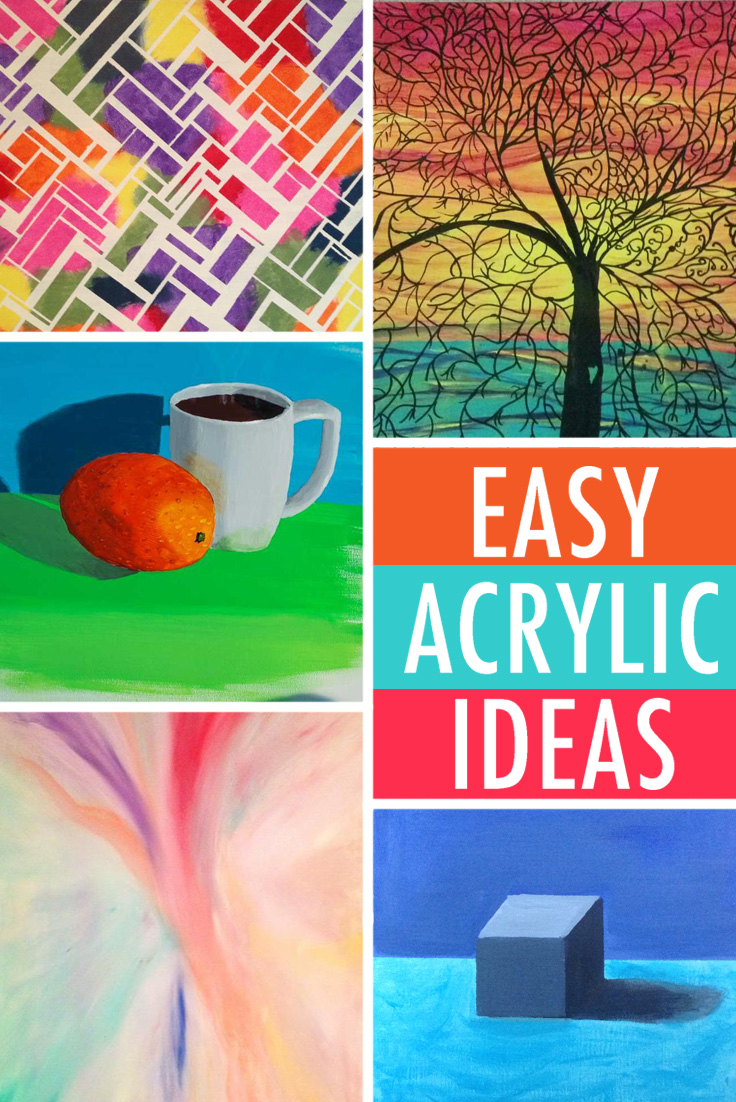
Credit: www.craftsy.com
Easy Painting Styles
Easy painting styles offer a great start for beginners. These styles use simple techniques and materials. They help build confidence and skills quickly. Starting with easy painting styles makes art fun and less stressful.
Acrylic Basics
Acrylic paint dries fast and is easy to use. It works well on many surfaces like paper and canvas. Beginners can mix colors and create bold, bright paintings. Acrylics clean up easily with water. This paint type is perfect for simple projects.
Watercolor Wonders
Watercolors use water to create soft, transparent colors. The paint flows smoothly on paper. It needs less paint and fewer tools. Watercolors teach beginners how to control water and color blending. This style makes gentle and beautiful artworks.
Oil Paint Simplicity
Oil paints dry slowly, giving more time to work. Beginners can fix mistakes and blend colors easily. Oil paint has rich colors and smooth texture. It needs special brushes and solvents. This style suits those who want a classic painting feel.
Tempera For Kids
Tempera paint is safe and non-toxic, ideal for children. It dries quickly and is easy to clean up. Tempera works on paper, cardboard, and wood. It comes in bright colors that appeal to young artists. This paint style is great for simple, fun projects.
Beginner-friendly Techniques
Beginner painters often seek simple techniques to build confidence. These easy methods help create beautiful art without stress. They focus on basic skills and clear steps. Learning these can make painting fun and rewarding.
Below are some beginner-friendly painting techniques. They guide new artists through brushwork, color use, and design aids.
Brush Strokes Made Simple
Start with basic brush strokes. Use short, even movements for control. Practice straight lines and gentle curves. Try different brush sizes to see effects. Keep the brush light on the canvas. This helps avoid heavy paint blobs.
Layering Colors
Apply paint in thin layers. Let each layer dry before adding another. This builds depth and richness in colors. Use lighter shades first, then darker tones. Layering allows corrections without ruining the painting. It also gives a smooth, polished look.
Blending Tips
Blend colors while paint is wet. Use a clean, dry brush or sponge for smooth transitions. Work quickly to mix edges softly. Practice blending two colors to create gradients. Avoid over-blending to keep texture and interest. Blending adds realism and softness to your work.
Using Stencils
Stencils offer easy shapes and patterns. Place the stencil on the canvas and paint over it. Remove the stencil carefully to reveal crisp edges. Use sponges or small brushes for best results. Stencils help create consistent designs. They are perfect for beginners needing guidance.
Popular Painting Crafts
Popular painting crafts offer simple ways for beginners to start creating art. These crafts use easy techniques and come with helpful tools. Beginners can enjoy painting without feeling overwhelmed. Each craft has unique features that suit different interests and skill levels. Here are some popular painting crafts that beginners enjoy.
Paint-by-number Kits
Paint-by-number kits are perfect for beginners. They include a canvas with numbered sections and matching paints. This system guides the painter step-by-step. It helps build confidence and improves color recognition. Kits come in many themes, from animals to landscapes. These kits offer a clear path to complete a beautiful painting.
Canvas Painting Sets
Canvas painting sets provide all tools needed to start painting on canvas. These sets usually include brushes, paints, and a blank canvas. Beginners can explore freehand painting and learn brush techniques. Canvas painting helps develop creativity and hand control. It is a great way to practice and express ideas.
Diy Wall Art
DIY wall art projects let beginners create personalized decorations. These crafts often use simple materials like stencils, tape, and acrylic paints. Wall art can be geometric patterns, quotes, or nature designs. It is easy to customize and fits home decor styles. DIY wall art is fun and rewarding for new painters.
Rock Painting
Rock painting is a popular craft for all ages. It requires only smooth rocks, paint, and brushes. Beginners enjoy painting small designs or patterns on rocks. This craft is portable and great for outdoor creativity. Painted rocks can be gifts or garden decorations. Rock painting builds fine motor skills and artistic confidence.
Choosing Your Supplies
Choosing the right supplies is the first step for beginners in painting crafts. It sets the foundation for your creative journey. Selecting affordable, quality materials helps you practice without stress. The right brushes, paints, and surfaces make painting easier and more fun. Below are key supplies to consider.
Affordable Paint Sets
Start with paint sets that offer good quality at low prices. Acrylic paints are great for beginners because they dry fast and are easy to clean. Many stores sell beginner kits with multiple colors. These kits let you try different shades without buying many tubes. Look for sets that include basic colors like red, blue, yellow, black, and white.
Brush Types For Starters
Choose brushes that feel comfortable in your hand. Synthetic brushes work well with acrylic paints. Get a small set with different shapes: flat, round, and filbert. Flat brushes cover large areas, while round brushes help with details. Avoid buying too many brushes at first. A few good brushes are enough to start.
Canvas And Paper Options
Canvas is popular but can be costly. Beginners may prefer canvas boards or acrylic paper. Canvas boards are firm and cheaper than stretched canvas. Acrylic paper is smooth and designed for acrylic paints. It is easy to store and carry. These surfaces help you practice brush strokes and color mixing.
Essential Tools
Besides paints and brushes, some tools improve your painting experience. A palette or plate is useful for mixing colors. Use a cup of water to rinse brushes between colors. Paper towels or rags help clean brushes and fix mistakes. An easel can hold your canvas steady, but a flat table works fine too.
Setting Up Your Workspace
Setting up your workspace is the first step to a fun painting experience. A neat and well-lit area helps you focus better. It also keeps your materials safe and easy to reach. This section guides you on how to prepare your space for painting craft as a beginner.
Organizing Materials
Gather all your painting supplies in one place. Use containers or trays to hold brushes, paints, and palettes. Keep frequently used items within arm’s reach. Label your containers to find things quickly. Clean your tools after each use to avoid mess.
Lighting Tips
Choose a spot with plenty of natural light. Natural daylight shows true colors of your paints. If natural light is limited, use a bright white lamp. Position the light source to avoid shadows on your work. A well-lit workspace reduces eye strain and improves detail.
Protecting Surfaces
Cover your table or desk with plastic or old newspapers. Use a drop cloth or an old sheet for the floor. Protecting surfaces prevents paint stains and damage. Use a palette or disposable plate for mixing colors. Clean spills immediately to keep your area tidy.
Comfort And Ergonomics
Choose a comfortable chair with good back support. Sit at a table with the right height for painting. Keep your feet flat on the floor for stability. Take breaks to stretch your hands and back. A comfy workspace helps you paint longer without pain.
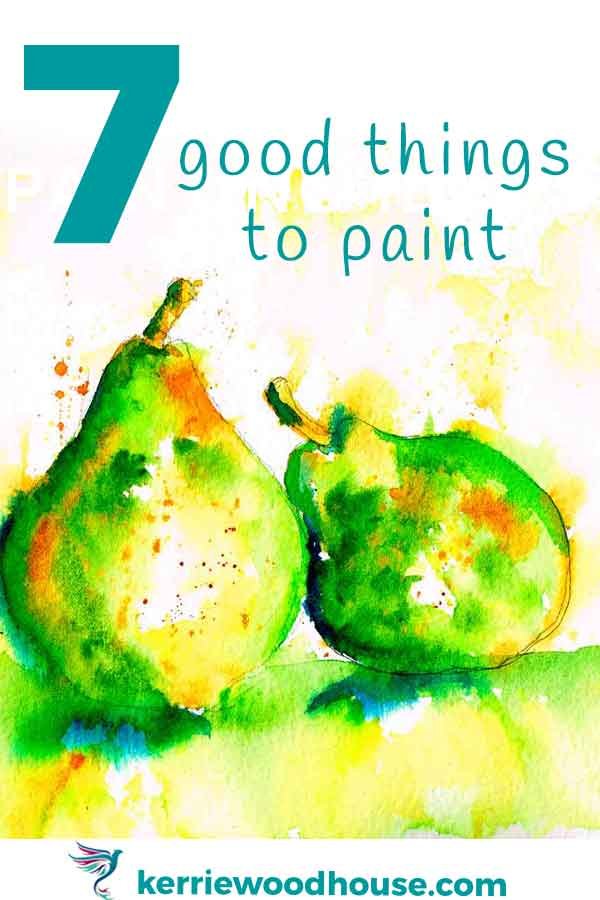
Credit: www.kerriewoodhouse.com
Fun Painting Ideas
Choosing fun painting ideas helps beginners enjoy the learning process. Simple subjects keep the experience light and engaging. Creativity flows best with easy, clear themes. Below are some enjoyable painting ideas to try.
Nature Scenes
Nature scenes offer calming and beautiful subjects. Trees, mountains, and rivers are easy to paint. Use basic shapes and colors to create landscapes. Nature inspires with its variety and peacefulness. Beginners can practice blending and shading with these scenes.
Abstract Art
Abstract art lets you explore colors and shapes freely. No need for perfect lines or details. This style encourages imagination and personal expression. Try mixing colors and creating patterns. Abstract art reduces pressure and increases fun.
Animals And Pets
Painting animals and pets is both fun and rewarding. Start with simple shapes like circles and ovals. Focus on eyes and basic features to bring them to life. Choose favorite animals to stay motivated. This subject helps improve detail work step by step.
Seasonal Themes
Seasonal themes connect painting to the time of year. Paint snowflakes, pumpkins, or flowers depending on the season. These topics keep ideas fresh and timely. Use bright or soft colors to match the mood. Seasonal paintings add a festive touch to art practice.
Common Mistakes To Avoid
Starting a painting craft can be exciting but tricky. Beginners often make simple mistakes that slow their progress or cause frustration. Avoiding these errors helps improve skills and enjoy the process more. Here are some common mistakes to watch out for.
Overloading Brushes
Putting too much paint on your brush makes it hard to control. Thick paint blobs can ruin fine details. Use small amounts of paint and build layers gradually. This method keeps your strokes neat and your painting clean.
Ignoring Drying Times
Not waiting for paint to dry leads to smudges and muddy colors. Patience is key. Let each layer dry fully before adding another. This practice keeps colors bright and prevents unwanted blending.
Skipping Practice
Trying to finish a painting fast without practice leads to mistakes. Spend time practicing brush strokes and mixing colors. Regular practice builds confidence and improves your technique over time.
Using Wrong Materials
Cheap or unsuitable materials cause frustration and poor results. Choose beginner-friendly paints and brushes. Quality supplies are affordable and make painting easier and more enjoyable.

Credit: www.ilovepaintedrocks.com
Finding Inspiration
Finding inspiration is key for beginners in painting crafts. It sparks creativity and builds confidence. Inspiration can come from many places and helps develop your unique style.
Exploring different sources allows you to discover what excites you most. This journey makes painting more enjoyable and rewarding.
Online Tutorials
Online tutorials offer step-by-step guides for beginners. Videos and articles explain techniques clearly. You can pause and practice at your own pace. Many tutorials focus on easy projects to build skills quickly. This method fits well for self-learners and those with busy schedules.
Local Art Classes
Local art classes provide hands-on learning with instructors. They offer immediate feedback and personal guidance. Classes often create a supportive community for sharing ideas. Beginners gain motivation by seeing others’ progress. This environment encourages practice and growth.
Painting Groups
Joining painting groups connects you with fellow beginners and artists. Group sessions inspire through shared creativity and feedback. They offer chances to exchange tips and try new styles. Painting groups build friendships and keep you motivated. Regular meetings help maintain a steady painting habit.
Art Challenges
Art challenges push you to paint regularly and try new themes. They encourage creativity within set limits. Challenges can be daily, weekly, or monthly. Participating helps build discipline and improve skills. Sharing your work in challenges brings encouragement and fresh ideas.
Building Confidence
Building confidence is key when starting any painting craft. It helps you enjoy the process and improve quickly. Gaining confidence lets you try new techniques without fear. This section explores ways to build your painting confidence step by step.
Daily Practice
Practice a little every day to improve skills fast. Short, regular sessions keep your mind fresh and focused. Daily painting builds muscle memory and sharpens your eye. Over time, you will notice steady progress and feel more sure.
Sharing Your Work
Show your paintings to friends or online groups. Sharing helps you feel proud and get support. Positive feedback boosts your motivation to keep creating. It also connects you with others who enjoy painting too.
Learning From Feedback
Listen carefully to advice from teachers or peers. Feedback points out what works and what needs change. Use it to fix mistakes and try new methods. Learning from others speeds up your growth as an artist.
Setting Small Goals
Break big painting projects into smaller, easy tasks. Achieving these small goals gives a sense of success. It keeps you motivated and reduces frustration. Step-by-step progress builds confidence naturally over time.
Frequently Asked Questions
What Is The Easiest Thing To Paint As A Beginner?
Simple subjects like fruit, flowers, or basic shapes make the easiest paintings for beginners. Paint-by-number kits also help.
Which Type Of Painting Is Best For Beginners?
Acrylic painting suits beginners due to quick drying time and ease of use. Watercolors also offer simple, affordable options. Paint-by-number kits help build skills with guided steps. Choose based on your interest and practice regularly to improve.
What Is The 80/20 Rule In Painting?
The 80/20 rule in painting means 80% of the effect comes from 20% of the effort or materials. It focuses on key elements.
Is Acrylic Or Watercolor Easier?
Acrylic is easier for beginners due to faster drying and forgiving blending. Watercolor requires more control and planning.
Conclusion
Choosing the right painting craft makes starting easier and more fun. Simple crafts like paint-by-numbers help beginners build confidence fast. These projects need few tools and show clear results. Trying different styles helps find what suits your taste best. Enjoy the process, not just the final painting.
Practice regularly to improve your skills step by step. Remember, every artist began with small, simple projects. Begin today and watch your creativity grow with each brushstroke.