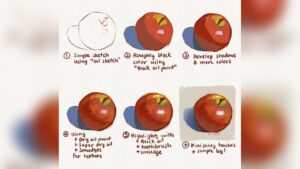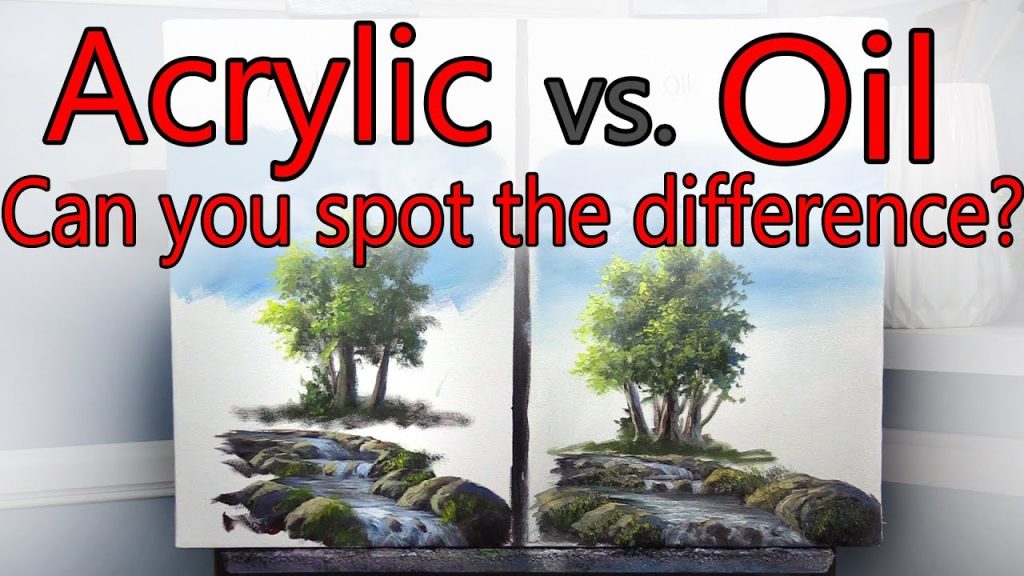
Oil paint dries slowly and blends richly; acrylic dries fast and is water-based.
If you’ve ever asked what’s the difference between oil paint and acrylic, you’re in the right studio. I’ve painted with both in classrooms, client work, and long-term projects. In this guide, I break down the science, the feel, and the practical steps, so you can choose with confidence and avoid costly mistakes.

The core differences at a glance
At the heart of what’s the difference between oil paint and acrylic is the binder and solvent. Oil paint uses drying oils to bind pigment and relies on solvents for thinning. Acrylic uses an acrylic polymer emulsion and water for thinning and cleanup. That single change shapes drying time, blending, finish, safety, and long-term care.
Key contrasts you will feel right away:
- Binder and solvent: oil with solvents, acrylic with water
- Drying time: oil slow and flexible, acrylic fast and stable
- Blending: oil excels in wet blending, acrylic excels in layering
- Finish: oil rich and glossy, acrylic varies from matte to gloss
- Cleanup: oil needs solvent, acrylic cleans with soap and water
- Odor and safety: oil needs ventilation, acrylic is low odor
In practice, what’s the difference between oil paint and acrylic shows up in your daily workflow. It changes how you plan layers, how long you wait, and how you protect the final piece.
Drying time and workflow
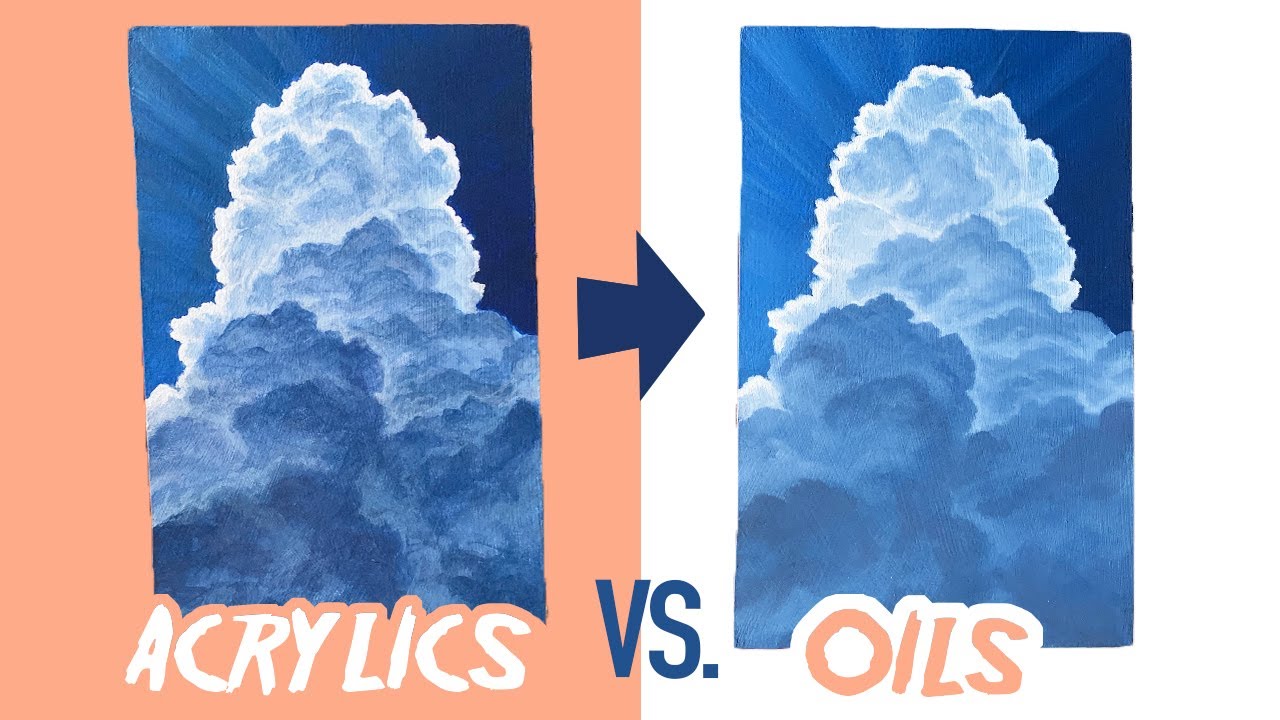
If you want to feel what’s the difference between oil paint and acrylic, start a timed test. Acrylic can be touch-dry within minutes. Oils may take days to lose tack and weeks to cure. This affects pace, blending windows, and how you schedule sessions.
Practical notes from the studio:
- Oils: ideal for long blends and soft edges. You can return to a passage the next day and still move paint.
- Acrylics: ideal for fast layers and crisp shapes. Use a misting bottle or a retarder medium to keep paint open longer.
- Temperature and humidity shift both mediums. Warm, dry air speeds acrylic even more. Cool rooms slow oils slightly.
What’s the difference between oil paint and acrylic also affects glazing. Acrylics allow rapid glaze stacking in one sitting. Oils demand patience, or an alkyd medium to speed things up.
Color, finish, and lightfastness
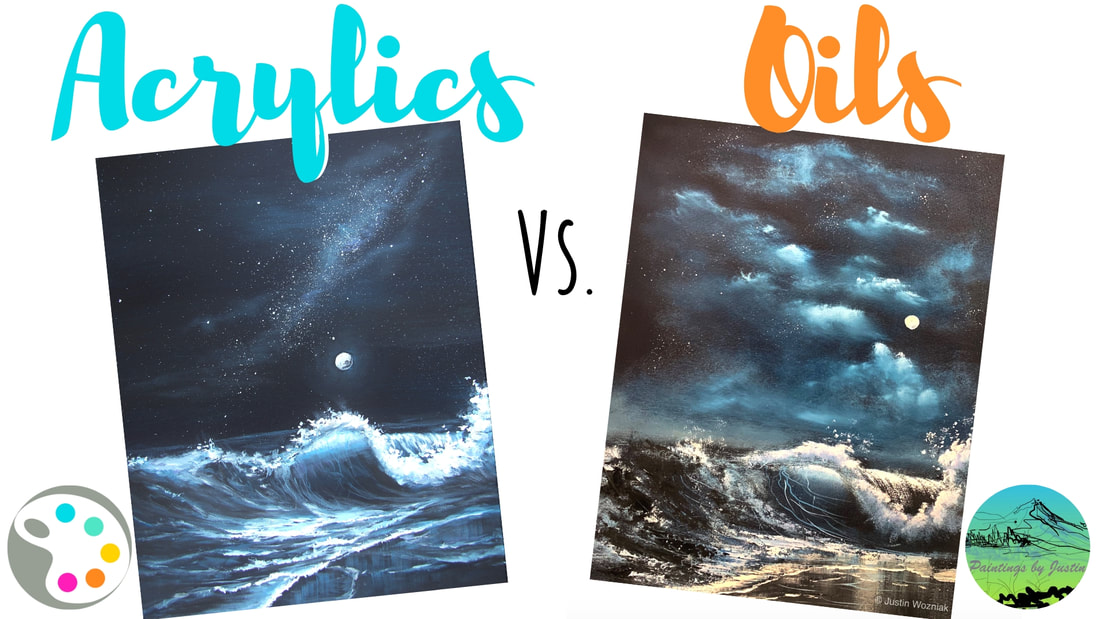
Color is where what’s the difference between oil paint and acrylic becomes visible. Oils often look deeper because oil refracts light within the paint film. Acrylics dry a touch darker and can look more matte without a gloss medium.
What to expect as you build color:
- Saturation: oils hold saturation in thick passages. Acrylics shine in thin, even layers and modern pigment loads are excellent.
- Finish control: acrylics let you pick matte, satin, or gloss mediums. Oils trend glossy unless cut with a matte painting medium.
- Lightfastness: check the label ratings. Many modern pigments in both lines are highly lightfast when used properly and protected from UV.
I always remind students that what’s the difference between oil paint and acrylic includes surface sheen. A unified final varnish often solves sheen mismatch across a painting.

Surface, preparation, and layering rules
What’s the difference between oil paint and acrylic shows up in surface prep. Acrylic sticks to many grounds, including acrylic gesso, canvas, wood panels, and paper. Oil must go on a sealed and sized surface to prevent oil from leaching into fibers.
My setup checklist:
- For acrylic: acrylic gesso on canvas or panel. Sand lightly for smooth passages.
- For oil: size raw canvas first, then prime with oil or acrylic gesso. Avoid raw, unsealed surfaces.
- Layering: follow fat over lean with oils. Each upper layer should have slightly more oil or medium so it does not crack later.
- Mixed media: it is safe to paint oil over acrylic underlayers. Do not paint acrylic on top of oils.
When students ask what’s the difference between oil paint and acrylic in layering, I stress this: oils demand a simple rule, fat over lean. Acrylics are more forgiving but still need proper priming.
Techniques and effects you can expect
Techniques highlight what’s the difference between oil paint and acrylic in daily use. Oils favor slow blends, luminous glazes, and subtle transitions. Acrylics favor crisp edges, fast glazes, and bold texture.
Try these paths:
- For oils: wet-in-wet blending, scumbling with soft brushes, transparent glazing with stand oil or alkyd, lush impasto with knives.
- For acrylics: rapid glazing, dry-brush textures, palette knife blocks, pouring with acrylic mediums, crisp masking for graphic edges.
- Edge control: oils make soft, smoky edges easy. Acrylics need glazing or soft synthetic brushes for similar effects.
- Corrections: acrylics allow quick fixes and overpainting. Oils need tack-free time or scraping before repainting.
If you keep asking what’s the difference between oil paint and acrylic while testing, log how each medium handles edges and transitions. Your notes will guide your medium choice.

Durability, aging, and conservation insights
Over years, what’s the difference between oil paint and acrylic becomes even clearer. Oil films can yellow slightly as oils oxidize. Acrylic films resist yellowing but can attract dust due to static and a softer surface when cold.
Care notes I share with collectors:
- Oils: avoid extreme temperature swings to reduce cracking risk. Flexible supports reduce stress.
- Acrylics: avoid freezing conditions and harsh cleaners. Dust gently and varnish with appropriate products.
- Varnish: both benefit from a removable final varnish once fully cured. Use the right system for each medium.
Conservation studies show that proper ground, layering, and varnish matter more than brand. But yes, what’s the difference between oil paint and acrylic still affects long-term color and film behavior.

Health, safety, and cleanup
Safety is another lens on what’s the difference between oil paint and acrylic. Oils often require solvents for cleanup. Acrylics clean with soap and water and are low odor.
Studio safety tips:
- Ventilation: use good airflow for oils, and even with low-odor solvents. Keep rags in a metal container with a lid.
- Pigments: both can contain heavy metals. Read labels. Avoid spraying or sanding dry paint. Wear gloves if needed.
- Waste: never pour solvents or acrylic rinse water down drains. Collect and dispose of waste per local rules.
I’ve switched many workshops to solvent-free oil workflows using water-mixable oils or safflower-based cleanup. It keeps the room safe and calm while preserving oil handling.

Cost, accessibility, and setup
When budget matters, what’s the difference between oil paint and acrylic can shape your kit. Acrylics are affordable to start, dry fast, and need fewer extras. Oils can cost more and need mediums, rags, and a safe storage plan.
Buying tips:
- Start with artist-grade primaries and white. Pigment load gives better coverage and mixing.
- Acrylic essentials: water spray bottle, slow-dry medium, gesso, synthetic brushes.
- Oil essentials: solvent or solvent-free medium, rags and safety can, proper ground, natural or synthetic brushes.
- Surfaces: panels for smooth detail, canvas for texture, paper for studies.
If you wonder again what’s the difference between oil paint and acrylic for beginners, acrylics often win for speed and low setup. Oils win when you crave long blends and depth.

How to choose: a simple decision guide
Use this quick map if you still ask what’s the difference between oil paint and acrylic and which to pick today.
Choose acrylic if:
- You need fast drying and quick layers
- You paint in small spaces or shared rooms
- You like mixed media, collage, and crisp graphics
Choose oil if:
- You want luxurious blends and luminous glazing
- You can allow longer drying and cure times
- You enjoy classic textures and rich, glossy finishes
For many artists, the best answer to what’s the difference between oil paint and acrylic is to use both. Block in with acrylic. Finish with oils on top, following proper prep rules.
Practical studio tips and mistakes to avoid
Here is where what’s the difference between oil paint and acrylic becomes muscle memory. I learned these the hard way.
Tips that save time:
- Keep a swatch sheet to track color shift as acrylics dry.
- For oils, mix a little medium into upper layers to stay fat over lean.
- Use a stay-wet palette for acrylics or a sealed palette for oils.
Mistakes to avoid:
- Do not paint acrylic over oils. It will not bond well.
- Do not rush oil curing before varnishing. Wait the recommended time.
- Do not skip priming. Sound ground equals stable paint film.
The more you test, the less you’ll ask what’s the difference between oil paint and acrylic. Your hands will tell you.
Frequently Asked Questions of what's the difference between oil paint and acrylic
Is one better for beginners?
Acrylic is easier for beginners because it dries fast and cleans with water. Oil is great too, but it needs more planning and safe handling.
Can I mix oils and acrylics together?
Do not mix them wet. You can paint oil over dry acrylic, but not acrylic over oil.
Which lasts longer over time?
Both can last for decades with proper prep and varnish. Oils may yellow a bit, while acrylics resist yellowing but can collect dust.
Are acrylics always matte and oils always glossy?
No. Acrylics can be matte, satin, or gloss with the right medium. Oils are often glossy but can be adjusted with a matte medium or varnish.
What about drying time hacks?
Use a retarder or stay-wet palette for acrylics. For oils, use alkyd mediums to speed drying without losing too much handling quality.
Do I need special brushes for each medium?
Use synthetic brushes for acrylics because they handle water well. For oils, use natural bristle or firm synthetics that push thicker paint.
Conclusion
Oil and acrylic each offer a distinct path to strong paintings. Now that you know what’s the difference between oil paint and acrylic in drying time, color, safety, and care, pick the one that fits your pace and space. Test both this week with the same subject and compare edges, blends, and finish.
Ready to go deeper? Explore more guides, subscribe for hands-on tutorials, and drop your questions so I can tailor the next lesson to your studio.