
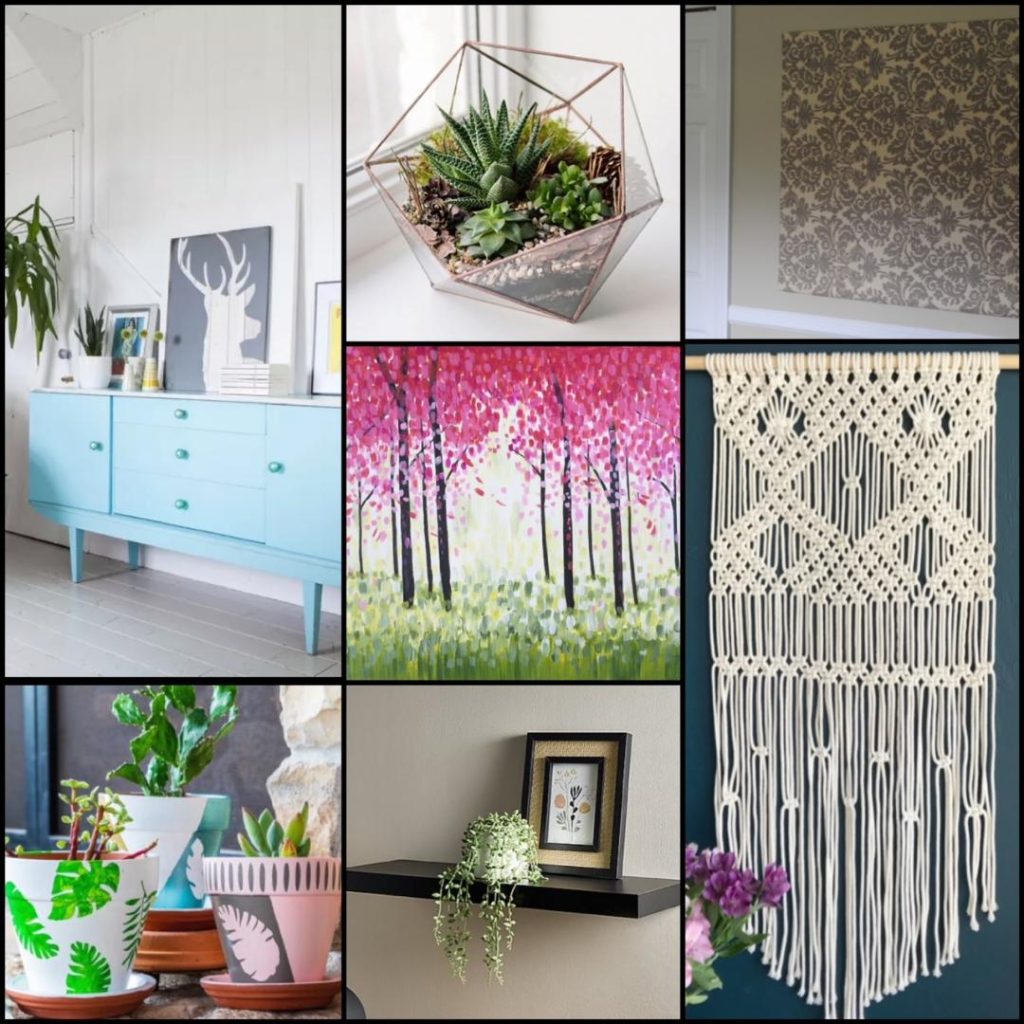
“DIY” gets attached to everything from rebuilding a deck to decorating a mug, so it helps to pin down what the term actually means before choosing a project. This guide explains what DIY projects are, the main categories, why people take them on, and how to plan a painting or craft project you can finish successfully, with a focus on creative and decorative work rather than home renovation.
Quick answer: A DIY project (“do it yourself”) is any task you complete on your own instead of hiring a professional or buying a finished product. DIY projects range from crafts and art, such as painted mugs, wooden signs, canvas art and upcycled jars, to home decor, repairs and woodworking. Creative DIY painting projects are a popular starting point because they need few tools, cost little and teach skills like surface prep, layering and sealing.
What Does DIY Mean?
DIY stands for “do it yourself.” It describes making, modifying, decorating or repairing something with your own hands rather than paying someone else. The phrase grew popular in the twentieth century alongside home improvement culture, and it now covers a huge range of activities, from sewing and baking to painting and electronics.
At its core, a DIY project has three features:
- You do the work. You may follow a tutorial or use a kit, but the making is yours.
- It has a defined result. A finished object, a repaired item or a decorated surface.
- It involves learning. Most DIY projects build a skill, even if it is a small one.
Types of DIY Projects
| Category | Examples | Typical tools | Beginner friendly? |
|---|---|---|---|
| Art and painting | Canvas art, splatter paintings, painted rocks, watercolor cards | Paints, brushes, surfaces | Very |
| Crafts | Painted mugs, decorated jars, wooden signs, tote bags | Craft paint, sealers, stencils | Very |
| Home decor | Upcycled frames, painted planters, wall art, accent pieces | Sandpaper, primer, paint | Yes |
| Upcycling | Repainting thrifted furniture, transforming bottles into vases | Cleaners, primer, paint, sealer | Mostly |
| Sewing and textiles | Pillows, fabric painting, embroidery | Needle, thread, fabric paint | Yes |
| Woodworking | Shelves, boxes, cutting boards | Saws, drills, clamps | Some skill needed |
| Home repairs | Patching walls, fixing faucets | Hand tools | Varies; some need professionals |
This guide focuses on the creative side, art, crafts and decor, where the main material is paint. If you are deciding which paint suits a craft, our guide to the best paint for DIY projects like custom mugs and decor compares options by surface and durability.
Why People Do DIY Projects
Personalization
A painted mug with a family joke or a sign with your house name cannot be bought off a shelf. DIY lets you make exactly what you want.
Cost savings
Many decorative projects cost a fraction of their store-bought equivalents, especially when you reuse jars, frames or thrifted items.
Creativity and relaxation
Many people find hands-on making calming and absorbing. Painting projects in particular give quick, visible progress.
Skill building
Each project teaches transferable skills: surface prep, color mixing, brush control, stenciling, sealing. Those skills compound over time.
Sustainability
Upcycling gives old items a second life and keeps them out of landfills.
Gifting
Handmade gifts are personal and often more memorable than purchased ones.
Popular DIY Painting Projects to Start With
- Splatter paint art: Flick diluted acrylic onto canvas for energetic abstract pieces. Our tutorial on doing a DIY splatter paint art project walks through setup and technique.
- Custom mugs: Decorate ceramic mugs with paint pens or ceramic paints, keeping designs below the rim.
- Painted rocks: Smooth river stones with simple designs, sealed for outdoor display.
- Wooden signs: Stenciled or hand-lettered signs on sanded pine boards.
- Glass jar vases: Painted or frosted jars for flowers and candles.
- Canvas wall art: Abstract color blocks, landscapes or textured pieces.
- Painted planters: Terracotta pots with patterns or faces, sealed inside and out.
- Fabric tote bags: Fabric paint designs, heat-set for washing.
- Upcycled frames: Thrifted frames repainted in bold colors or distressed finishes.
- Seasonal decor: Painted wooden ornaments, pumpkins or holiday signs.
How to Plan a DIY Project Step by Step
1. Choose a realistic first project
Pick something small that can be finished in one or two sessions. Completing a project builds confidence and teaches you the full process from prep to finish.
2. Gather inspiration and a reference
Collect a few images of the look you want. Decide on colors before buying anything; a limited palette of three or four colors looks more cohesive.
3. Identify your surface
The surface determines the paint, prep and sealer. Wood, glass, ceramic, fabric, metal and canvas all behave differently.
4. Make a materials list
List paints, brushes, prep materials (sandpaper, rubbing alcohol, primer), tools (tape, stencils) and finishing products (sealer, varnish). Check what you already have.
5. Prepare the workspace
Cover surfaces, ensure good lighting and ventilation, and set up a drying spot. Keep paper towels and water nearby.
6. Prep the surface
Clean, sand and prime as needed. This step affects durability more than any other.
7. Paint in thin layers
Apply two or three thin coats, letting each dry. Add details last.
8. Seal and cure
Finish with a sealer suitable for the surface and how the item will be used. Allow full curing time before heavy use.
9. Reflect and record
Note what worked and what you would change. These notes make your next project faster.
Choosing Paint for DIY Projects
| Surface | Paint type | Finish/seal |
|---|---|---|
| Wood | Acrylic craft paint, chalk-style paint | Water-based polyurethane or acrylic varnish |
| Canvas | Acrylic | Acrylic varnish |
| Glass | Glass or enamel paint | Heat-cure if label directs |
| Ceramic | Ceramic/porcelain paint, paint pens | Oven cure per label |
| Fabric | Fabric paint or acrylic + textile medium | Heat-set with iron |
| Rocks/terracotta | Acrylic, paint pens | Outdoor clear sealer |
| Metal | Enamel or metal paint over primer | Clear enamel if needed |
Food-contact items deserve extra care: many decorative paints are not rated as food-safe, so keep paint off rims and food surfaces unless the label clearly says otherwise.
Essential DIY Painting Tool Kit
- A set of synthetic brushes: wide flat, medium flat, small round, liner
- Foam brushes for smooth base coats
- Painter’s tape and a few stencils
- Sandpaper in medium (around 120 grit) and fine (around 220 grit)
- Rubbing alcohol and lint-free cloths for cleaning surfaces
- Primer or gesso
- A basic set of acrylic craft paints in primary colors, black and white
- Clear sealer suited to your projects (indoor or outdoor)
- Palette or disposable plates, water cups, paper towels
- Drop cloth or old newspaper
DIY Project Ideas by Skill Level
Beginner
Painted rocks, simple canvas abstracts, polka-dot mugs, splatter art, stenciled tote bags. These need minimal prep and forgive mistakes.
Intermediate
Hand-lettered wooden signs, distressed frames, painted glass with outlines, ombre planters. These introduce lettering, layering and specialty paints.
Advanced
Upcycled furniture with multiple techniques, detailed portraits on canvas, faux finishes like marble or wood grain, gold leaf accents.
Common DIY Mistakes and How to Avoid Them
Skipping surface prep
Paint peels and scratches when surfaces are dirty, glossy or unprimed. Clean, sand and prime.
Using the wrong paint
General craft acrylic on glass or fabric without additives will not hold up. Match paint to the surface.
Applying thick coats
Thick paint drips, cracks and takes longer to cure. Thin coats always.
Rushing drying times
Handling too soon leaves fingerprints and smudges. Respect drying and curing times on the label.
Forgetting to seal
Unsealed paint wears off quickly on items that are handled or kept outdoors.
Starting too big
Large projects can stall. Build skills on small pieces first.
Example Project Walkthrough: A Stenciled Wooden Sign
To see how the planning steps come together, here is how a typical beginner sign project unfolds.
- Surface: A small pine board, around 8 x 18 inches, sanded with 120 then 220 grit and wiped free of dust.
- Base coat: Two thin coats of a cream or soft gray acrylic, with a light sanding after the first coat to knock down raised grain.
- Layout: Center the stencil using a ruler and tape it down firmly.
- Seal the stencil edge: Dab a thin layer of the base color over the stencil openings so any bleed matches the background. Let it dry.
- Lettering: Dab the lettering color with a stencil brush or sponge using an up-and-down motion, building two light layers.
- Reveal: Peel the stencil while the final layer is slightly tacky and touch up any bleeds with a small brush.
- Distress (optional): Lightly sand edges and corners to reveal bare wood for a rustic look.
- Seal: Brush on two or three thin coats of water-based clear finish, letting each dry.
- Hang: Add a sawtooth hanger or a rope threaded through drilled holes.
The project takes an afternoon of active work spread over a day for drying, and it teaches sanding, base coats, stenciling and sealing, which are skills you will use in almost every other painting project.
DIY Kits vs Sourcing Your Own Materials
Kits bundle surfaces, paints, brushes and instructions, which removes guesswork for beginners and makes great gifts. Sourcing your own materials costs more up front but gives more control over quality and design, and the supplies carry over into future projects. A common path is to start with a kit or two, learn which tools you actually use, and then build a personal supply collection around those.
DIY vs Store-Bought: When Each Makes Sense
DIY is ideal when you want something personal, enjoy the process or can reuse materials. Store-bought makes sense when durability standards matter (for example, food-safe dishware for daily use), when you lack time, or when a project requires specialized tools you would only use once. Many people combine both: buying plain blanks like mugs, totes and wooden shapes, then decorating them.
Safety Basics for DIY Painting
- Work in a ventilated area, especially with sprays, enamels and solvent-based products.
- Read labels for safety warnings and curing instructions.
- Keep products away from children and pets unless labeled non-toxic and child-safe.
- Wear gloves and a mask when sanding old painted items, since older paint may contain lead.
- Dispose of solvents and paint waste according to local guidelines, never down storm drains.
Budgeting a DIY Painting Project
Most small creative projects cost far less than buying finished decor, but costs can creep up when every project calls for new supplies. A few habits keep spending under control:
- Buy a core set first. Primary colors plus black and white can mix most shades, so you rarely need large color sets.
- Reuse surfaces. Jars, bottles, thrifted frames, scrap wood and old ceramic pots are free or cheap canvases.
- Invest in prep and sealing products. Primer and a good sealer protect the time you put into the project, and one container lasts through many pieces.
- Look after brushes. Washing brushes promptly after every session makes even inexpensive ones last for many projects.
- Plan before you shop. A materials list based on your surface and design avoids impulse buys you will not use.
Turning DIY Projects Into a Regular Habit
Many people start with one weekend project and find they want more. Setting aside a regular time, keeping supplies organized in a single box or caddy, and following a seasonal theme, such as painted pumpkins in fall or ornaments in winter, makes it easy to keep going. Photographing each finished piece builds a record of your progress that is surprisingly motivating to look back on.
FAQs
What is a DIY project?
A DIY project is any task you complete yourself instead of hiring a professional or buying a finished item, such as painting, crafting, decorating or repairing something.
What does DIY stand for?
DIY stands for “do it yourself.”
What are easy DIY projects for beginners?
Painted rocks, splatter paint canvases, decorated mugs, stenciled tote bags and painted terracotta pots are easy, inexpensive starting points.
What paint is best for DIY projects?
Acrylic craft paint works for most surfaces like wood, canvas and rocks. Use fabric paint for textiles and glass or ceramic paints for those surfaces.
Do DIY painting projects need to be sealed?
Items that are handled, washed or kept outdoors should be sealed. Indoor decorative art may not need sealing but benefits from varnish for protection.
Are DIY projects cheaper than buying?
Often, especially decorative and upcycling projects. Costs rise if you need many new tools, so start with projects that use basic supplies.
Final Thoughts
A DIY project is simply something you make or improve yourself, and creative painting projects are one of the easiest and most rewarding ways to start. Choose a small piece, match the paint to the surface, prep carefully and seal it well. When you are ready to stock up, our comparison of paints suited to mugs, signs and other DIY crafts will help you choose with confidence.





One Comment