Use mineral spirits, odorless mineral spirits, or paint thinner; avoid water.
If you want a clear, expert answer to what to clean oil based paint brushes with, you’re in the right place. I’ve cleaned hundreds of brushes on jobs and in studios. In this guide, I’ll show you what works, why it works, and how to do it fast and safely. You’ll leave with a simple plan, smarter solvent choices, and longer-lasting brushes.

The basics: the best solvents that actually work
If you’re wondering what to clean oil based paint brushes with, start with the right solvent. Oil paint does not dissolve in water. It needs a petroleum or plant-based solvent to break the bond.
The top options used by pros:
- Mineral spirits Works fast, low residue, and affordable. Good all-around cleaner.
- Odorless mineral spirits A refined version with less smell and fewer fumes. It’s gentler on lungs.
- Paint thinner A general term. It often behaves like mineral spirits. Check the label.
- Turpentine Very strong and fast. Strong odor and higher fumes. Best used with top ventilation.
- Citrus-based solvents Plant-derived and effective. Slower, but smell better. Still flammable.
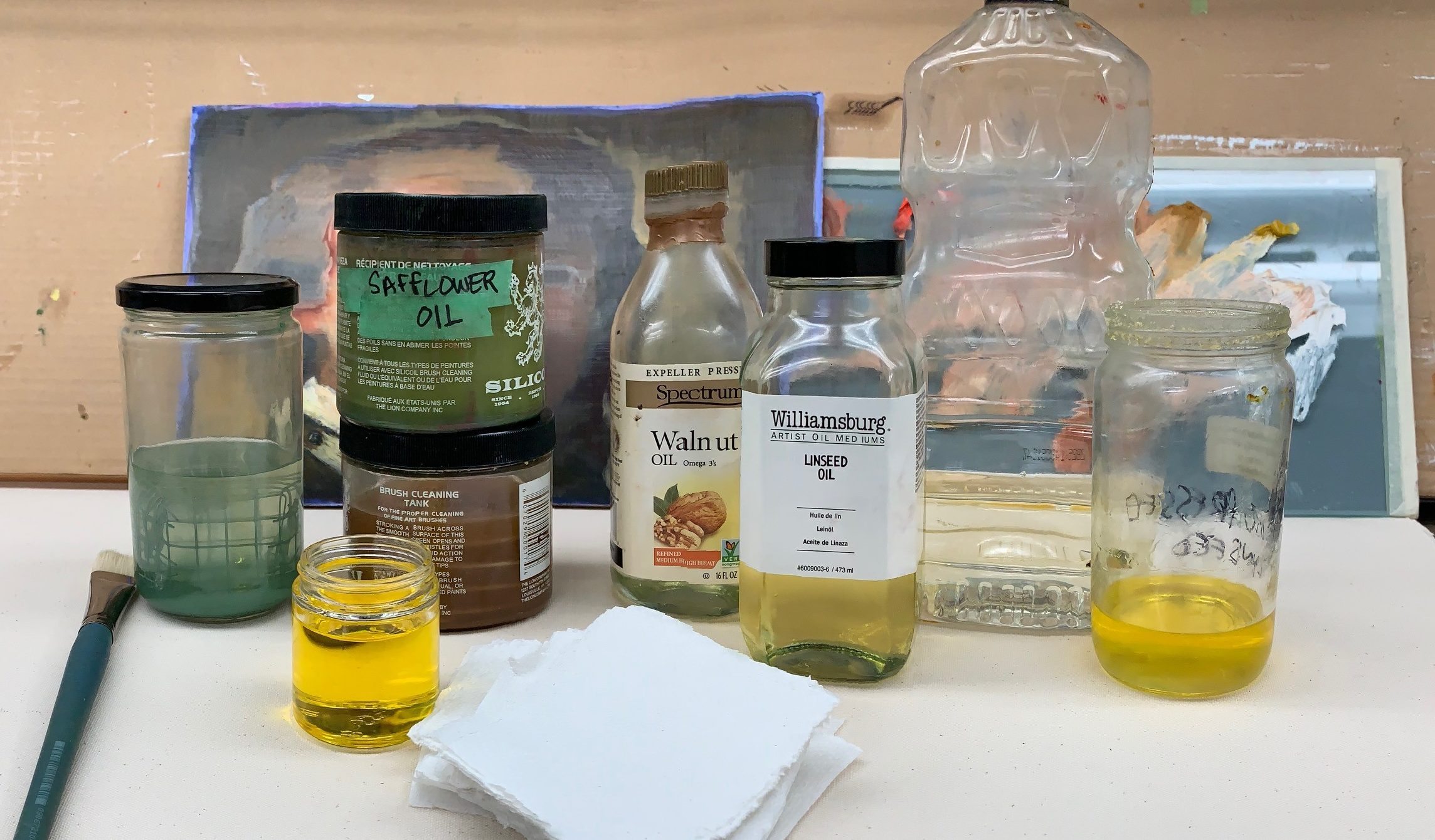
- Linseed oil or baby oil Great for a first rinse to loosen paint before solvent.
If you ask what to clean oil based paint brushes with for best balance, choose odorless mineral spirits for routine work. It strips paint well, is safer to breathe with ventilation, and is easy to find.

Choosing the right cleaner for your job
Picking what to clean oil based paint brushes with depends on the paint, the brush, and your space.
Use this simple guide:
- For heavy alkyd or enamel paints Use mineral spirits or turpentine for speed.
- For indoor cleaning with low odor Use odorless mineral spirits or citrus cleaners.
- For natural bristle brushes Avoid harsh, long soaks. Use OMS and a brush comb.
- For synthetic bristles Use OMS or paint thinner. Avoid heat and strong turpentine soaks.
- For artists’ oil colors OMS or citrus cleaners keep bristles soft and responsive.
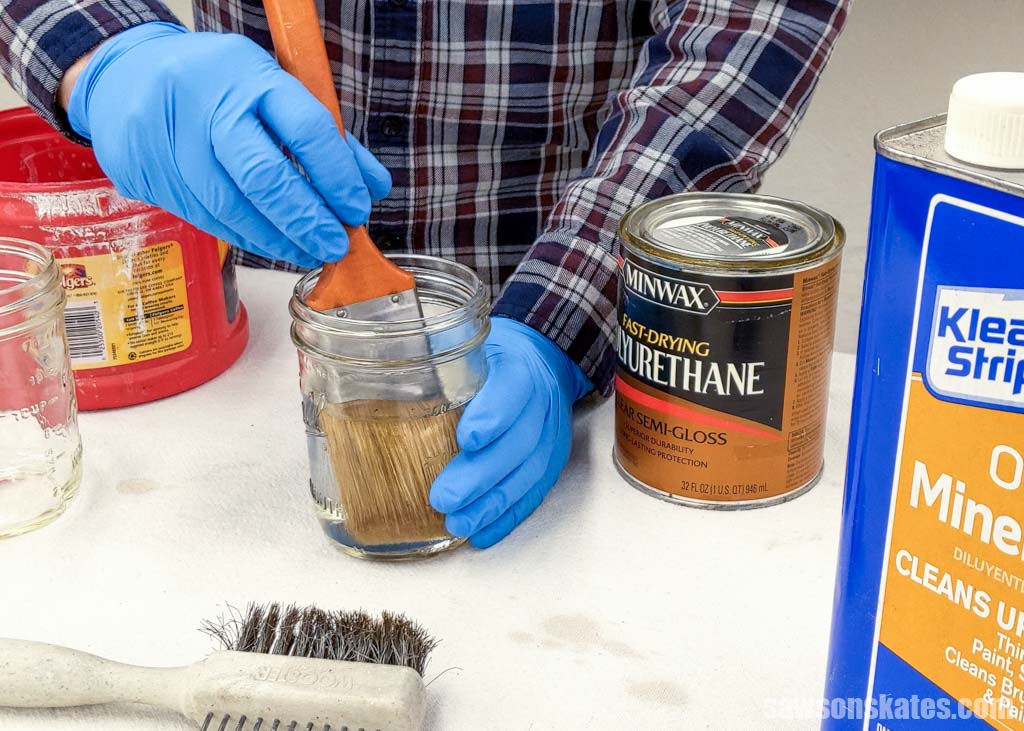
Safety matters. All these products are flammable. Use gloves, eye protection, and good airflow. Keep away from sparks and flames. Your nose is not a safety device; ventilation is.
Step-by-step: a fast, safe cleaning process
Here is a proven routine I use on site and in the studio. It answers what to clean oil based paint brushes with and how to do it well.
- Wipe out the paint Press the brush on newspaper or a rag. Remove as much paint as you can.
- Pre-rinse with oil Optional but helpful. Work a small amount of linseed or baby oil through the bristles.
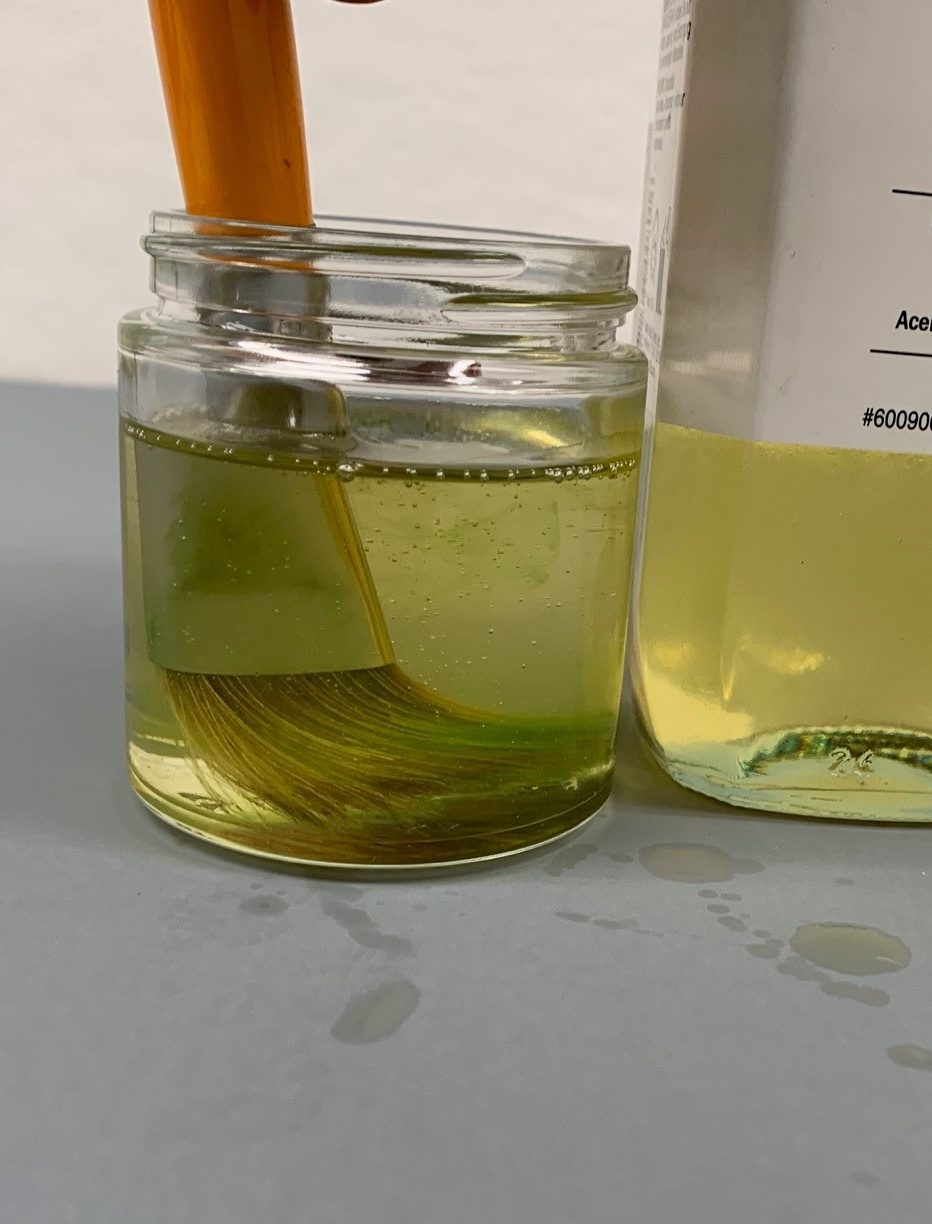
- First solvent bath Swirl in a jar of mineral spirits. Press on the bottom to work it in.
- Comb and spin Use a brush comb or an old fork. Spin or flick to remove sludge.
- Second clean jar Move to a fresh jar of clean solvent. Repeat the swirl and comb.
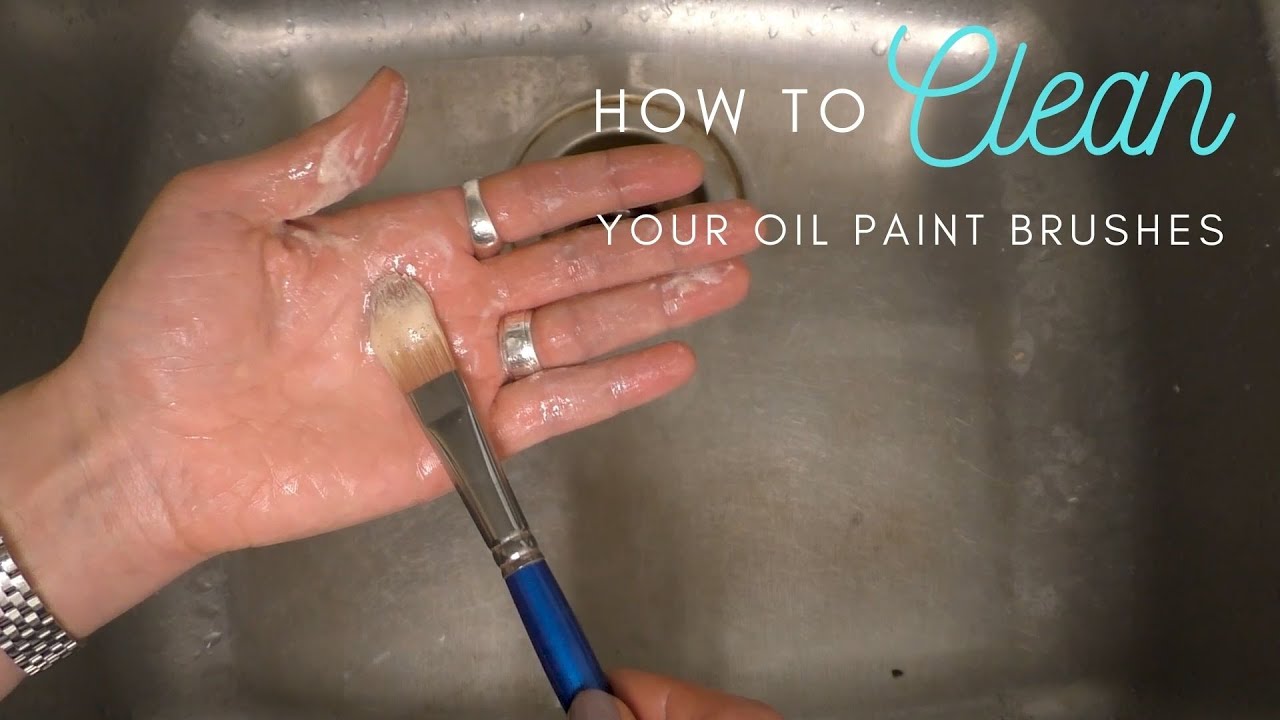
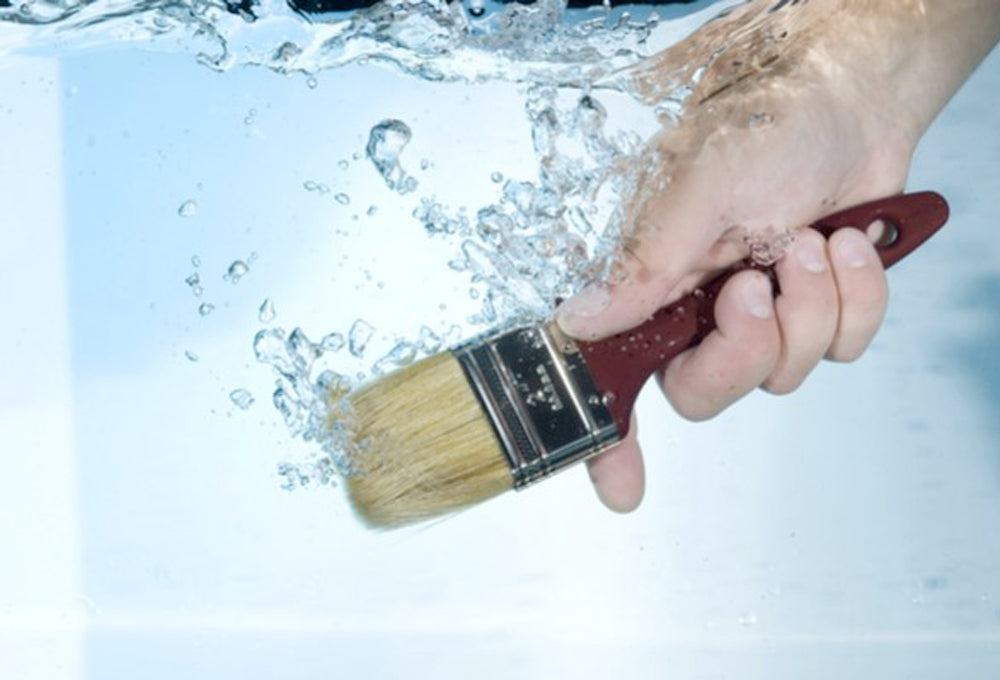
- Soap and water wash Use a brush soap or mild dish soap. Work up a lather. Rinse until clear.
- Condition and shape Work in a touch of brush soap or hair conditioner. Shape the tip flat or pointed.
- Dry and store Hang or lay flat with bristles off the edge. Never store wet upright on the bristles.
Tip: Use a two-jar system. The first jar gets the worst paint. The second jar stays cleaner longer and saves money.
Deep cleaning and restoring hardened brushes
We all forget a brush now and then. If the paint has set, you need more muscle.
- Use a brush restorer These products soften cured oil paint. They work slower but save bristles.
- Short soaks only Keep the ferrule out of the bath if you can. Long soaks can loosen glue.
- Warmth helps Slightly warm solvent (not hot, and never on a stove) can speed softening.
- Mechanical help Use a brush comb and your fingers. Be patient. Push from ferrule to tip.
- Final wash with soap Once soft, clean with OMS, then soap and water, then reshape.
When a brush stays splayed, sheds, or has rust creeping from the ferrule, it may be time to retire it. No cleaner can fix worn metal or broken hairs.

Safer disposal and eco-friendly habits
Knowing what to clean oil based paint brushes with is only half the job. Disposal matters for your health and the planet.
- Reuse solvent Let dirty solvent sit in a sealed jar. Paint solids sink. Pour off the clear top and reuse.
- Handle sludge right Let the settled sludge dry in a safe, ventilated spot away from flames. Dispose at a hazardous waste drop-off per local rules.
- Oily rags can combust Put oily rags in a metal can with water and a tight lid until you can dispose of them safely.
- Ventilate the workspace Work near a window with a fan pulling air out. Wear gloves to limit skin contact.
- Choose low-odor options Odorless mineral spirits and citrus cleaners lower fumes but still need care.
These steps reduce waste and save money. They also keep your shop safer.
Common mistakes and pro tips
I see the same errors again and again. Here’s how to avoid them.
Mistakes to avoid:
- Using water on fresh oil paint It won’t work and can spread the mess.
- Soaking overnight in solvent It bends bristles and loosens the ferrule glue.
- Crushing the brush in a jar This breaks hairs at the heel. Press gently.
- Skipping soap after solvent Residue stays in the heel and hardens later.
- Storing bristles-down They bend and never recover.
Pro tips that work:
- Keep two solvent jars Dirty and clean. You’ll cut solvent use in half.
- Use a brush spinner A few spins clear solvent fast.
- Wrap to shape After cleaning, wrap the tip in paper or foil. Let it dry in shape.
- Label jars Date and type. Rotate and decant to reuse more.
- Choose better brushes Good brushes clean easier and last longer.
If you’re still unsure what to clean oil based paint brushes with for your setup, start with odorless mineral spirits plus a good brush soap. It’s the most forgiving combo.
Storing and maintaining brushes after cleaning
Good storage makes cleaning easier next time.
- Dry fully before storage Moisture in the ferrule can rust and spread bristles.
- Keep dust off Store in a roll, sleeve, or closed container.
- Hang when you can Hanging keeps shape and airflow steady.
- Condition bristles A light touch of brush soap leaves bristles smooth and ready.
Use this simple care plan and your brushes will feel new longer. It also makes what to clean oil based paint brushes with less urgent next time because less paint dries in the heel.
Cost, value, and when to replace
Solvents vary in price. Mineral spirits and paint thinner are budget friendly. Odorless mineral spirits cost a bit more but improve comfort. Citrus cleaners cost more per ounce but smell better and are nicer for small indoor jobs.
Replace a brush when:
- It sheds badly or stays splayed after a full clean and condition.
- The ferrule is loose or rusted.
- It no longer holds a sharp edge or point for your work.
Smart cleaning and storage delay replacement and keep your work sharp. That is the real value of knowing what to clean oil based paint brushes with and how to use it well.
Frequently Asked Questions of what to clean oil based paint brushes with
What to clean oil based paint brushes with if I have no mineral spirits?
Use baby oil or vegetable oil first, then follow with dish soap and warm water. It takes longer but works in a pinch.
Can I use acetone to clean oil-based paint brushes?
Acetone can work on fresh paint but is harsh on bristles and skin. Use mineral spirits or odorless mineral spirits instead for routine cleaning.
What to clean oil based paint brushes with for low odor indoors?
Choose odorless mineral spirits or a citrus-based cleaner. Keep a fan pulling air out of a window and wear gloves.
How long should I soak brushes in solvent?
Only a few minutes, and never past the bristles into the ferrule. Swirl, comb, and refresh solvent instead of long soaks.
What to clean oil based paint brushes with to restore a hard, forgotten brush?
Start with a brush restorer to soften the paint, then use mineral spirits and brush soap. Comb gently and reshape the tip.
Can dish soap replace solvent?
Dish soap helps after solvent, but it cannot dissolve oil paint alone. Use solvent first, then wash with soap and water.
Is turpentine better than mineral spirits?
Turpentine is stronger and faster but has heavier fumes. Mineral spirits or odorless mineral spirits are safer for most users and jobs.
Conclusion
You now know exactly what to clean oil based paint brushes with, how to use it, and how to keep brushes in peak shape. Choose the right solvent, work in short stages, finish with soap, and store with care.
Set up your two-jar system today and save your next set of brushes. Want more pro tips on tools and finishes? Subscribe for updates, ask a question, or share your results in the comments.