Use oil based paint for trim, doors, metal, stain blocking, and high-wear areas.
If you want a hard, smooth finish that lasts, you need to know when to use oil based paint and when to skip it. I have tackled hundreds of doors, cabinets, and railings. The right choice saved time, money, and headaches. This guide explains exactly when to use oil based paint, why it works, and how to get pro results without mess or regret.

When to use oil based paint: the rule of thumb
Use it when you need a tough, smooth, and durable finish. It shines on trim, doors, cabinets, metal railings, and furniture. It blocks stains and tannins better than most water-based options. It also levels out brush marks.
If you are stuck on when to use oil based paint, think about wear, moisture, and stain risk. If the surface takes hits, gets scrubbed, or bleeds color, oil wins. If speed, low odor, or low VOC rules the day, choose a quality water-based enamel.
I tell clients to test a small spot first. This simple step keeps you from guessing wrong and helps you learn how the surface reacts.
Oil vs. latex: key differences that matter
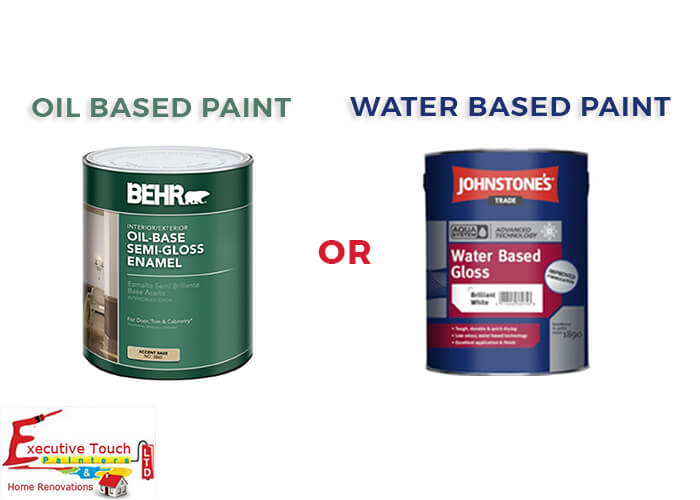
Oil based paint cures to a hard shell. It resists dents, stains, and scratches. It also self-levels, so it leaves fewer brush lines.
Latex dries fast and has lower odor and VOCs. It is easy to clean with water. It stays a bit flexible, which helps on large walls and new drywall.
If your goal is a fine, glossy finish that feels like factory enamel, oil is a safe bet. If you need fast turnarounds or low smell indoors, latex or a waterborne alkyd may be better.
Best use cases for oil based paint
Here is where I use oil based paint most often, and why it works.
Trim, doors, and moldings
These parts take daily hits. Oil based paint cures hard and smooth, so it cleans well and looks rich. It also levels on profiles and edges.
Cabinets and built-ins
Kitchens and baths see grease, steam, and scrubbing. Oil based paint stands up to that wear. It gives that glass-like finish many people want.
Metal surfaces
Use it on railings, gates, and furniture. Oil based paint grips metal well when primed right. It slows rust and seals out moisture.
Stain and tannin blocking
Old pine, cedar, and redwood can bleed. Knots can telegraph through paint. Oil based primers lock that in better than most latex.
High-moisture or high-traffic zones
Mudrooms, handrails, window sills, and baseboards get touched and washed. Oil based paint holds up to scuffs and cleaners.
A quick memory from my shop: I repainted a 1920s front door with oil after two latex jobs failed. The latex chipped in one winter. The oil finish is still solid five years later.
If you are weighing when to use oil based paint on trim or metal, these cases are your green light.
:strip_icc()/BHG-Oil-vs-water-based-paint_102378508_1251660392--7437c967ec5c4bd8b409bb0ff880609c.jpg)
When not to use oil based paint
There are times to choose another route.
- Tight timelines. Oil dries slow. It needs longer recoat and cure times.
- Low-odor jobs. Oil has more smell and higher VOCs. Venting is a must.
- Walls and ceilings. Latex is faster and easier for large areas.
- Crack-prone spots. Oil can get brittle on flexible or shifting surfaces.
- Regions with sales limits. Some areas restrict oil based coatings.
When you wonder when to use oil based paint on walls, the answer is almost never. Use a quality acrylic for easier rolling and touch-ups.

Prepping right for oil based paint
Prep makes or breaks the finish. The steps are simple but vital.
- Clean the surface. Use a degreaser on kitchen parts. Rinse well.
- Scuff sand. A light 120-220 grit pass helps the paint grip.
- Fix flaws. Fill holes and caulk gaps. Sand smooth after drying.
- Prime wisely. Use an oil based primer on bare wood, stains, or metal.
- Dust off. Wipe with a tack cloth or a damp rag. Let it dry.
A small foam roller and a high-quality natural bristle brush give a smooth film. Do not rush coats. Thin, even layers look better and last longer.
Application tips for a glass-smooth finish
These simple habits changed my results.
- Strain the paint. It removes bits that cause drag marks.
- Keep a wet edge. Work from dry to wet to avoid lap lines.
- Tip off gently. Light brush strokes lay the film flat.
- Watch temperature. Aim for 60–80°F and low humidity.
- Respect dry time. Follow the label for recoat and cure.
If you keep asking when to use oil based paint for the best finish, the answer is when you can control time and climate. Patience shows in the shine.

Drying, curing, and recoat windows
Oil based paint dries to the touch in 6–8 hours in many rooms. It often needs 24 hours before a safe recoat. Full cure can take 7–30 days.
Do a fingernail test on a hidden spot. If it dents easily, wait longer. Keep doors and drawers ajar so they do not stick while curing.
Safety, VOCs, and ventilation
Oil based paint gives off higher VOCs. Always ventilate well. Use fans that blow air out. Wear gloves and consider a respirator if the odor is strong.
Some places limit solvent-rich paints. Check local rules before you buy. If rules are strict, look for waterborne alkyd enamels. They mimic oil in flow and hardness with lower odor.
I set up a box fan and a simple filter at windows. It keeps smells down and speeds dry time.

Cleanup and disposal
Oil based paint needs mineral spirits or paint thinner for cleanup. Keep rags in a sealed metal can. Oily rags can self-heat and cause fires.
Do not pour solvents or paint down a drain. Let small leftovers dry in a safe spot or take them to a hazardous waste site. Your city often has drop-off days.
Troubleshooting common problems
Here is how I solve issues fast.
- Brush marks. Thin the paint a bit, use a better brush, and work slower.
- Dust nibs. Strain paint and tack-cloth between coats. Sand lightly.
- Slow dry. Improve airflow and keep temps steady. Avoid heavy coats.
- Bleed-through. Spot-prime stains with an oil primer and recoat.
- Blocking or sticking. Let it cure longer. Sprinkle talc on door jambs if needed.
If you face these issues and wonder when to use oil based paint again, fix the cause first. Then decide based on wear, moisture, and time.
Cost, longevity, and value
Oil based paint often costs more per gallon. It also takes longer to apply. But it can last years longer on trim, doors, and cabinets. That lowers the long-term cost.
I have repainted latex trim after three years due to scuffs. The oil job next door looked fresh at year six. That is real value if you can handle the slower pace.
When you think about when to use oil based paint for value, choose it for small, high-use parts. Save walls and ceilings for latex.
Frequently Asked Questions: when to use oil based paint
Is oil based paint more durable than latex?
Yes, it cures harder and resists wear better. It is ideal for trim, doors, and metal.
Can I use oil based paint over latex?
Yes, if you clean, scuff sand, and prime first. Use a bonding or oil primer to be safe.
How long does oil based paint take to dry?
It often dries to the touch in 6–8 hours. Wait about 24 hours before recoating.
Does oil based paint yellow over time?
It can, especially in low light areas. White and off-white shades show it more.
What primer should I use under oil based paint?
Use an oil based primer on bare wood, stains, or metal. For glossy old paint, use a bonding primer.
Can I spray oil based paint?
Yes, with proper thinning and the right tip. Always use strong ventilation and proper PPE.
What are good alternatives if oil is restricted?
Look for waterborne alkyd enamels. They level well, have lower odor, and clean with water.
When to use oil based paint on cabinets?
Use it when you want a hard, factory-like finish and can allow extra cure time. Prep and primer are key.
Will oil based paint stick to metal without primer?
It may not. A rust-inhibiting oil primer boosts adhesion and blocks corrosion.
How do I know when to use oil based paint vs latex on trim?
Choose oil for a tougher, smoother finish in high-traffic areas. Pick latex for faster dry and low odor indoors.
Conclusion
Oil based paint shines when you need a hard, smooth, and long-lasting finish. Use it on trim, doors, cabinets, metal, and any surface that sees heavy use or stains. Skip it where speed, low odor, and easy cleanup matter most.
If you are unsure when to use oil based paint, test a small spot and judge the cure, look, and feel. With the right prep and a little patience, you can get a pro finish that lasts. Want more tips like this? Subscribe for updates or drop your questions in the comments.