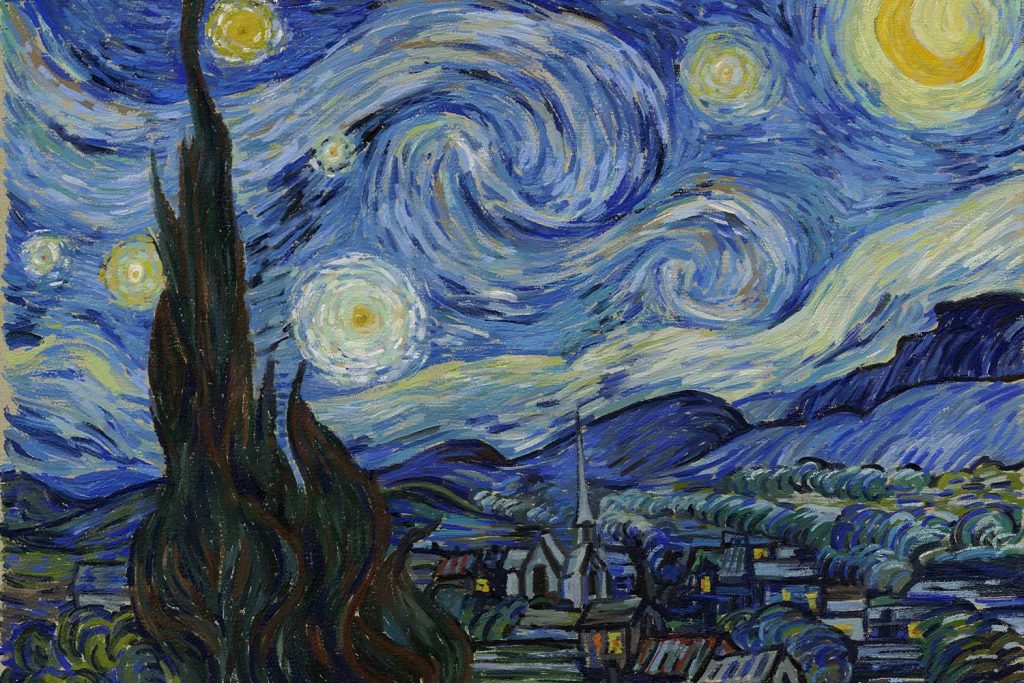
Oil paint first appears by the 7th century CE and blossoms in 15th‑century Europe.
If you’ve wondered when was oil paint invented, you’re not alone. I’ve studied and used oils for years, and the story is richer than most guides suggest. In this deep dive, I’ll unpack the origins, the science, and the myths around when was oil paint invented, and share field insights you can trust.
A concise timeline: when was oil paint invented?
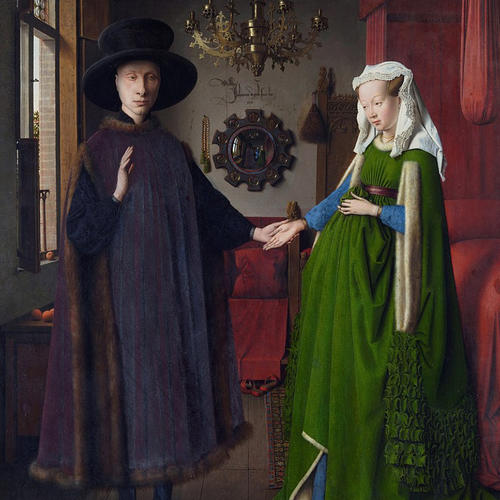
The shortest answer to when was oil paint invented is this: oil-based paints show up by the 600s CE in Central Asia. Artists used drying oils to bind pigments on wall paintings. Much later, Northern European painters refined the mix for panel art in the early 1400s.
By the 12th century, craft manuals in Europe discuss using linseed and walnut oils. Around 1400, studio texts describe practical recipes for artists. In the 15th century, painters in the Low Countries elevated the technique with layered glazes, clarity, and control. That is why many people ask when was oil paint invented and expect one date. The real story spans centuries and places.
Conservation labs have examined old samples under microscopes and with chemical tools. Results show polymerized drying oils, not wax or egg. This scientific evidence supports the long arc from early adoption to full artistic mastery. It explains why answering when was oil paint invented needs both science and art history.
What counts as the “invention” of oil paint?
We need to define invention. Using oil as a binder is one step. Turning that oil and pigment into a stable, brushable paste for fine panel or canvas is another.
Three milestones help:
- Early use: artists used drying oils with pigments in murals by the 7th century.
- Technical description: medieval manuals explain oil recipes and drying behavior.
- Artistic maturity: 15th‑century Northern Europe shows repeatable, portable, and luminous oil painting.
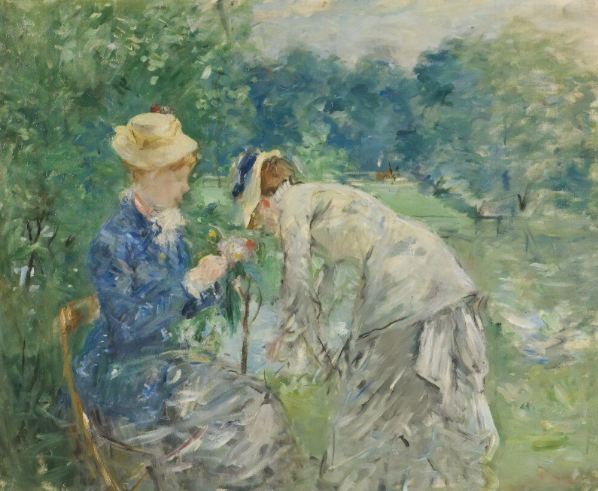
So, when was oil paint invented? If you mean first use, the answer is late antiquity to early medieval Central Asia. If you mean the working system that reshaped European art, the answer is the early 1400s. That nuance is key for anyone asking when was oil paint invented.

Early evidence beyond Europe
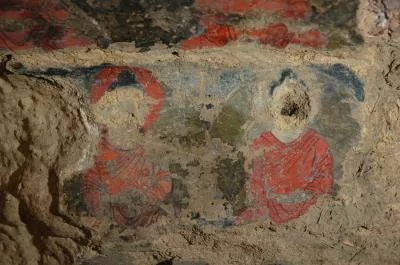
Conservation studies found drying oil binders in wall paintings in Central Asia dating to around the 7th–9th centuries. The paints used walnut or poppyseed oil with mineral pigments. These works prove oil was not just a European idea.
In South Asia, ancient murals often used tempera. Some later works show oil traces mixed with other binders. In East Asia, artists used lacquer, gum, and sometimes drying oils for specific tasks. The picture is diverse, which makes the question when was oil paint invented more global than many expect.
Organic binders degrade with time. That is why dating can be hard. Labs use careful sampling and multiple tests to confirm oil is present. Even with limits, the trend is clear: oil-based paints have deep, cross‑regional roots.

The Northern Renaissance breakthrough
Many people still say Jan van Eyck invented oil painting. That is a myth. He did not discover oil. He perfected a system of refined oils, slow‑drying layers, and transparent glazes that changed painting.
Here is what the breakthrough looked like:
- Cleaner oils: better washing and aging produced clearer binders.
- Layering: thin glazes over lean underlayers created depth and glow.
- Control: slow drying allowed blending, soft edges, and tiny detail.
This repeatable method let artists achieve glass-like finishes and subtle light. When was oil paint invented in the sense of a complete studio method? The answer points to the Low Countries in the early 1400s. This is the reason museum catalogs keep revisiting when was oil paint invented and correcting the record.
Materials and chemistry behind oil paint
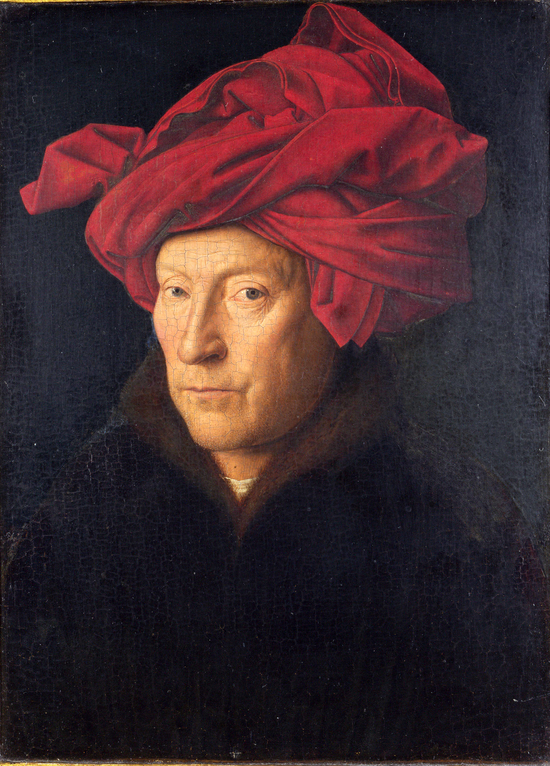
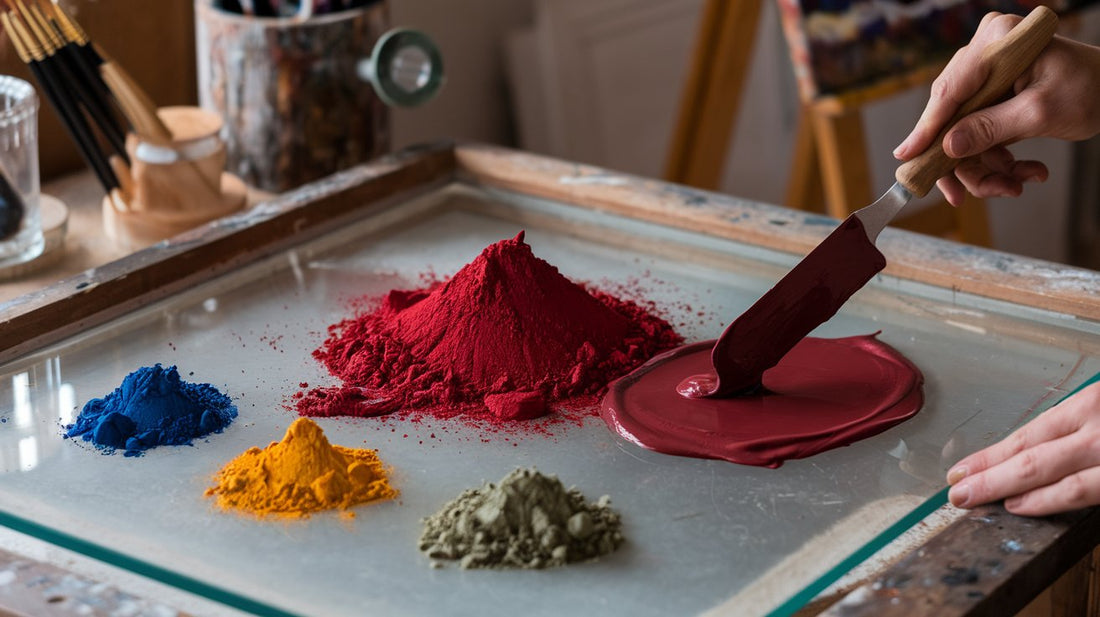
Drying oils cure by oxidation. Oxygen links the oil molecules into a solid film. It is not about evaporation alone. Pigments alter this cure. Earth colors and lead whites speed it up. Certain blues can slow it down.
Key parts of classic oil paint:
- Binder: linseed, walnut, or poppyseed oil.
- Pigment: ground minerals or organics.
- Additives: resins, wax, driers, or solvents for handling.
Understanding this chemistry explains why oil paint behaves like it does. It also grounds the history. When was oil paint invented as a durable film? It happened when artists learned to exploit this slow, oxygen‑driven cure.
How oil paint spread and evolved
Italian artists adopted oil techniques in the 1400s and 1500s. They mixed oils with tempera at first, then shifted to pure oils. Over time, recipes adapted to climate, style, and supply.
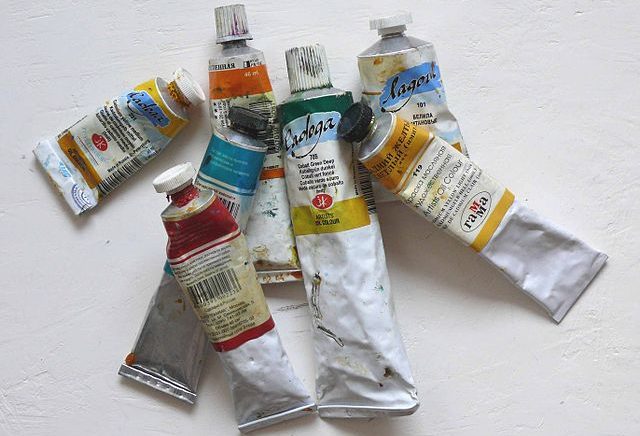
By the 17th century, Baroque painters used bold impasto and rich glazes. Centuries later, metal paint tubes arrived in the 19th century. That change helped painters work outdoors with oils. The medium kept evolving, but the core did not. So when was oil paint invented as we know it today? The roots are medieval, the refinement is Renaissance, and the workflow matured over time.
Practical tips if you’re trying oil paint today
I have spent years mixing, glazing, and fixing mistakes. Here is what helps:
- Start lean, then go fat. Begin with more solvent and less oil. Add more oil in later layers. This prevents cracking.
- Test drying times. Touch the surface lightly with a knuckle. If paint is cool and firm, glaze; if tacky, wait.
- Watch your driers. Metallic driers can cause wrinkling if overused. Use sparingly and test first.
- Store smart. Lay brushes flat or hang them. Keep caps tight on mediums and tubes.
- Make swatches. Note pigment, oil type, and mix. This builds your personal map.
These habits echo old studio wisdom. They also answer a modern spin on when was oil paint invented. The methods you practice today grew from centuries of trial and error.
How historians answer “when was oil paint invented”
Researchers do not rely on one clue. They layer methods to nail down dates and materials.
Common tools:
- Microscopy shows paint layers and the way glazes overlap.
- GC‑MS and FTIR detect drying oils and their aging markers.
- Dendrochronology dates wooden panels used for painting.
- Radiocarbon of binders, when possible, supports a time window.
The evidence is strong but not perfect. Oils yellow and oxidize. Samples can be small. Still, converging data lets experts answer when was oil paint invented with confidence and nuance.
Common myths and what the evidence shows
- Myth: Van Eyck invented oil paint. Reality: he refined it; he was not the first to use oil.
- Myth: Oils dry by solvent loss. Reality: they cure by oxidation and polymerization.
- Myth: All oil paint uses linseed. Reality: walnut and poppyseed oils are common too.
- Myth: Oil is always glossy. Reality: surface sheen depends on pigment, oil, and varnish.
- Myth: Old masters used only thin paint. Reality: many works combine thin glazes and bold impasto.
Knowing these myths clarifies when was oil paint invented and how it became a reliable system.
Key takeaways: when was oil paint invented
- Oil‑based paints exist by the 7th century CE in Central Asia.
- European manuals describe oil binders by the 12th century.
- Northern Europe in the early 1400s refines a full, luminous oil method.
- Science backs this timeline with binder analysis and layered evidence.
- Asking when was oil paint invented needs a two‑part answer: early use and later mastery.
If you are searching when was oil paint invented to guide study or practice, hold both truths at once. You will see the medium with fresh eyes in the studio and the museum.
Frequently Asked Questions of when was oil paint invented
Did Jan van Eyck invent oil painting?
No. He perfected the process and made it famous, but oil binders existed earlier. His real gift was control, clarity, and a stable method.
What is the earliest known oil paint evidence?
Analyses point to oil‑bound pigments in Central Asian wall paintings by the 7th–9th centuries. These are among the oldest confirmed uses of drying oils in paint.
Why is linseed oil so popular?
It dries faster and forms a strong film. It also handles well for glazing and impasto, which made it a studio favorite.
How do scientists confirm oil in old paintings?
They use microscopy and chemical tests such as GC‑MS and FTIR. These methods detect markers of oxidized drying oils.
When did oil replace tempera in Europe?
The shift begins in the 1400s and accelerates in the 1500s. Many artists used both for a time during the transition.
Conclusion
Oil paint did not arrive in one stroke. It grew from early oil‑bound colors into a refined system in the Renaissance. That is why the best answer to when was oil paint invented blends early proof with later mastery. If this guide sparked ideas, try a small study with lean underlayers and a final glaze. Share what you discover, subscribe for more deep dives, or leave a comment with your own tests and questions.