
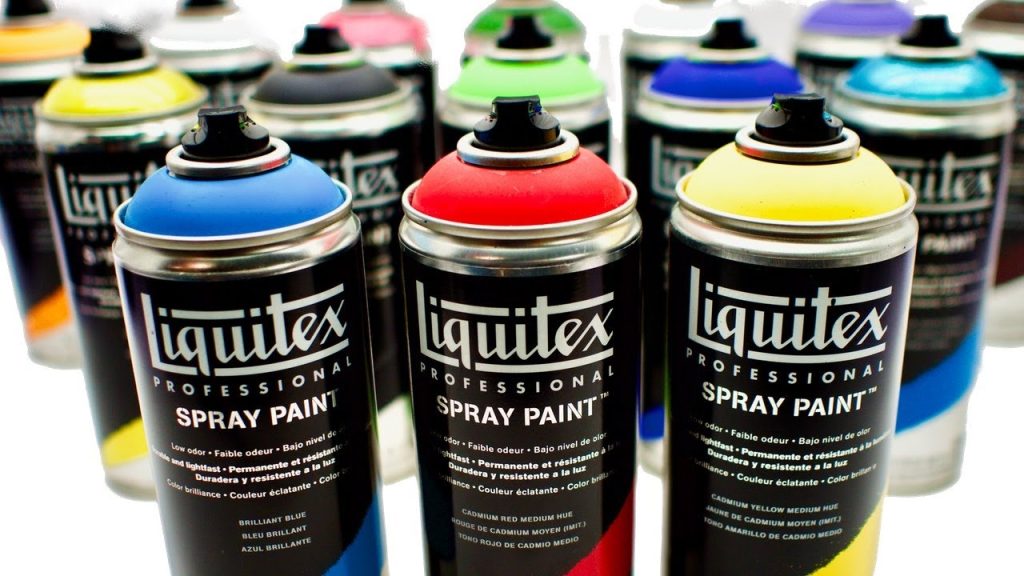
Quick answer: You can buy acrylic spray paint at hardware and home improvement stores (Home Depot, Lowe’s, Ace), big-box retailers (Walmart, Target), craft stores (Michaels, Hobby Lobby, Joann where still open), art supply stores (Blick, Jerry’s Artarama, local shops), and online marketplaces such as Amazon. Hardware stores are best for general-purpose and multi-surface sprays, art stores for artist-grade acrylic spray colors and spray varnishes, and online retailers for the widest selection and bulk buys. Check the label for “acrylic” or “water-based acrylic” and for the surfaces it lists.
“Acrylic spray paint” covers several different products, and where to buy acrylic spray paint depends on which one you actually need. A hardware-store acrylic enamel for a patio chair, an artist-grade spray for a canvas, and a clear acrylic spray varnish for sealing a painting are all called acrylic spray in casual conversation, yet they sit in different aisles and often different stores.
This guide explains where to buy acrylic spray paint, what each type of store does well, how to read labels so you get the right can, and how to save money. Once you know which store type fits your project, our dedicated guide to acrylic spray paint for DIY and art projects covers specific options and how to use them.
First, Know What You Are Shopping For
| Product type | What it is | Typical use | Where to find it |
|---|---|---|---|
| Acrylic enamel spray | Hard, glossy, often solvent-based acrylic resin | Furniture, metal, outdoor decor, cars (with appropriate products) | Hardware stores, big-box, auto parts |
| Multi-surface spray paint | General-purpose spray, often acrylic-based | Wood, metal, plastic, wicker, crafts | Hardware, big-box, craft stores |
| Water-based artist acrylic spray | Low-odor, artist-grade pigments | Canvas, street art, mixed media, stencil art | Art supply stores, online |
| Clear acrylic spray (sealer/varnish) | Transparent protective coat | Sealing paintings, crafts, rocks | Craft stores, art stores, hardware stores |
| Spray primer | Adhesion base coat | Plastic, metal, glossy surfaces | Hardware, big-box |
| Acrylic retarder spray | A mist that slows drying of wet acrylic | Keeping palettes and canvases workable | Art supply stores, online |
Important: many “acrylic” spray paints sold in hardware stores are solvent-based, even though their resin is acrylic. They have strong fumes and clean up with mineral spirits, not water. If you want low-odor, water-based spray, look for “water-based” on the label.
Where to Buy Acrylic Spray Paint: Store-by-Store Guide
Home improvement and hardware stores
Home Depot, Lowe’s, Ace Hardware, True Value and Menards (in the Midwest) carry large walls of spray paint. Expect general-purpose and multi-surface sprays, acrylic enamels, primers, clear coats, specialty finishes (metallic, chalk, textured, high-heat) and outdoor-rated products.
- Best for: furniture, outdoor decor, metal, plastic, large DIY projects, primers.
- Pros: wide finish selection, outdoor-rated formulas, staff who can match project to product, often competitive prices on common colors.
- Cons: few artist-grade color ranges; mostly solvent-based products.
Big-box retailers
Walmart and Target typically stock a smaller selection of spray paint, sometimes in both the hardware and crafts sections. Walmart in particular often carries mainstream multi-surface sprays and some craft sprays.
- Best for: quick, inexpensive purchases of common colors.
- Pros: convenient, long hours, low prices on basics.
- Cons: limited color range and stock varies by location.
Craft stores
Michaels and Hobby Lobby carry craft-oriented spray paints, metallics, glitter sprays, clear acrylic sealers in gloss, satin and matte, and sometimes artist-grade sprays. Joann carried craft sprays too, but the chain closed its stores in 2025, so check what remains locally.
- Best for: crafts, home decor, sealing painted rocks and wood, small projects.
- Pros: frequent coupons and sales, decorative finishes, clear sealers next to the paint.
- Cons: regular shelf prices can be higher than hardware stores; limited outdoor-grade options.
Art supply stores
Blick Art Materials, Jerry’s Artarama, Utrecht (now part of Blick) and independent art shops carry artist-grade spray paints, including low-pressure cans designed for fine control, water-based acrylic sprays, and spray varnishes made for paintings.
- Best for: fine art, street art, stencil art, varnishing finished canvases.
- Pros: large color ranges, artist-grade pigments, archival varnishes, knowledgeable staff.
- Cons: higher prices per can; fewer locations.
Online marketplaces and retailers
Amazon, the online stores of the retailers above, and specialist spray-paint shops offer the widest selection, including colors and brands that local stores do not carry.
- Best for: specific colors, multi-packs, artist ranges, hard-to-find finishes.
- Pros: selection, reviews, price comparison, home delivery.
- Cons: aerosol shipping restrictions in some areas, possible shipping delays, color on screen may differ from reality.
Auto parts stores
AutoZone, O’Reilly and Advance Auto Parts sell acrylic lacquers and enamels, primers and clear coats aimed at vehicles. These can be useful for metal projects but are usually solvent-heavy and not intended for art.
Quick Comparison: Which Store for Which Project?
| Project | Best store type | Why |
|---|---|---|
| Outdoor furniture or planters | Hardware store | Outdoor-rated, rust-resistant and multi-surface options |
| Canvas painting or stencil art | Art supply store or online | Artist pigments and low-pressure cans |
| Sealing a finished acrylic painting | Art supply store | Archival varnish designed for paintings |
| Sealing painted rocks or crafts | Craft or hardware store | Clear outdoor sealers in multiple sheens |
| Plastic toys or decor | Hardware store | Plastic-bonding sprays and primers |
| Kids’ craft project | Craft store | Smaller cans, decorative finishes |
| Large multi-color mural or street art | Online or art store | Broad color ranges and bulk pricing |
How to Read an Acrylic Spray Paint Label
- Base: look for “water-based” if you need low odor and water cleanup. Otherwise, assume solvent-based.
- Surfaces: make sure your material (wood, metal, plastic, canvas, glass) is listed.
- Indoor/outdoor rating: outdoor projects need UV and moisture resistance.
- Finish: matte, satin, gloss, metallic or textured.
- Dry and recoat times: these vary widely; some cans require recoating within an hour or after 48 hours.
- Coverage: usually listed in square feet per can, which helps estimate how many cans you need.
- Safety warnings: ventilation and respirator requirements.
How Much Does Acrylic Spray Paint Cost?
Prices vary by brand, region and sales, so treat these as rough ranges:
- General-purpose hardware spray: often in the low-to-mid single-digit to around ten dollars per can.
- Specialty finishes (metallic, textured, high-heat): usually a few dollars more.
- Artist-grade spray paint: commonly higher per can, depending on brand and color.
- Clear spray varnish for paintings: often priced at the upper end due to archival formulas.
Where to buy cheap acrylic spray paint
- Use weekly craft store coupons and sales.
- Buy multi-packs online for colors you use often.
- Check the clearance and “oops” sections at hardware stores.
- Compare unit price per ounce, since can sizes vary.
- For large areas, consider brushing or rolling acrylic paint with a sealer on top instead of buying many cans.
How Many Cans Do You Need?
Running short mid-project is common with spray paint, and a second trip can mean a slightly different batch. Most standard 11 to 12 oz cans list coverage somewhere in the range of roughly 8 to 15 square feet per can, depending on color, surface and finish. Always check the specific label.
| Project | Rough estimate (color coat only) |
|---|---|
| Small decor item (vase, frame, jar) | Less than 1 can |
| 16×20 inch canvas background | About 1 can for two light coats |
| Dining or side chair | 2 to 3 cans |
| Small bookshelf or nightstand | 3 to 4 cans |
| Metal patio table | 3 to 5 cans |
Add primer and clear coat on top of these numbers, and buy one extra color can if a perfect match matters. Unopened cans keep for a long time if stored at room temperature, so leftovers are rarely wasted.
In-Store vs. Online: A Quick Checklist
- Buy in store when: you need it today, you want to see the true color on a cap or swatch card, you need staff advice, or you are buying one or two common cans.
- Buy online when: you need an exact artist-grade color, a multi-pack, a specialty finish, or a brand your local stores do not carry.
- Either way: compare price per ounce, confirm the base (water or solvent), and check that the surface you are painting is listed.
If you are still deciding between formula types before you shop, our guide to acrylic spray paint options and techniques explains the trade-offs in more detail.
Buying Spray Varnish for Acrylic Painting
Many people searching for acrylic spray paint actually need a clear spray varnish for acrylic painting. Here is how to pick one:
- Archival vs. general-purpose: art store varnishes are designed for paintings, often with UV-filtering properties and in some cases removability for future conservation. Hardware-store clear coats are tougher but may yellow or not be removable.
- Sheen: gloss for color depth, satin for a middle ground, matte to eliminate glare.
- Timing: let the painting cure fully, often a week or longer for thin paint, before spraying.
- Application: several light passes from the distance on the label (often 8 to 12 inches) beat one heavy coat.
Related Supplies You Can Pick Up on the Same Trip
- Acrylic paint markers: found at craft and art stores and online; great for adding detail over spray-painted surfaces.
- Stencils for painting: craft stores and online shops carry pre-cut stencils; you can also cut your own from cardstock or stencil film.
- An easel: art stores, craft stores and online retailers sell tabletop and standing easels; craft-store coupons can make them more affordable.
- Palettes: inexpensive plastic palettes are sold at craft stores, and a ceramic plate or a sheet of glass works just as well.
- Masks and gloves: hardware stores stock respirators rated for paint fumes, which solvent-based sprays may require.
Safety Tips When Using Acrylic Spray Paint
- Spray outdoors or in a well-ventilated area, and follow any respirator guidance on the label.
- Shake cans for the full time listed (often one to two minutes after the mixing ball rattles).
- Keep cans away from heat, flames and direct sun; aerosol cans can burst if overheated.
- Cover nearby surfaces; overspray travels farther than you expect.
- Dispose of empty cans according to local rules; partially full cans often go to household hazardous waste.
Storing Spray Paint Between Projects
- Store cans upright at room temperature in a dry place, away from furnaces, water heaters and sunny windows.
- After each use, turn the can upside down and spray for a second or two until only gas comes out. This clears the nozzle so it does not clog.
- Keep spare nozzles from used-up cans; they can replace a clogged one on a can of the same brand.
- Label cans with the project and date so you can match colors later.
Cold cans spray poorly, sputtering and leaving uneven coats. If a can has been in a cold garage, bring it indoors to warm up to room temperature before use; never heat it directly.
Common Buying Mistakes
- Assuming all acrylic sprays are water-based. Most hardware-store sprays are not.
- Skipping primer on plastic or metal. Many failures blamed on paint are adhesion problems.
- Mixing brands of primer, color and clear coat. Some combinations can wrinkle or react; staying within one system is safer, or test first.
- Buying one can for a big project. Check coverage on the label and buy extra so the batch matches.
- Using hardware clear coat on fine art. It may yellow over time; use an artist varnish for paintings.
Related Reading
FAQs
Where can I buy acrylic spray paint near me?
Most areas have at least one option: home improvement stores like Home Depot or Lowe’s, Walmart, craft stores like Michaels or Hobby Lobby, or a local art supply shop. Check each store’s website for local stock before you go.
Is acrylic spray paint the same as regular spray paint?
Many regular spray paints use acrylic resins, so there is overlap. The key differences are whether the product is water-based or solvent-based, which surfaces it is designed for, and whether it is artist-grade.
What is the best spray paint for acrylic paintings?
For sealing an acrylic painting, an artist-grade spray varnish from an art supply store is usually the right choice. For adding color to an acrylic painting, water-based artist sprays work well alongside brushed acrylic.
Can I buy acrylic retarder spray?
Yes. Some art supply brands sell sprays or mists that slow drying on the palette or canvas. Art supply stores and online retailers are the most likely places to find them.
Is it cheaper to buy acrylic spray paint online?
Sometimes, particularly for multi-packs and artist ranges. For single cans of common colors, in-store sales and coupons at craft or hardware stores are often just as cheap and avoid shipping fees.
Can acrylic spray paint go on plastic?
Yes, if you choose a spray labeled for plastic or apply a plastic-bonding primer first. Lightly scuffing and cleaning the plastic improves adhesion.
Next Step
Matching the store to the job saves money and frustration: hardware stores for outdoor and multi-surface work, craft stores for decor and sealers, art stores for artist sprays and archival varnishes, and online shops for selection. Read the label for base, surfaces and indoor/outdoor rating before you buy.
Once you know where to shop, our full guide to choosing and using acrylic spray paint walks through the options worth considering and how to get a smooth, even finish.




