Most art supply stores, craft chains, and online retailers sell quality acrylic paint.
I’ve spent years sourcing paint for studio projects, teaching classes, and testing brands. This guide explains where to get acrylic paint, how to choose the right kind, and which sellers offer the best value and selection. You will get practical tips, buying strategies, and real-world lessons from my experience so you can shop confidently and find the paint that fits your needs.

Top Places to Buy Acrylic Paint
Local art supply stores offer hands-on help and open-stock options. Staff often test products and can recommend brands based on your project. These stores are great when you want to see color and texture in person.
Craft chain stores carry a wide range of student and mid-grade paints. They are convenient for quick runs and for buying brushes, canvases, and mediums alongside paint.
Big-box retailers and department stores stock basic acrylics at budget prices. These are fine for beginners, practice pieces, and crafts.
Online marketplaces provide the largest selection of brands, finishes, and sizes. You can read reviews and compare prices quickly. Look for sellers with good return policies and verified reviews.
Direct-from-manufacturer shops are ideal for hard-to-find or professional lines. Buying direct often gives you access to limited colors and product information not found elsewhere.
Where to get acrylic paint depends on your needs: buy local for service and color matching, buy online for selection and specialty lines, and buy big-box for low-cost supplies.
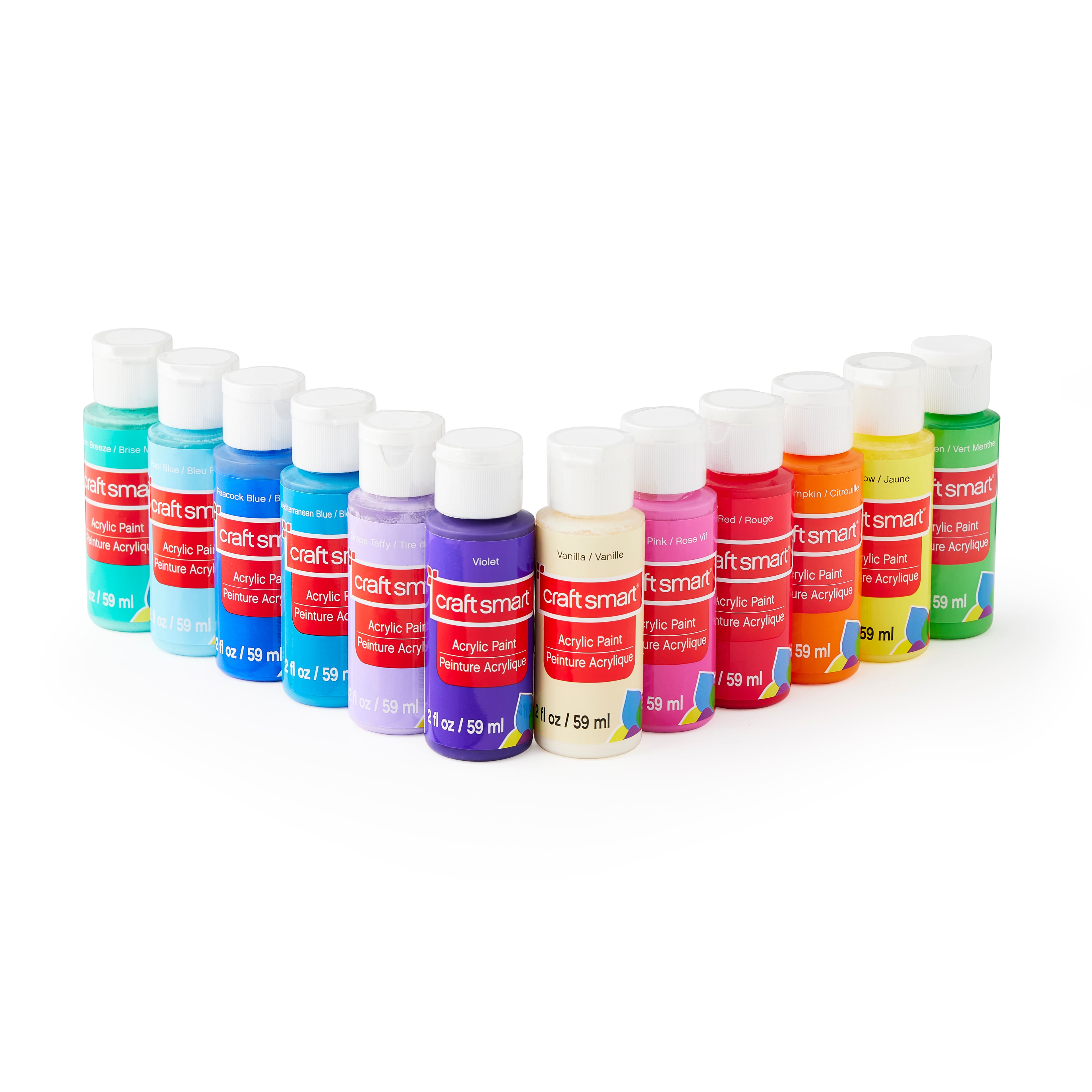
Specialty and Artist-Grade Options
Artist-grade acrylics differ in pigment concentration, permanence, and mixing behavior. They offer deeper color, better lightfastness, and smoother blending. If longevity matters, artist-grade is worth the investment.
Where to get acrylic paint for professional work often means visiting art supply stores or manufacturer websites. Galleries and art schools also sell premium tubes and professional recommendations.
Some specialty shops focus on eco-friendly or low-VOC acrylics. These are useful if you work in small spaces or need safer studio air. I once switched to a low-VOC line for indoor workshops and noticed less odor and fewer complaints.
Test tubes before large purchases when possible. Buy a few small tubes, paint a sample, and leave it to dry to see color shift and finish. This small step saved me from buying a whole set that didn’t behave as expected.

Buying Tips: How to Choose the Right Acrylic Paint
Decide your use first: craft, study, fine art, or mixed media. Different uses call for different qualities.
Check the label for pigment information and lightfastness ratings. These tell you how the color will hold over time.
Know the difference between student and artist grades. Student grade is cheaper and good for practice. Artist grade has more pigment and better permanence.
Consider viscosity and finish. Heavy body acrylics keep texture. Fluid acrylics work well for glazing and pouring. Matte and gloss finishes affect final appearance.
Buy primary colors and mix to expand your palette. This saves money and teaches color mixing. I keep a small core palette and mix neutral grays and earth tones for most work.
Where to get acrylic paint with the right specs often means reading product descriptions carefully online or asking staff in-store. Bring a list of needs and test when you can.

Where to Buy Acrylic Paint on a Budget
Buy bulk sets or economy packs when you need many colors for practice. These packs often lower the cost per tube.
Look for coupons, sales, and loyalty programs at craft chains and online stores. Sign up for newsletters to catch promotions.
Buy open-stock items when possible to avoid paying for colors you won’t use. Discount stores and clearance racks can yield usable paints.
Consider student-grade tubes for learning and exercises. These are cheaper and forgiving for practice.
Check second-hand markets for unopened or lightly used tubes. Studio closures and estate sales sometimes include good supplies at low prices.
Where to get acrylic paint cheaply often means combining sales, sets, and student-grade lines. I once sourced a whole semester’s worth of paint through clearance sales and still had quality results.

Online vs. Local Stores: Pros and Cons
Online stores have wider selection and easier price comparison. They let you read reviews and find specialty brands not sold locally.
Local stores offer immediate access, personal guidance, and the chance to test colors. They build community and often support local artists.
Shipping can add cost and delay when buying online. Returns may be harder with third-party sellers. Check shipping policies before you buy.
Local stores sometimes charge more on certain brands. But the value of advice and immediate use often offsets the price difference.
Where to get acrylic paint depends on whether you value convenience or hands-on service. Use local stores for color matching and online shops for variety and price checks.
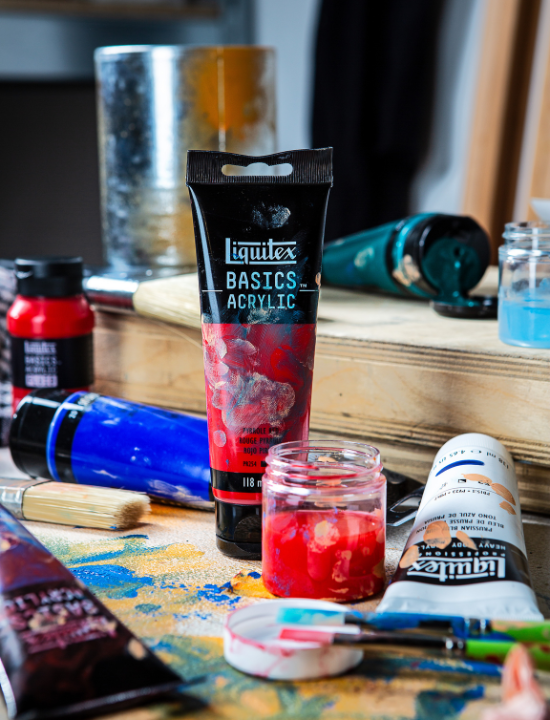
Frequently Asked Questions of where to get acrylic paint
Where is the best place to buy acrylic paint for beginners?
Local craft stores and big-box retailers are great for beginners because they sell affordable student-grade sets and basic supplies. These stores offer easy returns and frequent sales.
Can I trust online reviews when choosing acrylic paint?
Yes, reviews are helpful for spotting consistent praise or complaints, especially about color and coverage. Focus on reviewers who post photos and detailed notes.
Are artist-grade acrylics worth the price?
Artist-grade acrylics have higher pigment load and better permanence, making them worth it for long-term or gallery work. For practice or crafts, student-grade is usually fine.
Where can I find eco-friendly or low-VOC acrylic paints?
Specialty art shops and some online retailers sell low-VOC or water-based formulations designed for indoor use. Look for product descriptions that mention safety and low odor.
Is it better to buy tubes or jars of acrylic paint?
Tubes are convenient for control and mixing small amounts; jars work well for larger, repetitive projects or pouring. Choose based on project size and storage habits.
Can I buy single colors rather than sets?
Yes, many art stores sell open-stock tubes so you can buy only the colors you need. This is cost-effective and reduces waste.
Conclusion
This guide showed practical places and strategies for where to get acrylic paint. You can buy locally for service and color testing, online for selection and specialty lines, and at big-box stores for budget buys. Test samples, read labels, and match paint type to project needs to avoid costly mistakes.
Pick one reliable source today and try a small purchase. Track what works and adjust your buying plan. Share your experiences, subscribe for more tips, or leave a comment about where you buy acrylic paint and why.