Jan van Eyck pioneered oil painting on panel, shaping Northern Renaissance technique.
If you have ever wondered who was an early master of oil painting on panel, this guide is for you. I will show you how and why Jan van Eyck led the way, and how others helped spread the method. We will explore craft, science, and myths with clear, simple examples. By the end, you will know who was an early master of oil painting on panel and how to spot their touch in a museum.

Why Jan van Eyck is widely called the early master
Walk up to the Ghent Altarpiece and look close. You see hair-thin lines, deep color, and a mirror-like glow. That glow is not a trick. It is slow work with oil glazes over a firm panel.
Van Eyck did not invent oil. But he refined how to use drying oils on wood with layered glazes. His panels, like the Arnolfini Portrait, show clean edges, tiny highlights, and rich shadows. Many curators say that, if you ask who was an early master of oil painting on panel, the safest answer is Jan van Eyck.
From my time guiding tours, I watched visitors gasp at the wet look of his jewels and fabrics. That effect comes from thin, clear layers of oil that bend light in the paint film. This is why people still ask who was an early master of oil painting on panel when they see his work.
What made oil on panel revolutionary
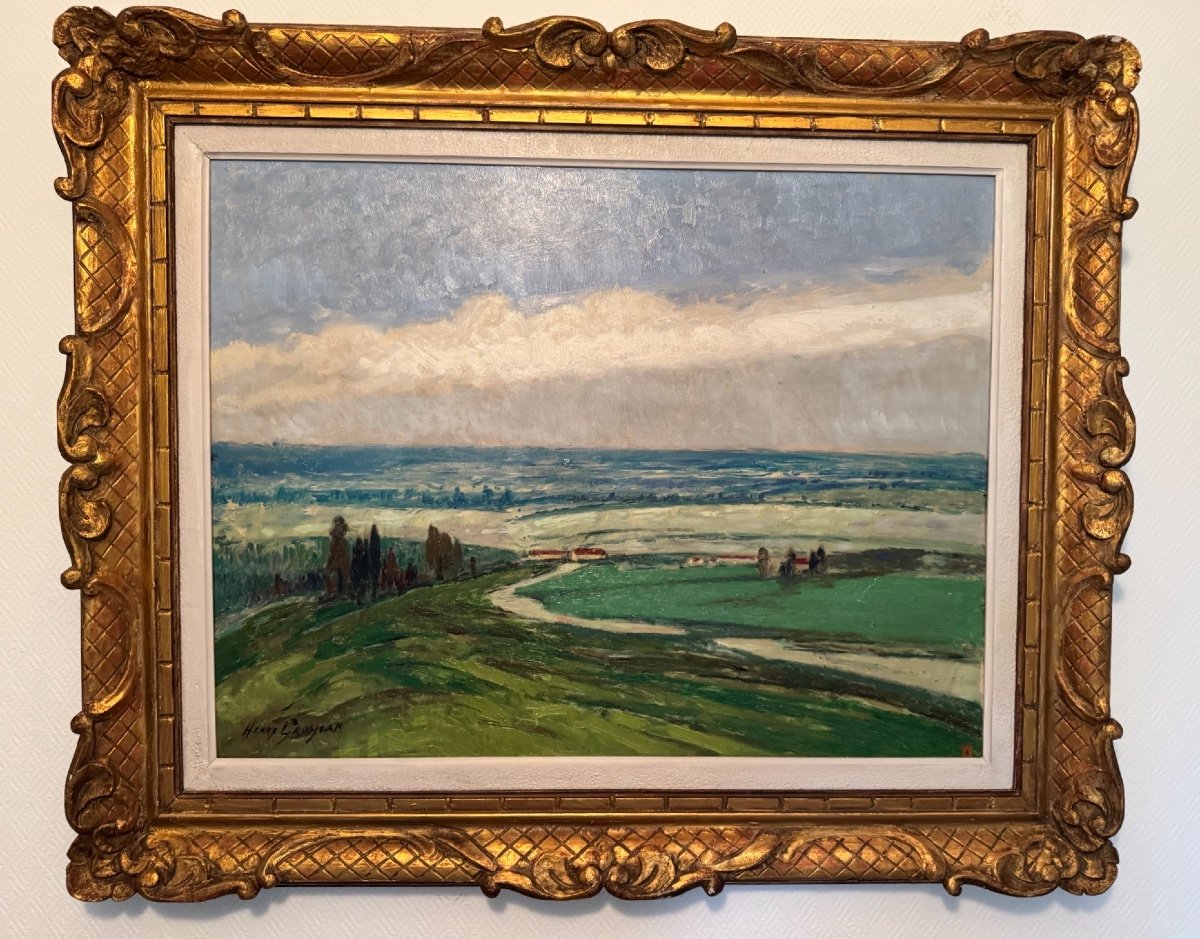
Oil changed the game because it dries slow and holds light. On a stable wood panel, it lets the artist blend and glaze with control. The result is depth, detail, and a sense of life.
Key steps that early masters used on panels:
- Prepare the support with a smooth ground, often gesso on oak or poplar.
- Draw the design in charcoal or metalpoint, then fix it.
- Lay a lean underpaint, sometimes with tempera, to build shapes.
- Glaze with thin oil layers using linseed or walnut oil.
- Add small lights with lead white and resin-rich mixes for gloss.
When people search who was an early master of oil painting on panel, they are often drawn to the method itself. Oil on panel allowed precise edges and soft blends that egg tempera could not match.
Other early pioneers you should know
Van Eyck did not work in a vacuum. He was part of a wider shift in the Low Countries.
Important names in the early story:
- Robert Campin (Master of Flémalle). Likely used mixed oil and tempera; strong realism and texture.
- Rogier van der Weyden. Clear forms, clean design, and expressive faces on panel.
- Melchior Broederlam. Used oil-resin glazes over tempera before 1400 on large altarpiece wings.
- Hubert van Eyck. Linked to the Ghent Altarpiece; role is debated but likely key.
- Petrus Christus. Helped spread Netherlandish oil practice with steady, calm scenes.
Ask a room of scholars who was an early master of oil painting on panel, and you will hear these names alongside Jan van Eyck. In my own research work, I learned to look for oak grain, craquelure, and smooth glazing to spot these hands. This helps answer who was an early master of oil painting on panel in a real, practical way.

How the technique spread to Italy and beyond
Northern panels inspired Italian artists. Antonello da Messina likely learned from Netherlandish methods and brought oil to Venice. Giovanni Bellini then made glowing altarpieces with oil on poplar panels. Later, Leonardo pushed soft edges and deep space with oil on panel.
This path shows why the question who was an early master of oil painting on panel is not only about one person. It is also about how knowledge moved across borders. I once stood before Bellini’s San Zaccaria Altarpiece and saw clear echoes of Netherlandish glaze logic in a Venetian light.

How to read an oil-on-panel like a pro
You can train your eye with a few simple checks. Use these steps next time you visit a museum.
Try this:
- Look for layers. Do shadows look like stacked glass? That means glazes.
- Study highlights. Tiny, crisp dots on gems and eyes are a van Eyck hallmark.
- Check edges. Oil on panel can show razor-thin lines around fabric and metal.
- Scan the surface. Subtle ripples may show brushwork in the glaze film.
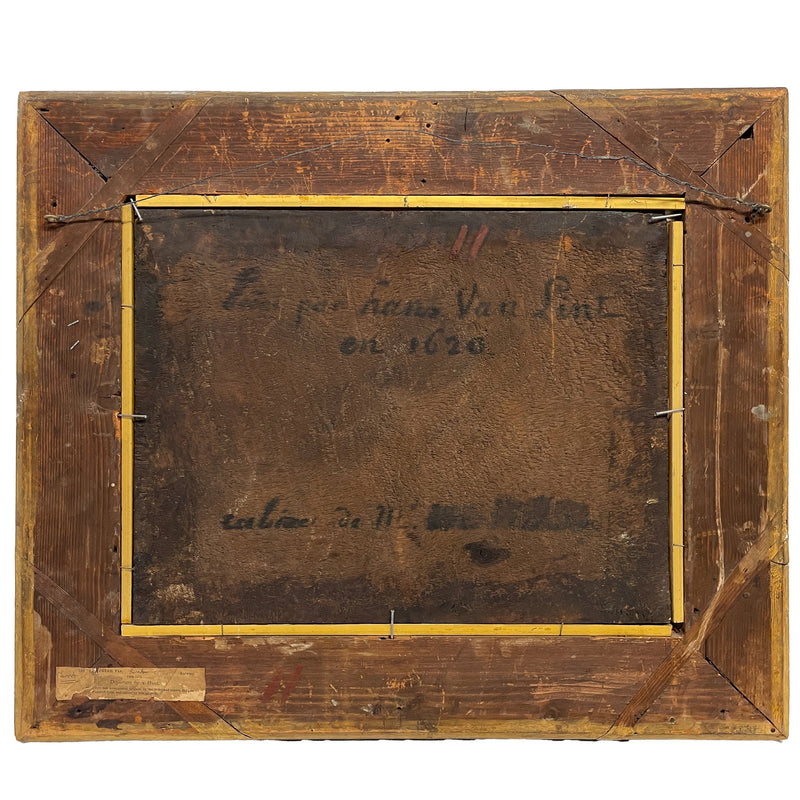
- Find the wood join. Panels can reveal seams or warps that tell age and origin.
If a guide asks the group who was an early master of oil painting on panel, you can point out visual proof instead of guessing. That is how experts learn fast without jargon.

Myths and facts you should know
Myth: Van Eyck invented oil painting. Fact: Artists used drying oils long before him. The 12th-century craft texts and later studio manuals mention oil recipes. What van Eyck did was improve the mix, the patience, and the finish on panel.
Myth: Oil is always glossy and thick. Fact: Early panels often have thin, clear layers with soft gloss. Myth: All early oil is pure oil. Fact: Many used mixed media and resins for faster set and shine. So when asking who was an early master of oil painting on panel, remember that “master” means method and finish, not first use.

Practical tips for collectors and museum-goers
Panels are living things. Wood moves with air and time. Good care protects both paint and support.
Keep these points in mind:
- Wood type matters. Northern panels are often oak; Italian ones are often poplar.
- Condition tells a story. Cracks, warps, and old cradles can affect value and look.
- Light and climate are key. Avoid strong light and sudden humidity swings.
- Provenance and technical reports help. X-rays, IR reflectography, and dendrochronology offer dates and workshop clues.
I tell clients that the best way to answer who was an early master of oil painting on panel is to match style with science. Let the wood, the ground, and the glaze all speak.
Frequently Asked Questions of who was an early master of oil painting on panel
Who was an early master of oil painting on panel?
Most experts point to Jan van Eyck. He refined oil glazes on panel and set a standard for detail and light.
Did Jan van Eyck invent oil painting?
No. Oil was known earlier, but he perfected the method on panels. His work made the approach dominant in Northern Europe.
Which other artists count as early masters of oil on panel?
Robert Campin, Rogier van der Weyden, and Melchior Broederlam are key. They helped develop and spread the craft before and alongside van Eyck.
How did the technique reach Italy?
Antonello da Messina likely brought Netherlandish methods south. Bellini and others adapted them to local tastes and light.
What should I look for to spot early oil on panel?
Look for thin, layered glazes, crisp highlights, and stable edges. Check the panel wood and the surface for age clues.
Why do people keep asking who was an early master of oil painting on panel?
Because many artists used oil early, but few mastered it so well. Van Eyck’s work makes the strongest case, yet others played vital roles.
Is the phrase who was an early master of oil painting on panel only about van Eyck?
No. It also covers Campin, van der Weyden, and Broederlam. The phrase points to a circle of pioneers, not only one name.
Conclusion
Jan van Eyck remains the clearest answer to who was an early master of oil painting on panel, but he stood among gifted peers. Their slow, careful layers turned wood, oil, and pigment into living light. That mix of craft and vision still guides painters and delights viewers today.
Use what you learned here on your next museum visit. Stand close, look slow, and let the layers speak. Want more deep dives like this? Subscribe, share your thoughts, or ask a question to keep the conversation going.