Painting is more than just putting color on paper. For seniors, it can be a way to relax, express feelings, and even improve memory and hand movement. Many older adults worry that painting is only for “talented” people, but this is not true.
With simple painting ideas and easy steps, anyone can enjoy art—no matter their experience. In this guide, you’ll discover practical painting ideas for seniors, tips for choosing materials, and ways to make painting easier and more fun. Whether you’re a beginner or want to try new styles, you’ll find something helpful here.
Why Painting Is Great For Seniors
Painting offers many benefits for seniors beyond creativity. It can help with:
- Stress relief: Painting helps calm the mind and reduces feelings of anxiety.
- Better motor skills: Simple brush movements improve hand control and coordination.
- Social connection: Group painting activities encourage conversation and new friendships.
- Memory support: Painting scenes or objects can trigger happy memories.
Research from the National Institutes of Health shows that seniors who participate in art activities report higher satisfaction and improved mental health. Painting is also easy to start, with very little equipment needed.
Easy Painting Ideas For Seniors
Finding the right painting project is important. Seniors often enjoy subjects that are simple, familiar, and relaxing. Here are some painting ideas that are popular and easy to try:
1. Nature Scenes
Painting nature is calming and does not require perfect drawing skills. Seniors can paint:
- Trees and forests
- Mountains and hills
- Rivers and lakes
- Flowers and gardens
Try using soft colors and simple shapes. For example, painting a sunset over water can be done with gentle brush strokes and blending warm colors.
2. Simple Landscapes
Landscapes are great for beginners. You can start with:
- Rolling fields
- Country roads
- Beach scenes
To make it easier, seniors can use masking tape to create straight lines for horizons and work with a limited color palette.
3. Abstract Art
Abstract painting is about shapes, colors, and feelings. There is no need to paint objects that look real. Seniors can:
- Play with color blocks
- Paint circles, squares, or swirls
- Try splatter painting
This style is stress-free and helps seniors express themselves without worrying about mistakes.
4. Still Life
Still life paintings use everyday objects. Seniors can paint:
- Fruit bowls
- Vases with flowers
- Tea cups and saucers
Set up the objects on a table and paint what you see. Use simple backgrounds and focus on basic shapes.
5. Animal Portraits
Animals are a fun subject. Seniors can paint:
- Birds on branches
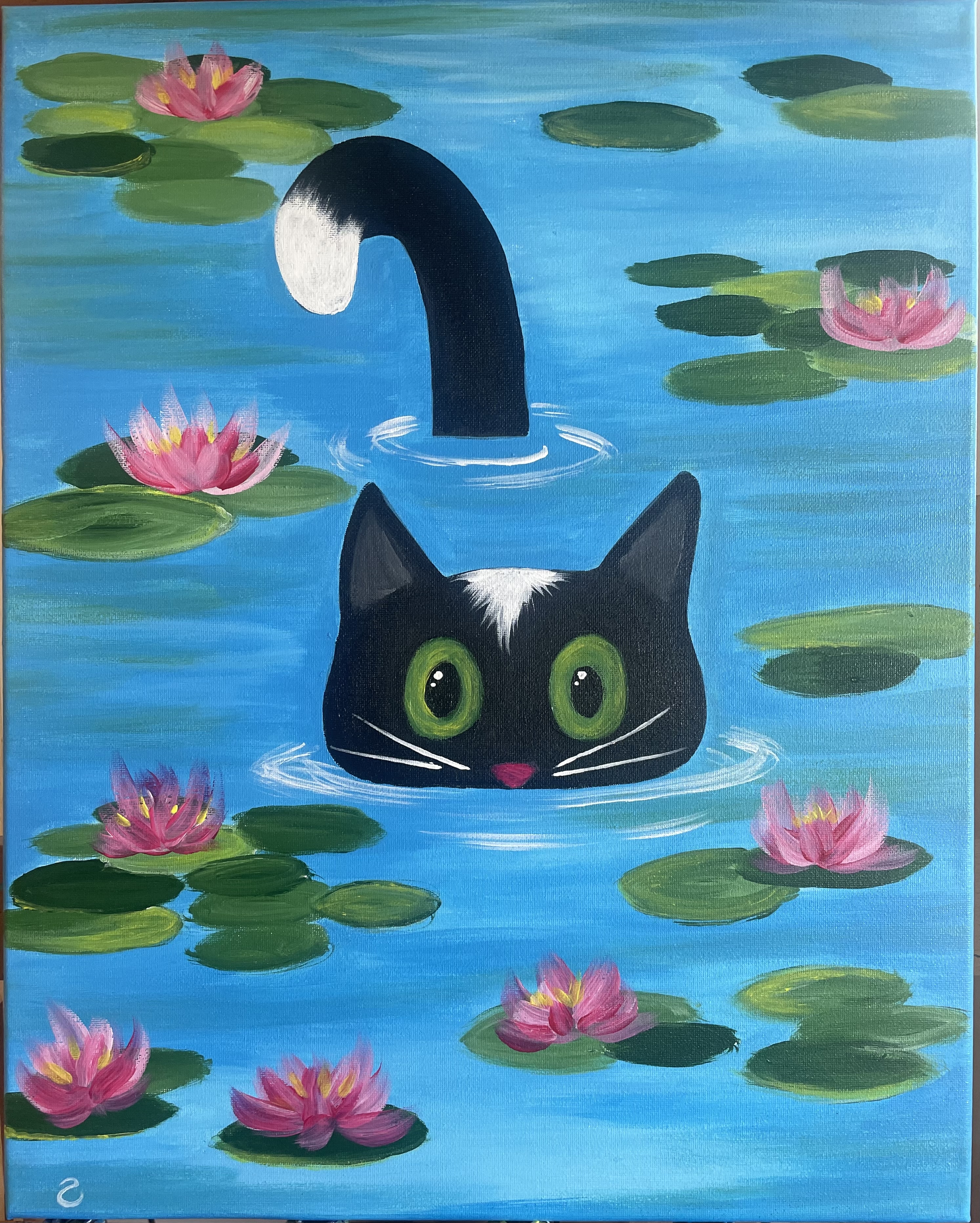
- Cats and dogs
- Butterflies
Start with outline drawings, then fill in colors. Seniors can use photos or coloring books as guides.
6. Seasonal Themes
Painting with seasonal ideas adds variety. Seniors can try:
- Spring flowers
- Autumn leaves
- Winter snow scenes
- Summer beach days
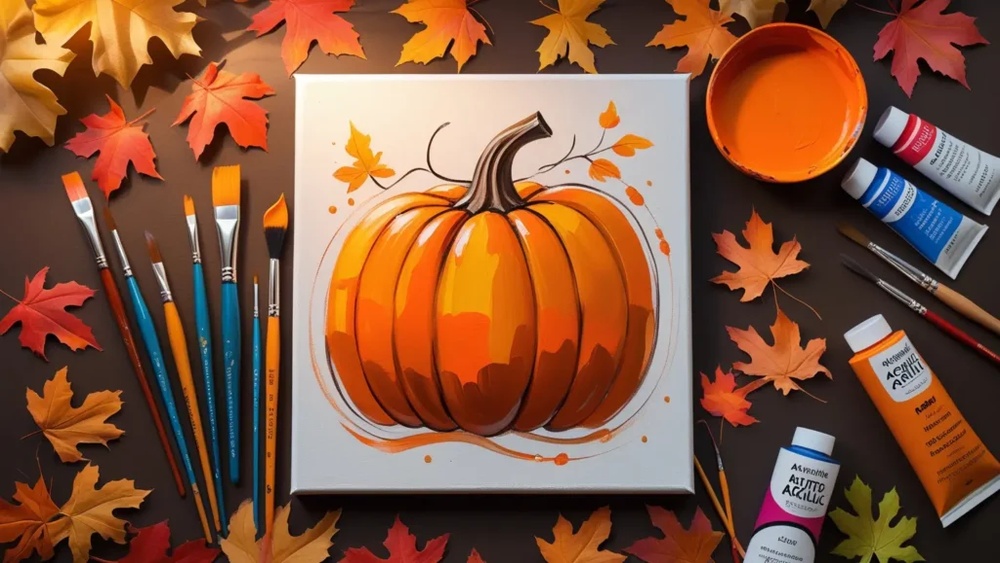
Use color to show the season—like bright yellow for summer or orange for fall.
7. Greeting Cards
Homemade cards are useful and enjoyable to paint. Seniors can make:
- Birthday cards
- Holiday cards
- Thank you notes
Use small pieces of paper, simple images, and fun colors. This idea is perfect for sharing art with friends and family.
8. Memory Scenes
Painting places from memory can be meaningful. Seniors might paint:
- Childhood homes
- Favorite parks
- Travel destinations
This helps trigger positive memories and is good for mental health.
9. Watercolor Flowers
Flowers are easy to paint with watercolors. Seniors can:
- Paint single blossoms
- Create bouquets
- Use soft, gentle washes
Watercolor is forgiving—mistakes blend in and add beauty.
10. Simple Patterns
Patterns are relaxing and repetitive. Seniors can paint:
- Polka dots
- Stripes
- Geometric shapes
This style is good for those who want to paint without thinking too much about the subject.
11. Mandalas
Mandalas are circular designs with repeating shapes. Seniors can:
- Draw a large circle
- Fill it with dots, lines, or petals
- Use bright colors
Mandalas are calming and can be painted with just a few colors.
12. Silhouette Art
Silhouette paintings use dark shapes on light backgrounds. Seniors can paint:
- Tree outlines against a sunset
- Animal shapes
- People in profile
This idea is easy because it focuses on simple shapes.
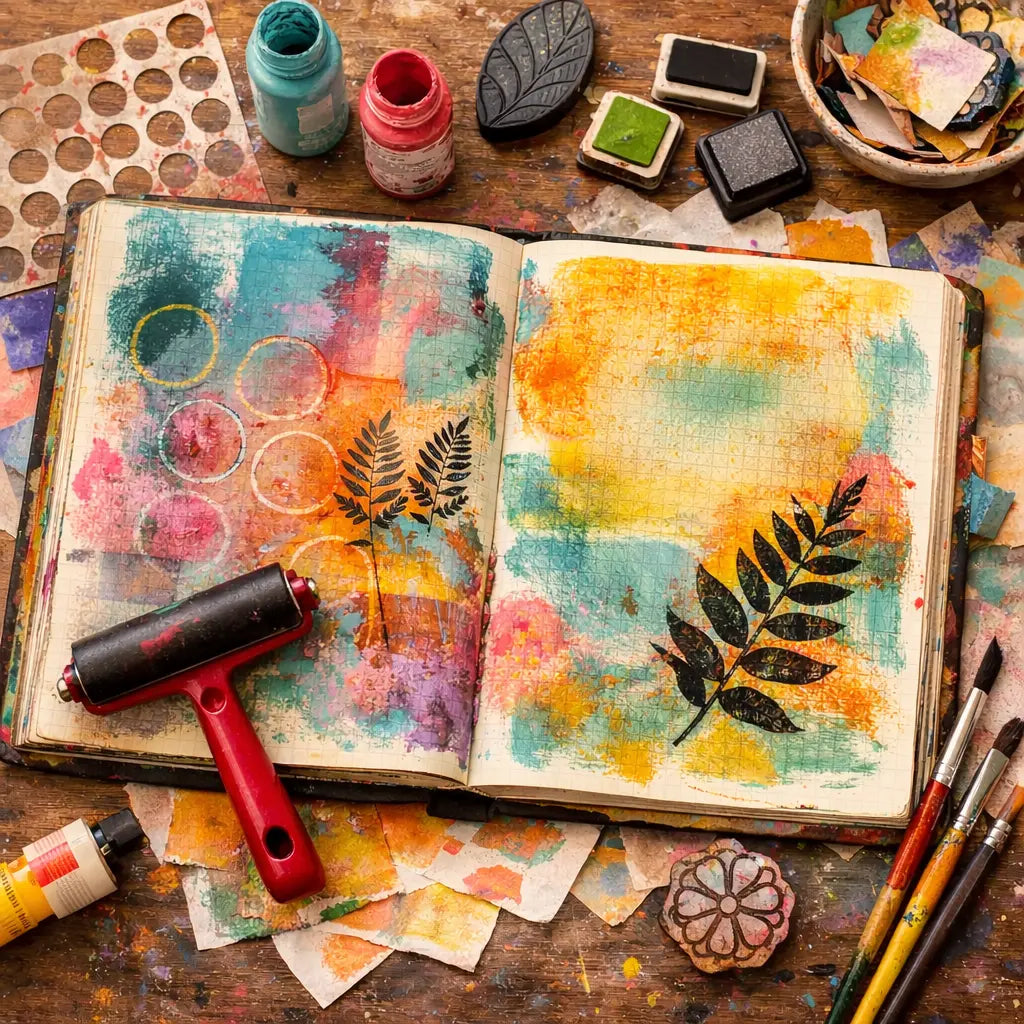
13. Collage Painting
Combine painting with collage. Seniors can:
- Paint a background
- Glue paper shapes on top
- Add painted details
This is good for those who find painting alone difficult.
14. Simple Portraits
Painting faces may seem hard, but simple portraits are possible. Seniors can try:
- Cartoon-style faces
- Basic outlines
- Use only two or three colors
Focus on expressions, not details.
15. Paint By Numbers
Paint by numbers kits are made for beginners. Seniors just:
- Follow the numbered areas
- Use matching colors
- Complete a full painting
Kits come in many themes—animals, landscapes, flowers. This is a confidence booster for new painters.
Choosing The Right Painting Materials
Starting with the right materials makes painting more comfortable for seniors. Here is a comparison of popular painting mediums:
| Medium | Best For | Pros | Cons |
|---|---|---|---|
| Watercolor | Soft, gentle painting | Easy cleanup, forgiving mistakes | Papers can wrinkle, colors are lighter |
| Acrylic | Bold colors, layering | Dries fast, easy to use, affordable | Brushes dry quickly, needs water for cleanup |
| Oil | Detailed painting | Rich colors, long drying time allows corrections | Strong smell, expensive, complex cleanup |
Most seniors prefer watercolor and acrylic because they are easy to handle and clean. Paints in tubes or bottles are easier to squeeze for weak hands.
For brushes, choose:
- Wide brushes for backgrounds
- Small round brushes for details
- Soft handles for easy grip
Paper or canvas should be thick, so it does not bend. Lightweight easels help seniors sit comfortably while painting.
Tips To Make Painting Easier For Seniors
Painting should be enjoyable, not stressful. Here are tips to make the process simpler:
- Use simple designs: Avoid complicated subjects. Focus on shapes and colors.
- Work with larger brushes: They cover more area and require less precision.
- Paint in short sessions: 20-30 minutes is enough for most seniors.
- Keep materials close: Arrange paints, brushes, and water within arm’s reach.
- Protect clothing: Wear aprons or old shirts to avoid stains.
- Start with light colors: It’s easier to add dark colors later.
- Use reference photos: Pictures help guide painting and inspire ideas.
- Try group painting: Painting with others adds fun and encouragement.
Non-obvious insight: Some seniors find holding brushes difficult. Foam grips or pencil holders can be added to brushes to make them easier to hold.
Another overlooked tip: Painting on colored paper (like light blue or yellow) can help weak vision by providing contrast.
Credit: www.wineanddesign.com
How To Organize A Senior Painting Activity
Painting is more fun with friends or family. Organizing a group activity is easy. Here’s how:
- Choose a simple theme: Flowers, landscapes, or cards.
- Prepare materials: Enough paints, brushes, paper, and water cups.
- Set up tables: Arrange seats so everyone can reach supplies.
- Play background music: Calm tunes make the environment relaxing.
- Encourage sharing: Let each person show their work and talk about it.
If possible, invite a local art teacher for guidance. Many community centers offer free painting sessions for seniors.
Common Painting Mistakes Seniors Should Avoid
Even experienced seniors make mistakes. Here are frequent errors and how to prevent them:
| Mistake | Solution |
|---|---|
| Using too much water (for watercolor) | Dip brush, then tap off excess water before painting |
| Painting with dirty brushes | Rinse brushes between color changes |
| Over-mixing colors | Use a palette and keep colors separate |
| Starting with dark colors | Begin with light colors, add dark later |
| Not letting layers dry | Wait a few minutes between layers |
A helpful hint: Have paper towels ready to fix mistakes quickly.
Credit: gelpress.com
How Painting Supports Senior Health
Painting is not just fun—it can improve seniors’ health. Studies show that seniors who paint regularly report:
- Lower blood pressure
- Better mood
- Improved memory
- Higher self-confidence
In fact, according to NIH research, art activities help delay symptoms of dementia and depression.
Inspiring Painting Examples From Real Seniors
Real-life stories show how painting helps seniors. For example, Mary, age 78, started painting nature scenes after retirement. She says it gives her a sense of peace and helps her remember family picnics.
John, age 82, enjoys painting greeting cards for his grandchildren. He feels proud when they display his cards at home.
These stories prove that painting can bring joy, no matter your age or skill.

Credit: www.bibliotecaoscura.com
Frequently Asked Questions
What Is The Easiest Painting Style For Seniors?
The abstract style is easiest because it does not require realistic drawing. Seniors can use shapes, colors, and patterns to create art without worrying about mistakes.
Which Paint Is Safest And Easiest For Seniors?
Watercolor paint is safe, easy to clean, and gentle on the skin. It does not have strong smells or chemicals, making it ideal for seniors.
How Can Seniors Paint If They Have Shaky Hands?
Using large brushes and painting bigger shapes helps. Foam grips or pencil holders can be added to brushes for better control. Seniors can also try finger painting or collage art.
Can Painting Help Seniors With Memory Problems?
Yes. Painting scenes from the past or favorite places can trigger memories and support mental health. Art therapy is often used for seniors with dementia.
Where Can Seniors Find Painting Classes Or Groups?
Many community centers, libraries, and senior centers offer painting classes. Online groups and video tutorials are also available. For more details, check National Endowment for the Arts.
Painting is a wonderful hobby for seniors. With easy ideas, simple materials, and friendly support, anyone can start. Remember, art is about enjoyment, not perfection. If you’re a senior or know someone who is, encourage them to pick up a brush and let creativity flow.
The benefits go far beyond the finished picture—painting brings happiness, confidence, and new connections.