Cleaning oil paint brushes can be a surprisingly big challenge for artists. The strong smell of turpentine or mineral spirits often fills studios and homes, making the cleaning process uncomfortable or even unhealthy. If you paint at home, have sensitive family members, or just dislike chemical odors, you probably want a better way. The good news: you can clean oil paint brushes effectively without odor using simple, safe methods. This guide explains everything you need for odorless cleaning, from step-by-step instructions to expert tips that protect both your brushes and your health.
Why Odor-free Cleaning Matters
Many people are sensitive to the strong smells from traditional brush cleaners. These odors can trigger headaches, allergies, or nausea. In poorly ventilated spaces, fumes from solvents like turpentine are not just unpleasant—they can be harmful. Children, pets, and anyone with asthma are especially at risk.
Some artists even give up oil painting because of the mess and smell.
Odorless cleaning methods let you enjoy oil painting without sacrificing comfort or safety. They also help you keep a cleaner, fresher workspace and avoid complaints from housemates or neighbors. These methods are now popular in schools, shared studios, and home art corners.
Understanding The Basics: How Oil Paint Sticks To Brushes
Oil paint is sticky. It clings to brush hairs and stays wet for hours, sometimes days. This stickiness is why oil painting is so flexible—but it’s also why cleaning is harder than with water-based paints. Most standard cleaning solutions use strong solvents to break down the oil, but they often smell bad and can be harsh on your skin and brushes.
To clean a brush without odor, you need two things:
- A safe cleaning agent that dissolves oil paint, but doesn’t release fumes.
- A good cleaning process that removes all paint from deep inside the bristles.
Many artists don’t realize that even tiny bits of paint left in a brush can ruin it over time. The bristles get stiff, lose their shape, or even fall out. Odorless cleaning can protect your expensive brushes for years.
Odorless Cleaning Solutions: What Works Best
Several products and home ingredients can clean oil paint brushes without odor. Let’s compare the most popular options.
| Cleaning Solution | Odor Level | Effectiveness | Brush Safety | Cost |
|---|---|---|---|---|
| Odorless Mineral Spirits | Low | High | Safe if rinsed well | Medium |
| Safflower Oil | None | Medium | Very safe | Low |
| Linseed Oil | Very low | Medium | Very safe | Low |
| Baby Oil | None | Medium | Very safe | Low |
| Eco-friendly Brush Cleaners | None/Low | High | Very safe | High |
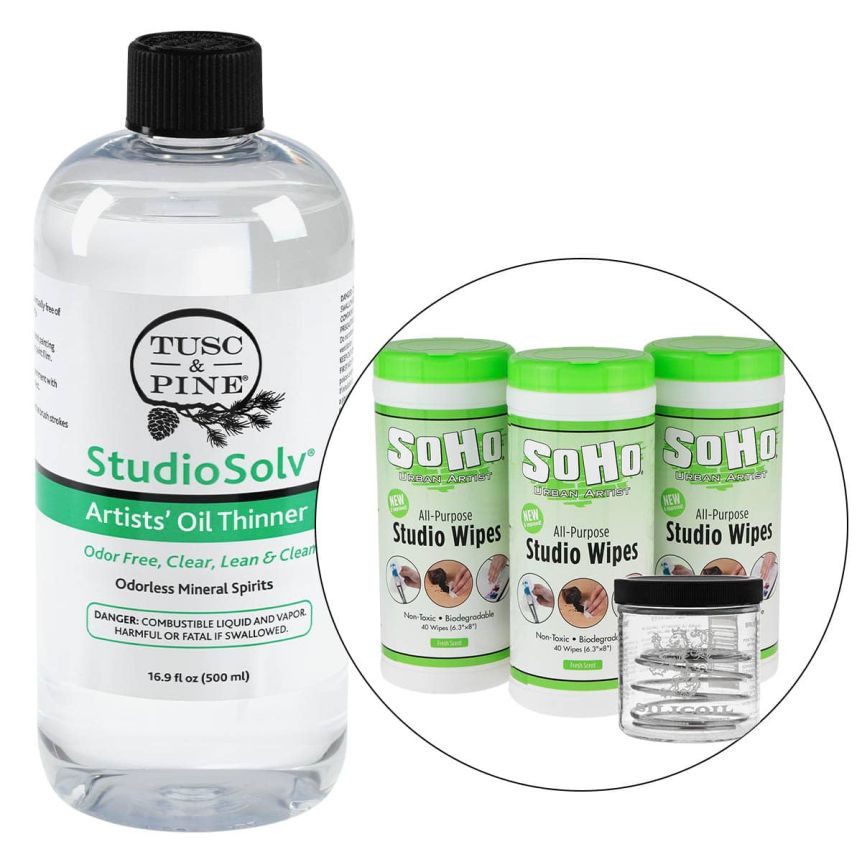
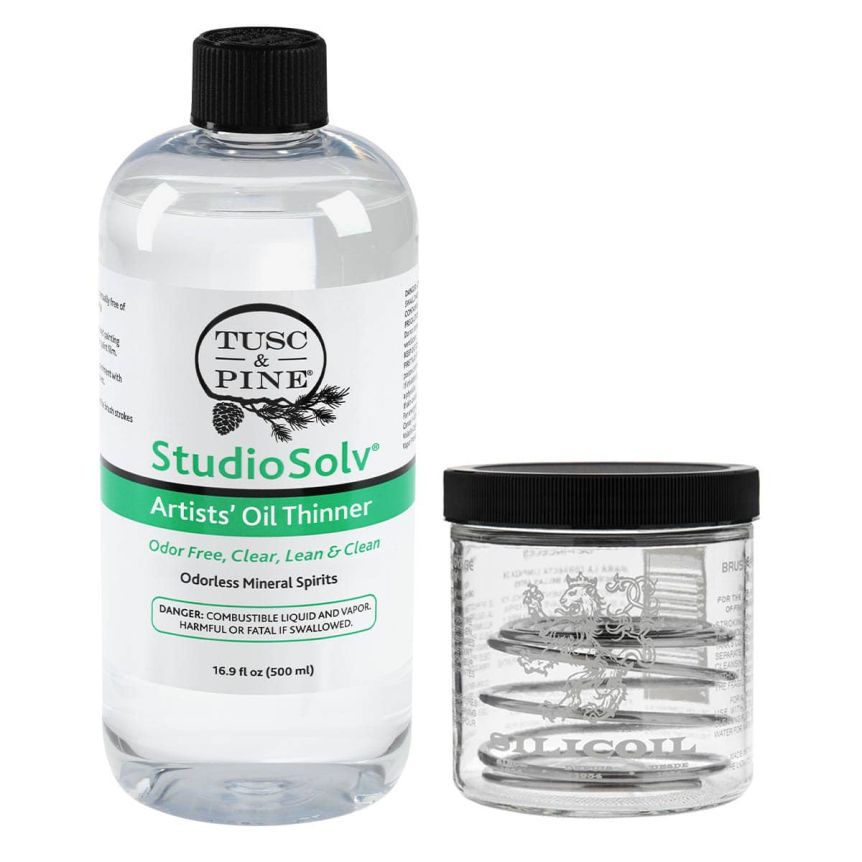
Odorless mineral spirits are the closest alternative to traditional turpentine. They clean well and have almost no smell, but they are still chemicals, so always use them with care. Natural oils like safflower or linseed oil are completely odorless and gentle, but they take a bit more effort. Eco-friendly brush cleaners are new products, often plant-based, made for artists who want to avoid all fumes and toxins.
Step-by-step Guide: Cleaning Oil Paint Brushes Without Odor
Follow these steps for a thorough, odor-free clean:
1. Wipe Off Excess Paint
Right after painting, use a rag or paper towel to gently wipe as much paint as possible from your brush. Don’t let the paint dry in the bristles. The more you remove now, the easier cleaning will be.
2. Use An Odorless Cleaning Agent
Pour a small amount of your chosen odorless cleaner (like safflower oil or odorless mineral spirits) into a jar. Dip the brush in and swirl it gently. Press the bristles against the side to help the cleaner reach deep inside.
Pro Tip:
Use two jars—one for the first rinse, and another with fresh cleaner for a final rinse. This prevents dirty paint from sticking to your brush again.
3. Work Out The Paint
After soaking, use your fingers or a brush comb to work the paint out from the base of the bristles. If you use your hands, always wear gloves to avoid skin contact with paint or solvents.
4. Wash With Mild Soap
Next, clean the brush with a gentle soap. Artist’s brush soap or even baby shampoo works well. Lather the soap in your hand, then gently massage the bristles. Rinse with warm (not hot) water. Repeat until the water runs clear.
5. Rinse And Reshape
Rinse your brush thoroughly to remove all soap and cleaner. Gently squeeze out water with a towel, then reshape the bristles with your fingers.
6. Dry Properly
Lay brushes flat or hang them with the bristles pointing down to dry. Never stand brushes upright while wet—water can seep into the handle and loosen the glue.
Example Cleaning Routine
Here’s how a professional artist might clean a brush using safflower oil and soap:
- Wipe off excess paint with a rag.
- Swirl the brush in safflower oil until most paint is gone.
- Wipe again, then dip in fresh oil if needed.
- Lather with mild soap and rinse.
- Repeat soap and rinse until clean.
- Reshape and dry.
This routine leaves brushes clean and soft, with zero chemical smell.
Credit: www.jerrysartarama.com
Comparing Popular Odorless Brush Cleaners
It can be hard to choose among so many odorless products. Here’s a side-by-side look at common cleaners.
| Product | Main Ingredient | Best For | Downsides |
|---|---|---|---|
| Safflower Oil | Natural oil | Regular cleaning, sensitive users | May leave residue if not washed with soap |
| Odorless Mineral Spirits | Refined petroleum | Heavy paint, fast cleaning | Still a chemical; use gloves |
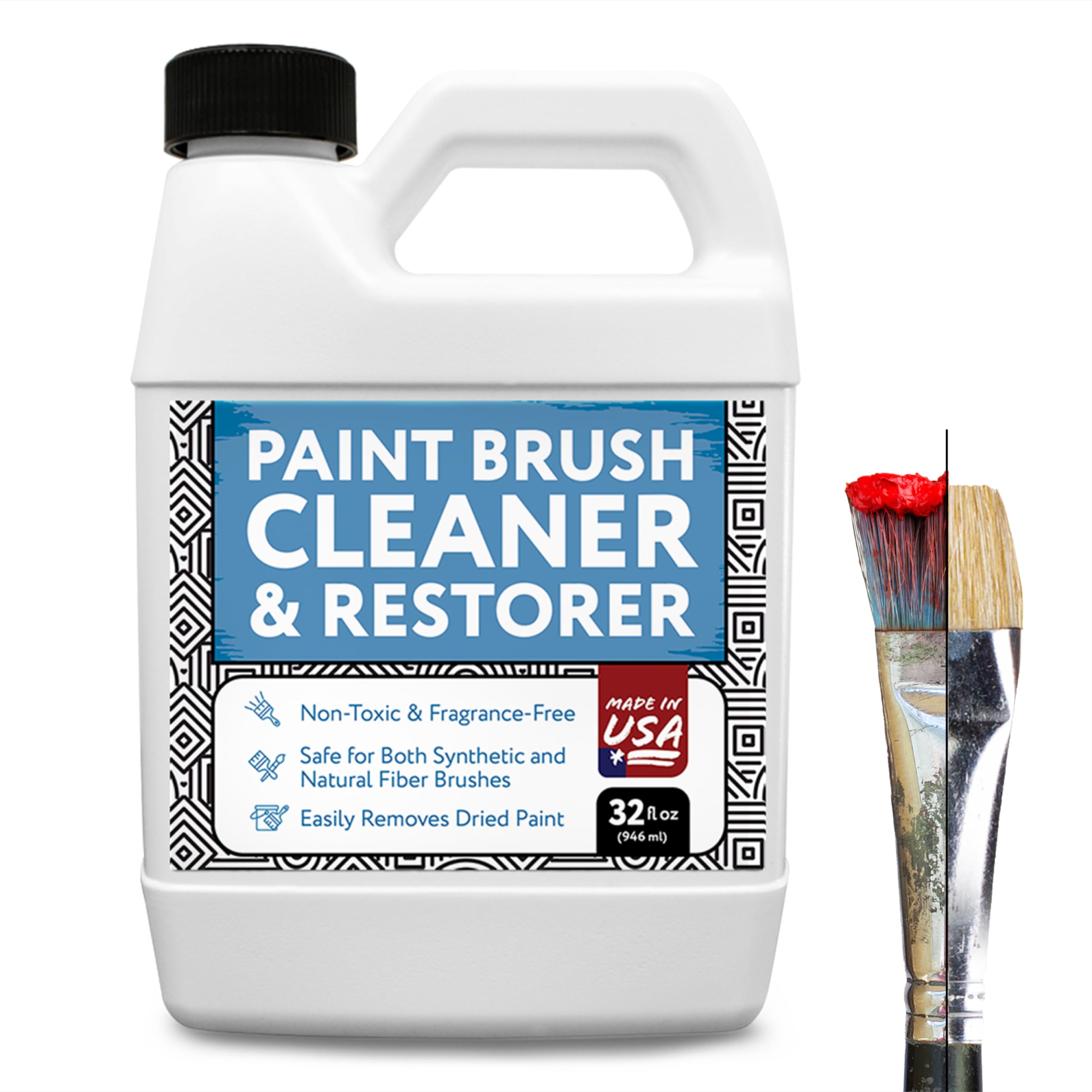
| The Master’s Brush Cleaner | Vegetable-based soap | Deep cleaning, brush conditioning | Higher price, may need more time |
| Baby Oil | Mineral oil | Budget-friendly, soft bristles | Must wash out oil fully after use |
Mistakes To Avoid When Cleaning Oil Paint Brushes
Many beginners make errors that shorten the life of their brushes or leave them dirty. Here are the most common mistakes and how to avoid them:
1. Letting Paint Dry In The Brush
Dried oil paint is almost impossible to remove. Clean brushes immediately after use.
2. Using Hot Water
Hot water can soften glue and make bristles fall out. Always use warm or cool water.
3. Not Washing Out Oil
After using safflower or baby oil, always follow up with soap and water. Leftover oil can mix with new paint colors or turn rancid.
4. Standing Brushes Upright While Wet
This drives water into the ferrule (the metal part), causing bristle loss.
5. Skipping The Second Rinse
The first rinse removes most paint, but a second rinse gets rid of hidden color and cleaner.
Credit: www.amazon.com
Deep Cleaning: When And How To Restore Old Brushes
Sometimes, a brush gets stiff or clogged even with regular cleaning. If your brush feels rough or holds its shape badly, try a deep clean:
- Soak the brush in odorless mineral spirits for 15–30 minutes.
- After soaking, use a brush comb or old toothbrush to gently break up dried paint.
- Wash with a strong artist’s soap, lathering several times.
- Rinse thoroughly and reshape.
This process can save brushes you thought were ruined. But if the bristles are split or falling out, it may be time for a new brush.
Keeping Your Workspace Odor-free
Odorless cleaning is about more than just the cleaner you use. Here are extra steps for a fresh studio:
- Use closed jars for cleaning agents so fumes stay inside.
- Ventilate your space, even if there’s no strong smell.
- Dispose of rags and paper towels in a sealed container to prevent lingering paint smells.
- Wash hands thoroughly after cleaning to avoid carrying paint or cleaner smells to food or eyes.
Is Water Ever Enough?
Some new artists wonder if plain water can clean oil paint brushes. The answer is no—water and oil don’t mix. You need an oil-based or solvent-based cleaner to break down oil paint. However, after using oil or a cleaner, a water wash with soap is important to finish the process.
Practical Tips For Long-lasting Brushes
Well-cared-for brushes can last for years, even decades. Here are tips to get the most from your tools:
- Clean immediately after each session for best results.
- Condition natural hair brushes with a tiny drop of linseed oil after drying.
- Store brushes flat or upright, never with bristles down.
- Rotate brushes if you have several, so none wear out too fast.
Credit: www.jerrysartarama.com
Are “odorless” Cleaners Truly Odor-free?
Many products are labeled “odorless” but may still have a faint smell. For most people, modern odorless mineral spirits or natural oils are close to scent-free. If you are very sensitive, test the cleaner with a small brush before using it regularly.
Some eco-friendly cleaners are 100% plant-based and have no chemical smell at all. Always check the label and, if possible, buy from brands with good safety records. For more on brush safety and cleaning, visit the WikiHow oil brush cleaning guide.
Frequently Asked Questions
How Often Should I Clean My Oil Paint Brushes?
Clean brushes after every painting session. Even if you plan to use the same color later, wipe the brush and store it in oil. For best results and brush life, do a full clean with soap and water before storing.
Can I Use Vegetable Oil From My Kitchen To Clean Brushes?
Yes, kitchen oils like safflower or canola oil can help remove paint. They work best as a first step, but always finish with soap and water. Avoid olive oil, which can be sticky and hard to wash out.
What Should I Do With Leftover Cleaning Oil Or Rinse Water?
Never pour used cleaner down the drain. Collect it in a sealed jar and take it to a local hazardous waste center. Some cleaning oils can be filtered and reused, but always follow local disposal rules for safety.
Are Odorless Mineral Spirits Safe For Children And Pets?
Odorless mineral spirits are much safer than turpentine, but they are still chemicals. Keep them out of reach of children and pets, and always close lids tightly. For homes with young kids, consider only plant-based, food-safe oils.
What’s The Best Way To Store Clean Brushes?
After cleaning, dry brushes flat or hanging with bristles down. When fully dry, store them upright in a jar or brush holder, with plenty of space between brushes to keep bristles in shape.
Cleaning oil paint brushes without odor is simple with the right methods and products. You protect your health, extend your brushes’ life, and enjoy a fresher creative space. With practice, these techniques become second nature—so you can focus on your art, not on the mess.