PaintingProGuide is reader-supported. When you buy through links on this page we may earn an affiliate commission at no extra cost to you.
Quick answer: A water brush pen is better for travel, urban sketching and quick color work because it carries its own water and cleans on a paper towel. A regular paintbrush is better for studio watercolor because it holds more water, gives finer control over large washes and comes in far more shapes and hair types. Many painters use both: a water brush on the go and traditional brushes at the desk.
The water brush pen vs brush question comes up as soon as you start sketching outside the house. Both put watercolor on paper, but they handle water in completely different ways, and that changes how your paintings look and how much gear you carry.
Below we compare a water brush vs a traditional paintbrush on control, washes, detail, portability, cost and maintenance, then explain who should use which. If you already know you want a water brush, jump to our picks for the best water brush pens.
What Is the Difference Between a Water Brush Pen and a Regular Brush?
A water brush pen has a hollow, squeezable plastic barrel that holds water and a synthetic nylon tip. Water feeds from the barrel through a valve or filter into the tip, so the brush stays damp. You squeeze to add water and wipe on a paper towel to clean.
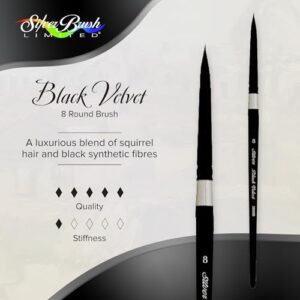
A regular paintbrush is a handle, a metal ferrule and a head of natural or synthetic hair. It holds only the water and paint you load by dipping into a water jar and palette, and you rinse it in that jar between colors.
The main difference is where the water lives. With a water brush, the reservoir is in your hand. With a traditional brush, it is in a separate container, and the brush head itself acts as the reservoir.
Water Brush Pen vs Brush: Side-by-Side Comparison
| Factor | Water Brush Pen | Regular Paintbrush |
|---|---|---|
| Water source | Built-in refillable barrel | Separate water jar |
| Cleaning between colors | Squeeze and wipe on paper towel | Rinse in water, blot |
| Water control | Squeeze pressure; steady but limited | Load amount; very fine control with practice |
| Large washes | Harder; can streak | Easier with a large round, mop or flat |
| Fine detail | Good with a fine or detailer tip | Excellent with a small round or rigger |
| Shapes and hair types | Mostly round and flat nylon | Rounds, flats, mops, riggers, filberts; natural and synthetic |
| Portability | Excellent; no spills, no jar | Needs jar, water and space |
| Setup time | Seconds | A few minutes |
| Best for | Urban sketching, travel, journals, pencils and markers | Studio watercolor, large paintings, glazing and wet-in-wet |
| Typical cost | Low; budget multi-packs are cheap | Wide range, from cheap synthetics to costly natural hair |
Control of Water: The Biggest Difference
With a regular brush, you decide exactly how much water goes on the paper by how you load the brush and how much you blot. Experienced painters can go from a dripping wash to a nearly dry stroke in a few seconds. That range is what makes classic watercolor techniques like wet-in-wet, glazing and dry brush work so well.
A water brush gives you a narrower, steadier range. The tip stays consistently damp, and a squeeze adds more. That consistency is great for sketching because you rarely run dry mid-stroke. The trade-off is that very wet effects need repeated squeezing, and too much pressure can release a sudden flood that causes blooms or hard edges.
If you are learning to control water, a regular brush teaches the skill more directly. A water brush is easier to pick up but less flexible once you want advanced effects.
Washes, Detail and Brush Shapes
Large washes
Big, even skies and backgrounds favor traditional brushes. A large round or flat mop holds a lot of paint and water and lays it down in one pass. Water brushes release less water per stroke, so large areas can look streaky unless you work small or wet the paper first.
Fine detail
Both do detail well. A water brush with a fine or detailer tip is great for small lines in a sketchbook. For the finest lines, though, a small traditional round or rigger brush with a sharp point still gives more control.
Shape variety
Water brushes mostly come in rounds and flats in small, medium and large, with a few specialty tips such as Kuretake’s flexible and firm Menso tips. Traditional brushes come in dozens of shapes and hair types. To understand traditional brush shapes and sizes, see our watercolor brush sizes guide for beginners.
Travel and Urban Sketching vs Studio Painting
When a water brush pen wins
- Urban sketching and travel: No jar to tip over on a café table, train seat or park bench.
- Hiking and plein air: Pens with larger tanks, like the 9 ml Sakura Koi water brush, reduce refills.
- Art journals and planners: Quick color, little mess.
- Watercolor pencils and water-based markers: A water brush activates and blends color in seconds.
- Kids and classrooms: Fewer spills and easier cleanup.
When a regular brush wins
- Studio watercolor paintings on larger sheets.
- Techniques that need lots of water, such as wet-in-wet skies and large graded washes.
- Glazing, where you need precise control over how much water each layer adds.
- Specialty strokes that need mops, riggers or filberts.
- Thicker paint like gouache applied with body.
Cost, Durability and Maintenance
Water brush pens are inexpensive. Budget six- and twelve-piece sets cost very little per pen, and even premium Japanese sets cost less than a single high-end natural-hair watercolor brush. The trade-off is lifespan: nylon tips eventually fray, and plastic barrels and seals can wear out or start to leak.
Traditional brushes range from cheap synthetic multi-packs to expensive sable rounds. A well-made brush that is rinsed, reshaped and stored properly can last for years, which spreads the cost out over time.
Maintenance is different too. A water brush needs flushing until it runs clear, an occasional barrel rinse, and an empty barrel before flying. A regular brush needs rinsing, gentle reshaping and drying flat or tip-up so water does not sit in the ferrule. Neither is difficult, but forgetting to clean either one is the fastest way to ruin it.
Pros and Cons
Water brush pen pros
- Self-contained water supply; no jar needed
- Fast setup and fast cleanup on a paper towel
- Consistent dampness, good for sketching
- Inexpensive; budget sets cost little per pen
- Can be filled with ink as a refillable brush pen
Water brush pen cons
- Limited water release for big washes
- Squeezing too hard can flood the paper
- Fewer shapes and only synthetic tips
- Can leak if overfilled or exposed to pressure changes
Regular paintbrush pros
- Maximum control over water and paint load
- Huge range of shapes, sizes and hair types
- Better for large, smooth washes and advanced techniques
Regular paintbrush cons
- Needs a water container and more space
- Slower setup and cleanup
- Quality brushes, especially natural hair, can be costly
Can a Water Brush Replace a Regular Brush?
For sketching, journaling and small paintings, a water brush can be the only brush you carry. For full watercolor paintings, it works better as a companion than a replacement. Most painters who sketch on location keep a few water brushes in their bag and a set of traditional brushes at home.
Many people also use the two together: a traditional brush for the main washes and a water brush for quick details or for softening edges without reaching for the jar. If you want to try that, our step-by-step guide on using a water brush pen with watercolor and pencils covers the basics.
Which Should You Buy?
- You sketch on the go: Start with a water brush set that includes a small round, a large round and a flat. The Pentel Aquash 4-pack is a widely used option.
- You paint mainly at a desk: Invest in traditional brushes first. Our best watercolor brushes guide covers rounds, flats and mops.
- You do both: A couple of good traditional rounds plus an inexpensive water brush set gives you the most flexibility.
Water brushes are simple, but they do occasionally clog, leak or stop flowing. If that happens, see our guide on fixing a water brush pen that is not working.
FAQs
Is a water brush pen better than a regular brush?
Not overall. A water brush pen is better for portability, quick sketches and blending pencils or markers. A regular brush is better for large washes, precise water control and studio painting.
Can you use a water brush pen like a normal brush?
Yes. You can leave the barrel empty or unscrewed and dip the tip into water and paint like a normal brush, though the nylon tip holds less than most traditional brushes of a similar size.
Are water brushes good for beginners?
Yes. They are inexpensive, easy to set up and less messy, which helps beginners start painting quickly. Learning on a traditional brush as well will teach water control more thoroughly.
Why do my water brush washes look streaky?
Water brushes release less water per stroke than a loaded regular brush, so large areas can dry unevenly. Work in smaller sections, squeeze lightly but steadily, or pre-wet the area with clean water before adding color.
Do professional artists use water brushes?
Many urban sketchers and illustrators use water brushes for location work and journaling, often alongside traditional brushes for studio pieces.
Final Recommendation
Choose a water brush pen if portability and speed matter most, and a regular brush if you want full control over water for larger, more refined watercolors. For most hobby painters, the best answer is one of each. To pick a reliable water brush set for your bag, start with our water brush pen buying guide and top picks.