Quick answer: You can use watercolor on normal paper, but the results are limited. Standard printer paper (about 20 lb / 75 gsm) wrinkles, soaks up paint unevenly and may tear when wet, so it only suits quick color tests, tiny sketches or kids’ play. Heavier everyday papers like cardstock and drawing paper cope better with light washes. For anything you want to keep, use watercolor or mixed media paper.
Can you use watercolor on normal paper when that is all you have in the house? Yes, and sometimes it is a perfectly reasonable choice. But “normal paper” covers a wide range, from flimsy copy paper to sturdy cardstock, and each reacts to water differently. Knowing what will happen saves frustration and helps you get the best out of whatever is in the drawer.
Below you will find how common household papers behave with watercolor, a few tricks that make them more usable, and a clear point where switching to real watercolor paper makes sense. When you reach that point, our guide to the best watercolor paper for artists lists sheets that handle water properly at different price levels.
Why Normal Paper Struggles With Watercolor
Watercolor is mostly water. Paper made for printing and writing is built to absorb a tiny amount of ink and dry instantly, not to hold a puddle of paint for a minute while you blend it. Three things go wrong.
- Too thin: printer paper is around 75 to 90 gsm. Watercolor paper usually starts at about 190 gsm and the standard is 300 gsm. Thin fibers swell quickly and the sheet ripples, a problem called cockling.
- Weak or wrong sizing: sizing controls how fast water soaks in. Office papers are sized for ink and toner, so watercolor often sinks in unevenly, creating blotches and fuzzy edges.
- Short fibers: wood-pulp paper with short fibers loses strength when wet. Scrubbing or repeated brushing can pill, tear or wear holes in it.
How Different Everyday Papers Handle Watercolor
| Paper | Typical weight | What happens with watercolor | Verdict |
|---|---|---|---|
| Printer/copy paper | 20 to 24 lb (75 to 90 gsm) | Wrinkles fast, bleeds, may tear; color looks dull | Color swatches and doodles only |
| Notebook paper | Light, often 60 to 75 gsm | Similar to printer paper; lines show through | Avoid |
| Sketch paper | 50 to 70 lb (about 75 to 110 gsm) | Light washes possible; buckles with more water | Quick sketches and value studies |
| Drawing paper | 70 to 100 lb (about 110 to 160 gsm) | Handles light layering; some cockling | Acceptable for small practice pieces |
| Cardstock | 65 to 110 lb cover (about 175 to 300 gsm) | Holds shape better; surface may resist or streak | Good for cards, kids’ crafts, light washes |
| Construction paper | Varies | Absorbs fast, colors look muted, fades over time | Kids’ projects only |
| Mixed media paper | About 90 to 140 lb (190 to 300 gsm) | Takes moderate washes reasonably well | A solid step up for practice |
| Watercolor paper | 140 lb (300 gsm) and up | Designed for repeated wetting and blending | Best choice for real paintings |
Can You Use Watercolor on Printer Paper?
Technically yes, practically only for small, quick work. Expect the page to curl and wave within seconds of a wet stroke. Colors often look duller because pigment sinks into the fibers rather than resting near the surface. Layering two or three washes tends to rough up the surface.
Printer paper is still useful for:
- Testing color mixes before using them on good paper.
- Making simple swatch charts of a new set.
- Very small, nearly dry sketches.
- Letting young children explore paint without worrying about cost.
How to Use Watercolor on Normal Paper: Tips That Help
If normal paper is what you have, these adjustments reduce the usual problems.
- Choose the heaviest sheet available. Cardstock or drawing paper performs far better than copy paper.
- Tape it down on all sides. Use painter’s or artist tape to fix the paper to a board, clipboard back or hardcover book. This limits curling and keeps the surface steadier.
- Work small. A postcard-sized area is easier to control than a full sheet, and buckling stays manageable.
- Use less water, more pigment. Mix paint to a stronger, creamier consistency and use a damp brush rather than a dripping one.
- Paint once, then leave it. Lay a wash and avoid going back over it. Re-brushing is what damages thin paper.
- Let layers dry fully. Wait until the sheet is completely dry before adding another color. A hair dryer on a cool setting, held at a distance, speeds this up.
- Skip heavy techniques. Wet-in-wet, lifting and scrubbing are hard on normal paper. Stick to wet-on-dry shapes and simple washes.
- Flatten afterward. Once fully dry, press the page between clean sheets under heavy books for a day.
Techniques That Work Best on Normal Paper
Some styles suit thin or ordinary paper better than others. Lean into these and the paper’s limits matter less.
- Line and wash: draw with a waterproof pen, then add small touches of color. The lines carry the image, so the paper does not need to handle big washes.
- Dry brush: a nearly dry brush leaves textured strokes and adds little water.
- Flat color shapes: fill small, separate shapes one at a time instead of blending large areas.
- Watercolor pencils: color with the pencils first and activate lightly with a barely damp brush.
- Gouache: opaque gouache uses less water and covers in fewer layers, so it often looks better on thin paper than transparent watercolor.
Can You Make Normal Paper More Watercolor-Friendly?
A few preparation tricks can improve heavier everyday papers. They are worth trying on a scrap first.
- Watercolor ground: an acrylic-based primer made to accept watercolor. Brushed onto cardstock or drawing paper, it adds absorbency and tooth. Let it cure fully before painting.
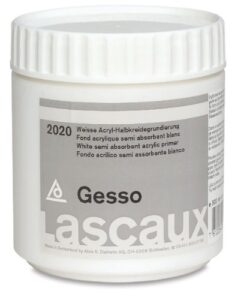
- Acrylic gesso: gives a sturdier surface but changes how watercolor behaves; paint tends to bead and sit on top, which can create interesting textures but makes smooth washes difficult.
- Mounting: gluing paper to cardboard or mat board with a thin layer of glue stick or PVA before painting prevents curling. Use a light, even coat to avoid lumps.
These methods add cost and time. At some point, buying a pad of student-grade watercolor paper is simpler.
A Quick Test to Check Any Paper Before Painting
If you are not sure how a paper will behave, a two-minute test tells you more than the label. Cut a small strip or use a corner and try the following.
- Water test: brush a stripe of clean water across the paper. Watch how fast it soaks in and whether the paper ripples immediately.
- Wash test: paint a 2-inch square of a single color. Check whether it dries evenly or blotchy, and whether the edges turn fuzzy.
- Layer test: once dry, paint a second stroke across half the square. If the first layer lifts or the surface pills, the paper will not tolerate glazing.
- Scrub test: gently brush a damp area back and forth five or six times. Thin paper may roughen or tear here.
- Drying test: leave the strip to dry and see how much it curls or waves.
A paper that passes the first two tests is fine for quick sketches. One that passes all five is close enough to real watercolor paper for practice.
Normal Paper for Kids and Classrooms
For young children, normal paper is often the practical choice. Kids tend to use lots of water, so the heaviest affordable option helps: cardstock or large sheets of sulphite drawing paper hold up far better than copy paper. Taping the sheet to the table keeps it from sliding and curling. Washable watercolor sets and fat round brushes also reduce frustration. If paintings are going home in backpacks, let them dry flat overnight first so they do not stick together.
Will Watercolor on Normal Paper Last?
Longevity is another reason to avoid ordinary paper for anything you want to keep. Many everyday papers are not acid-free, and acidic paper can yellow and become brittle over the years. Construction paper is particularly prone to fading. Watercolor paper is usually labeled acid-free or archival, and cotton papers are generally considered especially durable.
If a sketch on printer paper turns out well, scan or photograph it soon, then consider repainting it on proper paper.
Normal Paper vs Watercolor Paper: What You Actually Gain
Switching to watercolor paper is not just about avoiding wrinkles. It opens up the techniques that make watercolor distinctive.
- Longer blending time for smooth gradients and soft skies.
- Wet-in-wet effects where colors drift into each other.
- Lifting highlights back out with a damp brush.
- Glazing many transparent layers without muddying or damaging the surface.
- Texture from cold press or rough surfaces that makes pigment granulate attractively.
- Flatness when taped or stretched, so paint does not pool.
For learners, this matters more than it seems. Practicing on paper that cannot blend can make watercolor feel harder than it is, and habits built to cope with thin paper do not always transfer well.
Does the Type of Watercolor Paint Matter?
Somewhat. Student-grade pans and children’s sets often contain more filler and less pigment, so painters compensate by using more water and more scrubbing, which is exactly what thin paper handles worst. Tube paints and artist-grade pans give stronger color from less water, which reduces buckling. Liquid watercolors and watercolor markers lay down intense color with very little moisture, so they are often the most successful option on ordinary paper. Watercolor pencils sit somewhere in between and are easy to control.
Budget Ways to Practice Without Normal Paper
- Buy student-grade cellulose watercolor paper in a large pad. It is inexpensive per sheet and far more forgiving than copy paper.
- Cut full sheets into smaller pieces. One large sheet can give you eight or sixteen practice cards.
- Use both sides. Practice exercises on the back of failed paintings.
- Try mixed media pads. They are a good middle ground if you also use markers or pencils.
- Save cotton paper for finished work. Use cheaper paper for studies, then move to better sheets for pieces you want to keep.
Mixed Media Paper: The Practical Middle Ground
If you paint only occasionally, or you mix watercolor with markers, ink and colored pencil, mixed media paper is worth a look. It is heavier than drawing paper and sized to accept some water, so light washes behave far better than on normal paper. It will not match cotton watercolor paper for big, wet washes, but it is a significant step up from household paper.
Common Mistakes
- Loading the brush like you would on watercolor paper: normal paper needs much less water.
- Trying to fix a mistake by scrubbing: thin paper tears. Let it dry and paint over, or start again.
- Painting on an untaped loose sheet: it curls toward the wet side immediately.
- Judging your skill by results on copy paper: poor blends may be the paper’s fault, not yours.
- Using notebook or lined paper: the printed lines and very light weight make it the worst option.
FAQs
Can you use watercolor on printer paper?
Yes, for small tests and doodles. It wrinkles, bleeds and can tear, so it is not suited to finished paintings.
What normal paper is best for watercolor?
Heavy cardstock or thick drawing paper is the best everyday option. Mixed media paper is better still if you can get it.
Can you use watercolor on cardstock?
Yes. Cardstock buckles less than thin paper and works for cards and crafts, though some coated cardstocks resist paint and cause streaks.
How do you stop normal paper from wrinkling with watercolor?
Tape all four edges to a board, use less water and stronger paint, work small, and press the dry page under heavy books.
Is sketchbook paper okay for watercolor?
Standard sketchbook paper handles light washes but buckles with more water. Mixed media or watercolor sketchbooks are better for regular painting.
Why does watercolor look dull on normal paper?
Thin, loosely sized paper absorbs pigment into its fibers quickly, so less color stays at the surface to reflect light.
Next Step
Normal paper is fine for testing colors, warming up and letting kids experiment, and heavier everyday sheets like cardstock can handle small, light paintings with a few precautions. For blending, layering and anything you plan to keep, the paper becomes the limit fast.
Even an inexpensive pad of real watercolor paper changes how the paint behaves. Our roundup of watercolor papers that make blending easier compares student and professional options so you can choose one that fits your budget and style.