The best acrylic paint brushes are synthetic, versatile, and durable, offering excellent control and smooth application. Top brands include Winsor & Newton, Princeton, and Da Vinci.
Acrylic painting requires quality brushes for optimal results. Synthetic brushes are ideal because they maintain shape and durability. They offer smooth application and precise control, essential for both detailed and broad strokes. Leading brands like Winsor & Newton, Princeton, and Da Vinci provide a range of brush types, including flat, round, and filbert, catering to diverse artistic needs.
Investing in high-quality brushes enhances your painting experience and ensures longevity. Choosing the right brush can elevate your artwork, making it vibrant and expressive. Always consider factors like bristle type, handle length, and brush shape when selecting your tools.
Essentials Of Acrylic Paint Brushes
Understanding the essentials of acrylic paint brushes can improve your painting skills. The right brush makes a big difference in your artwork. Let’s dive into the key aspects.
Types Of Brush Fibers
Brush fibers come in two types: synthetic and natural. Synthetic fibers are made from nylon or polyester. They are durable and easy to clean. Natural fibers come from animal hair like sable or hog. They hold more paint and provide a smoother finish.
| Fiber Type | Material | Features |
|---|---|---|
| Synthetic | Nylon, Polyester | Durable, Easy to Clean |
| Natural | Sable, Hog | Holds More Paint, Smooth Finish |
Shapes And Sizes
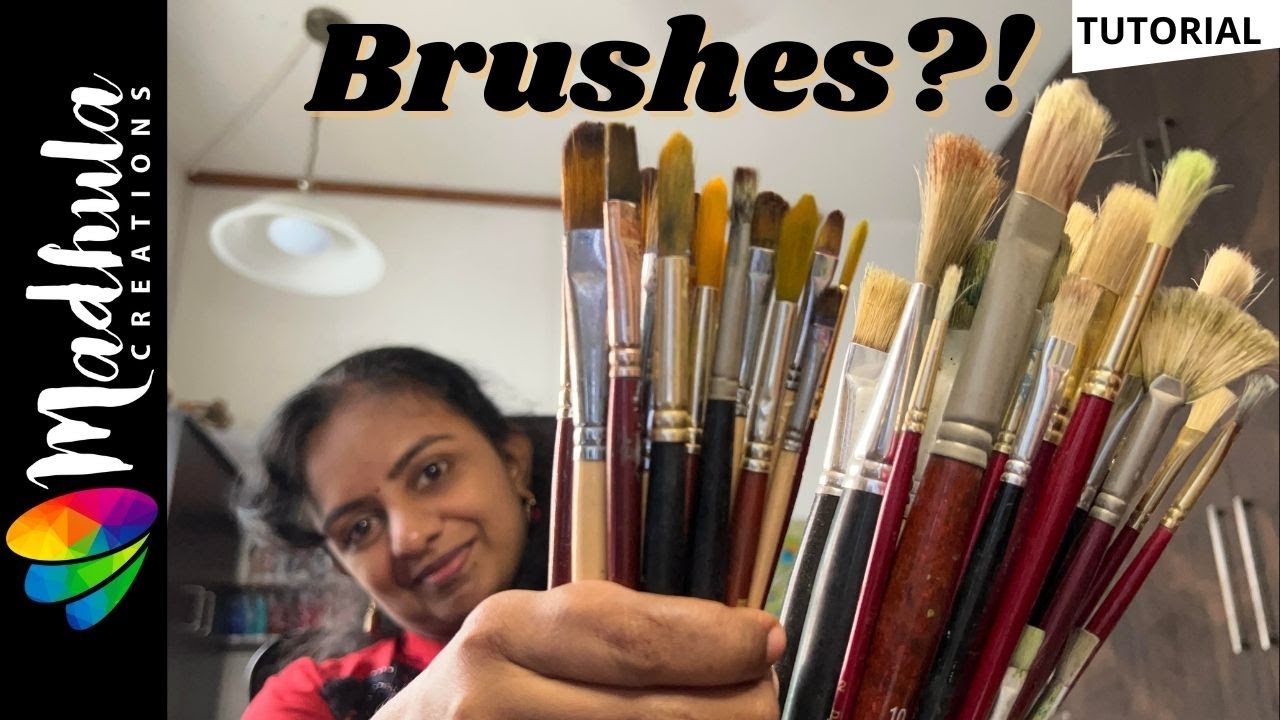
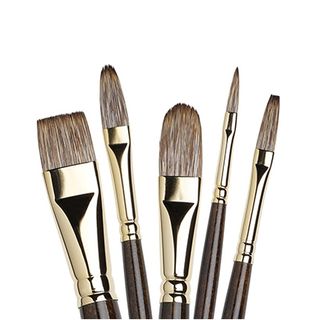
Brushes come in many shapes and sizes. Each has a special use. Round brushes are great for detail work. They create thin to thick lines. Flat brushes are good for bold strokes and filling large areas. They are also ideal for creating sharp edges.
Filbert brushes combine the qualities of round and flat brushes. They are versatile and great for blending. Fan brushes have spread-out bristles. They are perfect for textures like grass or fur.
| Brush Shape | Use |
|---|---|
| Round | Detail Work, Thin to Thick Lines |
| Flat | Bold Strokes, Large Areas, Sharp Edges |
| Filbert | Blending, Versatile Use |
| Fan | Textures like Grass or Fur |
Sizes also matter. Small brushes are for details. Large brushes cover more area. Choose the right size for your task.
Knowing these essentials will help you pick the best acrylic paint brushes. Happy painting!
Credit: m.youtube.com
Qualities Of Top-notch Brushes
Choosing the best acrylic paint brushes can make or break your artwork. High-quality brushes offer better control and smoother strokes. They also last longer and give consistent results. Let’s explore the qualities that make a brush top-notch.
Durability Factors
Durability is crucial for acrylic paint brushes. Top-notch brushes can withstand frequent use and cleaning.
Durable brushes have strong handles and ferrules. The handle should resist cracking and warping. Ferrules should be rust-proof and securely hold the bristles.
| Durability Factor | Description |
|---|---|
| Handle Material | Wood or high-quality plastic that resists cracking. |
| Ferrule Quality | Rust-proof metal that tightly grips the bristles. |
Bristle Retention
Bristle retention is another key quality. Top-notch brushes keep their bristles intact. This prevents shedding during painting.
High-quality brushes use well-secured bristles. They remain firm and don’t splay out. Synthetic bristles often provide better retention for acrylic paints.
- Securely fastened bristles
- Firm and flexible
- Synthetic options for better retention
By focusing on these qualities, you ensure a better painting experience. Choose brushes that promise durability and excellent bristle retention. Your artwork will benefit from these high standards.
Brush Care And Maintenance
Proper care and maintenance of acrylic paint brushes ensure their longevity. Well-maintained brushes deliver consistent performance and make painting enjoyable. Below are essential tips on how to clean and store your brushes effectively.
Cleaning Techniques
Cleaning acrylic brushes immediately after use prevents paint from drying on the bristles. Follow these steps to clean your brushes:
- Rinse the brush under lukewarm water.
- Use mild soap to remove paint residue.
- Gently swirl the brush in the palm of your hand.
- Rinse thoroughly until the water runs clear.
- Blot the brush on a paper towel to remove excess water.
For a deeper clean, use a specialized brush cleaner. This helps remove stubborn paint. Avoid using hot water as it can damage the bristles. Remember to reshape the bristles while the brush is wet.
Storage Solutions
Proper storage keeps your brushes in top condition. Here are some storage tips:
- Store brushes vertically with bristles facing up.
- Use a brush holder or a jar to keep them organized.
- Avoid storing brushes in direct sunlight.
- Ensure brushes are completely dry before storing.
For travel, use a brush roll or a protective case. This prevents damage to the bristles. Proper storage is key to maintaining the shape and quality of your brushes.
| Method | Purpose |
|---|---|
| Vertical Storage | Maintains bristle shape |
| Brush Roll | Protects during travel |
| Dry Before Storage | Prevents mildew |
Popular Brands For Acrylic Brushes
Choosing the right acrylic brush can make a big difference in your painting. Various brands offer brushes with different features. Here, we explore some popular brands recommended by professionals and budget-friendly options.
Professional Artist Recommendations
Professional artists prefer high-quality brushes for their work. Here are some top brands:
- Winsor & Newton: Known for durability and precision. Their brushes hold paint well.
- Princeton: Offers a wide range of synthetic brushes. Great for detailed work.
- Da Vinci: German-made brushes. Known for their excellent craftsmanship.
| Brand | Special Features |
|---|---|
| Winsor & Newton | Durable, precise, excellent paint holding capacity |
| Princeton | Wide range, synthetic, great for details |
| Da Vinci | Excellent craftsmanship, long-lasting |
Budget-friendly Options
Not everyone can afford high-end brushes. Here are some budget-friendly options:
- Royal & Langnickel: Affordable and reliable. Good for beginners.
- Artify: Offers sets at reasonable prices. Suitable for various techniques.
- Crafts 4 All: Inexpensive and versatile. Great for casual artists.
| Brand | Special Features |
|---|---|
| Royal & Langnickel | Affordable, reliable, good for beginners |
| Artify | Reasonable prices, suitable for various techniques |
| Crafts 4 All | Inexpensive, versatile, great for casual artists |
Matching Brushes With Painting Techniques
Choosing the right brush can enhance your painting experience. Different brushes suit different techniques. This guide helps you match brushes with your painting methods.
Detail Work
For fine details, use small brushes. They help you control the paint better. Here are some options:
- Round Brushes: Perfect for lines and small details.
- Liner Brushes: Ideal for fine lines and tiny details.
- Spotter Brushes: Best for very detailed work.
| Brush Type | Best For |
|---|---|
| Round Brush | Lines, Small Details |
| Liner Brush | Fine Lines, Tiny Details |
| Spotter Brush | Very Detailed Work |
Large Area Coverage
To cover large areas, use bigger brushes. They help spread paint quickly. Consider these types:
- Flat Brushes: Great for large strokes and wide areas.
- Filbert Brushes: Good for blending and covering large spaces.
- Bright Brushes: Useful for quick, solid strokes.
| Brush Type | Best For |
|---|---|
| Flat Brush | Large Strokes, Wide Areas |
| Filbert Brush | Blending, Large Spaces |
| Bright Brush | Quick, Solid Strokes |
Set Vs. Individual Brushes
Choosing the best acrylic paint brushes can be tricky. You can buy a set or individual brushes. Both options have benefits and drawbacks. Let’s explore them.
Pros And Cons Of Brush Sets
| Pros | Cons |
|---|---|
|
|
When To Buy Single Brushes
- Specific Needs: If you need a particular type, buy single brushes.
- Quality Control: You can choose high-quality brushes.
- Customization: Build your own set with preferred brushes.
Buying individual brushes offers more control. You can pick exactly what you need. This ensures better quality and performance for your art projects.
Investing In The Right Tools
Investing in the right acrylic paint brushes can transform your art. High-quality brushes can make painting easier and more fun. Good tools help create better art. But how do you choose the best ones?
Cost Vs. Quality
Many people think that expensive brushes are always better. This is not always true. Some affordable brushes offer great quality. Look for brushes with strong bristles. Check if they hold paint well. Compare prices and read reviews.
| Feature | Low-Cost Brushes | High-Cost Brushes |
|---|---|---|
| Bristle Strength | Moderate | High |
| Paint Holding | Good | Excellent |
| Durability | Short-Term | Long-Term |
Long-term Investment
Investing in high-quality brushes can save money in the long run. Quality brushes last longer. They don’t need to be replaced often. This means you spend less over time.
High-quality brushes can improve your art. They help you paint smoothly. They also help you make precise lines. This can make your artwork look more professional.
- Last longer
- Improve painting quality
- Save money over time
Choosing the right brushes is a smart move for any artist. It can make a big difference in your work. So, think about investing in the best tools you can afford.
Credit: www.creativebloq.com
Creative Projects To Test Your Brushes
Unleashing your creativity with the best acrylic paint brushes is a joy. These brushes can help you create stunning artwork. Testing your brushes with different projects can enhance your skills. Let’s explore some exciting projects to try!
Step-by-step Beginner Projects
Beginners should start with simple projects. These will help you understand brush techniques. Here are some step-by-step ideas:
- Simple Landscape: Paint a basic landscape with a few colors. Use broad strokes for the sky and ground.
- Abstract Art: Play with colors and shapes. Use different brushes for various textures.
- Flower Painting: Start with a single flower. Use fine brushes for details.
Advanced Artistic Challenges
For those with more experience, advanced projects can be more rewarding. These challenges will push your skills further. Try these ideas:
- Portrait Painting: Capture the details of a face. Use various brush sizes for precision.
- Detailed Landscapes: Add more elements like trees and water. Use layering techniques.
- Mixed Media Art: Combine acrylics with other materials. Experiment with textures and layers.
Testing your brushes with these projects will help you grow. You’ll learn how to use each brush effectively. Happy painting!

Credit: www.amazon.com
Frequently Asked Questions
What Is The Best Brush For Acrylic Painting?
The best brush for acrylic painting is a synthetic bristle brush. It offers durability and excellent paint control. Brands like Winsor & Newton and Princeton are highly recommended. Select flat or round shapes for versatility in techniques.
What Brand Of Paint Brushes Are Best For Acrylic?
The best paint brushes for acrylics include brands like Winsor & Newton, Princeton, and Royal & Langnickel. These offer durability and precision.
Are Natural Or Synthetic Brushes Better For Acrylic Paint?
Natural brushes offer smoother strokes, while synthetic brushes are more durable for acrylic paint. Choose based on your preference.
Should I Use Soft Or Hard Brushes For Acrylic Paint?
Use soft brushes for smooth, detailed work with acrylic paint. Hard brushes provide texture and bold strokes. Choose based on your project needs.
What Are The Best Acrylic Paint Brushes?
Synthetic brushes are best for acrylic painting due to their durability and versatility.
How To Clean Acrylic Paint Brushes?
Use warm water and mild soap. Rinse thoroughly until water runs clear.
Can You Use Oil Brushes For Acrylics?
Oil brushes are not ideal for acrylics. Use synthetic brushes instead.
What Sizes Do Acrylic Paint Brushes Come In?
Acrylic brushes come in various sizes, from fine detail to large washes.
Conclusion
Choosing the right acrylic paint brushes can elevate your artwork. Quality brushes enhance control and precision. Remember to consider brush type, bristle material, and handle comfort. Investing in good brushes ensures better results and a more enjoyable painting experience. Experiment with different options to find what suits your style best.
Happy painting!