diy wood projects for beginners thrive on simple plans, basic tools, and safe steps.
You want to build something real, but the tool aisle looks like a maze and every online plan seems to assume you were born in a shop. I know the feeling. The good news is you do not need a full workshop or decades of skill to start. With a few smart choices and clear guides, you can make strong, neat, and beautiful pieces at home. In this review, I dive into five beginner-friendly picks. Each one helps you plan, cut, join, sand, and finish with less stress and fewer mistakes. This is your shortcut to diy wood projects for beginners that you can be proud of.
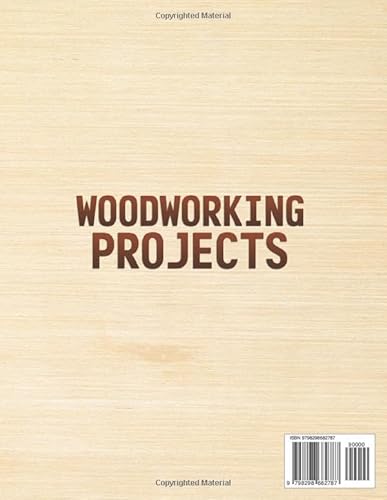
Woodworking Projects for Beginners: Step-by-Step Builds

This guide focuses on simple builds that use common tools and standard lumber sizes. The tone is friendly and clear. Each project includes step-by-step photos and measured drawings. The book aims at true first-timers and it shows in the pacing and detail.
I like how it breaks down each process into small, safe steps. It shows how to square boards, drill straight holes, and avoid tear-out. The cut lists are easy to follow, and the joinery sticks to basics like butt joints, pocket screws, and glue. If you want diy wood projects for beginners that look pro without stress, this is a solid start.
Pros:
- Clear photos for every step, ideal for visual learners
- Projects use basic tools and common 2x lumber sizes
- Simple joinery with pocket screws and glue for quick success
- Cut lists and diagrams reduce math and guesswork
- Safety tips at each step help form good habits early
- Finish advice that helps you avoid blotches and streaks
Cons:
- Focuses on utility builds more than fine furniture
- Limited coverage of hand tool skills and sharpening
- Metric conversions may be light for some readers
My Recommendation
If you want fast wins that build confidence, pick this first. It fits apartment shops, garages, and patios. The plans use small parts and short cuts. You do not need a table saw. A drill, circular saw, and sander can carry you far. For diy wood projects for beginners, it hits the sweet spot between speed and strength.
I’d suggest you start with the simple shelves or a bench. Then move to a coffee table or planter box. You will learn measuring, layout, drilling, and clamping. You will also pick up finishing skills that make pine look far better. The value is in the structure and safety-first approach.
| Best for | Why |
|---|---|
| True first-time builders | Very clear steps, forgiving joinery, low tool load |
| Small-space shops | Projects use standard lumber and simple cuts |
| Quick weekend wins | Many builds finish in a day with basic tools |
DIY Woodworking for Beginners: Skills & Plans

This book blends skill drills with small furniture plans. It teaches technique first, then uses that skill in a real build. Think of it like a workshop course in paper form. You practice a cut, then build a side table that uses it.
The step-by-step photos show hand positions and tool angles that help you stay safe. The plans include both pocket-hole and dowel options. You can pick the method that fits your tools. For diy wood projects for beginners, this skills-plus-plan approach helps you learn fast and avoid bad habits.
Pros:
- Teaches core skills, then applies them to projects
- Shows alternate joinery paths for different tools
- Includes layout tips that cut down measuring errors
- Good intro to sanding grits and finish choices
- Furniture plans you can actually use at home
- Clear tool list with budget-friendly picks
Cons:
- Not as many total projects as anthology-style books
- Assumes access to a drill and a circular saw
- Less focus on carving or decor crafts
My Recommendation
Choose this if you learn well by doing a skill and then building. It turns fear into action. You see why a step matters and how it fits a final piece. It feels like a class, which I like. For diy wood projects for beginners, that structure helps you avoid the “I made it, but it looks off” trap.
If you want to build a small table, simple stool, or wall shelf that looks clean, this is a great pick. It gives you a basic tool path and a smarter way to plan cuts. The value is in faster skills and fewer mistakes.
| Best for | Why |
|---|---|
| Skill-focused learners | Practice a technique, then use it in a build |
| Budget tool owners | Alternate joinery for pocket holes or dowels |
| Small furniture projects | Useful, sturdy plans with a clean look |
Beginner’s DIY Woodworking Projects Bible

This “Bible” is a deep dive. It covers safety, tools, wood types, milling basics, and many projects. It reads like an all-in-one crash course. If you like to understand the “why” behind every step, this will scratch that itch.
The tool section is strong. It explains which tools to buy first and which to skip. The wood section covers softwoods vs hardwoods and defects to avoid. For diy wood projects for beginners, this base knowledge helps you save money and time.
Pros:
- Thorough tool and wood primers for smart buying
- Project variety, from simple decor to basic furniture
- Joint basics with clear drawings and cutaways
- Good safety section, including PPE and dust control
- Finishing guide that demystifies oils, polys, and stains
- Helps you plan a small, efficient workspace
Cons:
- Lengthy; not ideal if you want quick wins only
- Some projects may feel similar in style
- Less depth on advanced joinery beyond basics
My Recommendation
Get this if you want a complete foundation. It is great if you plan to stick with the craft and grow. You will learn good habits, safe methods, and how to keep things square. It is a long read, but it saves you from gear regret and rework. For diy wood projects for beginners, that base pays off fast.
This is also a fine choice for people who want to set up a small shop. It helps you pick tools in a smart order. It also teaches how to choose straight lumber and avoid twist and bow. That alone will improve your results.
| Best for | Why |
|---|---|
| Serious beginners | Deep knowledge on tools, wood, and safety |
| Long-term learning | Builds a strong base you can grow on |
| Small shop setup | Guides tool order and workspace planning |
Smart Woodworking Projects for Beginners

This collection is about speed, safety, and fun. The projects are simple and use few tools. Many builds are perfect for a weekend. The instructions are “foolproof” in the sense that each step has a check to make sure you did it right.
There are also tips to involve kids, which I like. It covers clamps, glues, and safe drilling in plain words. The parts lists are short and use common boards. For diy wood projects for beginners, this makes the barrier to entry very low.
Pros:
- Kid-friendly tips for supervised projects
- Low tool count and small parts lists
- Short builds with quick wins
- Clear safety checks at each step
- Great for gifts and home decor pieces
- Encourages safe habits early on
Cons:
- Less focus on furniture-scale pieces
- Simplified joinery means fewer long-term skills
- Some designs may feel plain without customization
My Recommendation
Pick this if you want fun, fast builds with family. It is perfect for first tools and short sessions. You can make picture ledges, planters, and small storage in a day. It keeps risk low and morale high. For diy wood projects for beginners, it gives you safe reps and happy results.
If you want to get kids interested, this is a fine match. You can teach them to measure, mark, and sand under close watch. The value lies in simple builds and less stress. Later, you can step up to more complex joinery.
| Best for | Why |
|---|---|
| Families with kids | Short, safe projects with simple steps |
| Weekend builders | Quick wins using basic tools and boards |
| Gift makers | Great small decor items and organizers |
BeaverCraft Comfort Bird Wood Carving Kit

This kit is a great way to try carving without power tools. It includes a whittling knife, a shaped blank, and often extras like a strop and compound. The “comfort bird” is a classic beginner project. It teaches grain reading and knife control in a short session.
Carving builds hand skills you can use in larger projects later. You learn to feel the wood and make clean cuts. The knife arrives sharp enough to work, and the strop helps you keep it that way. For diy wood projects for beginners, this is a calm, no-saw path to success.
Pros:
- All-in-one kit with knife and wood blank
- Great intro to grain, bevels, and knife safety
- Relaxing, no-power-tools project
- Strop and compound make upkeep easy
- Short project time with satisfying results
- Portable; carve outdoors or at a desk
Cons:
- Not a fit if you want furniture builds
- Requires care to avoid cuts; gloves recommended
- Softwood blanks limit detail compared to hardwood
My Recommendation
Choose this if you want a gentle start and zero noise. It is perfect for craft nights, travel, or small spaces. Carving builds fine control. That helps in sanding, shaping, and detail work. For diy wood projects for beginners, it is a simple way to get a finished piece in your hand.
I also like this for those nervous about saws. You can learn grain and shaping with low risk. Add a cut glove and a thumb guard for safety. The value is in the calm pace, low cost, and real skill you gain.
| Best for | Why |
|---|---|
| Absolute beginners | Simple project with guided cuts and shaping |
| Noise-sensitive spaces | No power tools; carve anywhere |
| Mindful making | Relaxing craft that builds finesse and control |
FAQs Of diy wood projects for beginners
What tools do I need to start?
Start with a tape, square, pencil, drill/driver, circular saw, and sander. Add clamps and a pocket-hole jig if you can. That set will handle most beginner builds.
What wood should I use first?
Pine, poplar, or spruce are great. They are easy to cut and cheap. Avoid boards with twists, bows, or large knots.
How do I stay safe with limited tools?
Wear eye and hearing protection. Clamp your work. Cut on stable surfaces. Keep blades sharp. Slow down and check every step before cutting.
Can I build without a table saw?
Yes. A circular saw with a straightedge guide makes clean cuts. Many plans use pocket screws and glue. You can do a lot with a small tool kit.
How long does a simple project take?
Many small builds take 2–4 hours. Add time for sanding and finish. Plan a day for your first few projects to avoid rushing.
Final Verdict: Which Should You Buy?
If you want the fastest wins, pick Smart Woodworking Projects for Beginners or Woodworking Projects for Beginners: Step-by-Step Builds. They make diy wood projects for beginners feel easy and safe.
If you want depth, the Beginner’s DIY Woodworking Projects Bible is the best base. For a skill-plus-plan path, choose DIY Woodworking for Beginners. Want a quiet start? Grab the BeaverCraft kit.