The best concrete for DIY projects depends on your project size, mix, and tools.
You want a small patio, a sleek planter, or a custom fire bowl. But where do you start? Picking the right guide or tool can save time, money, and frustration. I’ve poured, patched, drilled, and formed more mixes than I can count. In this review, I break down practical resources for concrete for diy projects that work in real homes, with real budgets. Whether you’re making decor, setting posts, or planning a slab, you’ll find clear advice, safer methods, and tools that last. Let’s get your project poured right the first time.
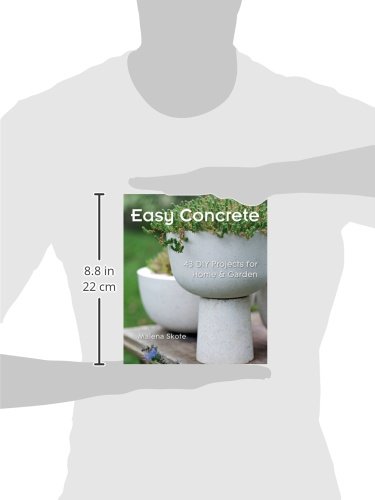
Easy Concrete: 43 Home & Garden Projects

This project book is a friendly on-ramp to concrete. It gives you 43 ideas that range from planters to stools to birdbaths. The photos are clear and the steps are short. That makes it easy to follow if this is your first time working with mix, molds, and cure times.
What I like is the focus on simple forms. Buckets, boxes, and foam cutouts do most of the work. You also get tips on sealing, finishing, and coloring. It’s great for anyone who wants concrete for diy projects that look modern but don’t cost much.
Pros:
- Beginner-friendly projects with clear photos
- Uses common molds and low-cost materials
- Good coverage of coloring and sealing basics
- Short, manageable steps that build confidence
- Balances indoor decor and outdoor garden ideas
- Helpful finish tips to avoid air bubbles and rough edges
- Great value as a weekend project library
Cons:
- Not a deep dive into structural concrete
- Some designs may feel dated if you want ultra-minimal style
- Limited guidance on advanced reinforcement
My Recommendation
If you want concrete for diy projects that you can start today, this book fits. It gives you fast wins and keeps costs low. You’ll learn to mix, pour, vibrate, and finish with less stress. It’s ideal for renters, beginners, or makers who love simple modern pieces. Stock up on fast-setting mix, release spray, and a small sander, and you’re set.
| Best for | Why |
| First-time makers | Clear steps and small projects reduce risk and waste. |
| Budget DIY decor | Affordable molds and short material lists. |
| Garden projects | Planters and birdbaths that handle outdoor use. |
Foundations & Concrete Work: Revised & Updated

This field guide covers the heavy side of concrete. It focuses on footings, slabs, forms, rebar, and site prep. If you plan to pour a shed pad, small foundation, stairs, or retaining wall, this book feels like having a foreman on site. The diagrams and photos show how to avoid bad formwork and weak pours.
I appreciate the straight talk on drainage, frost depth, and vapor barriers. Those are the silent killers for slabs and walls. You’ll also get pro tips on screeding, bull floating, and control joint placement. For concrete for diy projects that must meet code and last, this is the no-nonsense manual I reach for.
Pros:
- Strong coverage of footings, slabs, and drainage
- Clear formwork and reinforcement guidance
- Best practices from experienced builders
- Real job-site photos with practical callouts
- Helps you avoid costly slab and wall failures
- Great for planning tools and labor up front
- Useful for code-ready projects and permits
Cons:
- Not focused on small decor projects
- Assumes you have basic carpentry skills
- Some sections may feel dense for first-timers
My Recommendation
Pick this if your concrete for diy projects includes slabs, steps, or anything load-bearing. It gives you the why and the how. You’ll cut risk by learning form bracing, joint layout, and cure care. Pair it with a local code check. Plan your mix delivery or mixer rental with confidence.
| Best for | Why |
| Shed pads and small slabs | Shows layout, formwork, reinforcement, and joints. |
| Stairs and retaining walls | Covers bracing, pour sequencing, and drainage. |
| DIYers seeking pro results | Condenses pro techniques into simple steps. |
Reinforced Concrete for Small Projects

This guide focuses on the muscle inside the mix: steel and layout. It’s a smart pick when your project is small but must be strong. Think lintels, short span slabs, pads for equipment, or wall footings. It explains bar sizes, spacing, bends, and cover in plain language.
I like how it clarifies load paths without heavy math. You learn how to tie cages, place chairs, and avoid rebar rust. There’s also advice on choosing the right concrete strength and aggregate. If you want concrete for diy projects that hold weight and last, this guide hits the sweet spot.
Pros:
- Clear intro to rebar basics and placement
- Great diagrams and step-by-step photos
- Focus on small but structural builds
- Explains cover, laps, and anchorage simply
- Useful tips on tying, cutting, and bending bars
- Pairs well with slab and footing how-tos
Cons:
- Not a full concrete encyclopedia
- Less focus on finishes and decorative work
- Some regional terms may differ from your area
My Recommendation
Choose this if your concrete for diy projects include beams, pads, or short spans. It raises your work from “just poured” to “engineered right.” Use it to plan bar layouts, lap lengths, and cover. It helps prevent cracks, sags, and early failures in small builds.
| Best for | Why |
| Small structural pads | Guides proper rebar sizing and spacing. |
| Short span slabs and beams | Simplifies load paths and reinforcement. |
| Serious DIY builders | Practical steps for durable, safe builds. |
Concrete Garden Projects: Containers, Furniture & More
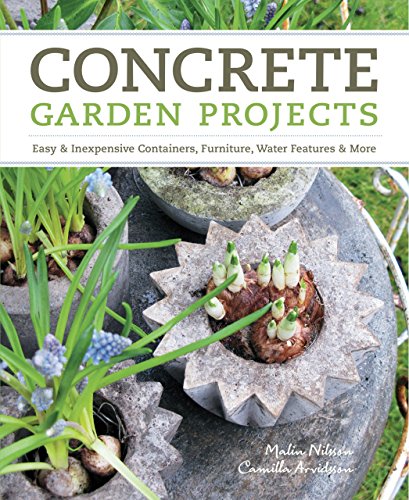
This title leans into outdoor style with a maker’s touch. It shows how to build planters, benches, stepping stones, and water features on a budget. The authors use accessible molds and give tips to get smooth edges. It is perfect for patios, courtyards, and balconies.
I also like the insights on weather, sealers, and freeze-thaw cycles. Garden pieces live hard lives. The book helps you pick mixes for thin walls and add fiber for extra strength. If you want concrete for diy projects that look custom outdoors, you’ll enjoy these builds.
Pros:
- Great range of garden and patio ideas
- Shows thin-wall techniques for light planters
- Good notes on sealers and outdoor durability
- Budget-friendly molds and materials
- Water feature guidance for small spaces
- Photos that inspire and clarify steps
Cons:
- Less detail on large-scale landscaping
- Sealer recommendations may vary by region
- Some molds may require patience to source
My Recommendation
Buy this if your concrete for diy projects include garden upgrades. It offers stylish, sturdy builds that won’t break the bank. You’ll learn thin pours, fiber use, and sealers that beat rain and sun. It’s a great companion for weekend makers who love outdoor living.
| Best for | Why |
| Outdoor planters | Thin-wall tips keep weight down and strength up. |
| Benches and stools | Simple forms with durable finishes. |
| Water features | Layout ideas for small yards and patios. |
Wuqazu 10-Piece Masonry Drill Bit Set

This 10-piece set covers key sizes from 5/32″ to 1/2″. The YG10X carbide tips are built for concrete, tile, brick, and light stone. The hex shank locks into standard chucks and helps stop slip. You get a range that suits anchors, shelves, brackets, and outdoor fixtures.
I ran these through poured concrete, clay brick, and porcelain tile. Chip control was solid with steady pressure and a hammer drill. For concrete for diy projects, a good bit set matters more than most realize. Sloppy bits wander, overheat, and break anchors. These hold up for home use and light pro tasks.
Pros:
- YG10X carbide tips for long wear
- Hex shank reduces slippage in the chuck
- Good size spread for common anchors
- Performs in concrete, brick, tile, and masonry
- Clean holes with a hammer drill and steady technique
- Great value for a complete starter set
Cons:
- Not for reinforced concrete with heavy rebar
- May wear faster in very hard stone
- No storage case in some shipments
My Recommendation
Grab this if your concrete for diy projects include anchors, shelves, or mounts. Pair with a hammer drill and vacuum for dust. Mark your depth with tape and ease off at breakthrough. For home jobs, these bits deliver clean holes and fewer broken anchors.
| Best for | Why |
| Installing anchors | Size range matches common sleeve and wedge anchors. |
| Mixed masonry drilling | Carbide tips cut concrete, brick, and tile well. |
| DIY wall mounts | Hex shank reduces spin-out in chucks. |
Expert Buying Guide: Choosing Concrete Resources and Tools
If you’re still deciding, here’s how I match picks to jobs. For decor and small molds, choose guides that favor thin pours, fibers, and sealers. For slabs and walls, choose books with structural basics and drainage tips. For drilling tasks, pick high-quality carbide bits and a hammer drill.
Always plan for weather and cure time. Hot, dry days speed loss of moisture. Cold slows the cure. Keep mixes damp for the first week when possible. That cuts shrinkage cracks and boosts strength. This matters for concrete for diy projects indoors and out.
Pick a mix that fits the job. Fast-set products help with posts and small molds. High-strength mixes (4,000–5,000 psi) suit slabs and steps. Add fibers for thin planters and slender pieces. Read the bag for water ratios. A wetter mix pours easy but can reduce strength. Aim for a peanut-butter to soft-ice-cream feel.
Use safe gear. Wear a respirator when mixing dry cement to avoid silica dust. Use gloves, eye protection, and long sleeves. Cement is caustic. Wash skin fast if it gets wet mix on it. For drilling, vacuum dust at the source. This keeps your space clean and safer to breathe.
Project Playbook: From Plan to Pour
Plan the shape and size first. Draw it. Measure it. Then pick the mold or form method. For smooth decor, use plastic buckets, melamine, or silicone. For slabs, use 2x lumber or forming board with stakes and braces. A stable form is the best insurance you have.
Mix and pour in stages for complex shapes. Tap and vibrate gently. A rubber mallet on the mold sides works well. A cheap palm sander, held against the form, shakes out bubbles too. This trick gives that polished look that makes concrete for diy projects feel pro.
Protect the cure. Cover with plastic to hold moisture. In hot weather, mist the surface during the first 48 hours. Keep foot traffic off slabs for at least 24–48 hours, and heavy loads for a week or more. A careful cure pays you back with less cracking and higher strength.
Budget Tips That Still Look Premium
You can do a lot with simple molds. Pair a larger bucket and a smaller one for planters. Use foam for letters and numbers. Salvage smooth boards for forms. A good release agent (even vegetable oil in a pinch) helps parts slip free without chips.
Use pigments and stains to add warmth. Earth tones hide dust and weather marks. Seal planters inside to protect soil and roots from lime. For foot traffic areas, pick a slip-resistant sealer. These small choices make concrete for diy projects safer and longer lasting.
Quality Control: Fixes for Common Issues
Got honeycombs or voids? Your mix may have been too dry, or you skipped vibration. Next time, add a touch more water and tap longer. Seeing hairline cracks? That can be fast drying or poor cure. Use plastic sheeting, shade, and a slower set in heat.
Edges chipping on demold? Wait longer before pulling the form. Thin pieces do best at 48–72 hours before handling. If you see surface dusting, your water ratio may have been high. Seal the surface and keep future mixes tighter. This is how you refine concrete for diy projects over time.
FAQs Of concrete for diy projects
What is the best concrete mix for planters?
Use a high-strength or countertop mix with fine aggregate. Add fibers for thin walls. Seal inside and out for longer life.
How long should I let concrete cure before demolding?
For small decor, 24–48 hours works. For thin pieces, wait up to 72 hours. Full cure takes about 28 days.
Do I need rebar in small slabs?
For small patios or pads, use welded wire mesh or #3 bars. Place them near mid-depth. Always cut control joints.
Can I drill into cured concrete with a regular drill?
Use a hammer drill with carbide masonry bits. Mark depth, go slow, and clear dust often for clean holes.
How do I stop cracks in hot weather?
Work in shade, use a slower set mix, and cure with water and plastic. Cut control joints at the right spacing.
Final Verdict: Which Should You Buy?
For decor and fast wins, choose Easy Concrete and Concrete Garden Projects. For slabs, steps, and strength, choose Foundations & Concrete Work and Reinforced Concrete for Small Projects.
Need clean, safe holes? Add the Wuqazu bit set. Mix these picks to master concrete for diy projects with skill, safety, and style.