Use mineral spirits, paint thinner, or turpentine to thin oil-based paint safely.
If you came here asking what to use to thin oil based paint, you’re in the right place. I’ve thinned, brushed, rolled, and sprayed hundreds of gallons across homes and shops. In this guide, I’ll show you exactly which solvent to pick, the right ratios, and how to avoid runs, fumes, and sticky messes.
What to use to thin oil based paint: core options, pros, and best uses
Choosing the right thinner depends on your paint formula and the job. Always check the manufacturer’s technical data sheet first. Then pick the solvent that fits your application speed and finish goals.
Top choices for thinning oil-based paint:
- Mineral spirits. The most common choice for alkyd paints and primers. Medium evaporation, good control, lower odor than turpentine. Great for brushing, rolling, and most spraying.
- Paint thinner. Often a generic name for mineral spirits in the US. Works much the same. Read the label to be sure it is suitable for oil-based paints.
- Turpentine. Traditional, strong odor, good flow for fine brushing. Used often in wood finishing and artist oils. Can help leveling on trim.
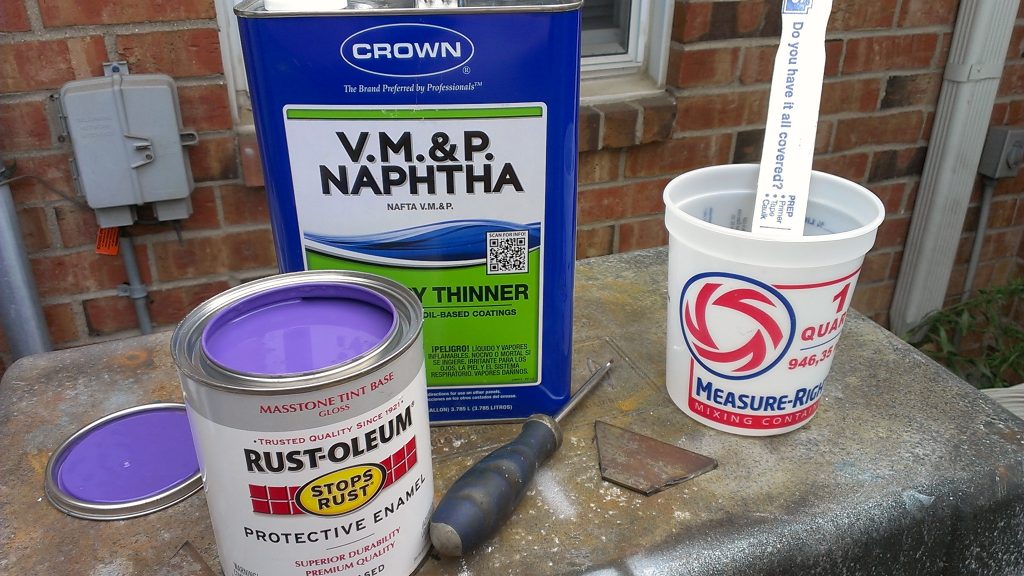
- VM&P naphtha. Fast evaporating. Good when you need quicker dry or for spray work. Reduces open time, so work fast to avoid lap marks.
- Odorless mineral spirits. Similar to mineral spirits with lower smell. Slightly slower to flash off. Nice for interior jobs and cleanup.
- Specialty reducers. Brand-specific alkyd reducers can improve spray atomization and leveling. Always match the reducer to the product line.
Additives that improve flow and do light thinning:
- Penetrol. Oil-based paint conditioner. Helps eliminate brush marks and increases open time. Great for doors, cabinets, and trim.
- Linseed or stand oil. Common in artist oil painting for flow and gloss. Not for architectural coatings in large areas. Can slow drying.
Avoid for oil-based paint:
- Water or alcohol. They do not mix with oil-based paint.
- Acetone for most household oil paints. Too strong and too fast. It can shock the resin and cause defects unless the product says it is compatible.
- Universal claims. If you are unsure what to use to thin oil based paint, use mineral spirits unless your product’s data sheet says otherwise.
Personal tip from the field: On old porch railings, I favor naphtha in hot, humid weather to dodge sags. For interior trim, I use Penetrol plus a touch of odorless mineral spirits for a glass-smooth finish.

How much thinner to add and how to test viscosity
Start small. It is easier to add more than to fix a runny mix. Your goal is a smooth, even film that levels without sagging.
Simple steps:
- Stir the paint well. Mix the pigments and resins before adding anything.
- Add 5 percent thinner by volume. Mineral spirits is the go-to when you ask what to use to thin oil based paint for brushing.
- Test on scrap. Brush or spray a small panel and wait a few minutes.
- Adjust in small steps. Move to 8–10 percent if needed. For spray, 10–15 percent is common, but verify with your data sheet.
- Use a viscosity cup if spraying. Target the time the maker recommends for your tip size and pressure.
Quick guide by method:
- Brushing and rolling. 0–10 percent for flow. Add Penetrol if you see brush marks.
- HVLP spraying. 10–15 percent, or as directed. Use proper reducer for the brand.
- Airless spraying. Often no thinning, but you may use up to 10 percent to improve atomization with small tips.
If you wonder what to use to thin oil based paint for a beginner-friendly mix, start with mineral spirits at 5 percent and test.
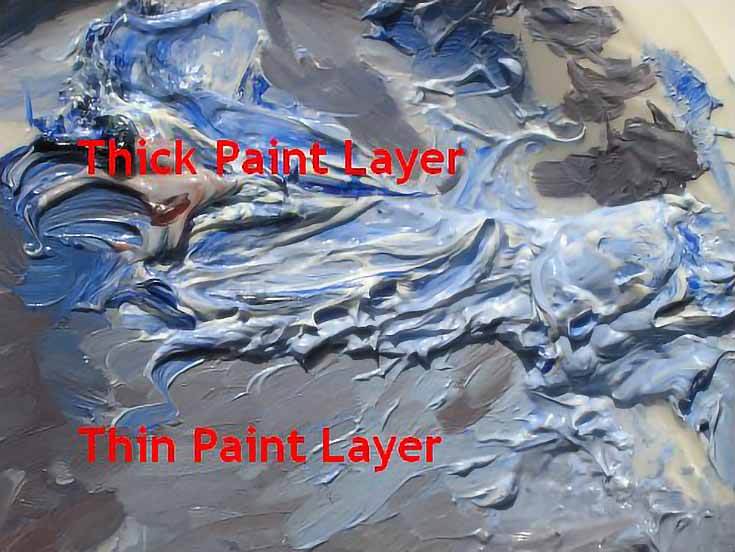 viscosity”
style=”max-width: 100%; height: auto; border: 2px solid black; border-radius: 10px; display: block; margin: 0 auto;”
loading=”lazy”
/>
viscosity”
style=”max-width: 100%; height: auto; border: 2px solid black; border-radius: 10px; display: block; margin: 0 auto;”
loading=”lazy”
/>
Solvent vs additive: when to pick each
Both change how paint behaves, but in different ways. Use solvent to change viscosity. Use additives to change flow, leveling, and open time.
Use solvents when:
- You need to spray and meet a target viscosity.
- The paint is thick from cold storage.
- You want faster dry, like using naphtha outdoors.
Use additives when:
- You want fewer brush marks and better leveling.
- You need longer open time in warm, dry rooms.
- You are finishing trims, doors, or cabinets where finish quality matters.
Balanced blends:
- 3–5 percent Penetrol plus 3–5 percent mineral spirits often beats either alone for brush work.
- For artist oils, a mix of odorless mineral spirits with a little linseed oil gives smooth flow without over-thinning.
If you are not sure what to use to thin oil based paint for perfect brush results, try a small dose of Penetrol with mineral spirits and test.
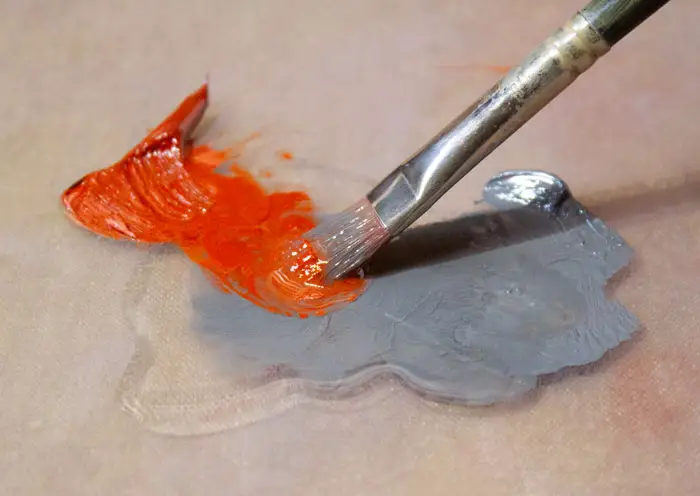
Match the thinner to the project and product
Not all oil-based paints are the same. Alkyd enamel, oil primer, and oil polyurethane each have quirks. Read the label, then adjust.
For alkyd trim enamels:
- Brushing. 5–10 percent mineral spirits. Add Penetrol if you see brush drag.
- Spraying. 10–15 percent mineral spirits or the brand’s reducer. Naphtha if you need faster set.
For oil-based primers:
- 5–10 percent mineral spirits if the can is thick. Too much thinner can weaken stain blocking. Keep it conservative.
For oil-based polyurethane:
- Use mineral spirits only. Avoid Penetrol or oils. They can affect cure and sheen.
For artist oil paints:
- Use odorless mineral spirits for washes and underpainting. Add linseed or stand oil for glazing. Avoid hardware-store thinners that are not labeled for art.
Climate and surface notes:
- Hot and humid. Faster solvents like naphtha help avoid sags.
- Cool and damp. Go easy on solvent. Use a conditioner for better cure.
- Porous wood. A touch of thinner helps primer soak in. Do not overdo it.
If you ask what to use to thin oil based paint for spraying cabinets, the safe path is the maker’s reducer or clean mineral spirits at 10–15 percent, tested with your gun.

Safety, ventilation, and cleanup you cannot skip
Oil paint thinners are flammable and produce fumes. Respect them and work smart.
Do this every time:
- Ventilate. Open windows and use fans that do not spark. Work upwind outdoors.
- Wear gloves and goggles. Use an organic vapor respirator for spraying or poor airflow.
- Keep away from flames and sparks. No smoking, no pilot lights nearby.
- Handle rags with care. Oily rags can self-ignite. Lay them flat to dry outdoors, then store in a sealed metal can, or follow local rules.
Cleanup and storage:
- Use the same solvent for cleanup that you used for thinning.
- Strain and save solvent. Let solids settle. Decant clean solvent back to a labeled can.
- Follow local laws for disposal. Do not pour down drains.
When someone asks what to use to thin oil based paint indoors, my answer includes a windows-first rule and an odorless mineral spirits plan.
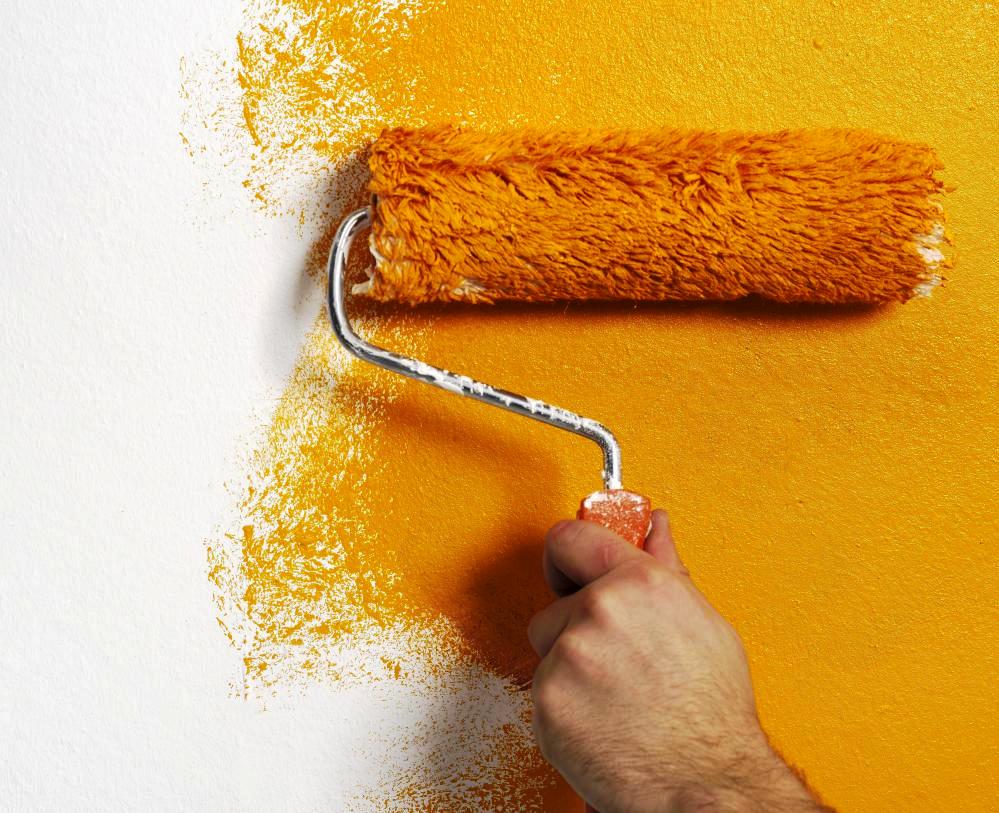
Tools and workflow for a smooth, repeatable finish
Good prep beats heavy thinning. The right tools make the job easy.
Keep these on hand:
- Mixing cup with measurements. For precise 5–15 percent additions.
- Viscosity cup. For repeatable spray setups.
- Paint strainers. Trap skins and dust before you paint.
- Stir sticks and a drill mixer. Mix until uniform.
- Sample boards. Test flow, sag, and leveling on scrap.
- High-quality brushes and rollers. They reduce drag and hold paint better.
My routine:
- Warm cold paint to room temp. Thick paint in a cold can can fool you.
- Stir, then strain. Only then decide how much thinner you need.
- Test on a door back or a scrap panel. Save money and time later.
If you still wonder what to use to thin oil based paint after testing, default to mineral spirits, not more guesswork.
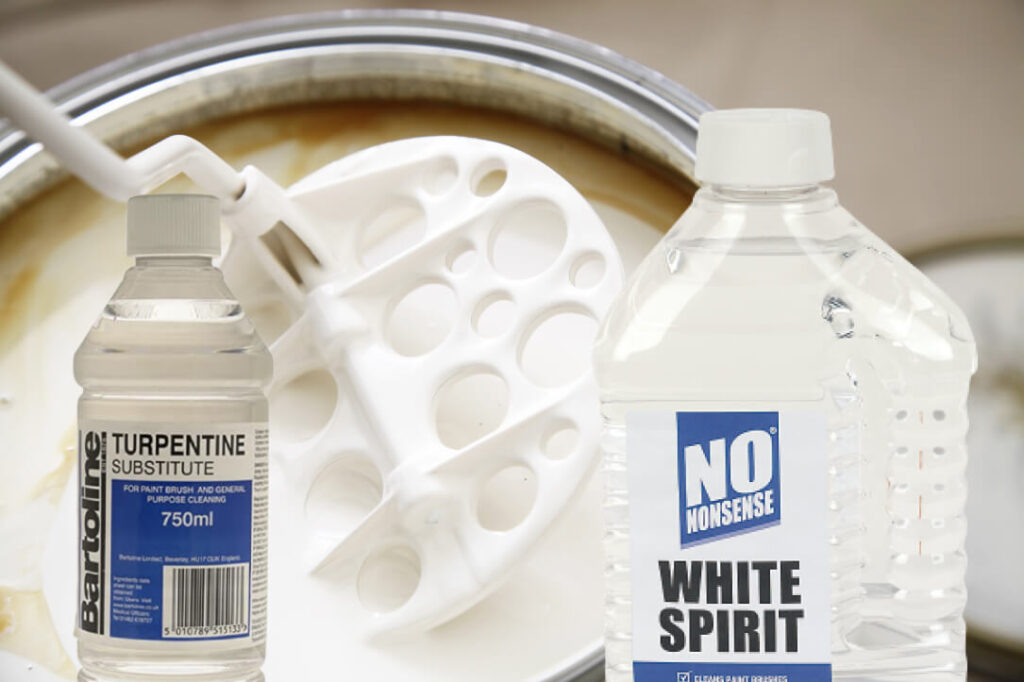
Troubleshooting: fix runs, brush marks, orange peel, and slow dry
Even pros fight the occasional flaw. Here is how to recover fast.
Common issues and fixes:
- Runs and sags. You thinned too much or worked too heavy. Add a little unthinned paint to the mix, or switch to slower strokes. On verticals, go lighter and do more coats.
- Brush marks and drag. Add 2–3 percent Penetrol or a touch more mineral spirits. Use a better brush and tip off lightly.
- Orange peel when spraying. Paint is too thick or you have low atomization. Thin 2–3 percent more, raise pressure, or use a finer filter and tip.
- Slow or tacky dry. Too much additive or high humidity. Add fresh air and warmth. Next coat, reduce additives and use faster solvent.
- Dull or uneven sheen. Over-thinned or poor mixing. Stir longer, watch your ratios, and allow full cure.
A quick rule: If you keep asking what to use to thin oil based paint during troubleshooting, pause and test on a sample. Small tweaks beat big changes.

Frequently Asked Questions of what to use to thin oil based paint
What do I use to thin oil-based paint for brushing?
Use mineral spirits at 5–10 percent. Add a small amount of Penetrol if you want better leveling and fewer brush marks.
What to use to thin oil based paint for spraying cabinets?
Start with the brand’s recommended reducer or mineral spirits at 10–15 percent. Strain, test with your spray gun, and adjust in small steps.
Can I use water to thin oil-based paint?
No. Oil-based paint and water do not mix. Use mineral spirits, turpentine, or a compatible reducer.
Is odorless mineral spirits as effective as regular mineral spirits?
Yes, for most tasks. It has lower odor and similar thinning power, though it may evaporate a bit slower.
Is naphtha safe to use indoors?
It is flammable and fast-evaporating, so use strong ventilation and a respirator. Many people choose odorless mineral spirits indoors instead.
How much can I thin before I hurt performance?
Keep it within the maker’s limit, often 10–15 percent max. Too much thinner can reduce coverage, gloss, and durability.
What to use to thin oil based paint on a humid day?
Use VM&P naphtha for faster set, or keep mineral spirits low and apply thinner coats. Work in smaller sections and maintain airflow.
Conclusion
You now know what to use to thin oil based paint, when to use it, and how to dial in a smooth finish. Pick the right solvent, measure small, test on a sample, and let your surface and climate guide the final tweak. Good prep and smart ratios beat guesswork every time.
Try the steps on a scrap panel today, note your mix, and build your own go-to formula. If this helped, subscribe for more pro paint guides, share your results, or drop a question so I can help with your next project.