Choosing the right paint brush for your walls can make all the difference between a messy job and a flawless finish. You might think any brush will do, but using the wrong one can leave streaks, uneven coverage, and wasted paint.
Imagine how much easier your project will be with a brush designed to give you smooth, clean walls every time. You’ll discover which paint brush is best for walls, how to pick one that fits your paint type, and tips to achieve a professional look without the hassle.
Ready to transform your space with confidence? Let’s dive in!

Credit: traditionalpainter.com
Brush Types For Walls
Choosing the right brush for painting walls is key to a smooth finish. Different brushes work better with specific paints and surfaces. Knowing the types helps pick the best one for your wall project. Three common types are synthetic brushes, natural bristle brushes, and foam brushes. Each has unique features and uses.
Synthetic Brushes
Synthetic brushes have bristles made from nylon or polyester. They work well with water-based paints like latex. These brushes hold their shape and are easy to clean. They provide a smooth and even coat on walls. Synthetic brushes are durable and resist damage from water.
Natural Bristle Brushes
Natural bristle brushes use hair from animals, like hogs. They work best with oil-based paints and varnishes. The bristles are soft and flexible, holding more paint. These brushes give a smooth finish but can absorb water. Avoid natural brushes for water-based paints to keep them in good shape.
Foam Brushes
Foam brushes have a sponge-like tip instead of bristles. They are great for small touch-ups and smooth surfaces. Foam brushes do not leave brush marks and apply paint evenly. They work well with water-based paints but wear out faster. Foam brushes are inexpensive and easy to use for quick jobs.
Choosing Brush Size
Choosing the right brush size makes painting walls easier and neater. Different sizes serve different parts of the wall. Using the proper brush saves time and gives a smooth finish. Consider the wall area and detail needed before picking a brush size.
Small Brushes For Detail
Small brushes work well for edges and tight spots. They help paint corners and trim cleanly. Use a 1 to 2-inch brush for precision work. These brushes give control but cover less area. Ideal for cutting in around windows and doors.
Medium Brushes For Walls
Medium brushes cover more area without losing control. A 2.5 to 3.5-inch brush fits most wall painting jobs. They balance speed and accuracy well. Good for painting standard wall surfaces evenly. They help avoid streaks and drips on walls.
Large Brushes For Speed
Large brushes cover big wall areas fast. Use a 4-inch or wider brush for quick work. Perfect for painting large, flat surfaces like living rooms. They hold more paint and reduce brush strokes. Large brushes save time but need steady hands for smooth results.
Brush Shapes And Their Uses
Choosing the right paint brush shape makes a big difference when painting walls. Each brush shape serves a specific purpose. Knowing these helps you get a smooth and clean finish. Here, we explain the common brush shapes and their best uses.
Flat Brushes
Flat brushes have straight edges and wide bristles. They cover large wall areas quickly. These brushes hold a lot of paint. They create even and smooth strokes. Flat brushes work best for painting big, flat wall surfaces.
Angle Sash Brushes
Angle sash brushes have bristles cut at an angle. This shape helps paint corners and edges easily. They offer better control on trim and window frames. The angled tip reaches tight spots without mess. Use these brushes for clean lines and sharp edges.
Round Brushes
Round brushes have a pointed, curved tip. They allow precise painting in small or detailed areas. These brushes are good for touch-ups or artwork on walls. Round brushes help create smooth curves and lines. Use them for areas where detail matters most.

Credit: www.bobvila.com
Top Brands To Consider
Choosing the right paint brush can make a big difference in your wall painting project. The best brushes offer smooth coverage and easy control. Some brands stand out for their quality and durability. Here are top brands to consider for your walls.
Purdy Brushes
Purdy is a trusted name in painting tools. Their brushes hold paint well and deliver smooth finishes. Many painters prefer Purdy for its strong bristles and comfortable handles. These brushes work well with all paint types. Purdy brushes last long, making them cost-effective.
Wooster Brushes
Wooster brushes are known for excellent craftsmanship. They offer brushes that help reduce streaks and drips. The bristles are soft yet firm, perfect for wall painting. Wooster products provide consistent results and easy cleaning. These brushes suit both beginners and professionals.
Valspar Brushes
Valspar offers affordable brushes with good performance. Their wall and trim brushes help cover large areas quickly. The synthetic bristles resist wear and hold paint evenly. Valspar brushes are easy to find in many stores. They provide great value for home painting projects.
Tips For A Flawless Finish
Achieving a flawless finish on walls requires more than just picking the right paint brush. Proper techniques during painting play a key role in smooth and even results. Small details like how you load the brush, cut in edges, and keep strokes consistent make a big difference. These tips help avoid streaks and drips, giving your walls a clean and professional look. Follow these simple steps to improve your painting skills and enjoy a better finish.
Proper Brush Loading
Dip the brush about one-third into the paint. Avoid overloading to prevent drips and uneven coverage. Tap the brush gently on the side of the can to remove extra paint. This method helps control the amount of paint on the brush. It ensures smooth application without thick patches.
Cutting-in Techniques
Start by painting the edges and corners with a steady hand. Use the angled side of the brush for better control. Move slowly and carefully to avoid paint marks on ceilings or trim. Overlap slightly with the roller area to blend the edges. This technique creates clean lines and neat corners.
Maintaining Even Strokes
Use long, smooth strokes for an even coat. Paint in one direction to avoid streaks. Keep a wet edge by overlapping each stroke slightly. Avoid pressing too hard to prevent brush marks. Regularly reload the brush with the right amount of paint. This ensures a consistent finish across the wall.
Cleaning And Caring For Brushes
Proper cleaning and caring for paint brushes extend their life and improve painting results. Dirt and dried paint damage bristles. Cleaning right after use keeps brushes soft and ready. Good care saves money and effort on future projects.
Cleaning Water-based Paints
Rinse brushes in warm water after painting. Use mild soap to remove all paint. Work the soap through the bristles gently. Rinse until water runs clear. Shake off excess water and reshape the brush. Let it dry flat or hang with bristles down.
Cleaning Oil-based Paints
Use paint thinner or mineral spirits to clean brushes. Pour thinner in a container and dip the brush. Swirl gently to remove paint from bristles. Repeat with clean thinner if needed. Wash the brush with warm soapy water. Rinse well and dry completely before storage.
Storage Tips
Store brushes in a dry, clean place. Keep bristles straight to avoid damage. Use a brush cover or wrap with paper. Avoid leaving brushes in water or paint. Hanging brushes by the handle helps maintain shape. Proper storage keeps brushes ready for the next job.
Common Mistakes To Avoid
Choosing the right paint brush for walls is important, but using it correctly matters more. Many people make simple mistakes that affect the finish. Avoiding these errors helps you save time and money. It also makes your paint job look smooth and neat. Below are common mistakes to watch out for during painting.
Using The Wrong Brush
Using a brush not meant for walls can cause problems. Some brushes hold too much or too little paint. Others leave streaks or bristles behind on the wall. Choose a brush with synthetic bristles for latex paint. For oil-based paint, natural bristles work better. Also, pick the right size—too big or small slows you down.
Overloading Paint
Loading too much paint on your brush leads to drips and uneven coats. It also wastes paint. Dip only one-third of the bristles into paint. Tap the brush gently on the side of the can to remove excess. This helps control the flow and gives a cleaner finish. Paint in smooth, even strokes for best results.
Neglecting Brush Maintenance
Not cleaning your brush right after use damages it. Paint dries and hardens in the bristles, making them stiff. This reduces brush life and performance. Rinse brushes with warm water and soap for latex paints. Use mineral spirits for oil-based paints. Store brushes flat or hanging to keep their shape.

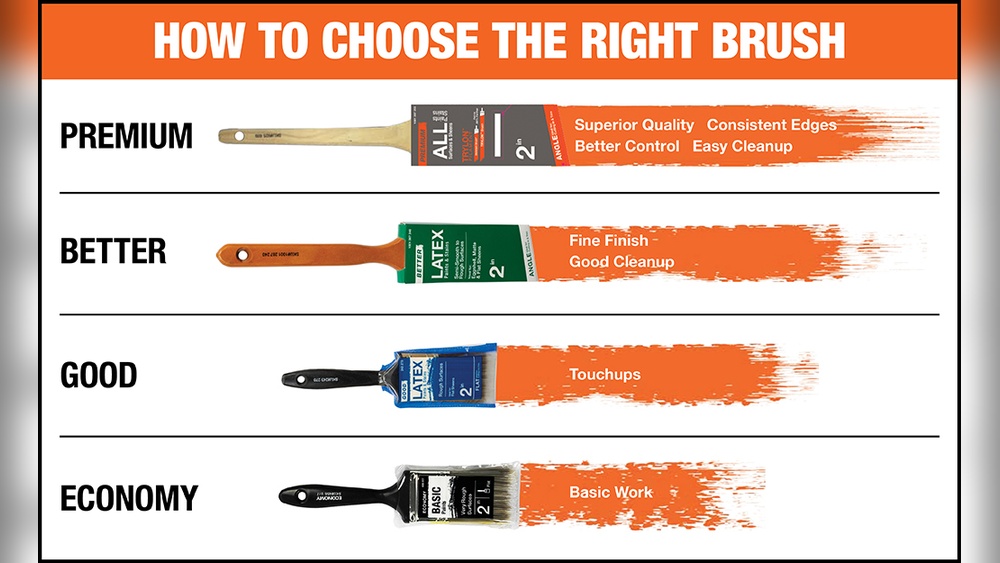
Credit: www.homedepot.com
Frequently Asked Questions
What Kind Of Paint Brush Is Best For Walls?
A high-quality synthetic brush with a nylon/polyester blend works best for walls with latex paint. Choose soft China bristles for oil-based paints. Select angled brushes for edges and flat brushes for large areas to ensure a smooth, even finish.
What Paint Brush Gives The Smoothest Finish?
A high-quality synthetic brush (nylon/polyester) provides the smoothest finish for latex paints. Soft China bristles work best for oil-based paints.
How To Not Have Brush Marks When Painting Walls?
Use a high-quality synthetic brush and apply thin, even coats. Avoid over-brushing and maintain a wet edge for smooth walls.
How To Get Perfect Edges When Painting Walls?
Use painter’s tape to mask edges. Apply paint with a high-quality angled brush. Paint slowly and steady. Remove tape before paint dries. Clean brush for smooth lines.
Conclusion
Choosing the right paint brush makes wall painting easier and neater. A good brush holds paint well and spreads it smoothly. Angled brushes help with corners and edges. Synthetic bristles work best for water-based paints. Natural bristles suit oil-based paints better.
Size matters; bigger brushes cover more area faster. Pick a brush that feels comfortable in your hand. With the right brush, your walls will look fresh and clean. Take your time and enjoy the painting process. Your perfect wall finish starts with the best brush choice.