If you’ve ever tackled a painting project only to find annoying brush marks ruining the smooth finish, you’re not alone. Those streaks and uneven textures can turn your hard work into a frustrating experience.
But what if you could paint like a pro and achieve a flawless, brush-stroke-free surface every time? You’ll discover simple, effective techniques to avoid brush marks that anyone can use—whether you’re refreshing a wall, trim, or furniture. Keep reading to unlock the secrets that will transform your painting skills and leave you with a clean, professional look you’ll be proud of.
Credit: www.youtube.com
Choose The Right Tools
Choosing the right tools is essential to avoid brush marks in your painting projects. The right brush, paint, and additives can make a big difference in how smoothly the paint applies. Quality tools help the paint flow better and level out, reducing visible strokes. This section covers how to select brushes, paint types, and additives for a professional finish.
Select Quality Brushes
Use high-quality brushes for a smooth paint application. Synthetic brushes work best with water-based paints. Natural bristle brushes are ideal for oil-based paints. Soft bristles hold paint evenly and release it smoothly. Cheap brushes shed bristles and leave marks. Choose brushes with fine, flexible bristles to reduce streaks.
Pick Suitable Paint Types
Select paint designed for your project surface. High-quality paints have better flow and coverage. Use paints labeled as self-leveling to minimize brush marks. Thicker paints can leave heavy strokes. Thinner paints spread easily and dry evenly. Match paint type with brush and surface for best results.
Use Flow Additives
Additives improve paint flow and reduce brush marks. Floetrol works well with latex paints to smooth application. Penetrol helps oil-based paints flow and level better. Mix additives into paint before use, following instructions carefully. They slow drying time, allowing paint to settle flat. This creates a cleaner, brush-mark-free finish.
Credit: www.youtube.com
Prepare Paint Properly
Preparing paint properly is essential to avoid brush marks in your painting projects. Paint that is well-prepared flows smoothly and levels out as it dries. This reduces visible brush strokes and gives a professional finish. Take time to prepare your paint correctly for better results and less frustration.
Stir Thoroughly
Stir paint well before use. Paint ingredients can separate over time. Stirring mixes the pigments and binders evenly. Use a paint stick or a mechanical mixer for best results. Avoid shaking the paint can as it creates bubbles. Bubbles cause uneven texture and brush marks. Stirring ensures smooth, consistent color and texture.
Mix In Leveling Agents
Leveling agents improve paint flow and reduce brush marks. Products like Floetrol for latex paint or Penetrol for oil-based paint work well. Add the recommended amount to your paint and stir thoroughly. These additives slow drying time, allowing the paint to self-level. Self-leveling helps hide brush strokes and creates a smooth surface. Use leveling agents especially for trim and furniture painting.
Master Application Techniques
Perfecting your painting technique reduces visible brush marks significantly. Applying paint correctly ensures a smooth, professional finish. This section covers essential methods to improve your brushwork and avoid unwanted texture.
Apply Thin Coats
Use thin layers of paint rather than thick ones. Thin coats dry faster and level out better. Thick paint tends to trap brush marks and drips. Apply multiple light coats for a flawless look.
Use Light, Long Strokes
Paint with gentle pressure, using long strokes. Avoid heavy brushing or short, choppy strokes. Long strokes blend paint smoothly across the surface. This technique minimizes visible brush lines.
Follow The Grain
Brush in the direction of the wood grain or surface texture. This helps the paint settle naturally and look uniform. Ignoring the grain can cause rough, uneven marks. Work patiently along the lines for best results.
Avoid Overworking Paint
Do not keep brushing over the same area repeatedly. Overworking paint causes streaks and uneven thickness. Once the paint starts to set, stop brushing. Let each coat dry properly before adding another.
Tip Off For Smoothness
Finish by lightly dragging a nearly dry brush over wet paint. This technique, called “tipping off,” smooths out brush marks and bubbles. Use soft, gentle strokes to blend the paint surface. It creates a polished, even finish.
Maintain Paint Between Coats
Maintaining paint between coats plays a key role in avoiding brush marks. Careful attention to each layer ensures a smooth, even finish. Proper maintenance prevents uneven texture and visible strokes. This process includes sanding and drying steps. Both improve paint adhesion and surface quality. Follow these practices for a flawless paint job.
Sand Lightly Between Layers
Sanding between coats removes bumps and imperfections. Use fine-grit sandpaper to avoid deep scratches. Light sanding creates a smooth surface for the next layer. It helps paint stick better and reduces brush marks. Always wipe off dust before applying more paint. This step is crucial for a professional look.
Allow Proper Drying Time
Each coat needs enough time to dry fully. Painting over wet paint causes streaks and uneven texture. Drying time varies by paint type and temperature. Check the paint can for recommended drying times. Wait longer in cooler or humid conditions. Patience here results in a cleaner, brush-mark-free finish.
Common Mistakes To Avoid
Brush marks can ruin a smooth paint finish. Avoiding common mistakes helps achieve a flawless look. Many painters make errors that cause visible strokes. Understanding these mistakes improves your painting results instantly.
Over-brushing
Brushing over the same area too long makes marks and uneven layers. Paint starts to dry while you keep brushing. This causes streaks and rough texture. Move the brush steadily and avoid going back repeatedly.
Using Thick Paint Layers
Applying thick layers of paint causes brush marks to show more clearly. Thick paint dries unevenly and traps brush strokes. Use thin, even coats for a smooth finish. Let each coat dry fully before adding the next.
Applying Too Much Pressure
Pressing hard with the brush pushes paint unevenly. This leaves deep brush lines and rough spots. Use a light touch to spread paint gently. Let the brush do the work without forcing it.
Credit: fusionmineralpaint.com
Additional Tips For Trim And Furniture
Painting trim and furniture needs extra care to avoid visible brush marks. These surfaces are smooth and show imperfections easily. Using the right tools and techniques helps create a flawless finish. Small details make a big difference in the final look.
Brush Selection For Trim
Choose a high-quality brush with fine, soft bristles for trim. Synthetic brushes with nylon or polyester work best with latex paint. They hold paint evenly and release it smoothly. Avoid cheap brushes with stiff bristles that leave streaks. A 2-inch angled brush gives better control on edges and corners. Keep your brush clean during painting to maintain smooth strokes.
Techniques For Furniture Finish
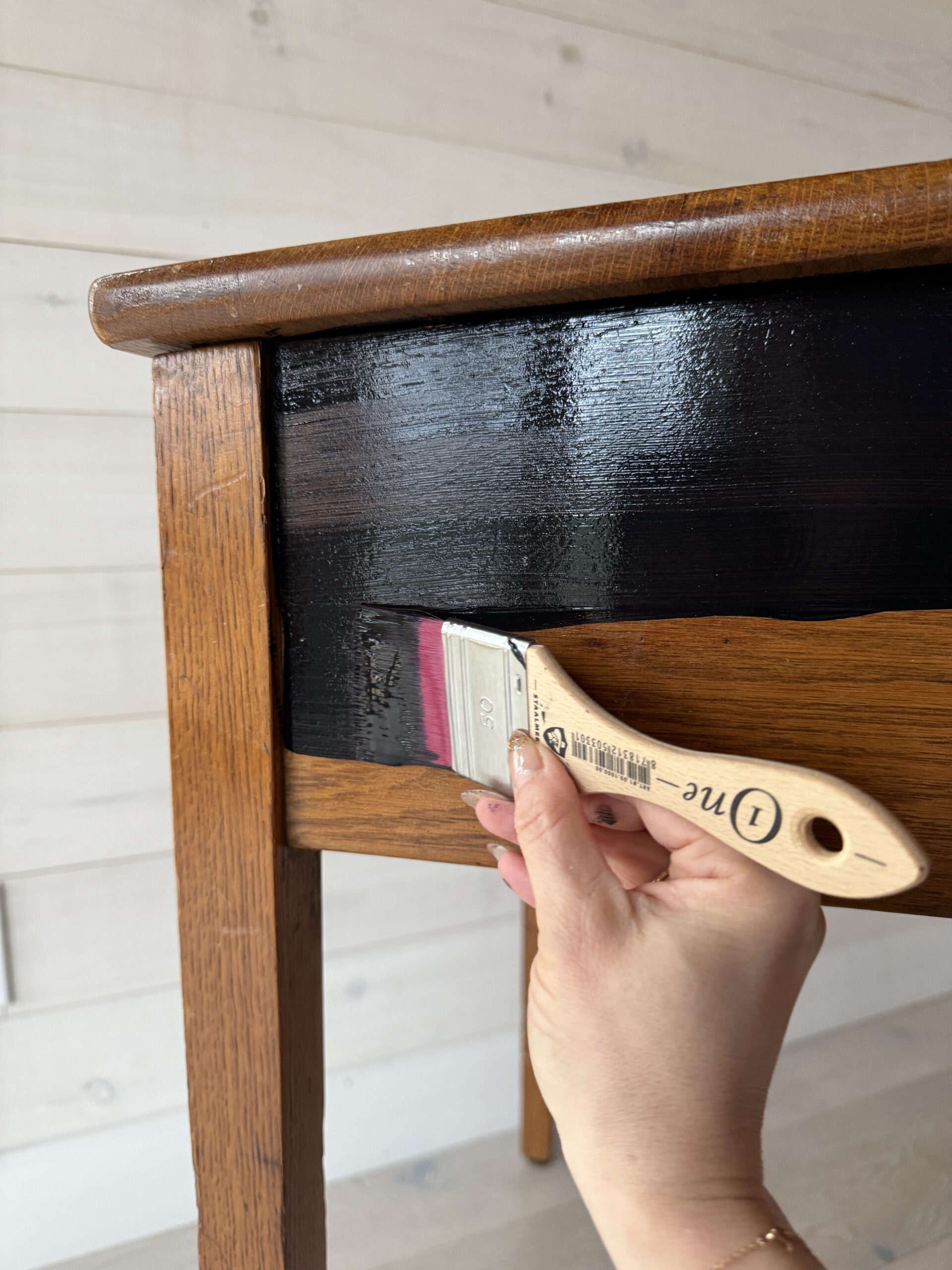
Start by sanding furniture to create a smooth surface. Use thin layers of paint to prevent drips and brush marks. Apply paint with long, even strokes in one direction. Lightly “tip off” the surface by brushing with a dry brush at the end. This blends the paint and removes excess texture. Let each coat dry fully before adding another. For best results, sand lightly between coats with fine-grit sandpaper.
Frequently Asked Questions
How To Stop Getting Brush Marks When Painting?
Apply thin, even coats with light, long strokes following the grain. Use quality brushes and additives like Floetrol. Tip off with a nearly dry brush and sand lightly between coats for a smooth, brush-mark-free finish.
How Do Professional Painters Get Straight Lines?
Professional painters use painter’s tape, steady hands, and quality brushes to create straight lines. They apply thin, even coats and “tip off” edges for smooth, crisp finishes.
What Paint Additive Prevents Brush Strokes?
Floetrol and Penetrol are paint additives that prevent brush strokes by improving paint flow and leveling. Use thin coats and quality brushes for best results.
How To Paint Without Paint Brush Strokes?
Apply thin, even coats using light, long strokes following the grain. Use high-quality brushes and paint additives like Floetrol. “Tip off” with a nearly dry brush to smooth marks. Sand lightly between coats for a flawless finish. Avoid over-brushing and let paint dry fully before recoating.
Conclusion
Avoiding brush marks takes patience and the right techniques. Use thin, even coats and gentle strokes. Work with the grain and “tip off” the surface carefully. Choose quality brushes and paints for better results. Adding flow improvers like Floetrol helps paint level smoothly.
Light sanding between coats makes finishes flawless. Practice these steps to get a clean, professional look every time. Painting without brush marks is simple with proper care and tools. Your walls will look smooth and polished, enhancing any space.