Acrylic painting is fun and creative. However, beginners often make mistakes. Knowing these mistakes can help you avoid them.
1. Using Too Much Water
Water can thin acrylic paint. But too much water makes the paint runny. Your colors will lose their brightness.
How To Avoid
- Use a small amount of water.
- Use acrylic mediums instead of water.
- Test your paint on scrap paper first.
2. Not Using Gesso
Gesso prepares the canvas for painting. Without it, the paint may not stick well. Your painting may look uneven.
How To Avoid
- Always apply a coat of gesso.
- Let it dry before you start painting.
- Use a brush to apply gesso evenly.
3. Mixing Colors Incorrectly
Mixing colors can be tricky. If done wrong, you get muddy colors. This ruins your painting.
How To Avoid
- Learn the color wheel.
- Mix small amounts first.
- Use a palette knife for mixing.
4. Painting Too Thick
Thick paint takes longer to dry. It can also crack. This can spoil your artwork.
How To Avoid
- Apply paint in thin layers.
- Let each layer dry before adding another.
- Use a palette knife for thick textures.

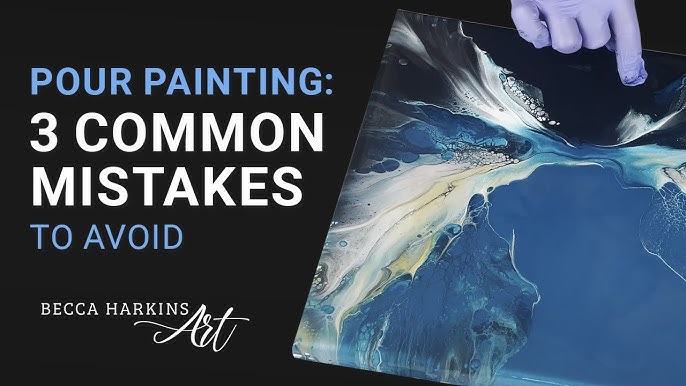
Credit: m.youtube.com
5. Not Cleaning Brushes Properly
Dirty brushes can ruin your colors. Old paint can mix with new paint. This affects your painting quality.
How To Avoid
- Clean brushes after each use.
- Use soap and water for cleaning.
- Store brushes properly.
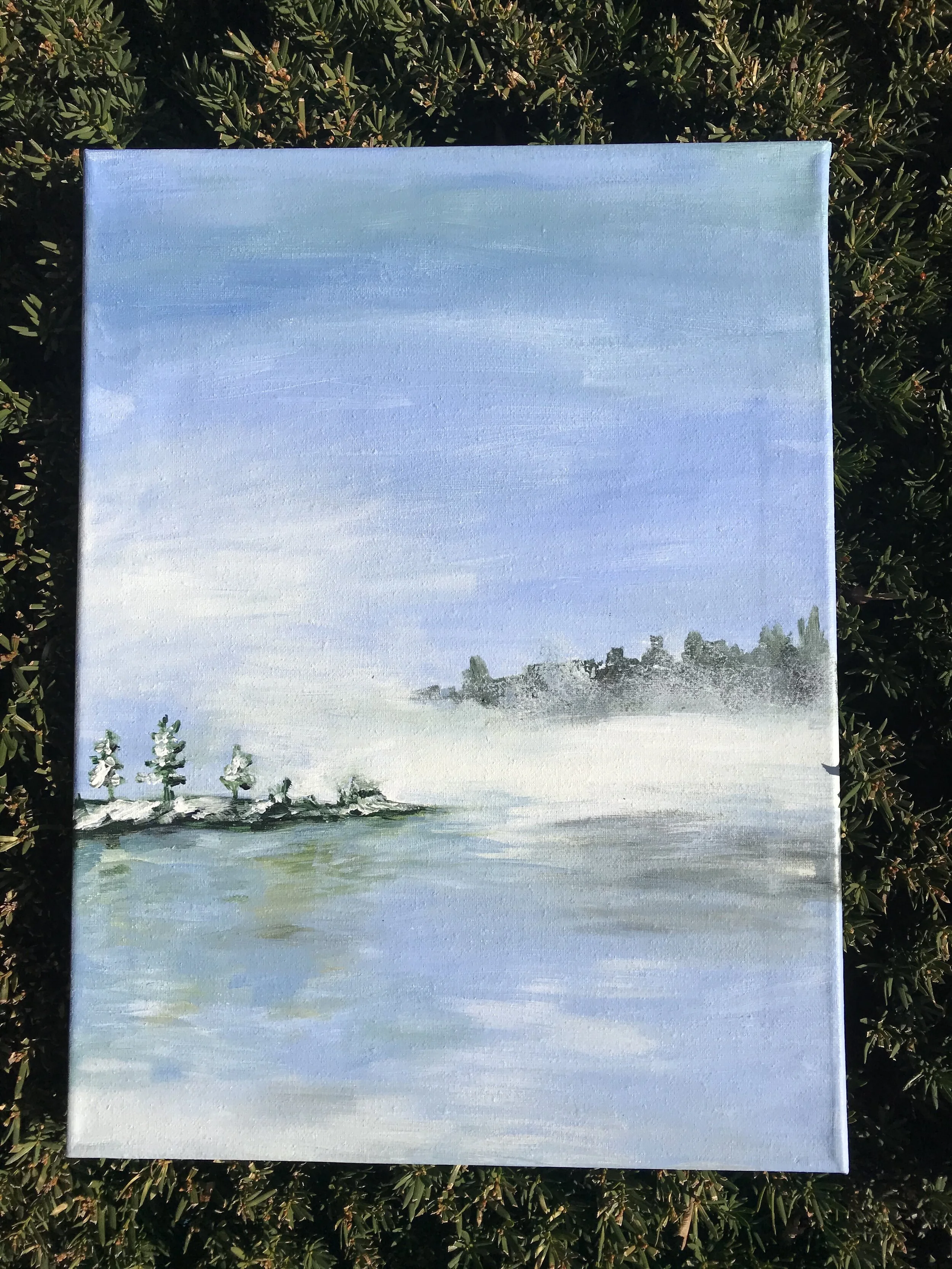
6. Not Planning Your Painting
Planning helps you avoid mistakes. Without a plan, your painting may look messy.
How To Avoid
- Sketch your idea first.
- Choose your colors beforehand.
- Decide on the composition.
Credit: www.jackiepartridge.com
7. Overworking the Painting
Sometimes, less is more. Overworking can make your painting look cluttered. It loses its freshness.
How To Avoid
- Know when to stop.
- Take breaks and look at your work.
- Ask for feedback from others.
8. Ignoring Backgrounds
Backgrounds are important. They set the stage for your main subject. Ignoring them can make your painting look incomplete.
How To Avoid
- Plan your background first.
- Keep it simple but effective.
- Use lighter colors for backgrounds.
9. Not Letting Layers Dry
Wet layers can mix and create unwanted colors. Your painting may look muddy.
How To Avoid
- Be patient and let layers dry.
- Use a hairdryer for quick drying.
- Work on multiple sections at once.
10. Using Low-Quality Materials
Cheap materials can affect your painting. They may not last long. Your colors may not be vibrant.
How To Avoid
- Invest in good quality paints and brushes.
- Use artist-grade materials.
- Store materials properly.
Frequently Asked Questions
What Is The Best Acrylic Paint Consistency?
A creamy consistency is best for smooth application and blending.
How To Avoid Muddy Colors In Acrylic Painting?
Use clean brushes and avoid over-mixing colors.
Why Is My Acrylic Paint Cracking?
Cracking occurs from applying thick layers or using low-quality paint.
How To Fix Uneven Acrylic Paint Layers?
Apply a second thin layer to even out the surface.
Conclusion
Acrylic painting is a joyful activity. Avoiding these common mistakes will improve your work. Practice and patience are key.
Happy painting!