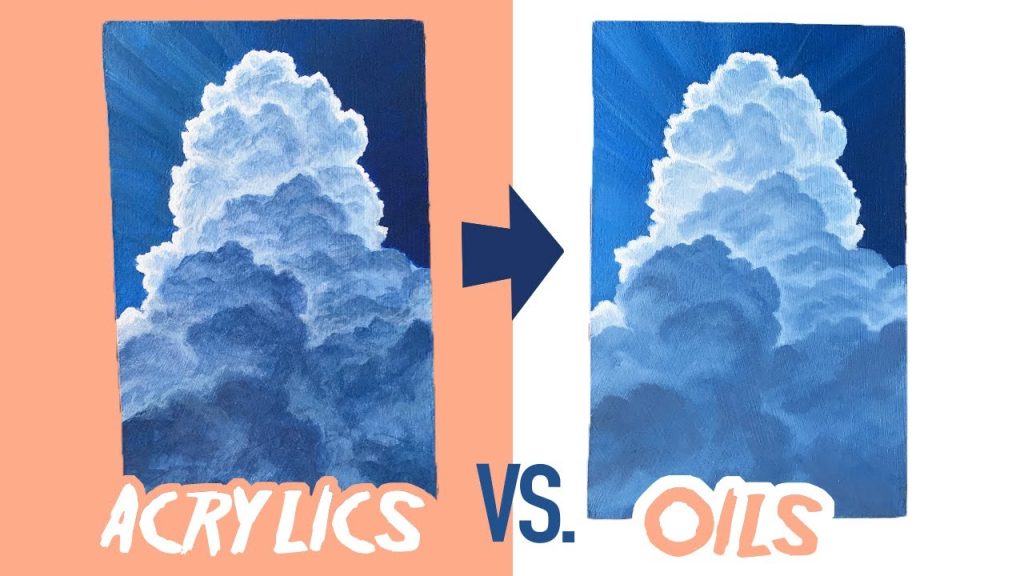
When it comes to painting, the choice of paint is important. The two most popular types are acrylic paint and oil paint. Each has unique characteristics. This article will help you understand these differences. Let’s dive in!
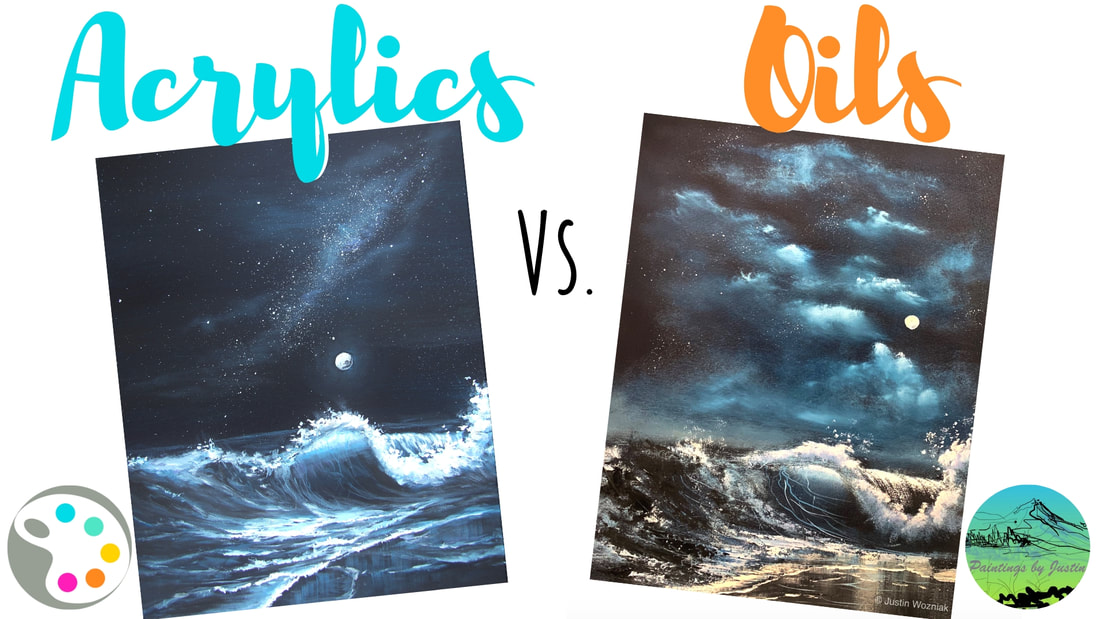
Credit: createfulart.com
What is Acrylic Paint?
Acrylic paint is a fast-drying paint. It is made of pigment suspended in acrylic polymer emulsion. This type of paint is water-soluble but becomes water-resistant when dry.
Advantages Of Acrylic Paint
- Fast Drying Time: Acrylic paint dries quickly. This allows artists to layer paint easily.
- Water-Soluble: You can clean brushes and palettes with water. This makes cleanup easy.
- Versatile: Acrylics can mimic watercolors or oil paints. They are flexible for different techniques.
- Durable: Once dry, acrylic paint is resistant to water and light.
- Non-Toxic: Many acrylic paints are non-toxic. This makes them safer for all ages.
Disadvantages Of Acrylic Paint
- Fast Drying: The quick drying time can be a drawback. It can make blending colors harder.
- Color Shift: Colors may darken as they dry. This can make color matching tricky.
What is Oil Paint?
Oil paint is made of pigment and oil, usually linseed oil. It dries slowly, allowing artists to work on details for longer periods.
Advantages Of Oil Paint
- Slow Drying Time: Oil paint dries slowly. Artists have more time to blend and work on details.
- Rich Colors: Oil paints have vibrant and rich colors. They maintain their brightness over time.
- Texture: Oil paints can create thick, textured strokes. This adds depth to the artwork.
- Long-Lasting: Oil paintings can last for centuries. They are durable and less prone to fading.
Disadvantages Of Oil Paint
- Slow Drying: The slow drying time can be a drawback. It can take months for a painting to fully dry.
- Solvents Needed: Cleaning brushes requires solvents like turpentine. These can be toxic and have strong odors.
- Expensive: Oil paints and the materials needed can be costly.
Comparing Acrylic Paint and Oil Paint
| Feature | Acrylic Paint | Oil Paint |
|---|---|---|
| Drying Time | Fast | Slow |
| Cleanup | Water | Solvents |
| Versatility | High | Medium |
| Durability | High | Very High |
| Cost | Lower | Higher |
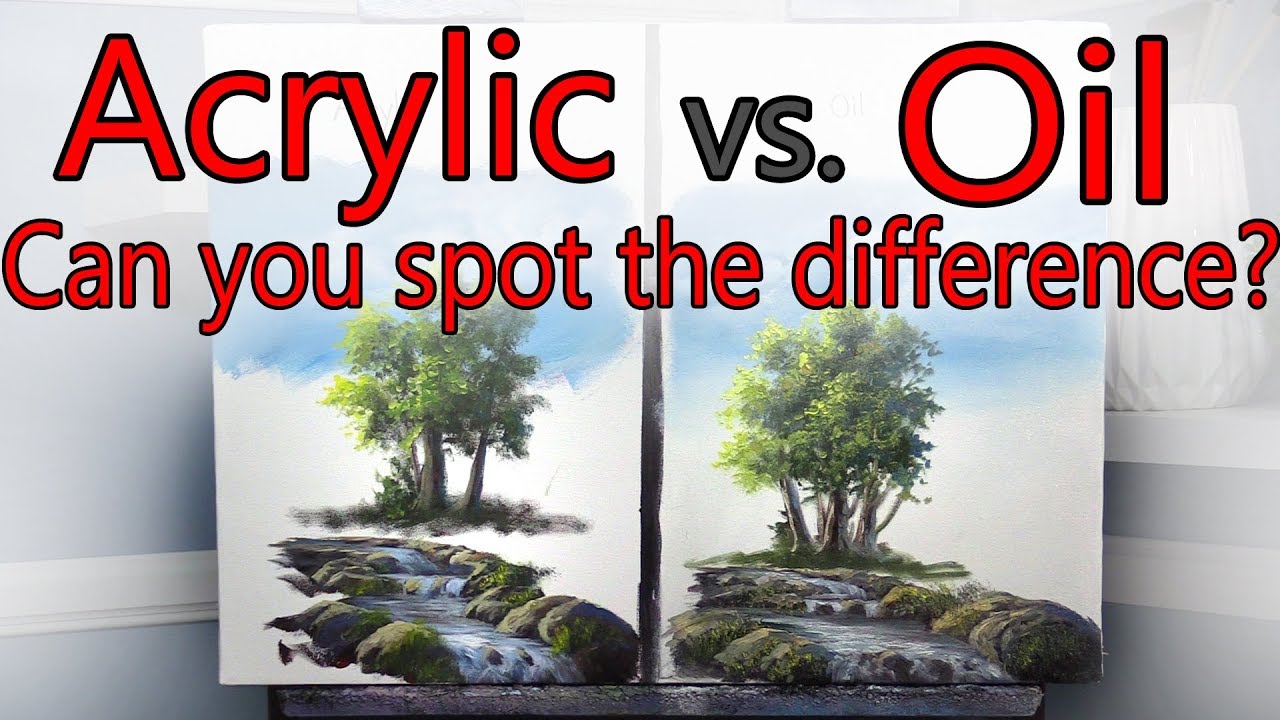
Credit: m.youtube.com
Which Paint Should You Choose?
Choosing between acrylic and oil paint depends on your needs. Consider the following factors:
Your Experience Level
If you are a beginner, acrylic paint is a good start. It is easy to use and clean. If you are more experienced, oil paint offers more control and richness.
Project Timeline
If you need to finish a project quickly, acrylic paint is the way to go. If you have more time, oil paint allows for detailed work over longer periods.
Budget
Acrylic paints are generally less expensive. If budget is a concern, they are a good choice. Oil paints can be more costly, but they offer longevity and richness.
Desired Finish
Think about the finish you want. Acrylics dry with a matte or glossy finish. Oils have a luminous and rich finish that lasts for a long time.
Frequently Asked Questions
What Is The Main Difference Between Acrylic And Oil Paint?
Acrylic paint dries quickly. Oil paint takes longer to dry.
Which Paint Is Easier To Clean Up?
Acrylic paint is easier to clean up with water.
Can Acrylic Paint Be Used On Canvas?
Yes, acrylic paint works well on canvas.
Is Oil Paint More Durable Than Acrylic?
Oil paint is often more durable and resistant to fading.
Conclusion
Both acrylic and oil paints have their pros and cons. Your choice depends on your needs and preferences. Whether you choose acrylic or oil, both can help you create beautiful art.