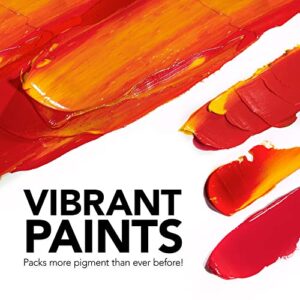
Acrylic paint white color offers excellent coverage and a smooth finish. It is widely used by artists for its versatility.
Acrylic paint is a popular medium among artists due to its fast-drying properties and vibrant colors. White acrylic paint, in particular, stands out for its high opacity and ability to create clean, bright highlights. It blends well with other colors, making it a versatile choice for various techniques, from fine details to broad strokes.
Acrylic paint is water-based, non-toxic, and easy to clean up, which adds to its appeal. Whether used on canvas, wood, or paper, white acrylic paint provides a reliable foundation and enhances the overall composition of any artwork.

Credit: www.winsornewton.com
The Lure Of Acrylic Paint
Acrylic paint has a unique charm. It offers a variety of uses and benefits. The white color, in particular, is a favorite among artists. Why is it so alluring? Let’s explore!
Versatility Across Mediums
Acrylic paint is versatile. It works on canvas, wood, paper, and more. Artists love its adaptability. You can use it for fine details or broad strokes. It blends well with other colors. This makes it ideal for mixing and creating shades.
Here are some common surfaces:
- Canvas
- Wood
- Paper
- Fabric
Its versatility makes it a go-to choice for many artists. They can express their creativity on different mediums.
Quick Drying Advantage
Acrylic paint dries quickly. This is a huge benefit for artists. Waiting times are short. You can layer colors without long delays. This speeds up the painting process.
Here are some advantages of quick drying:
| Advantage | Benefit |
|---|---|
| Layering | Allows for multiple layers quickly. |
| Corrections | Mistakes can be fixed fast. |
| Efficiency | Speeds up the overall process. |
Quick drying is a key feature. It helps artists keep their creative flow uninterrupted.

Credit: www.amazon.com
Diving Into White
The world of acrylic paint is vibrant and varied. Among all colors, white holds a special place. It can change the tone of other colors and add depth to your artwork. Let’s explore the magic of white in acrylic paints.
Symbolism And Impact
White often symbolizes purity and peace. It can create a sense of calm in your paintings. Artists use white to highlight certain areas, making them stand out. White also impacts the overall mood of your artwork. It can make colors pop and add contrast.
Varieties Of White
Did you know there are different types of white in acrylic paint?
| Type of White | Description |
|---|---|
| Titanium White | Bright and opaque. Perfect for highlights. |
| Zinc White | Less opaque. Ideal for mixing and glazing. |
| Mixing White | Slightly transparent. Great for subtle changes. |
Each type of white offers unique qualities. Choose the right one for your needs. Use titanium white for bold highlights. Pick zinc white for softer tones. Mixing white is perfect for gentle blends.
- Use white to create tints of other colors.
- Add white to make colors lighter.
- Experiment with different whites for various effects.
White in acrylic paint is more than just a color. It’s a tool to enhance your art.
Essential Supplies
Creating stunning artwork with acrylic paint white color requires the right supplies. Having quality tools ensures your painting experience is smooth. Here are the essentials you’ll need.
Choosing The Right Brushes
Your brush choice affects your painting’s outcome. Different brushes serve different purposes. Consider these factors:
- Bristle Type: Synthetic brushes work well with acrylics.
- Brush Shapes: Flat, round, and filbert brushes are popular.
- Brush Sizes: Use small brushes for details and large brushes for broad strokes.
Having a variety of brushes helps you create different textures and effects.
Selecting Your Canvas
The canvas you choose impacts your artwork’s quality. Here’s what to consider:
| Canvas Type | Description |
|---|---|
| Stretched Canvas | Pre-stretched over a wooden frame, ready to paint. |
| Canvas Panels | Canvas mounted on cardboard, ideal for beginners. |
| Canvas Pads | Sheets of canvas, perfect for practice and studies. |
Choose a high-quality canvas to ensure long-lasting artwork.
Mixing And Blending Techniques
Acrylic paint is versatile and fun. Mixing and blending white acrylic paint can create amazing effects. Mastering these techniques can elevate your art to new heights.
Achieving The Perfect Shade
Creating the perfect shade with white acrylic paint is easy. Follow these steps:
- Start with a small amount of white paint.
- Add a tiny bit of another color.
- Mix thoroughly until you get the desired shade.
- Test the shade on a small part of your canvas.
- Adjust by adding more white or color as needed.
| Color Added | Effect |
|---|---|
| Blue | Light Blue |
| Red | Pink |
| Yellow | Light Yellow |
Gradient Effects
Creating gradient effects with white acrylic paint can be magical. Follow these simple steps:
- Apply a base color to your canvas.
- Add white paint to the edge of the base color.
- Use a clean brush to blend the two colors together.
- Move the brush in a back-and-forth motion.
- Continue blending until you achieve a smooth gradient.
These techniques can transform your paintings. Experiment and have fun with white acrylic paint.
Layering Whites For Depth
Layering whites in acrylic painting adds depth and dimension. This technique can transform your artwork, making it more dynamic. The secret lies in understanding how to layer effectively.
Creating Texture
Creating texture with white paint adds interest to your art. Use different tools to apply the paint. Brushes, palette knives, and sponges work well. Each tool gives a unique texture.
Brushes can create soft, smooth layers. They are great for blending. A palette knife can create thick, bold strokes. Sponges give a dotted, soft texture. Experiment with these tools to find your favorite.
Tips For Layering
Layering white paint requires practice and patience. Here are some tips to help you:
- Use thin layers. Thick layers can crack as they dry.
- Let each layer dry before adding the next.
- Mix white with other colors for subtle variations.
- Use different shades of white. Try titanium white and zinc white.
Thin layers build depth without overwhelming the painting. Drying time is crucial to avoid smudging. Mixing whites with other colors adds richness. Different whites offer unique properties.
| White Paint Type | Properties |
|---|---|
| Titanium White | Opaque, bright, strong coverage |
| Zinc White | Semi-transparent, soft, less intense |
Understanding these properties helps you choose the right white. Titanium white is great for bold highlights. Zinc white is perfect for gentle transitions.
The Role Of White In Color Theory
The white color in acrylic paint holds a special place in color theory. It is not just a color; it is a tool that artists use to create depth, contrast, and balance. Understanding the role of white can transform your artwork and elevate your color mixing skills.
Contrast And Balance
White plays a crucial role in creating contrast in your artwork. It can make other colors appear more vibrant and noticeable. By using white, artists can highlight specific areas, drawing the viewer’s eye to focal points.
In terms of balance, white helps to even out compositions. It can tone down overly vibrant colors and create harmony. This balance makes your artwork visually pleasing and cohesive.
Enhancing Color Vibrancy
White is essential for enhancing the vibrancy of colors. When mixed with other hues, it can lighten them, creating a range of tints. This process allows artists to achieve subtle variations and nuanced shades.
For example, adding white to red creates pink, a lighter, more vibrant color. This technique is useful in portrait painting, where skin tones require delicate shades.
| Original Color | Mixed with White | Resulting Tint |
|---|---|---|
| Red | White | Pink |
| Blue | White | Light Blue |
| Green | White | Light Green |
Using white in acrylic paint, artists can achieve a wide spectrum of colors, enhancing their creative possibilities.
Cleaning And Preservation
Maintaining your acrylic paint white color requires proper cleaning and preservation. This ensures your brushes last longer and your artwork remains vibrant. Below, we’ll discuss essential tips for maintaining your brushes and ensuring the longevity of your artwork.
Maintaining Your Brushes
Proper brush maintenance is crucial for consistent results. Follow these steps:
- Rinse immediately after use to prevent paint from drying.
- Use lukewarm water to remove excess paint.
- Mild soap works well for thorough cleaning.
- Gently reshape the bristles and let them dry flat.
- Store brushes with the bristles facing upward.
Using these steps will extend the life of your brushes.
Longevity Of Your Artwork
Preserving your acrylic paintings ensures they last for years. Follow these tips:
- Use a varnish to protect the surface.
- Keep paintings away from direct sunlight.
- Store in a cool, dry place.
- Avoid exposing paintings to extreme temperatures.
These steps help maintain the vibrancy and integrity of your artwork.
| Tip | Description |
|---|---|
| Immediate Rinse | Prevents paint from drying on brushes |
| Use Lukewarm Water | Effective for removing excess paint |
| Use Mild Soap | Ensures thorough cleaning of bristles |
| Varnish | Protects painting surface |
| Store Properly | Prevents damage from environmental factors |

Credit: www.amazon.com
Project Ideas To Inspire
Acrylic paint white color is a versatile and essential medium. It can elevate any art project. Here are some creative ideas to inspire you.
Monochromatic Themes
Monochromatic themes focus on one color, using various shades. White can be your primary color to create stunning effects. Try painting a snowy landscape. Use white acrylic paint for different textures. This can highlight the serene beauty of winter scenes.
| Project | Materials Needed |
|---|---|
| Snowy Landscape |
|
| White Flower Painting |
|
Incorporating White Accents
White accents can add brightness to any artwork. Use white acrylic paint to highlight key areas. This can make your subjects pop.
- Paint a dark background.
- Add white accents to the main subject.
- Use fine brushes for detailed work.
Try painting a night sky with stars. Use white to create sparkling stars. This contrast will create a magical effect.
Acrylic paint white color can be a powerful tool. Use it in creative ways. Explore these ideas and let your imagination run wild.
Frequently Asked Questions
What Is The Best White For Acrylic Paint?
Titanium White is the best acrylic paint for its opacity and brightness. It provides excellent coverage and mixing capabilities.
Can You Make White With Acrylic Paint?
You can’t create white with acrylic paint as it’s a primary color. Use white paint directly.
What Is White Acrylic Paint Used For?
White acrylic paint is used for priming surfaces, creating highlights, mixing with colors, and adding details in art projects.
Is Mixing White The Same As Zinc White?
No, mixing white and zinc white are different. Mixing white is titanium-based, while zinc white contains zinc oxide.
What Is Acrylic Paint?
Acrylic paint is a fast-drying, water-based paint used for various surfaces.
Why Use White Acrylic Paint?
White acrylic paint is versatile, ideal for mixing, highlighting, and creating base layers.
How To Mix White Acrylic Paint?
Mix white acrylic paint with other colors to lighten and create different shades.
Is White Acrylic Paint Waterproof?
Acrylic paint becomes water-resistant when dry, but not entirely waterproof.
Conclusion
White acrylic paint is versatile and essential for artists of all levels. Its opacity and brightness enhance any artwork. Whether you’re a beginner or professional, white acrylic paint is a staple in your toolkit. Experiment with shades and techniques to achieve stunning results.
Embrace the endless possibilities with white acrylic paint.