Acrylic paints are versatile, quick-drying, and water-based. Brushes come in various shapes and sizes for different techniques.
Acrylic paints, favored by artists, offer vibrant colors and easy blending. They dry quickly and can be used on multiple surfaces, including canvas, wood, and paper. Brushes, essential for applying acrylic paint, vary in shape, size, and bristle material. Round brushes are ideal for detail work, while flat brushes cover large areas efficiently.
Synthetic bristles work well with acrylics, providing durability and ease of cleaning. Investing in quality brushes and paints can significantly enhance your artistic results. With the right tools, artists can explore a range of styles and techniques, making acrylic painting a rewarding and versatile medium.
Credit: www.daler-rowney.com
The Colorful World Of Acrylics
Acrylic paints bring a vibrant and colorful world to life. They offer artists endless possibilities and creative freedom. These paints are loved for their versatility and durability. Whether you are a beginner or an expert, acrylics can transform your artwork.
Vibrant Palette Possibilities
Acrylic paints come in a wide range of colors. This allows for vibrant palette possibilities. Artists can mix and match colors to create unique shades. The colors remain bright and lively, even after drying.
Here is a table showing some popular acrylic paint colors:
| Color | Shade |
|---|---|
| Red | Crimson |
| Blue | Cobalt |
| Green | Emerald |
Fast Drying For Swift Creativity
Acrylic paints are known for their fast drying properties. This feature allows artists to work quickly and efficiently. You can layer colors without long waiting times. This makes acrylics perfect for those who love swift creativity.
Here are some benefits of fast drying acrylics:
- Quick layering
- Reduced smudging
- Immediate corrections

Credit: www.amazon.com
Choosing The Right Acrylic Paints
Choosing the right acrylic paints can make a big difference in your artwork. Acrylic paints come in many types. Knowing what to look for can help you make better choices.
Quality And Pigmentation
Quality and pigmentation of acrylic paints are very important. High-quality paints have more pigment. This means the colors are richer and brighter. They also last longer on the canvas.
There are two main types of acrylic paints:
- Artist Grade: Higher quality, more pigment, and better for serious artists.
- Student Grade: Lower quality, less pigment, and more affordable.
Choose artist-grade paints for the best results. Student-grade paints are good for practice.
Viscosity And Texture
Viscosity and texture affect how the paint feels and looks. Viscosity is the thickness of the paint. There are three main types:
- Heavy Body: Thick and buttery, good for textured effects.
- Soft Body: Smooth and creamy, perfect for detailed work.
- Fluid: Thin and runny, ideal for glazing and washes.
Choose the viscosity based on your painting style. Heavy body paints are great for bold, textured strokes. Soft body paints work well for smooth, even layers. Fluid paints are best for fine details and washes.
| Type | Viscosity | Best For |
|---|---|---|
| Heavy Body | Thick | Textured effects |
| Soft Body | Smooth | Detailed work |
| Fluid | Thin | Glazing and washes |
Essential Brush Types For Acrylic Artists
Acrylic painting offers limitless creativity. The right brush can make a huge difference. Knowing which brushes to use can help you create stunning artwork. Let’s explore the essential brush types every acrylic artist needs.
Natural Vs Synthetic Bristles
Natural bristles come from animals. They are usually softer and great for smooth strokes. These brushes can hold more paint and are ideal for blending.
Synthetic bristles are made from man-made materials. They are often more durable and versatile. These brushes are perfect for thick acrylics and detailed work.
Here is a quick comparison:
| Natural Bristles | Synthetic Bristles |
|---|---|
| Softer, better for blending | Durable, versatile |
| Holds more paint | Perfect for thick acrylics |
| Great for smooth strokes | Ideal for detailed work |
Shapes And Sizes For Every Technique
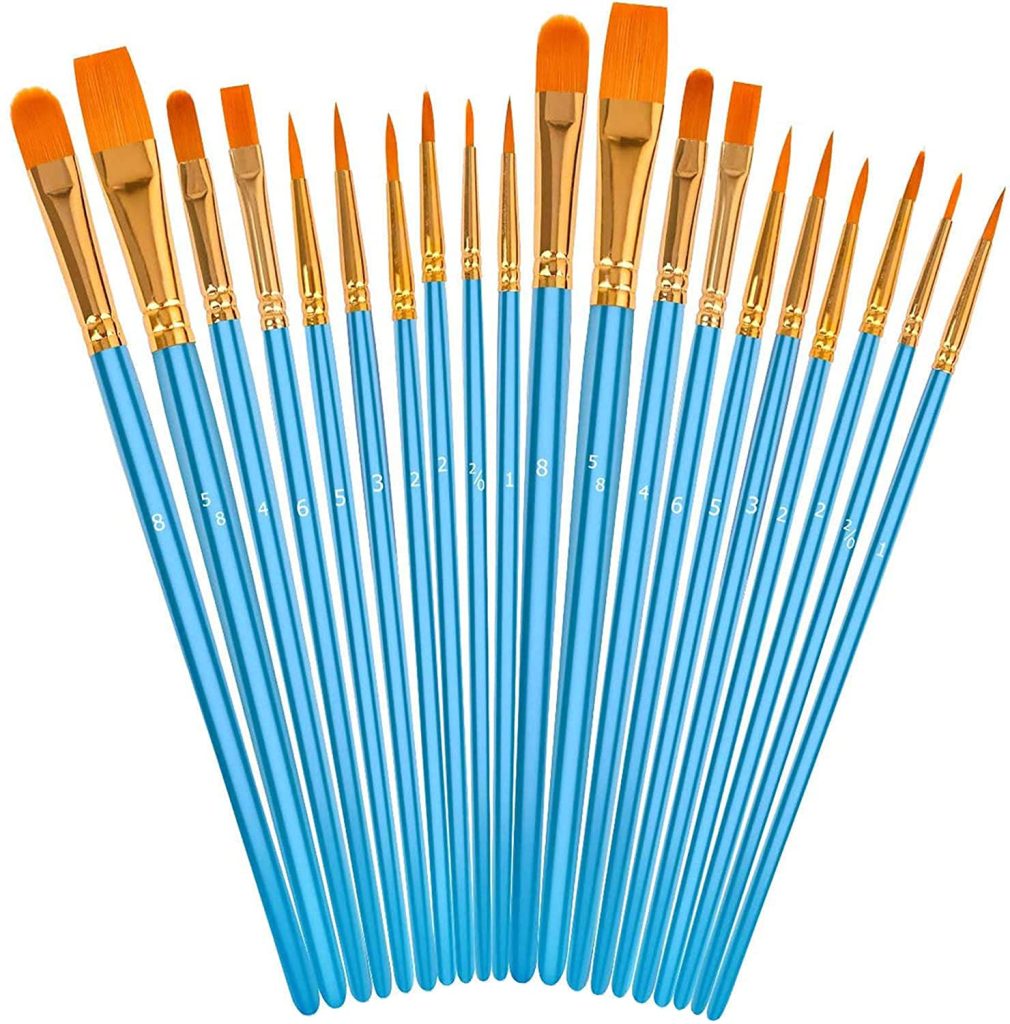
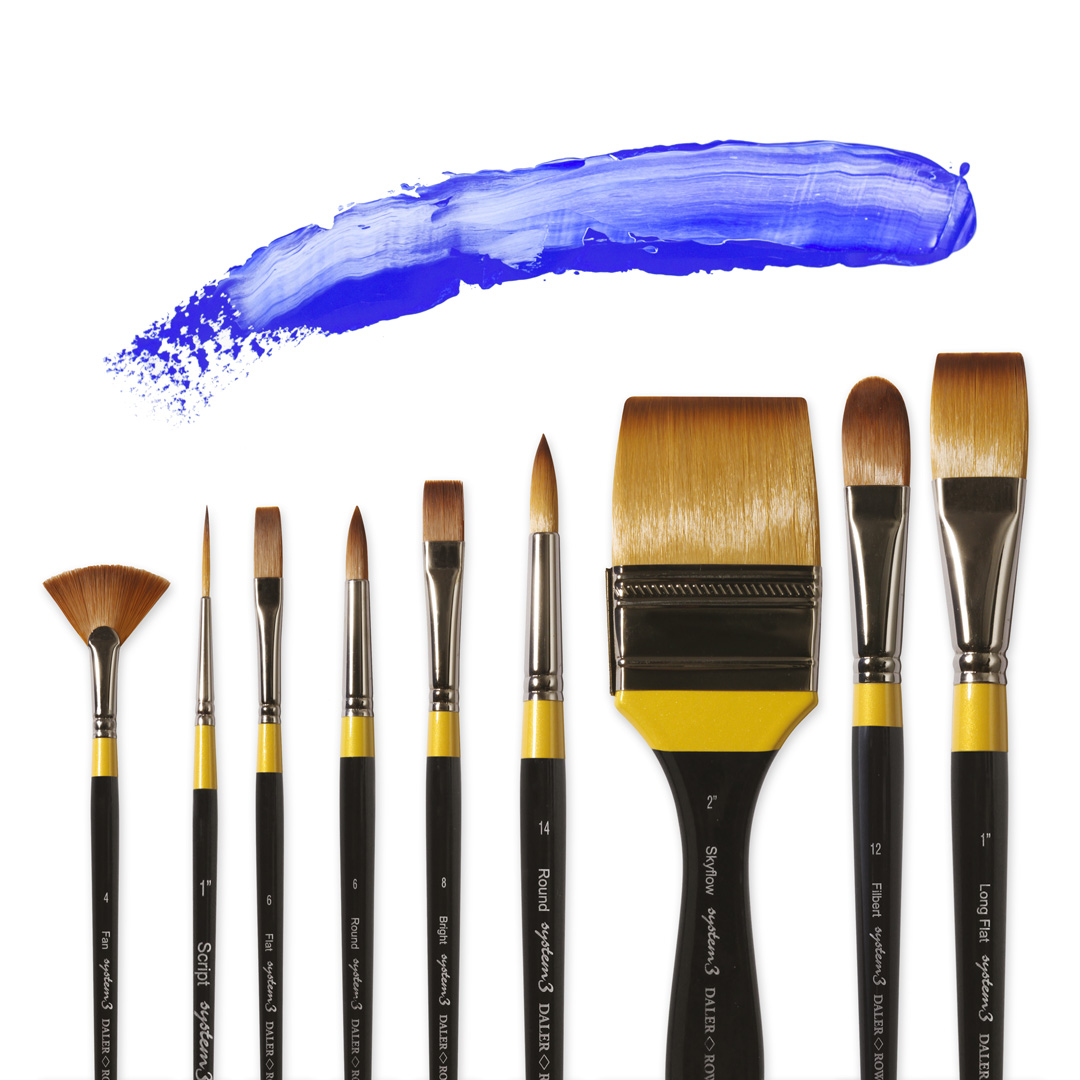
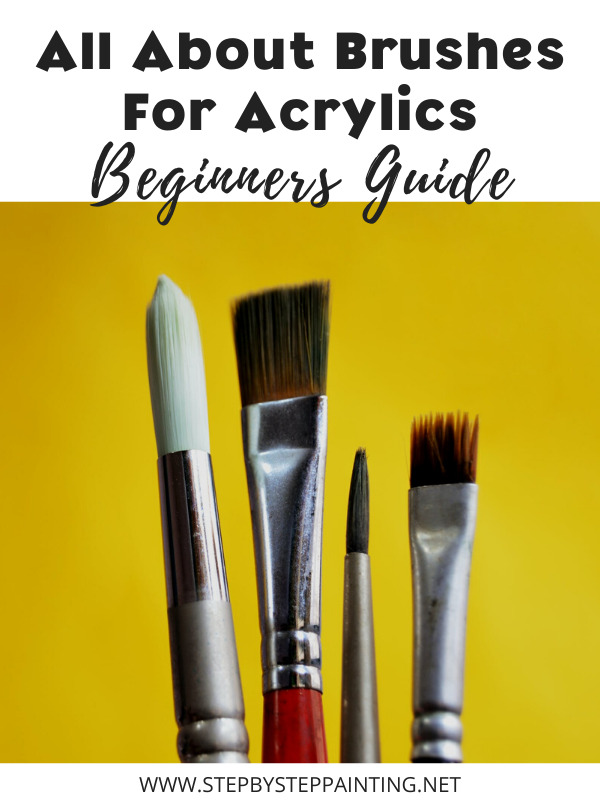
Brushes come in many shapes and sizes. Each has its own use. Let’s look at some common types:
- Flat Brushes: Ideal for bold strokes and filling wide spaces.
- Round Brushes: Great for fine lines and details.
- Fan Brushes: Perfect for blending and creating textures.
- Filbert Brushes: Combines the features of both flat and round brushes.
Brush sizes range from small to large. Small brushes are good for detail work. Larger brushes cover more area quickly.
- Small Brushes: For intricate details and finishing touches.
- Medium Brushes: Versatile for both details and larger areas.
- Large Brushes: Efficient for covering big spaces and bold strokes.
Maximizing Your Brushes’ Potential
Acrylic painting is a joy for many artists. To make your art shine, you need to take care of your brushes. Learn how to keep them in top shape and use them for bold strokes and fine lines.
Brush Care Tips
Brushes are the artist’s best friend. Keeping them clean and soft is key. Follow these tips for longer brush life:
- Clean your brushes after every use. Rinse with warm water.
- Never let paint dry on the bristles. It ruins the brush.
- Use a brush cleaner for deep cleaning once a week.
- Store brushes upright, bristles up, to maintain their shape.
- Do not leave brushes in water for long periods. It weakens the glue.
Techniques For Bold Strokes And Fine Lines
Acrylic paint is versatile. You can create bold strokes and fine lines with ease. Here’s how:
| Technique | Brush Type | Description |
|---|---|---|
| Bold Strokes | Flat Brush | Use the flat side of the brush. Apply firm pressure. |
| Fine Lines | Round Brush | Use the tip of the brush. Light pressure is key. |
Here are some steps to practice:
- Dip your brush in water, then in paint.
- For bold strokes, use a flat brush and press firmly.
- For fine lines, use a round brush and press lightly.
- Practice on scrap paper before painting on your canvas.
Remember, practice makes perfect. Keep experimenting with your brushes. Your art will thank you!
Mixing And Blending Acrylics
Acrylic paints offer vibrant colors and versatility. Knowing how to mix and blend them well is crucial. This skill enhances your artwork and achieves stunning effects. Explore the secrets behind creating custom colors and achieving smooth gradients.
Creating Custom Colors
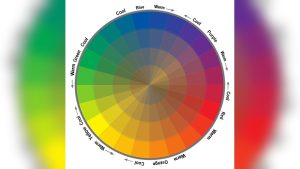
Mixing your own colors gives you complete control. Start with primary colors: red, blue, and yellow. From these, you can create secondary and tertiary colors. Use a palette knife to blend paints on a palette.
| Primary Color | Secondary Color | Result |
|---|---|---|
| Red | Blue | Purple |
| Blue | Yellow | Green |
| Yellow | Red | Orange |
Experiment with different ratios. Add a touch of white or black to adjust the shade. Note your mixtures for future reference. This helps you replicate colors precisely.
Achieving Smooth Gradients
Smooth gradients create a seamless transition between colors. Start with two colors on your palette. Use a soft brush for blending. Apply one color to one side and the second color to the other side.
Use horizontal or vertical strokes to blend the colors. Work quickly to avoid drying. Add a bit of water or a medium to keep the paint wet longer. Use a clean, dry brush to smooth the transition further.
- Use a soft brush for blending.
- Add water or medium to extend drying time.
- Blend with horizontal or vertical strokes.
Surfaces For Acrylic Painting
Acrylic paints offer great versatility. Choosing the right surface enhances your artwork. Let’s explore different surfaces and how to prepare them.
Canvas Or Paper?
Both canvas and paper work well with acrylic paints. Each has unique benefits.
Canvas is a popular choice. It is durable and holds paint well. It comes in two types: stretched and canvas boards. Stretched canvas is pre-mounted on a wooden frame. Canvas boards are canvas glued to a solid backing.
Paper is affordable and portable. Not all paper is suitable, though. Choose heavy-weight or specially designed acrylic paper. This type prevents warping and absorbs paint better.
Preparing Your Surface
Preparing your surface is crucial. It ensures better paint adhesion and longevity. Here are steps to prepare your canvas or paper:
- Prime the Surface: Use a layer of gesso. Gesso seals the surface and adds texture.
- Sand the Surface: For a smoother finish, lightly sand after priming.
- Apply Multiple Coats: Two to three coats of gesso is ideal. Let each coat dry before adding the next.
Follow these steps and your surface will be ready for acrylic painting.
| Surface | Benefits |
|---|---|
| Canvas | Durable, holds paint well, available in various forms |
| Paper | Affordable, portable, needs heavy-weight or acrylic-specific |
Innovative Acrylic Mediums
Acrylic painting offers endless possibilities for creativity. Innovative acrylic mediums enhance this experience. These mediums transform basic acrylic paint. They provide unique textures, effects, and finishes. Artists can explore new dimensions in their work. These mediums include texture gels and various modifiers.
Texture Gels And Modifiers
Texture gels add depth to your artwork. They can create rough or smooth surfaces. Some popular texture gels include:
- Heavy Gel: Adds thickness and structure.
- Light Modeling Paste: Creates a lightweight, sculptable texture.
- Sand Gel: Gives a gritty, sandy finish.
Modifiers change the paint’s properties. They can adjust the drying time, consistency, and finish. Common modifiers include:
- Retarder: Slows down the drying time.
- Flow Improver: Makes the paint more fluid.
- Gloss Medium: Adds a shiny, glossy finish.
Exploring New Dimensions In Art
Innovative acrylic mediums let artists explore new dimensions. They make paintings more engaging and dynamic. Artists can experiment with various textures and finishes. This experimentation can lead to unique and captivating artwork.
Using different mediums can inspire creativity. It encourages artists to try new techniques. These mediums can help artists achieve their desired effects.
Here’s a quick overview of mediums and their effects:
| Medium | Effect |
|---|---|
| Heavy Gel | Thick, textured layers |
| Light Modeling Paste | Lightweight, sculptable texture |
| Sand Gel | Gritty, sandy finish |
| Retarder | Slower drying time |
| Flow Improver | Smoother, more fluid paint |
| Gloss Medium | Shiny, glossy finish |
Acrylics In Art History And Trends
Acrylic paints have revolutionized the world of art. They are versatile, fast-drying, and vibrant. These qualities make them a favorite among artists. Let’s explore the history and trends of acrylic paints.
Pioneers Of Acrylic Painting
The first acrylic paints were developed in the 1940s. Mexican muralists like David Alfaro Siqueiros and Diego Rivera were early adopters. They used acrylics for their large-scale murals. These paints were durable and weather-resistant.
Abstract Expressionists also embraced acrylics. Artists like Mark Rothko and Helen Frankenthaler found them perfect for their bold techniques. Acrylics allowed them to experiment with color and form.
In the 1960s, Andy Warhol used acrylics in his pop art. His iconic Campbell’s Soup Cans were painted with acrylics. The quick-drying nature of the paint suited his fast-paced style.
Contemporary Acrylic Art Movements
Today, acrylics are used in various art movements. Street artists love acrylics for murals and graffiti. The paint’s durability is ideal for outdoor works. Artists like Banksy and Shepard Fairey use acrylics for their striking visuals.
Mixed media artists combine acrylics with other materials. They use them with collage, ink, and even digital art. This blend creates unique textures and effects.
Abstract artists continue to push the boundaries with acrylics. They layer colors and create dynamic compositions. The flexibility of acrylics lets them explore new techniques.
Acrylic pouring is a popular trend. Artists pour and tilt the canvas to create fluid, organic designs. This method creates mesmerizing patterns and is fun for beginners.
Acrylic paints have evolved and inspired countless artists. From murals to mixed media, their impact is undeniable.
Credit: stepbysteppainting.net
Frequently Asked Questions
What Brush Is Best For Acrylic Paint?
A synthetic brush works best for acrylic paint. It offers durability and smooth application. Choose flat or round brushes for detailed work.
Do You Wet Your Brush When Using Acrylic Paint?
Yes, you can wet your brush when using acrylic paint. Wetting helps to thin the paint and improve flow.
Can Acrylic Paint Be Washed Off Paint Brushes?
Yes, acrylic paint can be washed off paint brushes. Use water and soap immediately after painting for best results.
Can I Mix Acrylic Paint With Brush?
Yes, you can mix acrylic paint with a brush. Ensure the paint is well-blended for smooth application.
What Are Acrylic Paints Used For?
Acrylic paints are versatile and used for canvas, wood, fabric, and paper.
How Do You Clean Acrylic Brushes?
Clean acrylic brushes with warm water and mild soap immediately after use.
Can Acrylic Paint Be Used On Fabric?
Yes, acrylic paint can be used on fabric but requires a fabric medium.
Are Acrylic Paints Waterproof?
Acrylic paints are water-resistant when dry but not fully waterproof without a sealant.
Conclusion
Acrylic paints and brushes offer endless creative possibilities for artists. Their versatility and vibrant colors enhance any artwork. Investing in quality brushes and paints can make a significant difference. Start experimenting with different techniques and find your unique style. With the right tools, your artistic potential is limitless.
Happy painting!