Quick answer: Are sable brushes cruel? It depends on how the hair is sourced, and that is hard to verify. Kolinsky “sable” hair comes from the tail of the Siberian weasel, which is typically trapped or farmed, mainly in Russia and China. Animal welfare groups raise concerns about trapping and fur farming, while some makers say the hair is a by-product of the fur trade. Because supply chains are opaque, many painters who are concerned choose high-quality synthetic brushes instead.
Sable brushes have a reputation as the finest watercolor and detail brushes available. They also raise an uncomfortable question for many painters: where does the hair come from, and did an animal suffer for it? For painters just starting out, the question is easy to sidestep, since most of the best beginner paint brushes are synthetic anyway.
This article looks at the question are sable brushes cruel as fairly as possible: what the animals are, how hair is obtained, the arguments on different sides, legal issues, and the alternatives available for painters who want to avoid animal hair.
What Animal Does Sable Hair Come From?
Despite the name, most “sable” brushes do not come from the sable (Martes zibellina). The most prized brush hair, called Kolinsky sable, generally comes from the tail of the Siberian weasel (Mustela sibirica), a small carnivore found across parts of Russia, China and neighboring regions.
Other brushes labeled “sable” or “red sable” may use hair from various weasel species or related animals. Labeling is not always precise, which makes the sourcing question harder.
Why Painters Value Sable Hair
Understanding why sable is prized helps explain why the debate exists.
- Taper: each hair narrows to a very fine tip, letting a brush form a sharp point.
- Capacity: the hair’s surface structure holds a lot of liquid.
- Spring: the brush returns to shape after pressure.
- Durability: well-cared-for sable brushes are known for lasting a long time.
For centuries, no other material matched this combination, which is why sable became the traditional choice for watercolor and fine detail.
How Is Sable Hair Obtained?
This is the core of the cruelty question, and it is where clear information is hardest to find.
Wild trapping
Much Kolinsky hair has historically come from wild-caught weasels trapped in cold regions, where the animals grow thick winter coats. Trapping methods vary and may not be well regulated or documented. Animal welfare organizations argue that trapping can cause significant suffering, depending on the trap type and how often traps are checked.
Fur farming
Some hair may come from animals raised on fur farms. Animal welfare groups have criticized fur farming conditions in various countries, including confinement and slaughter methods. The extent to which brush hair comes from farms, versus wild trapping, is not consistently disclosed.
By-product claims
Some brush makers and suppliers state that the tail hair is a by-product of the fur trade, meaning the animals were killed primarily for their pelts and the tails would otherwise be discarded. Critics respond that buying by-products still supports the economics of the fur trade.
Live harvesting
Claims are sometimes made that hair can be collected without killing the animal. For Kolinsky tail hair, there is little reliable public evidence that this is common practice. Treat such claims cautiously unless a maker provides specific, verifiable information.
Arguments on Different Sides
| Viewpoint | Main argument | Counterpoint often raised |
|---|---|---|
| Sable is cruel | Animals are trapped or farmed and killed; welfare conditions are often poor and hard to verify | Some makers claim responsible or by-product sourcing |
| By-product use is acceptable | Using tails from animals already killed for fur reduces waste | Any purchase may support the fur trade financially |
| Traditional craft | Sable brushes are part of centuries-old art traditions and last many years | Tradition does not answer welfare concerns; synthetics now offer alternatives |
| Sustainability | Siberian weasels are not considered globally threatened | Species status does not address individual animal welfare |
Reasonable people reach different conclusions. What most agree on is that transparency is limited, which makes informed choice difficult.
Why the Supply Chain Is So Hard to Trace
Painters who try to research a specific brush often hit a wall. Several features of the trade make clear answers difficult.
- Many hands between animal and brush. Hair typically passes from trappers or farms to fur collectors, then to hair dressers (specialists who sort and grade hair), then to brush factories, and finally to the brand on the label. Each step can obscure the origin.
- Brands may not make their own brushes. Some art supply brands buy finished brushes from contract manufacturers, so the company you contact may not know the hair’s original source.
- Mixing of lots. Hair from different suppliers and regions can be blended to meet grading standards.
- Few independent audits. Unlike some food or textile products, there is no widely recognized welfare certification for brush hair.
- Imprecise terminology. “Sable,” “red sable” and “Kolinsky” are sometimes used loosely, which makes it unclear even which species is involved.
This does not prove that any given brush involved cruelty. It does mean that a confident “this brush is cruelty-free” claim for natural sable is difficult to substantiate, and buyers who want certainty usually turn to synthetics.
Questions to Ask a Brush Maker
If you want to buy natural hair but care about sourcing, asking specific questions tends to get more useful answers than a general “is this ethical?”
- Which species does the hair in this brush come from?
- In which country was the hair sourced?
- Is the hair from wild-trapped or farmed animals?
- Do you or your suppliers have any welfare standards or audits in place?
- Do you manufacture the brush yourselves, or source finished brushes?
- How do you ensure compliance with wildlife trade regulations?
Specific, documented answers are a better sign than vague reassurances. A maker that cannot answer is not necessarily hiding anything, but it leaves the uncertainty in place.
Legal and Trade Issues
Sable hair has faced legal scrutiny in some markets. In the United States, there have been periods where shipments of Kolinsky hair were restricted or seized, reportedly over concerns related to wildlife trade regulations involving certain Siberian weasel populations. Rules can change, and enforcement has varied over time.
If this matters to your purchase, check current regulations in your country and look for retailer or maker statements about import compliance. This article cannot confirm the current legal status in every jurisdiction.
What About Other Natural Hair Brushes?
Sable is not the only animal hair used in brushes. Others include:
- Hog bristle: from pigs, generally a by-product of the meat industry.
- Squirrel: used in mops and wash brushes; sourcing concerns similar to sable.
- Goat: common in East Asian calligraphy brushes and some softeners; usually a by-product.
- Ox ear hair: used in some flats and one-stroke brushes; generally a by-product.
- Badger and mongoose: used in softeners and blenders; mongoose hair trade is restricted in some countries.
If avoiding animal products entirely is your goal, sable is only one part of the picture. Many beginner brushes are already synthetic, but natural hair appears in some sets and specialty brushes.
Synthetic Alternatives to Sable
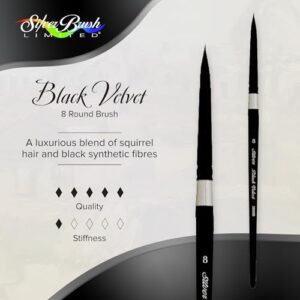
Synthetic brushes have improved substantially. Modern fibers are engineered to imitate the taper, capacity and spring of natural hair.
| Feature | Kolinsky sable | High-quality synthetic |
|---|---|---|
| Point | Very fine, holds well | Often very good; varies by brand |
| Water capacity | High | Moderate to high; some synthetics release water faster |
| Spring | Excellent, balanced | Often strong; some feel stiffer or bouncier |
| Durability | Long-lasting with care | Good; tips may wear differently over time |
| Price | High | Low to moderate |
| Animal welfare | Concerns depend on sourcing | No animal hair |
| Medium flexibility | Best in watercolor and gouache | Watercolor, acrylic, oil, gouache |
Some painters notice a difference, particularly in how long a synthetic holds a large watercolor load. Others find modern synthetics fully adequate for their work. Trying a single synthetic round in your usual size is a low-cost way to find out.
Synthetic sable blends
Some brushes mix natural and synthetic fibers to balance performance and price. These still contain animal hair, so check labels if you want fully animal-free brushes.
Are Synthetic Brushes Better for Beginners Anyway?
For most beginners, yes. Synthetic brushes are affordable, durable and work across media, including acrylic, which can damage expensive natural hair. Learning brush control on synthetics avoids the stress of damaging a costly sable.
If you are choosing your first brushes, our guide on how to choose paint brushes for beginners walks through shapes, sizes and fibers. For specific options, our list of the best paint brushes for beginners includes many fully synthetic sets.
How to Shop if Welfare Matters to You
- Read labels carefully. “Sable” and “Kolinsky” indicate animal hair. “Synthetic sable,” “sable-style” or “imitation sable” usually indicate synthetic fibers, but check.
- Look for “vegan” or “animal-free” statements. Some brands certify or clearly state this.
- Beware of blends. “Sable blend” may contain natural sable hair.
- Ask the maker. If sourcing matters, contact the brand. Responses vary in detail.
- Check other brushes in sets. Mops and wash brushes may contain squirrel or goat hair.
Switching From Sable to Synthetic: What to Expect
Painters who move from sable to synthetic often need a short adjustment period. Knowing the typical differences makes the switch smoother.
- Faster release: some synthetics let go of water more quickly, so washes may need a slightly fuller load or a quicker pace.
- More bounce: many synthetics feel springier. This can help with control but may feel less fluid in long strokes.
- Different point behavior: a synthetic point may snap back sharply, which suits detail, but some lose their fine tip sooner with heavy use.
- Easier care: synthetics tolerate acrylic, masking-fluid accidents and frequent washing better, and pests are not a concern.
A practical approach is to replace one brush at a time, starting with the size you use most. Paint a few familiar subjects with it before deciding whether it suits your style. Some painters find that a slightly larger synthetic round matches the capacity of a smaller sable they used before.
If You Already Own Sable Brushes
Some painters who change their view decide to keep using sable brushes they already own, reasoning that discarding them does not help animals. Others prefer to donate or stop using them. There is no single right answer. If you keep them, good care extends their life and reduces the need to replace them:
- Use them for watercolor and gouache, not acrylic.
- Rinse promptly and wash gently with mild soap.
- Reshape and dry flat; never leave them in water.
- Store in ventilated cases away from moths.
FAQs
Are sable brushes cruel?
Many animal welfare groups consider them cruel because the hair typically comes from trapped or farmed weasels. Some makers describe the hair as a fur-trade by-product. Sourcing is often unclear, so the answer depends on supply chains that are hard to verify.
Are animals killed for sable brushes?
In most documented cases, the animals are killed, either for their pelts or for hair. Claims of harvesting without killing are rarely backed by verifiable public evidence for Kolinsky hair.
What animal is used for Kolinsky sable brushes?
Generally the Siberian weasel (Mustela sibirica), not the true sable. The hair is taken from the tail.
Are there vegan alternatives to sable brushes?
Yes. Many brands make synthetic brushes designed to imitate sable. Look for “synthetic,” “vegan” or “animal-free” labeling.
Do synthetic brushes perform as well as sable?
Modern synthetics perform very well for many painters, though some notice that sable holds more water and keeps its point longer in watercolor. It depends on the brand and your technique.
Is hog bristle cruel?
Hog bristle is generally a by-product of pig farming for meat. Whether that is acceptable depends on your personal views on animal agriculture.
Final Thoughts
The question are sable brushes cruel does not have a tidy answer, mostly because the supply chain is opaque. What is clear is that animals are trapped or farmed for the hair, that welfare concerns are widely raised, and that high-quality synthetic brushes are now a realistic alternative for nearly every painter.
If you are starting out or rebuilding your kit with animal-free brushes, our roundup of top beginner paint brush picks highlights synthetic options that perform well without the sourcing questions.