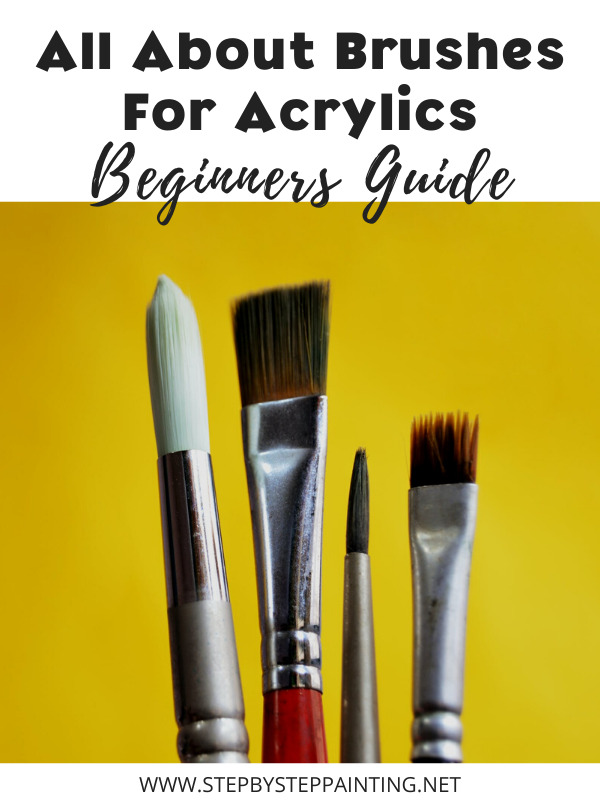
Choosing the right paint brushes can feel overwhelming when you’re just starting out. As a beginner, selecting the best paint brushes for beginners is crucial to ensure smooth strokes and to help you reach tricky corners without making a mess.
Picking the wrong brush can lead to frustration and uneven results, making your painting project harder than it needs to be. But don’t worry—by understanding a few simple tips, you can find the perfect brushes that match your style and project needs.
Keep reading, and you’ll soon feel confident selecting brushes that make your painting easier, more enjoyable, and professional-looking.
Credit: stepbysteppainting.net
Understanding Brush Types
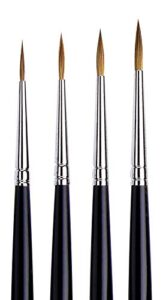
Choosing the right paintbrush starts with understanding brush types. Each type suits different paints and surfaces. Knowing these helps beginners avoid frustration and achieve better results. Brush types vary mainly by the material of their bristles. The three common types are natural bristle, synthetic bristle, and combination brushes. This guide explains each type simply.
Natural Bristle Brushes
Natural bristle brushes have hairs from animals like hogs or badgers. They are soft and hold a lot of paint. These brushes work best with oil-based paints and varnishes. Their texture helps spread thick paint smoothly. Natural bristles may not work well with water-based paints. Water can make them lose shape and become brittle. They are ideal for fine finish work and wood surfaces.
Synthetic Bristle Brushes
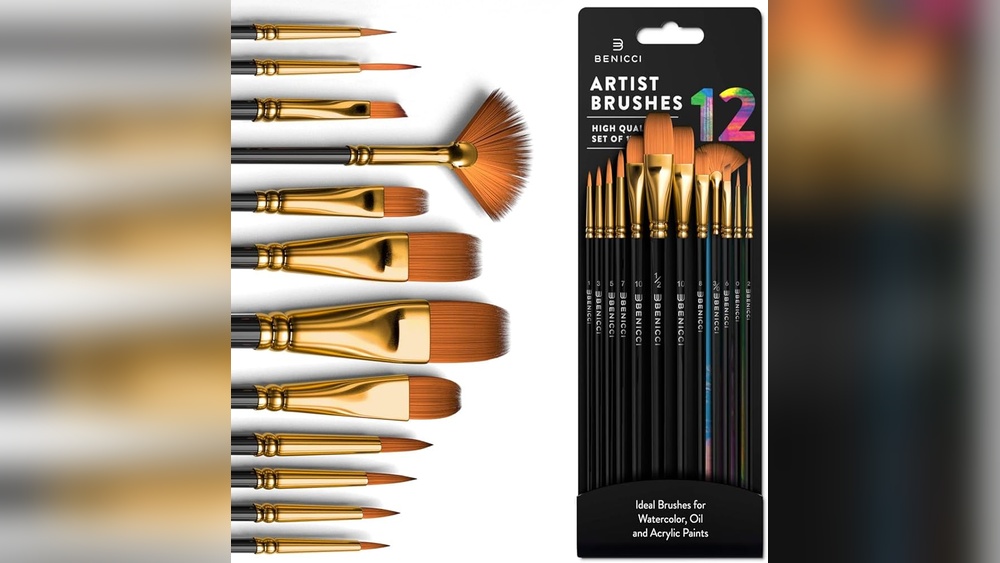
Synthetic bristle brushes use nylon or polyester hairs. They are strong and keep their shape well. These brushes work great with water-based paints. They resist damage from moisture and clean easily. Synthetic brushes come in many sizes and styles. They are good for beginners because they are affordable and durable. Synthetic brushes can also work with oil paints, but not as smoothly as natural bristles.
Combination Brushes
Combination brushes mix natural and synthetic bristles. This blend offers benefits of both types. They hold paint well and resist wear from water. These brushes suit different paint types and surfaces. Beginners like them for their versatility and balance. Combination brushes can be a smart choice for many painting projects. They help achieve smooth and even paint coverage.
Credit: www.amazon.com
Tips for Beginners
Choosing the Right Size
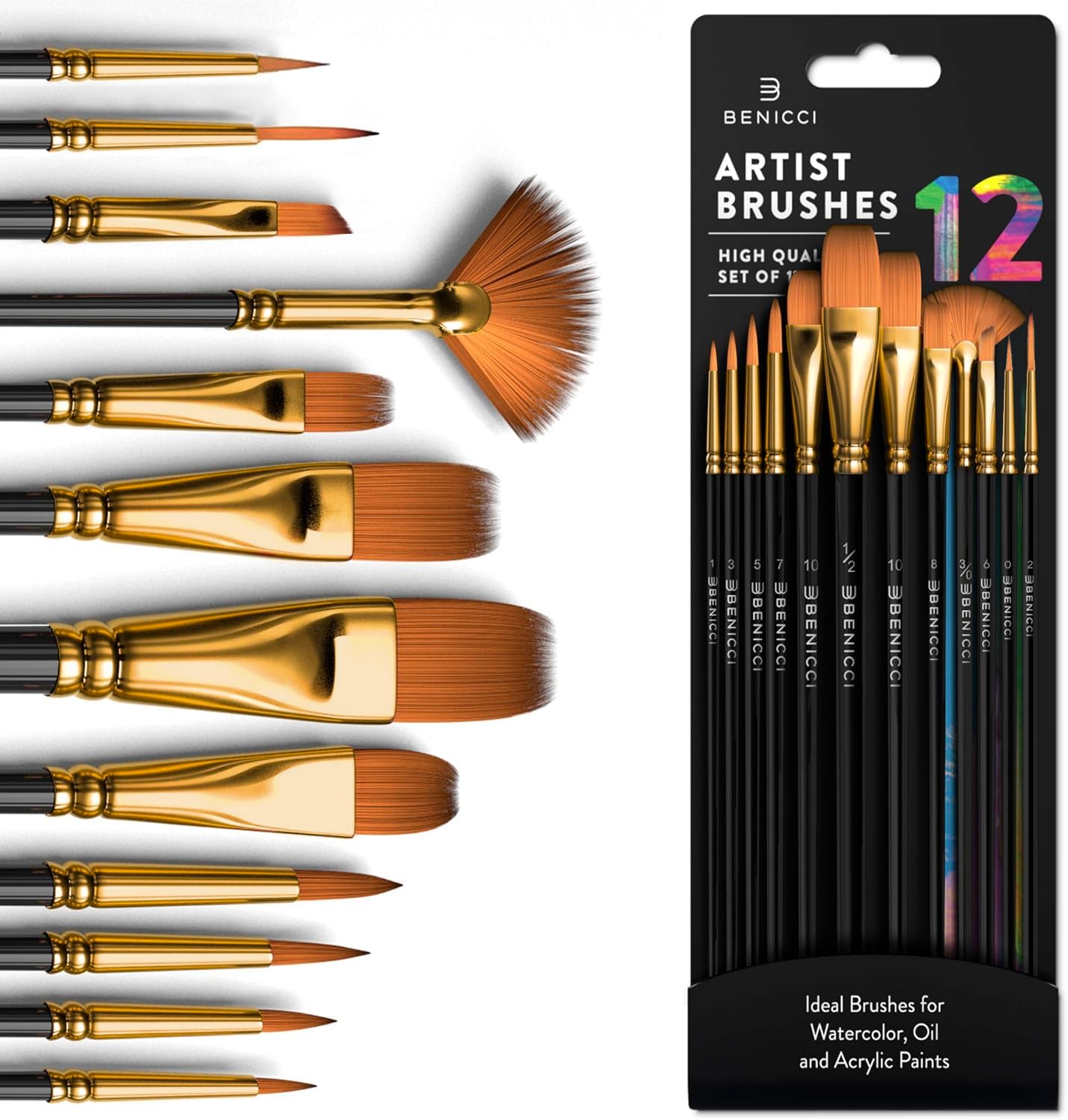
Selecting the right size of paint brushes for beginners is essential for achieving the desired effect. Larger brushes cover more area, while smaller brushes are ideal for detail work.
Maintaining Your Brushes
Proper maintenance extends the life of your brushes. Clean them thoroughly after each use and store them properly to maintain their shape and quality.

Credit: www.youtube.com
Frequently Asked Questions
How To Know What Paint Brush To Use?
Choose a brush by paint type and surface size. Use natural bristles for oil-based paint and synthetic for water-based. Flat brushes suit large surfaces; angled brushes fit corners and trim. Select brush size based on project detail for smooth, even coverage.
What Roller To Use With Farrow And Ball Paint?
Use a medium-pile synthetic roller with Farrow & Ball paint for smooth, even coverage on walls and ceilings.
What Kind Of Paint Brush For Polyurethane?
Use natural bristle brushes for oil-based polyurethane and synthetic bristle brushes for water-based polyurethane. Choose high-quality, fine-bristle brushes for smooth finish.