PaintingProGuide is reader-supported. When you buy through links on this page we may earn an affiliate commission at no extra cost to you.
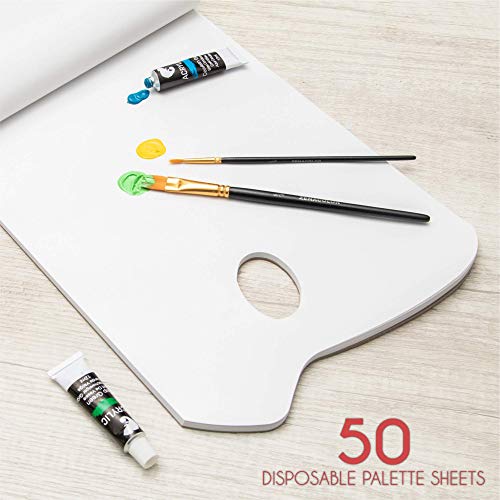
A tear off palette pad trades one job you hate, scraping dried acrylic or cleaning oily residue off a plastic tray, for one you barely notice: ripping off a sheet and throwing it away. It is the reason so many oil painters, acrylic students and plein air painters keep a pad in their kit even if they also own a glass or wooden palette.
The differences between pads are small but they matter once you start mixing every day. Coating quality decides whether oil seeps through to the sheet below. Binding decides whether the next sheet comes away cleanly or tears in half. Size and color decide how many mixes you can lay out and how accurately you judge them. This guide sorts the best tear off palette pads by those practical details, using only what each listing actually states.
Quick answer: The Winsor & Newton Professional Tear Off Palette Paper (9 x 12 in, 50 sheets) is the best tear off palette pad for most oil and acrylic painters, thanks to its poly-coated, tape-bound sheets and thumb cutout. For judging values accurately, choose the Jack Richeson Grey Matters 3-pack with its midtone grey sheets. If you mix heavily with a knife, the heavier Prudiut 120gsm pad is built for it.
Our Top Picks at a Glance
- Winsor & Newton Professional Tear Off Palette Paper — Best overall tear off palette pad for oil and acrylic
- Jack Richeson Grey Matters Disposable Palette (3-pack) — Best for accurate color and value judgment
- Prudiut 120gsm Palette Paper Pad — Best heavyweight pad for palette-knife mixing
- Bellofy Disposable Palette Paper 2-Pack — Best value for classes and frequent painters
- Mr. Pen Disposable Paint Palette Paper — Best budget pad for beginners
- ARTME Tear Off Palette Pad — Best wax-coated pad with thumb hole
- HIMI Tear-Off Palette Paper Pad — Best compact pad for gouache and travel
| Product | Best For | Key Spec | Key Strength | Price Tier |
|---|---|---|---|---|
| Winsor & Newton Tear Off Pad | Oil, acrylic, alkyd | 9 x 12 in, 50 poly-coated sheets | Tape-bound sheets, thumb cutout | $ |
| Richeson Grey Matters 3-Pack | Color and value mixing | 6 x 9 in, 30 grey sheets per pad | Neutral midtone grey, knife included | $$ |
| Prudiut 120gsm Pad | Knife mixing, impasto | 9 x 12 in, 40 sheets, 120gsm | Heavyweight coated sheets | $ |
| Bellofy 2-Pack | Classes, daily painting | 2 pads x 50 sheets, 9 x 12 in | Most sheets in the list | $$ |
| Mr. Pen Palette Pad | Beginners, students | 9 x 12 in, 40 sheets | Low cost, poly-coated | $ |
| ARTME Tear Off Pad | Oil and acrylic hobby painting | 9 x 12 in, 36 wax-coated sheets | Thumb hole grip | $ |
| HIMI Tear-Off Pad | Gouache, acrylic, travel | 255 x 145 mm, 30 sheets | Slim size for small kits | $ |
How We Chose
These picks are based on the Amazon listing details and specifications checked in October 2026, how well each pad’s size, coating and binding suit everyday paint mixing, and how widely each product is reviewed by Amazon buyers. We have not mixed paint on these pads ourselves, so every claim below comes from the listings or from well-established facts about palette paper.
What we looked for:
- A coating that the listing describes as poly-coated, wax-coated or non-absorbent, so oil and acrylic do not soak in
- Clear statements on sheet count and size, so you can compare cost per mix
- Binding that releases sheets cleanly (tape-bound or adhesive edges)
- A thumb hole or cutout for hand-held use
- Paper color: white for brightness, grey for value judgment
- Media compatibility that matches what you actually paint with
Best Tear Off Palette Pads Reviewed
1. Winsor & Newton Professional Tear Off Palette Paper — Best for oil and acrylic painters
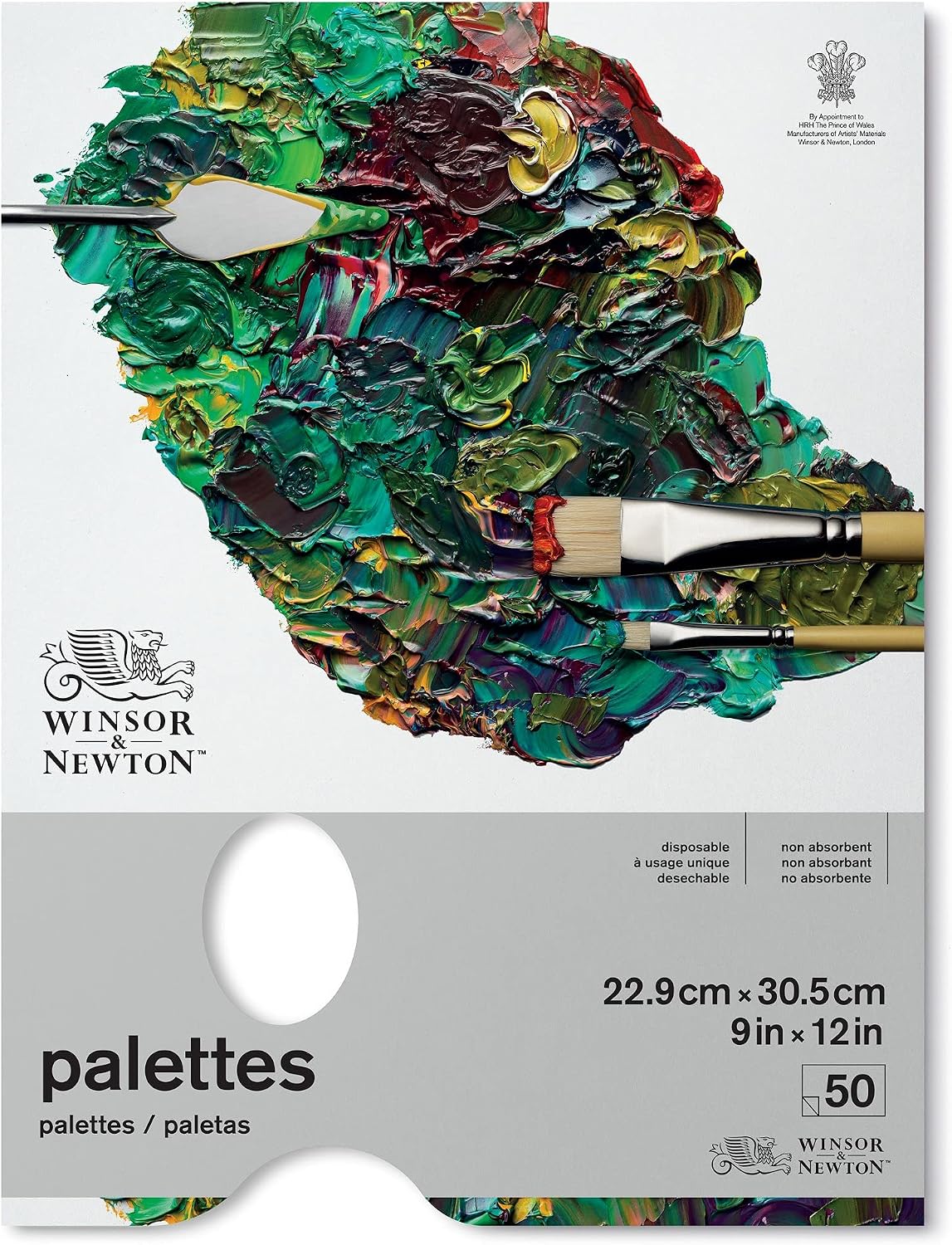
Winsor & Newton’s pad is the safe, standard choice. It contains 50 durable, poly-coated sheets in a 9 x 12 inch format, and the listing names oil, acrylic and alkyd paints as the intended media. The sheets are tape-bound, which matters more than it sounds: tape binding tends to let a used sheet peel away along a clean line without lifting the one beneath.
Each sheet has a cutout for easy handling, so you can hold the whole pad like a traditional palette while standing at an easel. For painters who split time between the studio and outdoor sessions, that flexibility is the main reason to choose a pad over a fixed tray.
Best suited for: Oil and acrylic painters who want a reliable, widely available pad they can hold or lay flat.
Key features:
- 50 poly-coated sheets
- 9 x 12 inch sheets
- Tape-bound for clean removal
- Thumb cutout for hand-held use
- Suited to oil, acrylic and alkyd
Pros:
- Trusted art-supply brand
- Higher sheet count than many single pads
- Works hand-held or flat on a table
- Coated finish for wet media
Cons and limitations:
- White sheets can make mixtures look darker than they will on a toned canvas
- Single pad, so frequent painters will reorder often
- Not designed for watercolor
Buying consideration: If you paint in oils on a toned ground, consider pairing this with a grey pad for mixing mid values.
2. Jack Richeson Grey Matters Disposable Paper Palette (6 x 9 in, 3-Pack) — Best for accurate color and value mixing

Mixing on bright white paper is one of the quiet reasons beginners struggle with value. Against white, almost every mixture reads darker than it really is, so paintings end up chalky once the colors land on a mid-toned canvas. Richeson’s Grey Matters pads solve that by using acid-free paper toned to a neutral midtone grey.
The listing describes a smooth, seep-resistant surface for oil, acrylic, casein and gouache, with 30 pages per 6 x 9 inch pad. This bundle includes three pads and a plastic palette knife. The smaller size is a limitation for big mixes but convenient for portrait studies, small still lifes and pochade boxes.
Best suited for: Oil and acrylic painters working on toned grounds, portrait and still-life painters, and anyone learning value control.
Key features:
- Neutral midtone grey, acid-free paper
- 30 sheets per pad, three pads
- 6 x 9 inch sheets
- Seep-resistant surface
- Plastic palette knife included
Pros:
- Grey surface gives a truer read of value and color
- Three pads in one order
- Compact for small setups
- Suits oil, acrylic, casein and gouache
Cons and limitations:
- Smaller mixing area than 9 x 12 pads
- Bright, high-key colors can be harder to judge against grey
- Plastic knife is basic
Buying consideration: This is the pad to choose if your paintings keep drying lighter or flatter than you mixed them.
3. Prudiut 120gsm Palette Paper Pad (9 x 12 in, 40 Sheets) — Best for heavy palette-knife mixing

Thin palette sheets can buckle or tear when you work thick paint back and forth with a knife. Prudiut leads with weight: 120gsm, or about 73 lb, on a coated surface the listing says resists oil, acrylic and watercolor seeping through. That extra body is useful for impasto painters who mix large piles of paint.
The pad has 40 sheets at 9 x 12 inches and a waterproof backing to protect your table. The listing also says the smooth, non-absorbent finish keeps paint workable longer, which is a general advantage of coated paper over raw wood or absorbent surfaces.
Best suited for: Impasto and palette-knife painters, and anyone who has torn through thinner palette sheets.
Key features:
- 120gsm (73 lb) heavyweight sheets
- 9 x 12 inch, 40 sheets
- Coated, non-absorbent surface
- Waterproof backing
- Works with knives and brushes
Pros:
- Heavier sheets for vigorous mixing
- Protective backing
- Budget price tier
- Full-size mixing area
Cons and limitations:
- Lesser-known brand
- No thumb hole mentioned, so better for table use
- Fewer sheets than the 50-sheet pads
Buying consideration: Choose this if you work with a knife and need a sheet that survives pressure.
4. Bellofy Disposable Palette Paper 2-Pack (9 x 12 in) — Best for classes and frequent painters

If you paint several times a week or run a class, sheet count matters more than brand. Bellofy sells two 9 x 12 inch pads with 50 sheets each, giving you 100 mixing surfaces in one order. The sheets are poly-coated and the listing names acrylic, oil and casein as suitable paints.
Bellofy also says the pad holds a sturdy shape and does not bend during long sessions, which helps when you hold it by hand. With two pads, you can keep one in the studio and one in a travel bag.
Best suited for: Teachers, students and regular painters who go through sheets quickly.
Key features:
- Two pads, 50 sheets each
- 9 x 12 inch sheets
- Poly-coated surface
- Rigid pad that resists bending
- For acrylic, oil and casein
Pros:
- Most sheets in this list
- Two pads for studio and travel
- Coated for wet media
- Easy to share in a class
Cons and limitations:
- Higher price tier than single budget pads
- White surface only
- Binding type not stated in the listing
Buying consideration: Compare the per-sheet cost against single pads; for frequent painters the two-pack usually comes out ahead.
5. Mr. Pen Disposable Paint Palette Paper (9 x 12 in, 40 Sheets) — Best for beginners on a budget
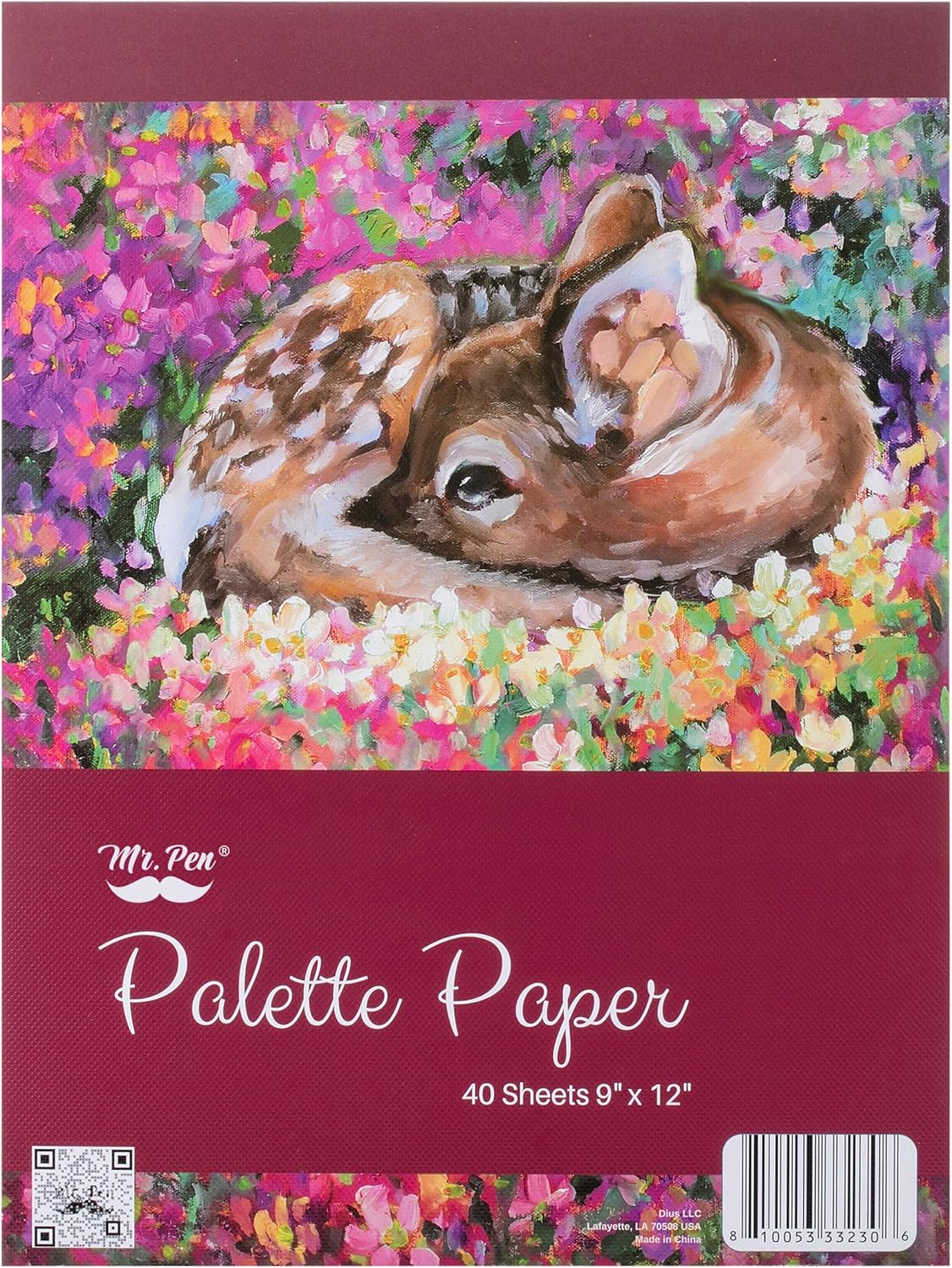
Mr. Pen’s pad is a straightforward low-cost option. It has 40 poly-coated sheets held together with adhesive, in a 9 x 12 inch size, and the listing says the paper is thick enough not to tear during use. It is described as suitable for acrylic, oil, watercolor, gouache and casein.
For a beginner who is not yet sure whether they prefer a pad or a plastic palette, this is an inexpensive way to find out. The smooth, glossy surface works with brushes, spatulas and knives according to the listing.
Best suited for: Beginners, students and casual painters who want to try disposable palettes cheaply.
Key features:
- 40 poly-coated sheets
- 9 x 12 inch
- Adhesive-bound sheets
- Glossy, smooth surface
- Listed for acrylic, oil, watercolor, gouache, casein
Pros:
- Low price tier
- Covers most common media
- Full-size sheets
- Easy to toss in a supply bag
Cons and limitations:
- Glossy coated sheets are not ideal for watercolor, despite the listing
- No thumb hole mentioned
- Single pad
Buying consideration: Good enough for acrylic and oil practice; watercolor painters will be happier with a ceramic or plastic well palette.
6. ARTME Tear Off Palette Pad (9 x 12 in, 36 Sheets) — Best for wax-coated sheets with a grip

ARTME uses wax-coated paper rather than poly coating and positions the pad as a paper alternative to plastic palettes. Each 9 x 12 inch pad has 36 sheets and a thumb hole for comfortable hand-held use, and the listing says the sheets are water resistant and suitable for oil, acrylic, watercolor, gouache and casein.
The listing highlights recyclability and a lower reliance on plastic. Wax-coated palette paper behaves much like poly-coated paper for most mixing, so the choice comes down to grip, sheet count and personal preference.
Best suited for: Hobby painters who want a hand-held pad and like a paper-based alternative to plastic trays.
Key features:
- 36 wax-coated sheets
- 9 x 12 inch (23 x 30.5 cm)
- Thumb hole grip
- Water resistant surface
- Listed for oil, acrylic, watercolor, gouache, casein
Pros:
- Thumb hole for easel painting
- Low price tier
- Sheets bond securely and tear off cleanly per the listing
- Positioned as eco-friendlier than plastic
Cons and limitations:
- Lowest sheet count among the 9 x 12 pads here
- Wax coating can feel slightly different under a knife
- Recyclability depends on local rules once paint is on the sheet
Buying consideration: Pick this one if a thumb hole is non-negotiable and you do not need a large sheet count.
7. HIMI Tear-Off Palette Paper Pad (30 Sheets) — Best for gouache and compact kits

HIMI is best known for gouache, and this pad is designed around it. The listing describes 30 non-stick coated sheets for gouache and acrylic in a slim 255 x 145 mm format, roughly 10 x 5.7 inches. That long, narrow shape fits beside a gouache set or in a small travel kit.
Because gouache rewets, many painters let it dry on a palette and reuse it. On paper, you lose that ability once you tear the sheet, so this pad suits painters who mix fresh each session or who work mainly in acrylic gouache.
Best suited for: Gouache painters, sketchbook painters and anyone with a compact travel setup.
Key features:
- 30 coated sheets
- 255 x 145 mm format
- Non-stick protective coating
- Designed for gouache and acrylic
- Tear-off design
Pros:
- Slim size suits small kits
- Coating designed to prevent soaking through
- Low price tier
- Made by a gouache-focused brand
Cons and limitations:
- Small mixing area
- Fewest sheets in the list
- Not aimed at oil painting
Buying consideration: If you paint mostly in gouache, this is the natural partner for a HIMI set or any small travel palette.
Buying Guide: How to Choose a Tear Off Palette Pad
All tear off palette pads look similar in photos. These are the details that separate a pad you enjoy from one you put up with.
Coating and seep resistance
The coating is the whole point. Poly-coated and wax-coated sheets stop oil and acrylic binders from soaking into the paper. If a pad lets oil seep through, you get ghost stains on the next sheet and paint that dries faster than it should. Look for an explicit statement about coating or seep resistance in the listing.
Sheet weight
Heavier sheets, such as 120gsm, stand up better to a palette knife. If you mostly mix with a brush, standard sheets are fine. If you work thick paint back and forth with a knife, weight is worth paying for.
Size and shape
A 9 x 12 inch sheet is the common standard and gives room for a full limited palette plus mixing space. Smaller 6 x 9 inch pads suit pochade boxes and small studies. Slim formats like HIMI’s fit next to a gouache tin. Bigger is not always better: a larger pad is heavier to hold at an easel.
White or grey paper
White paper shows colors at their brightest, which suits watercolor-style thinking and high-key work. Grey paper gives a much more accurate read of value when you paint on toned grounds or in oils. Many experienced painters keep one of each.
Binding and thumb hole
Tape-bound and adhesive-bound pads both work; what matters is that sheets release cleanly. A thumb hole or cutout turns the pad into a hand-held palette for standing work. If you paint seated at a table, it matters less.
Media compatibility
Coated palette paper is ideal for oil, acrylic, alkyd, casein and gouache. It is generally not ideal for watercolor, which beads on a glossy surface; watercolorists are usually better served by ceramic, enamel or plastic well palettes.
Cost per sheet
Divide the price by the sheet count when you compare. Multi-packs often win for regular painters, while a single pad is fine for occasional use.
Get More From Your Palette
If you are new to disposable sheets, read our guide on how to use a paper tear-off palette, which covers laying out colors and saving a sheet between sessions. Acrylic painters who find their paint drying too fast on any surface should also look at what a wet palette is and how it works, since it can be a better fit for long acrylic sessions.
Common Mistakes to Avoid
- Using palette paper for watercolor and wondering why the paint beads up
- Mixing value-sensitive oil colors on bright white paper and getting chalky results on a toned canvas
- Squeezing out far more paint than you need, then throwing it away with the sheet
- Tearing at an angle instead of along the bound edge, which rips the sheet below
- Leaving a wet sheet on the pad overnight, letting oil seep into the next one
- Choosing a pad too small for your painting size, then running out of mixing room
- Throwing oily sheets straight into the trash; let rags and paper with oil-based mediums dry flat or dispose of them according to local guidance
FAQs
What is a tear off palette pad used for?
It is a stack of coated paper sheets used to lay out and mix paint. When you are done, you tear off the used sheet and throw it away, so there is no palette to scrub.
Can you use a tear off palette for acrylics?
Yes. Coated palette paper works well for acrylics. Acrylic does dry quickly on any open palette, so squeeze out small amounts or mist them lightly with water during long sessions.
Is palette paper good for oil paint?
Yes, as long as the sheets are poly-coated or wax-coated so the oil does not soak through. Pads such as Winsor & Newton list oil, acrylic and alkyd as intended media.
Why use grey palette paper?
A neutral grey surface lets you judge value and color more accurately than white, especially when you paint on a toned ground. Mixes look on the pad much like they will on the canvas.
Can I use palette paper for watercolor?
You can, but it is not ideal. Watercolor tends to bead on glossy coated paper. Most watercolor painters prefer a ceramic, enamel or plastic palette with wells.
How do I keep paint on palette paper from drying?
For acrylic, use small amounts and mist occasionally, or switch to a wet palette. For oil, you can cover the sheet with plastic wrap or place the pad in a sealed container between short sessions.
Final Recommendation
For most oil and acrylic painters, the Winsor & Newton Professional Tear Off Palette Paper is the best tear off palette pad: 50 coated, tape-bound sheets with a thumb cutout, from a brand that has been making palettes for a long time. If your paintings keep drying lighter than you expected, switch to the Jack Richeson Grey Matters pads and mix on grey.
Knife painters should choose the 120gsm Prudiut pad, classes and daily painters will get the most sheets from the Bellofy 2-pack, and beginners can start cheaply with Mr. Pen or ARTME. Gouache painters working small should keep a HIMI pad alongside their set.