Using a paper tear-off palette is one of the simplest yet most powerful ways to keep your painting process smooth and efficient. Whether you are an art student, a hobbyist, or a professional, understanding how to get the most out of this tool can make a real difference in both your workflow and your finished artwork.
Many beginners overlook small details that can save time and reduce mess. In this guide, you’ll discover not only the basics of using a paper tear-off palette, but also practical tips and subtle tricks that even experienced artists sometimes forget.
Let’s dive in and unlock the full potential of this handy painting companion.
What Is A Paper Tear-off Palette?
A paper tear-off palette is a pad of specially coated sheets designed for mixing paints. Each sheet is non-absorbent, so paint sits on top rather than soaking in. When you’re done, you simply tear off the top sheet and throw it away, revealing a clean, fresh surface underneath.
Advantages Over Traditional Palettes
Paper tear-off palettes offer several benefits compared to wooden, glass, or plastic palettes:
- No cleaning required — just toss the used sheet.
- Lightweight and portable.
- Affordable and widely available.
- Great for oil, acrylic, gouache, and even some water-based paints.
When To Use Them
These palettes are ideal for:
- Quick studies or practice sessions.
- Traveling or outdoor painting.
- Classroom or workshop settings.
For artists who value speed and convenience, a paper tear-off palette is hard to beat.
Choosing The Right Paper Tear-off Palette
Not all palettes are created equal. Picking the right one can influence your painting experience.
Size Matters
Paper palettes come in different sizes, usually ranging from 9 x 12 inches to 12 x 16 inches. Choose a size that fits your workspace and painting style. A larger palette gives more room to mix colors, but may be awkward in tight spaces.
Sheet Quality
Look for palettes with thick, coated sheets. Thin or poorly coated sheets can tear easily or let paint seep through, making a mess underneath. Quality brands mention “impermeable” or “non-absorbent” on the packaging.
Binding And Backing
Pay attention to how the sheets are bound. Palettes with a sturdy cardboard backing provide a firm surface for mixing. Some cheaper versions lack this feature, so they bend or wrinkle during use.
Number Of Sheets
Most pads come with 30 to 50 sheets. Think about how often you paint and how quickly you use up sheets. For frequent painters, a bigger pad saves time and money.
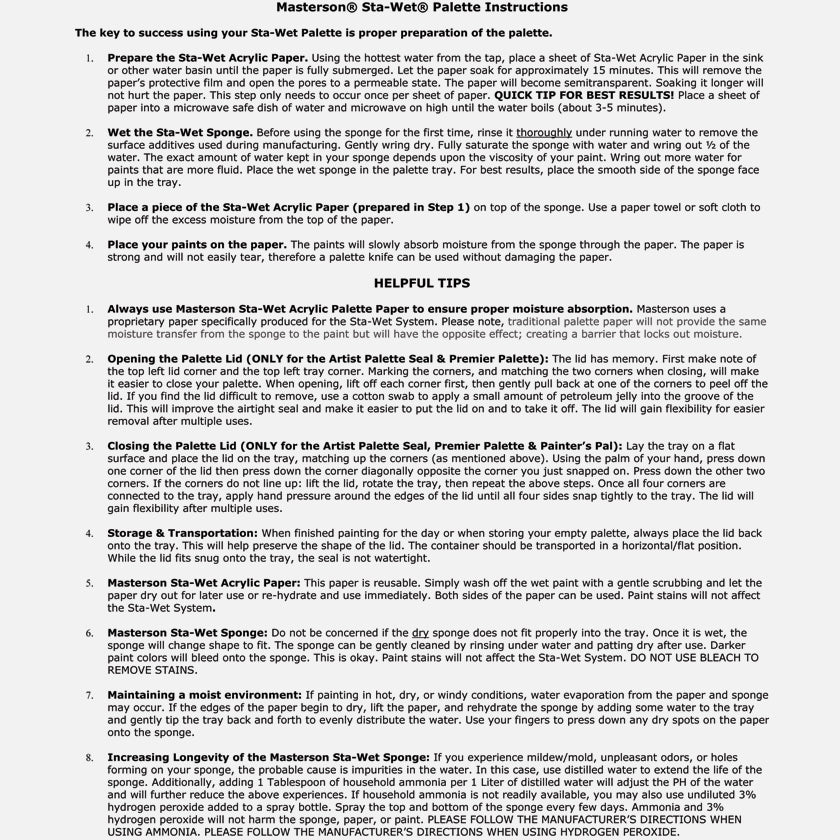
Credit: newwaveart.com
Setting Up Your Paper Tear-off Palette
Getting started is easy, but a few setup tips can prevent common problems.
Remove Protective Wrap
Most palettes come wrapped in plastic. Remove all packaging before use. Leaving the wrap on can cause paint to pool or slide off the edge.
Secure The Pad
If you’re working at an easel, tape the palette pad to your easel tray or table with masking tape. This prevents it from moving or slipping as you mix colors.
Position For Comfort
Place your palette on your dominant side, at a comfortable height. This reduces reaching and keeps your workflow natural. For right-handed artists, the palette goes on the right; for left-handed artists, on the left.
How To Mix Paints On A Paper Tear-off Palette
Mixing paint on a paper palette is slightly different from mixing on glass or wood. Here’s how to do it right.
- Squeeze out small amounts of paint. Paper palettes offer less surface tension than glass, so paint can spread more. Start with less, add more as needed.
- Use a palette knife for mixing, not your brush. This keeps bristles clean and extends brush life.
- Mix in the center, not at the edge. Edges can curl or tear if too much pressure is applied.
- Wipe the palette knife on a clean spot or a rag between mixes to avoid muddy colors.
Example: Mixing A Skin Tone
Suppose you want to mix a medium skin tone for a portrait. Squeeze out titanium white, yellow ochre, burnt sienna, and a touch of red. Use your palette knife to blend them in a circular motion, adding small amounts until you reach the right shade.
The smooth surface of the paper makes it easy to see the true color.

Credit: hugeminis.com
Keeping Your Palette Organized
A messy palette slows you down and wastes paint. Here’s how to stay organized.
Plan Your Color Layout
Arrange paint blobs in a logical order. Many artists use a color wheel layout: place primaries (red, blue, yellow) apart, with secondaries between. Keep white and black at the edges.
Leave Space For Mixing
Don’t crowd the surface. Leave at least 1–2 inches of space between each color blob for mixing. If you run out of space, it’s time to tear off the sheet.
Clean As You Go
Scrape up dried or unused paint with your palette knife before it hardens. This prevents lumps and keeps your mixes clean.
Preventing Common Problems
Even experienced artists can run into issues with paper palettes. Here’s how to avoid the most common ones.
Paint Seeping Through
If you notice paint soaking through the sheet, you may be pressing too hard or using too much solvent. Switch to thicker sheets or use less pressure.
Curling Or Warping
High humidity or too much water can cause the paper to curl. If this happens, tape the corners down or use a palette with a heavier backing.
Unintentional Tearing
Be gentle when tearing off a sheet. Hold the pad firmly and pull slowly from one corner to avoid ripping multiple sheets at once.
Tips For Acrylic, Oil, And Gouache Paints
Different paints behave differently on a paper palette.
Acrylic Paints
Acrylics dry quickly. To keep them moist longer:
- Mist the paint with a spray bottle now and then.
- Cover the palette with plastic wrap if you take a short break.
Oil Paints
Oil paints stay wet for hours or even days. Use the palette as usual, but avoid leaving it in direct sunlight or near heat, which can cause the paper to warp.
Gouache
Gouache can dry fast but is easily reactivated with water. If the paint dries on the palette, add a few drops of water and mix with your knife.
Cleaning Up And Disposal
One of the biggest advantages of a paper tear-off palette is the easy cleanup.
Tearing Off The Sheet
Wait until all paint is dry before tearing off the sheet. This reduces the chance of wet paint getting on your hands or workspace.
Safe Disposal
Dispose of used sheets responsibly. If you’ve used oil paints, let the sheet dry completely before throwing it away to prevent fire risks. Check your local rules for disposing of solvent-soaked materials.

Credit: gwartzmans.com
Comparing Paper Tear-off Palettes To Other Types
To help you see the main differences, here’s a comparison of popular palette types:
| Palette Type | Cleaning Needed | Weight | Best For |
|---|---|---|---|
| Paper Tear-Off | No | Very Light | Quick use, travel, classes |
| Wood | Yes | Medium | Oils, studio work |
| Glass | Yes | Heavy | Acrylics, detailed mixing |
| Plastic | Sometimes | Light | Beginners, crafts |
Advanced Tips Most Beginners Miss
- Double up for extra strength: If you need a firmer palette, keep two or three sheets together instead of using just one. This also helps prevent paint from soaking through with heavy mixing.
- Save mixes for future use: If you have leftover paint and want to use it again soon, cover the palette with plastic wrap and keep it in the fridge. This slows drying for acrylics and oils.
- Mark your palette: Use a permanent marker to write notes or color recipes on unused areas. This helps when mixing complex colors or matching past work.
- Recycle when possible: Some paper palettes use recyclable materials. Check the packaging and separate clean sheets from dirty ones for proper recycling.
- Make a swatch area: Dedicate a small corner for testing colors before adding them to your painting.
When Not To Use A Paper Tear-off Palette
There are situations where a paper palette is not the best choice:
- For watercolor painting, as the surface is too slick and doesn’t allow color lifting.
- For very large-scale mixing, such as mural work.
- When you need to keep paint wet for a long time (over several days), as the paper may dry out or become unstable.
Practical Example: Setting Up For A Portrait Session
Imagine you’re preparing for a two-hour portrait painting session using oils. Choose a 12 x 16-inch paper tear-off palette. Lay out your basic colors in a semi-circle on the upper edge. Leave a large mixing area in the center. As you work, use a palette knife to blend skin tones and shadow mixes, keeping each mix tidy and separate.
If you need to adjust the lighting or move your setup, simply pick up the lightweight pad. When the session ends, let the paint dry, then tear off the sheet and your palette is ready for next time.
Comparing Cost And Value
Cost is often a deciding factor when choosing art supplies. Here’s a quick comparison:
| Palette Type | Average Price (USD) | Number of Uses | Value for Money |
|---|---|---|---|
| Paper Tear-Off | $7–$15 for 30–50 sheets | 30–50 | High for convenience |
| Wood | $12–$30 | Unlimited (clean after each use) | High for long-term use |
| Glass | $18–$40 | Unlimited | Best for detailed mixing |
While paper tear-off palettes may seem less economical in the long term, their time-saving and cleanup benefits often make them worth the price, especially for frequent painters or those working in fast-paced settings.
Environmental Considerations
Some artists worry about waste. Look for brands that use recycled paper or eco-friendly coatings. Always dispose of paint and solvent waste responsibly to protect the environment. For more on safe art studio practices, visit the EPA recycling guide.
Frequently Asked Questions
What Paints Work Best With Paper Tear-off Palettes?
Acrylics, oils, and gouache are ideal for paper tear-off palettes. The coated surface prevents absorption and allows for easy mixing. Watercolors are not suitable, as the paint may bead up and not mix well.
How Do I Prevent My Paper Palette From Sliding Around?
To keep your palette steady, tape it down with masking tape or place a non-slip mat underneath. This is especially helpful when painting outdoors or in classrooms.
Is It Safe To Throw Away Sheets With Oil Paint On Them?
Yes, but allow the sheet to dry completely first. Wet oil paint can be a fire risk if thrown in the trash with other materials. Always check local disposal rules for solvent or paint waste.
Can I Use Both Sides Of The Paper Palette Sheet?
Usually, only one side is coated for mixing. Using the back side may cause paint to soak through or not mix well. Stick to the coated side for best results.
Are There Alternatives For People Who Want Less Waste?
Yes, consider glass or wood palettes if you want to avoid disposable options. These can be cleaned and reused indefinitely, but require more maintenance.
A paper tear-off palette is more than just a convenience—it’s a smart tool for making painting sessions cleaner, faster, and more enjoyable. With the right techniques, you can focus on your art, not on cleaning up. Whether you’re working in the studio or out in the field, these palettes help you stay productive and inspired.
With the practical tips above, you’re ready to make the most of every sheet. Happy painting!