Painting a portrait is more than just capturing a face on canvas. The way you position your easel can deeply affect how you see your subject, how your hand moves, and the final look of your art. Many beginners overlook easel angle, yet it plays a huge role in comfort, accuracy, and results. Choosing the best easel angle for painting portraits is not a simple rule. It depends on your style, medium, and even your own height. This guide breaks down everything you need to know to find the perfect angle for your portrait work—whether you’re using oils, acrylics, or charcoal.
Why Easel Angle Matters For Portrait Painting
When you paint a portrait, your canvas position influences everything from proportions to color mixing. A poor angle can cause distorted faces, tired arms, and even neck pain. Here are a few reasons why angle makes such a difference:
- Eye Level Alignment: Keeping the canvas at the right angle helps you see the subject without tilting your head or straining your eyes.
- Gravity and Paint Flow: Too flat, and paint may pool or drip. Too upright, and brush control gets tricky.
- Perspective Accuracy: Looking at your work from the wrong angle can stretch or squash features.
A small adjustment can save hours of correction later. This is why top portrait artists pay close attention to their easel angle from the start.
The Ideal Easel Angle For Portraits
Most professional artists agree: a vertical or near-vertical angle works best for painting portraits. This means your canvas should be close to 90 degrees from the floor—straight up and down. But why is this angle recommended?
- Natural Perspective: When the canvas is upright, you see the artwork as others will see it hanging on a wall.
- Reduced Distortion: Working vertically prevents the “foreshortening” effect that happens if you paint flat on a table.
- Comfort: Your arm and wrist move more naturally, avoiding strange bends.
Still, the ideal angle is not always exactly 90 degrees. Most artists find the sweet spot between 80 and 90 degrees. This slight tilt allows for a better view of the surface, especially if you’re tall or short.
Quick Comparison Of Common Easel Angles
Here’s a look at how different easel angles affect your painting experience:
| Easel Angle | Best For | Drawbacks |
|---|---|---|
| 90° (Vertical) | Portraits, Realism | Paint drips easier, can be tiring for long sessions |
| 80–85° | Portraits, All skill levels | Minimal distortion, few drawbacks |
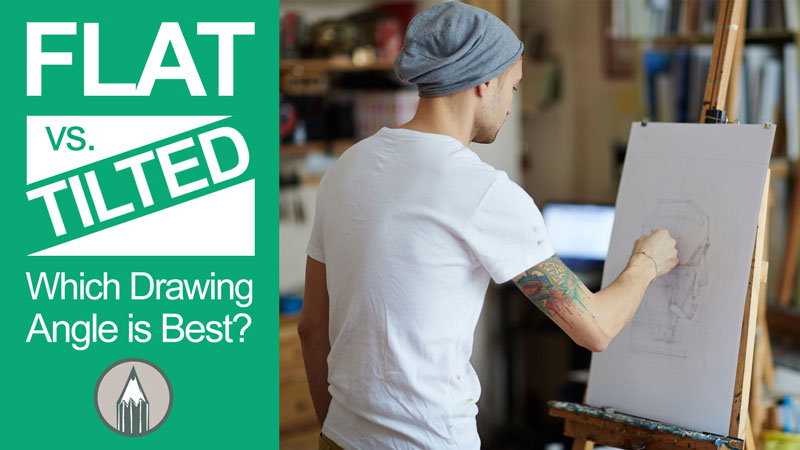
| 45–75° (Tilted Back) | Loose painting, Sketching | Distortion increases, not ideal for portraits |
| Flat (0°) | Watercolor, Drawing | Severe distortion for portraits, poor paint flow for oils/acrylics |
Adjusting For Medium: Oils, Acrylics, And Charcoal
The best easel angle also depends on your medium. Here’s how to adjust for popular portrait materials:
Oil Painting
Oil paints are thick and slow-drying. A nearly vertical angle (85–90°) is best. This keeps paint from sagging or running, and helps you see the true colors. Oils don’t drip easily, so you can work upright without mess.
Acrylic Painting
Acrylics dry faster and can drip if too much water is used. An 80–85° angle is ideal—just a touch less vertical than oils. This gives you control but limits runs.
Charcoal And Dry Media
For charcoal, pastel, or pencil portraits, a slight tilt (75–80°) helps keep dust off your work. Too upright, and dust falls onto your art. Too flat, and your lines may look stretched.
Watercolor Portraits
Watercolor is a special case. Most artists use a table or a board tilted at 15–30°. Painting vertical causes colors to run down the paper.
Factoring In Artist Height And Seating Position
One detail that surprises many beginners is that your own height changes the best easel angle. If you’re tall, a vertical canvas may feel too high at the top. If you’re short, you may strain to reach the upper part.
- Standing Position: Adjust the easel so the center of the canvas is at your eye level. A slight backward tilt (5–10°) can make the whole surface easier to reach.
- Sitting Position: You may need to tilt the canvas back a bit more (up to 15°) so you don’t have to reach up awkwardly.
Some artists use a drafting chair or a raised seat so they can work comfortably at any angle.
Lighting And Reflection: Hidden Influences
Few beginners realize that easel angle affects how you see light and color on your painting. Glossy paints, especially oil, can reflect studio lights right into your eyes if the canvas is too upright.
- To reduce glare, slightly tilt the top of the canvas forward. This directs reflections away from your line of sight.
- If your studio uses overhead lighting, a steeper tilt may be necessary.
Professional artists often move their easel during the day as the light changes. Don’t be afraid to adjust as you work.
Choosing The Right Easel For Adjustable Angles
Not all easels allow fine angle adjustments. When buying an easel for portrait painting, look for these features:
- Angle Adjustment: Make sure it can go from vertical to at least 15° backward.
- Sturdy Base: A wobbly easel can ruin details.
- Height Range: You should be able to position the center of your canvas at eye level, standing or sitting.
Here’s a comparison of popular easel types:
| Easel Type | Angle Range | Best Use |
|---|---|---|
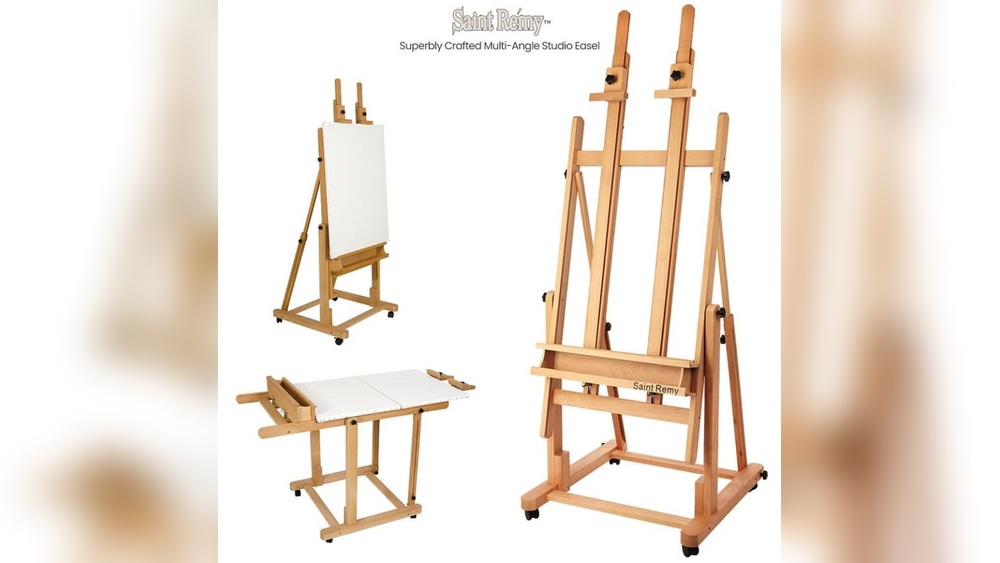
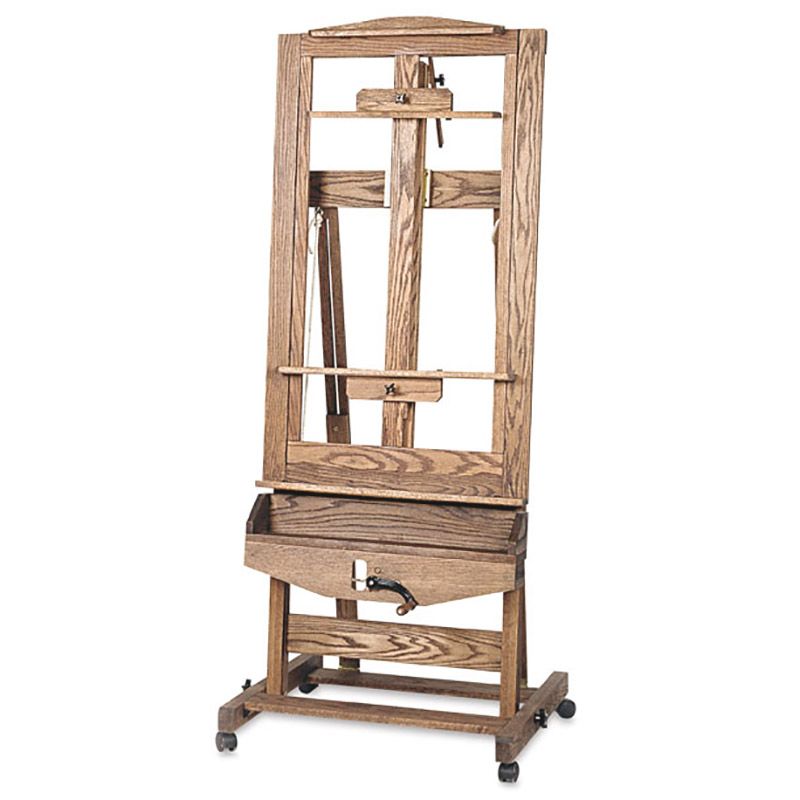
| H-Frame | 0–90° | Large portraits, studios |
| A-Frame (Lyre) | 10–90° | Medium to large canvases, home studios |
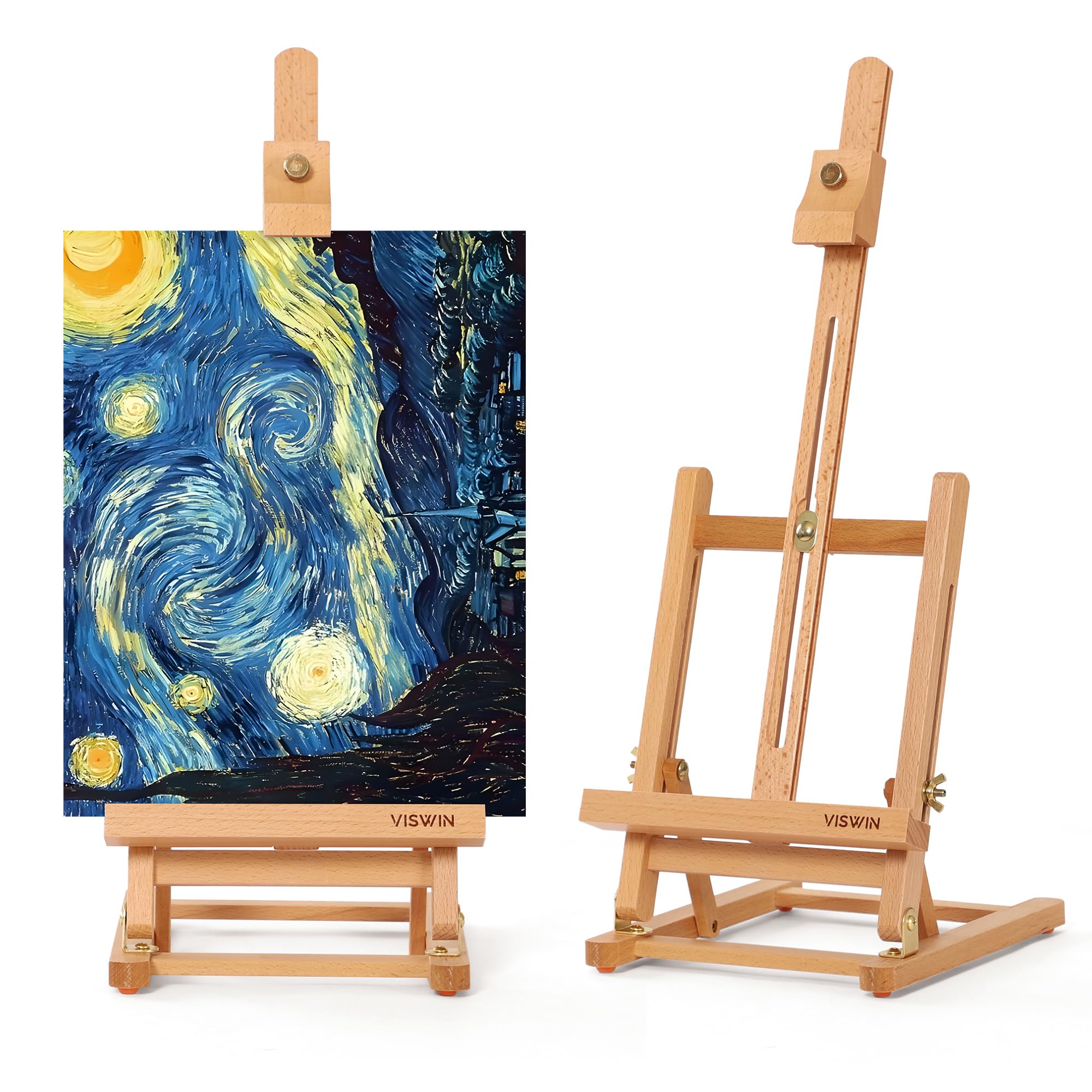
| Tabletop | 0–90° | Small portraits, limited space |
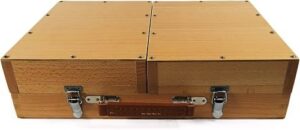
| French Box | 0–90° | Plein air, travel |
Credit: thevirtualinstructor.com
How To Set Up Your Easel Angle Step-by-step
Finding your personal best easel angle is a process. Here’s a practical method to try:
- Stand or sit in your preferred position. Make sure you’re comfortable and can move your arm freely.
- Set the canvas so the center is at eye level. This is where your subject’s eyes should be, too.
- Adjust the easel to vertical (90°). Step back and look at the canvas. Does the surface feel natural to view?
- Tilt the top back by 5–10° if needed. Many artists find this slight tilt reduces glare and strain.
- Test your brushwork. Try a few strokes at different angles. Notice if paint drips, or if your hand feels awkward.
- Fine-tune as you work. Don’t be afraid to adjust—what feels right at the start may change as the session goes on.
A common mistake is to keep the easel too flat, especially when copying from a photo. Always double-check your perspective by stepping back every 20–30 minutes.
Overlooked Tips For Easel Angle Success
Beyond basic setup, here are two insights that many beginners miss:
- Check from a Distance: Step back several feet often. The best angle is one that allows you to see the whole portrait at a glance, not just up close. This helps with proportions and likeness.
- Mark Your Favorite Angle: Once you find the angle that feels perfect, use tape or a marker on your easel as a quick reference. This saves time for future sessions.
Another tip: If you work on multiple portraits, use the same angle for consistency. Otherwise, each face may look slightly different in style.
Credit: www.jerrysartarama.com
Common Mistakes And How To Avoid Them
Some errors are easy to fix once you know what to watch for:
- Painting flat on a table: This causes facial features to stretch. Always use at least a 70° angle for portraits.
- Ignoring lighting: Reflections can hide mistakes. Adjust angle or light to see true colors.
- Over-adjusting: Changing angles too often in one session can confuse your eye. Set it once, then stick with it unless discomfort appears.
Real-world Examples: How Artists Set Their Easels
Many famous portrait artists use a nearly vertical setup. For example, John Singer Sargent, known for his lifelike portraits, worked with his canvas almost straight up. Modern artists often share photos on social media showing their easels at about 85–90°.
You’ll notice that almost none paint portraits flat—except for quick sketches.
A few artists experiment with extreme angles to achieve special effects, but for most, a vertical or near-vertical angle gives the most realistic results.
How Easel Angle Affects Portrait Quality
The angle of your canvas does more than prevent sore muscles. It changes how your painting looks:
- Accurate proportions: A true vertical angle means the subject’s features stay correct, even when you step back.
- Consistent color mixing: Light hits your paints the same way as your canvas, making color choices easier.
- Professional finish: Details are easier to judge, and mistakes stand out before it’s too late to fix them.
Try painting the same portrait at two different angles (vertical and tilted back). You’ll see the difference in shape and realism.
Frequently Asked Questions
What Is The Best Easel Angle For Oil Portrait Painting?
The best easel angle for oil portraits is usually 85–90° (near-vertical). This prevents paint from sagging and gives you a true view of your work.
How Do I Know If My Easel Angle Is Causing Distortion?
If features like eyes or mouth look stretched when you step back or hang the painting on the wall, your easel angle may be too flat. Always check the portrait from a distance and adjust as needed.
Should I Change My Easel Angle For Different Portrait Sizes?
For small portraits, a slight tilt (80–85°) is fine. For large canvases, stick with vertical to avoid reaching too far. The center of the canvas should always be at eye level.
Does The Easel Angle Matter When Painting From A Photo?
Yes, even when using a photo reference, the canvas should be vertical. This keeps proportions natural and avoids “tabletop distortion.”
What Kind Of Easel Offers The Best Angle Control For Portraits?
H-Frame easels and French box easels offer the most control. Look for models that let you adjust from vertical to at least 15° back. For more details on types, see Wikipedia: Easel.
Painting portraits is both an art and a science. The best easel angle is not just about following rules—it’s about making your process smoother and your results stronger. Experiment with angles, trust your eyes, and adjust as your skills grow.
The right setup turns hard work into satisfying portrait art.
Credit: www.amazon.com