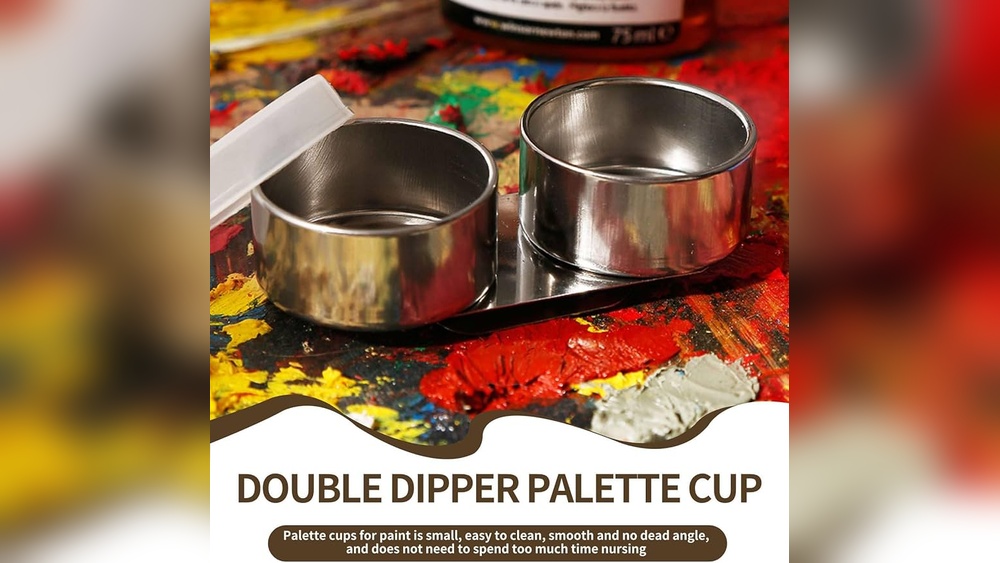
Oil painting brings life and color to your art, but it also leaves behind a trail of mess—especially in your palette cups. These small containers hold your mediums and solvents, but after a painting session, they can be sticky, stained, and hard to clean. If you ignore them, dried paint builds up and ruins future colors. Many beginners struggle with cleaning palette cups, but it’s easier than you might think once you know the right steps. Let’s explore how to clean palette cups after oil painting, why it’s important, and how to make your tools last longer.
Why Cleaning Palette Cups Matters
Artists often focus on cleaning brushes, but palette cups are just as important. Leftover medium or paint can mix with fresh colors and create unwanted effects. Dried oil paint is tough to remove and can damage the surface of your cups. Over time, dirty cups can even affect the smell in your studio, making it unpleasant to work. Consistent cleaning helps keep your painting process smooth and your colors true.
The Different Types Of Palette Cups
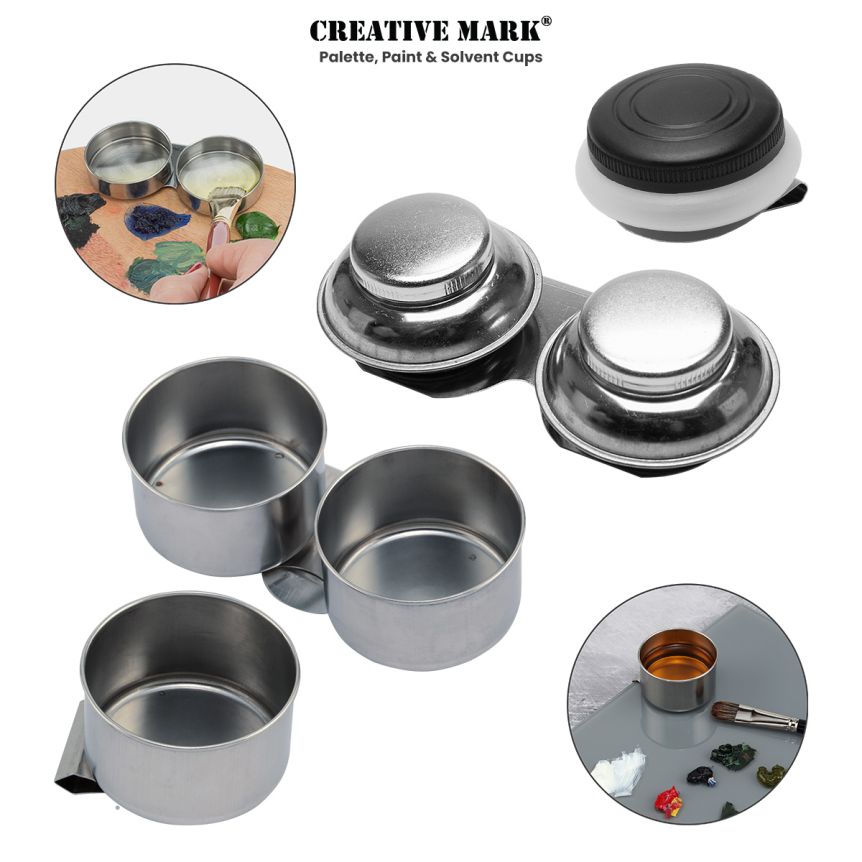
Before cleaning, it helps to know what kind of palette cup you have. The material affects which cleaning methods and products you should use.
| Material | Common Issues | Best Cleaning Method |
|---|---|---|
| Metal (steel, aluminum) | Rust if left wet, stubborn paint stains | Solvents, scrubbing, dry thoroughly |
| Glass | Fragile, paint adheres strongly | Solvents, gentle scraping |
| Plastic | Stains, can crack with strong chemicals | Mild solvents, soft cloth |
Non-obvious insight: Using the wrong cleaning method for your palette cup material can shorten its lifespan or even make it unsafe for future use.

Credit: www.youtube.com
Essential Cleaning Supplies
Getting the right supplies makes the process easier and safer.
- Solvents: Odorless mineral spirits, turpentine, or dedicated brush cleaners
- Paper towels or lint-free cloths
- Mild dish soap
- Warm water
- Small brush or old toothbrush
- Palette knife (for scraping)
- Gloves (to protect your skin)
- Airtight jar (for dirty solvent disposal)
Pro tip: Avoid household cleaners with ammonia or bleach, as they can react badly with oil paint residues or damage your cups.
Step-by-step Cleaning: Fresh Vs. Dried Paint
The method you use depends on whether the paint is still wet or has dried.
Cleaning Fresh (wet) Oil Paint
1. Pour Out Leftover Medium Or Paint
Empty as much as possible into a waste jar. Never pour solvents or paint down the sink—they can harm the environment and your plumbing.
2. Wipe With Paper Towel
Remove most of the residue while it’s still soft.
3. Add Solvent To The Cup
Pour a small amount of odorless mineral spirits or turpentine into the cup.
4. Swirl And Soak
Let the solvent sit for a few minutes. Swirl to dissolve remaining paint.
5. Scrub Gently
Use a small brush or old toothbrush to get into corners.
6. Wipe Again
Remove dissolved paint with a clean cloth.
7. Wash With Soap And Water
Use mild dish soap and warm water. Rinse well to remove all solvent.
8. Dry Thoroughly
Use a towel and let the cup air dry before storing.
Cleaning Dried (hard) Oil Paint
1. Scrape Off Paint
Use a palette knife to lift dried layers. Be gentle to avoid scratching.
2. Soak In Solvent
Fill the cup with solvent and let it soak for several hours or overnight.
3. Scrub And Repeat
Use a brush to loosen paint. Change solvent if it becomes too dirty.
4. Wash With Soap And Water
Follow up with soap and water to remove solvent and residues.
5. Inspect For Stubborn Spots
Repeat soaking and scrubbing if needed. For very tough stains, try a commercial brush cleaner.
6. Dry Completely
Make sure no water remains, especially with metal cups, to avoid rust.
Non-obvious insight: If paint is very thick, a few drops of linseed oil can help soften it before using harsh solvents.
Comparing Solvents And Their Effects
Choosing the right solvent is important for cleaning and safety. Here’s a quick overview:
| Solvent | Strength | Odor | Best For | Notes |
|---|---|---|---|---|
| Odorless Mineral Spirits | Medium | Low | General cleaning | Safe for most cups |
| Turpentine | Strong | High | Stubborn dried paint | Use in ventilated area |
| Brush Cleaner | Varies | Low to medium | Delicate surfaces | Check cup compatibility |
Safety Tips For Cleaning Palette Cups
Oil painting materials can be toxic, so take safety seriously.
- Wear gloves to protect your skin from solvents.
- Use good ventilation. Open windows or use a fan.
- Dispose of waste properly. Never pour solvents or paint water down the drain.
- Store solvents in closed containers away from heat or flames.
- Keep cleaning supplies out of reach of children or pets.
Data point: According to the US Environmental Protection Agency, improper disposal of solvents can pollute groundwater and harm wildlife.
Credit: www.jerrysartarama.com
Best Practices For Long-lasting Palette Cups
Keeping your palette cups in good shape saves you money and time.
1. Clean Immediately After Painting
Fresh paint is much easier to remove.
2. Avoid Soaking Plastic Cups Too Long
Strong solvents can make plastic brittle.
3. Dry Metal Cups Completely
Any moisture can lead to rust.
4. Inspect For Damage
Chips, cracks, or loose clips mean it’s time to replace the cup.
5. Store In A Dry, Dust-free Place
Keeps cups clean between uses.
6. Label Cups If You Use Multiple Mediums
Prevents accidental mixing or contamination.
Pro tip: If you work often with different colors or mediums, consider having separate cups for each to reduce cleaning time.
Dealing With Stubborn Stains And Odors
Sometimes, even after cleaning, palette cups can hold onto color stains or bad smells.
- Baking soda paste: Mix baking soda with a little water and scrub gently.
- Vinegar soak: For metal or glass, a vinegar soak can help remove mineral deposits.
- Commercial cleaners: Some products are made to remove stains without damaging cups—read labels carefully.
- Sunlight: Leaving glass or metal cups in sunlight for a few hours can help reduce odors.
Caution: Do not mix bleach or strong acids with oil paint residues—they can create dangerous fumes.
Mistakes Beginners Make When Cleaning Palette Cups
1. Letting Paint Dry In The Cup
Dried paint is much harder to remove and can damage the cup.
2. Using The Wrong Solvent
Some solvents melt plastic or corrode metal.
3. Not Rinsing Out All Solvent
Traces of solvent can affect the next batch of medium.
4. Skipping Drying Step
Moisture can cause rust or mold.
5. Pouring Paint Down The Drain
This harms the environment and can clog pipes.
Experience-based tip: If you’re tired after painting, at least wipe out the cup with a paper towel. Even this small step makes full cleaning easier later.
How Often Should You Clean Palette Cups?
It depends on your painting schedule and the type of medium you use.
- After every session: If you use cups for paint or medium.
- Weekly: If you use them only for holding clean solvent, but check for debris.
- Immediately: If you switch between different colors or mediums.
Frequent cleaning prevents buildup and keeps your process efficient.
Eco-friendly Cleaning Options
Artists are becoming more aware of their impact on the environment. Here are some ways to clean palette cups with less harm:
- Use natural solvents like citrus-based cleaners.
- Reuse solvent by letting paint settle, then pouring off clean liquid for next time.
- Choose biodegradable soaps for final washing.
- Dispose of rags and dirty solvents at hazardous waste facilities.
For more on safe solvent disposal, see the EPA’s guide.
Alternatives To Traditional Palette Cups
If you often struggle with cleaning, you might consider other options:
- Disposable palette cups: Made of paper or thin plastic, tossed after use (less eco-friendly).
- Glass jars: Easy to see when clean, but heavier and breakable.
- Silicone cups: Flexible and easy to peel dried paint from, but can be expensive.
Each option has its pros and cons, so choose what fits your process.
| Type | Easy to Clean | Durability | Cost |
|---|---|---|---|
| Metal | Medium | High | Medium |
| Glass | Easy | Low | High |
| Plastic | Medium | Low | Low |
| Silicone | Easy | Medium | High |
| Disposable | Very Easy | None | Low |

Credit: www.amazon.com
Frequently Asked Questions
How Do I Dispose Of Dirty Solvents Safely?
Pour dirty solvent into an airtight jar and let paint settle at the bottom. Pour off the clean top layer for reuse. The sludge left behind should be taken to a hazardous waste facility. Never pour it down the drain.
Can I Use The Same Palette Cup For Different Mediums?
It’s best to use separate cups for each medium (like linseed oil and turpentine) to avoid contamination. If you must reuse, clean the cup very thoroughly with solvent and soap.
What If I Forgot To Clean My Palette Cup And The Paint Is Rock Hard?
Soak the cup in strong solvent (like turpentine) for several hours or overnight. Use a palette knife to gently scrape off softened paint. Repeat if needed, but don’t force it—avoid damaging the cup.
Is It Safe To Wash Palette Cups In The Kitchen Sink?
No. Oil paint and solvents can clog pipes and harm the environment. Always wipe out as much residue as possible and use dedicated cleaning jars. Finish with a mild soap and water wash, but avoid pouring anything toxic down the drain.
How Can I Prevent Rust In Metal Palette Cups?
Dry metal cups immediately after cleaning. Store them in a dry place. Occasionally wipe with a little mineral oil to add extra protection, especially if you live in a humid climate.
Cleaning your palette cups after oil painting doesn’t have to be a difficult chore. With the right supplies, quick action, and a little care, you’ll keep your art tools in top condition and your colors bright and true. Whether you paint every day or once a month, making palette cup cleaning a regular habit will save you time, money, and frustration in the long run.