Yes, acrylic paint can be used on fabric. It needs a fabric medium for best results and durability.
Acrylic paint is versatile and popular among artists. Using it on fabric opens up numerous creative possibilities. To achieve optimal results, mix acrylic paint with a fabric medium. This combination ensures the paint adheres well and remains flexible after drying.
Without the medium, the paint may crack or peel over time. Pre-washing the fabric and setting the paint with heat also enhance durability. This method works well for clothing, tote bags, and decorative items. With proper preparation, acrylic paint can transform ordinary fabric into vibrant, custom-designed pieces. Explore your creativity and give fabric painting a try!
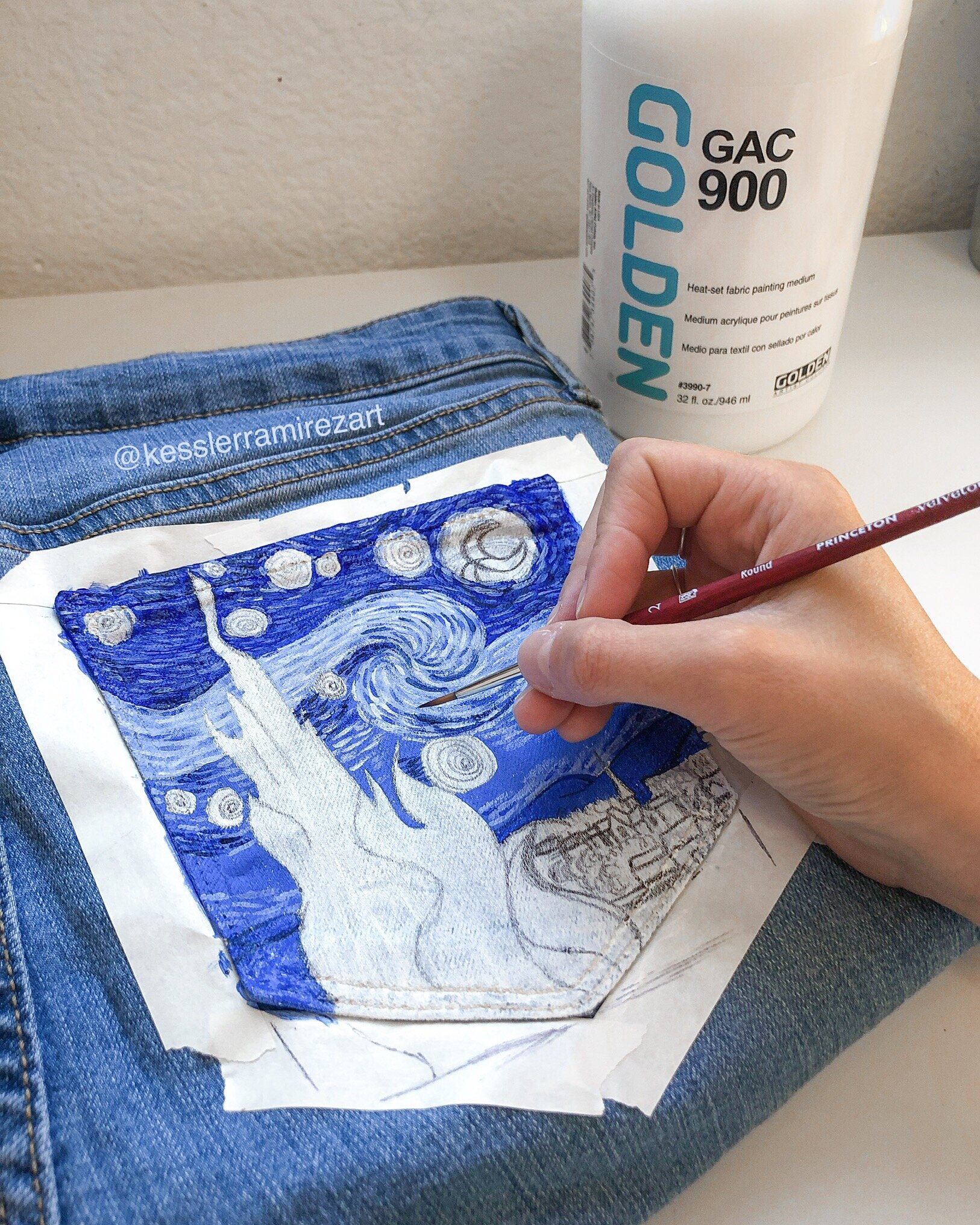
Credit: www.kesslerelsewhere.com
The Versatility Of Acrylic Paint
Acrylic paint is known for its versatility. Artists love it for various projects. It can be used on many surfaces, including fabric. This makes it a favorite among crafters and designers.
From Canvas To Fabric
Acrylic paint is not limited to canvas. It works well on fabrics too. You can paint on T-shirts, bags, and even shoes. The paint sticks well and stays vibrant. This opens up many creative possibilities.
Why Acrylics Are A Popular Choice
Many artists choose acrylics for several reasons:
- Quick Drying: Acrylic paint dries fast, which saves time.
- Durability: It is durable and lasts long on fabric.
- Vibrant Colors: The colors are bright and eye-catching.
- Water-Resistant: Once dry, it becomes water-resistant.
- Easy to Use: Even beginners find it easy to use.
Acrylic paint is also affordable. You do not need to spend much. This makes it accessible to everyone. Both kids and adults can enjoy using it.
Fabric Painting Basics
Painting on fabric can be fun. You can create unique designs on clothes. Many people wonder if acrylic paint can be used on fabric. The answer is yes, but with some steps. Let’s explore the basics of fabric painting.
Choosing The Right Fabric
Not all fabrics are the same. Some fabrics work better with paint. Choose natural fabrics like cotton, silk, or linen. These fabrics absorb paint well. Synthetic fabrics like polyester can be tricky. They don’t hold paint as well.
Here is a simple table to help you:
| Fabric Type | Paint Compatibility |
|---|---|
| Cotton | High |
| Silk | Medium |
| Linen | High |
| Polyester | Low |
Prepping The Material
Before painting, prepare your fabric. Clean it to remove dirt and oils. Washing helps paint stick better. Dry the fabric completely before painting. Iron the fabric to remove wrinkles.
Follow these steps for better results:
- Wash the fabric with mild soap.
- Dry the fabric thoroughly.
- Iron the fabric to remove wrinkles.
Use a piece of cardboard inside the fabric. This prevents paint from bleeding through. Tape the fabric to keep it steady while painting.
Now you are ready to start painting. Enjoy creating your fabric masterpieces!
Acrylic Paint And Fabric: A Perfect Match?
Are you curious about using acrylic paint on fabric? Many artists and DIY enthusiasts wonder if this is a good idea. Let’s explore this exciting topic together!
Advantages Of Using Acrylic
Acrylic paint offers many benefits when used on fabric. Here are some of the key advantages:
- Vibrant Colors: Acrylic paint provides bright and bold colors.
- Durability: Once dried, acrylic paint is water-resistant.
- Versatility: It works well on various fabric types.
- Quick Drying: Acrylic paint dries faster than other types.
- Cost-Effective: Acrylic paint is often more affordable.
Potential Drawbacks
There are some potential drawbacks to using acrylic paint on fabric. Be aware of these issues:
- Stiffness: The fabric may become stiff after painting.
- Cracking: Paint can crack if the fabric is stretched.
- Limited Flexibility: Acrylic paint does not stretch well.
- Preparation Needed: The fabric must be prepped properly.
Understanding both the advantages and drawbacks will help you decide. With proper care, acrylic paint can be a great choice for fabric art!
Transforming Acrylic For Fabric Use
Transforming acrylic paint for fabric use opens up a world of creativity. With the right techniques, your fabric designs will stand out and last longer. Let’s explore the essential steps to make acrylic paint suitable for fabric projects.
Textile Medium: The Secret Ingredient
To make acrylic paint work on fabric, you need a textile medium. This ingredient ensures the paint adheres properly and remains flexible. Without it, the paint can crack or peel over time.
A textile medium also helps the paint penetrate the fabric fibers. This results in a more durable and vibrant design.
Mixing Ratios For Success
Getting the mixing ratios right is crucial for success. Here’s a simple guide:
| Component | Ratio |
|---|---|
| Acrylic Paint | 2 parts |
| Textile Medium | 1 part |
Mix 2 parts acrylic paint with 1 part textile medium. Stir well to ensure a smooth consistency.
Always test your mixture on a small fabric piece first. This will help you adjust if needed.
Using the right tools and techniques will make your fabric projects shine. Happy painting!
Application Techniques For Fabric
Using acrylic paint on fabric can be exciting. It’s important to know the right techniques. These methods help achieve the best results on fabric.
Brushwork And Texture
Brushwork is crucial when painting on fabric. Different brushes give different effects. Use a flat brush for smooth and even strokes. A round brush is great for details. To create texture, try using a stiff-bristled brush.
Stippling is another technique. It adds interesting texture to your fabric. Simply dab the brush to make tiny dots. This creates a unique look. For a softer texture, use a sponge. It helps blend colors well.
Creating Washes And Gradients
Creating washes and gradients can enhance your fabric painting. A wash is a thin layer of paint. Mix paint with water for a lighter shade. Apply it in even strokes.
Gradients add depth to your artwork. Start with a darker color. Gradually add water to lighten the shade. Blend the colors where they meet. This creates a smooth transition.
| Technique | Tool | Effect |
|---|---|---|
| Flat Brush | Flat Brush | Smooth, even strokes |
| Round Brush | Round Brush | Fine details |
| Stippling | Stiff-Bristled Brush | Textured dots |
| Sponge | Sponge | Soft texture, blended colors |
| Wash | Brush + Water | Thin, light layer of paint |
| Gradient | Brush + Water | Smooth color transition |

Credit: www.pinterest.com
Sealing And Protecting Your Work
Sealing and protecting your acrylic paint on fabric is crucial. This ensures your artwork lasts longer. It also keeps colors vibrant and prevents peeling or fading. Proper sealing involves a few essential steps. Let’s dive into these methods for protecting your work.
Heat Setting: A Crucial Step
Heat setting locks the paint into the fabric. This process is simple but effective. Place a piece of parchment paper over your painted fabric. Then, use an iron set to medium heat. Press the iron onto the fabric for about 3-5 minutes. Make sure to move the iron continuously. This prevents any scorching or burning.
Another method involves using a clothes dryer. Place the painted fabric in the dryer. Set it to a high heat setting. Run the dryer for about 30 minutes. This will also help set the paint.
Post-painting Care Tips
Proper care is necessary after painting and sealing. Here are some tips to keep your artwork intact:
- Wash the fabric in cold water.
- Use a gentle cycle on your washing machine.
- Avoid using harsh detergents or bleach.
- Turn the fabric inside out before washing.
- Air dry the fabric to maintain the paint’s quality.
Avoid direct sunlight when drying. Sunlight can fade the colors quickly. Store the fabric in a cool, dry place. This helps to preserve the paint.
| Action | Why It’s Important |
|---|---|
| Heat Setting | Locks paint into fabric |
| Cold Water Wash | Prevents color bleeding |
| Gentle Cycle | Avoids fabric damage |
| Air Dry | Maintains paint quality |
Following these steps will protect your acrylic paint on fabric. Your artwork will look new and vibrant for years.
Innovative Projects With Acrylic On Fabric
Acrylic paint isn’t just for canvas. It opens up endless possibilities for fabric projects. Discover how you can transform everyday items into unique masterpieces.
Personalized Clothing Designs
Unleash your inner artist by creating personalized clothing designs. Acrylic paint on fabric allows you to customize t-shirts, jackets, and jeans. Imagine a plain white shirt turned into a vibrant art piece. You can create fun patterns, bold statements, or intricate designs. Use stencils or freehand techniques to add a personal touch. Here are some ideas:
- Hand-painted denim jackets with floral patterns
- Custom t-shirts with unique graphics
- Colorful sneakers with abstract designs
Home Decor And Accessories
Revamp your home with acrylic-painted fabric accessories. Create custom pillow covers, table runners, or wall hangings. Acrylic paint can transform plain fabric into stunning decor items. Personalize your living space with your own artwork. Here are some project ideas:
- Hand-painted pillow covers with geometric shapes
- Custom table runners with seasonal themes
- Unique wall hangings with abstract art
Use acrylic paint to make your home feel truly yours. These projects are simple and fun, perfect for all skill levels.
Troubleshooting Common Issues
Using acrylic paint on fabric can be fun and creative. But some common issues can spoil your art. Let’s learn how to fix them.
Dealing With Fading Colors
Fading colors can make your design look dull. To keep colors bright, follow these tips:
- Heat-set the paint by ironing the fabric. Use medium heat for 3-5 minutes.
- Wash painted fabric inside out with cold water.
- Use a fabric medium with your acrylic paint.
Fixing Stiffness And Cracking
Acrylic paint can make fabric stiff and crack. Here’s how to keep it soft and flexible:
- Mix a fabric medium with your acrylic paint. This keeps the paint flexible.
- Apply thin layers of paint to avoid stiffness.
- Let each layer dry fully before adding another one.
- Hand wash the fabric gently to prevent cracking.
By following these tips, you can keep your fabric art looking great!

Credit: canarystreetcrafts.com
Frequently Asked Questions
How Do You Get Acrylic Paint To Stay On Fabric?
To make acrylic paint stay on fabric, mix it with a fabric medium. Pre-wash the fabric, apply the paint, and let it dry. Heat-set the design with an iron to ensure durability.
Can I Use Normal Acrylic Paint On Fabric?
Yes, you can use normal acrylic paint on fabric. Mix with a fabric medium for better results.
How Do You Use Acrylic Paint On Fabric Without Cracking It?
Use fabric medium with acrylic paint. Pre-wash fabric. Apply thin layers. Let each layer dry completely. Heat-set with an iron.
Will Acrylic Paint On Fabric Wash Off?
Acrylic paint can wash off fabric if not properly sealed. Use a fabric medium and heat set for durability.
Can Acrylic Paint Be Used On Fabric?
Yes, acrylic paint can be used on fabric with proper preparation and sealing.
How To Prepare Fabric For Acrylic Paint?
Wash and dry the fabric, then apply a fabric medium to ensure better adhesion.
Do You Need A Fabric Medium With Acrylic Paint?
Yes, a fabric medium helps acrylic paint adhere and makes it more flexible on fabric.
Can Acrylic Paint On Fabric Be Washed?
Yes, but heat-setting the paint and using a fabric medium increases its durability during washing.
Conclusion
Using acrylic paint on fabric is a great way to personalize your clothing or home decor. It offers versatility and durability. Always prepare your fabric properly and use fabric medium for best results. With a bit of care, your painted fabric will remain vibrant and beautiful for years to come.