
Yes — acrylic paint can be used on clothing with proper prep, fabric medium, and heat-setting.
I’ve tested acrylic on tees, jackets, and canvas totes for years. I’ll walk you through when acrylic paint works on clothing, which fabrics hold up best, how to prep and seal your work, and how to avoid common mistakes. This guide combines hands-on experience, practical tips, and clear steps so you can decide when and how to use acrylic paint on clothing with confidence.
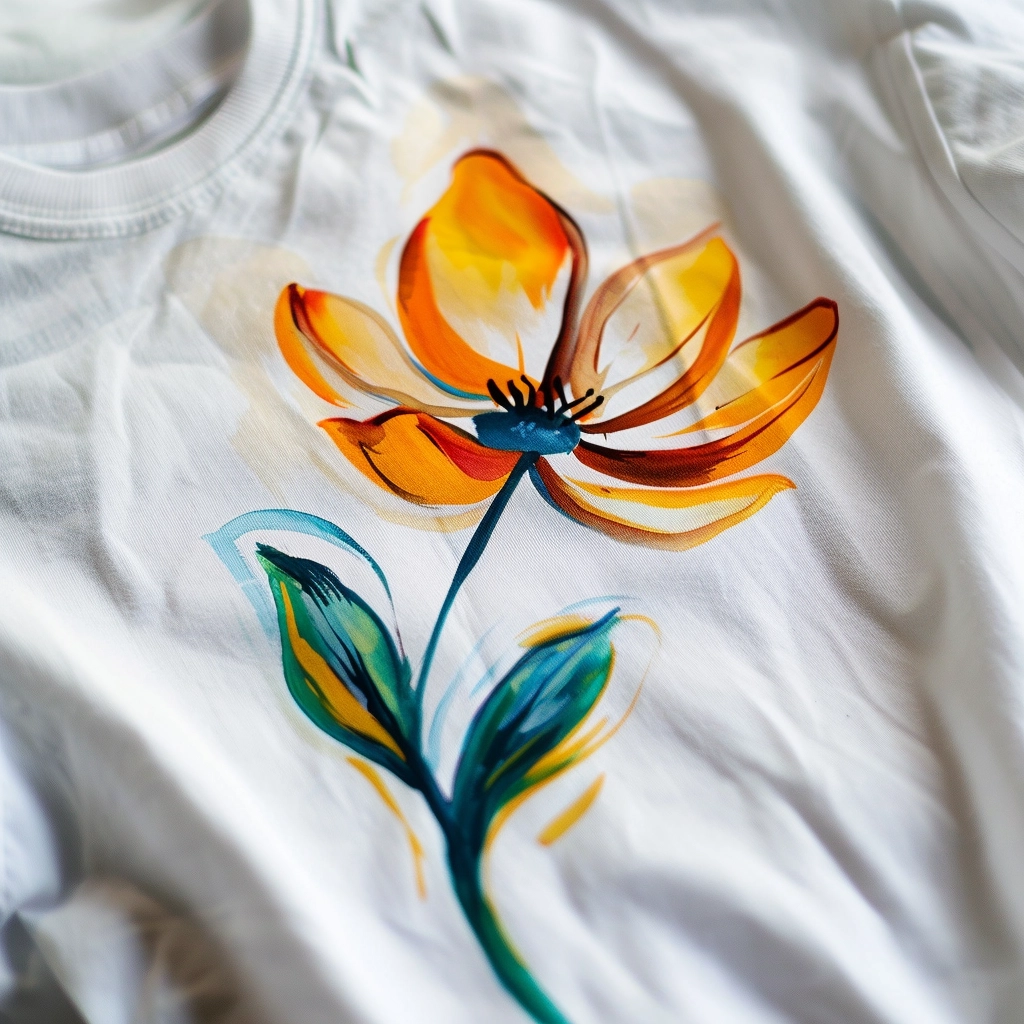
Can you use acrylic paint on clothing? Overview
When asking can you use acrylic paint on clothing, the short technical answer is yes. Acrylic forms a plastic-like film that can stick to fibers when mixed with a fabric medium and heat-set. Without correct prep, the paint can feel stiff, crack, or wash out. This section gives a clear picture of what to expect and how to get lasting results.
/how-to-paint-fabric-5195665-hero-89d9345236194a71b172d952457acc55.jpg)
How acrylic paint bonds to fabric
Acrylic paint is water-based and forms a stable polymer film as it dries. On woven fabrics, the paint sits on and around the fibers. On knit fabrics, paint can sink into the loops. Adding a fabric medium changes the paint’s texture. It increases flexibility and reduces stiffness. Heat-setting and thorough drying help the film adhere and resist washing. Understanding how paint bonds helps you choose the right method for different garments.
 painting”
style=”max-width: 100%; height: auto; border: 2px solid black; border-radius: 10px; display: block; margin: 0 auto;”
loading=”lazy”
/>
Preparing clothing for painting
Good prep is half the job. Clean, dry, and wrinkle-free clothing gives the best result. Remove tags, and pre-wash items to remove sizing and finishes. Use cardboard or a barrier inside shirts to prevent bleed-through. Test a fabric swatch first. Here are steps to follow.
- Wash the garment once or twice to remove factory finishes and shrinkage.
- Iron the area you will paint to create a smooth surface.
- Place a firm barrier inside the garment so paint does not bleed onto the back.
- Use painter’s tape or stencils for crisp edges.
A little prep time saves you from ruined designs and frustration.

Best acrylic paints and what to mix with them
Not all acrylics are equal for clothing. Standard craft acrylics can work, but adding a fabric medium improves flexibility and washability. Professional textile paints are formulated specifically for fabric. Here’s what to consider.
- Use textile acrylics or add fabric medium at the manufacturer’s recommended ratio.
- Choose acrylic paints labeled lightfast for longevity.
- For thin layers or screen printing, use fluid acrylics or inks made for fabric.
- For bold coverage on dark fabrics, use opaque or specially formulated fabric colors.
From experience, mixing a good fabric medium with artist acrylics gives a cost-effective and durable result.

Techniques and step-by-step process
Simple steps make the process reliable. Follow this workflow for most projects.
- Pre-wash and iron garment.
- Prime the work area and insert a barrier.
- Sketch or place stencil on fabric.
- Mix acrylic with fabric medium or use textile paint.
- Apply paint in thin layers. Allow each layer to dry.
- Heat-set according to product instructions or with an iron/heat press.
- Wait 24–72 hours before first wash.
Tips from my studio: thin layers dry evenly and flex better. Avoid heavy globs that crack when the fabric moves.
/BHG-how-to-get-acrylic-paint-out-of-clothes-7093317-hero-01-44181-e45f6f51b92e460096d92596af956d70.jpg)
Washing, care, and durability
Care matters more than the painting step. Proper curing and washing extend life. Heat-set the painted area by ironing (use a pressing cloth) or a heat press following the paint/fabric medium directions. Turn garments inside out for washing. Use cold water and mild detergent. Avoid tumble-drying on high heat when possible.
- Hand wash or gentle machine cycle for best results.
- Do not use bleach or harsh stain removers on painted areas.
- Re-iron inside out if needed to restore some softness.
Expect painted fabric to feel slightly stiffer at first. Over time and after several washes, it will soften without significant loss of design if properly set.
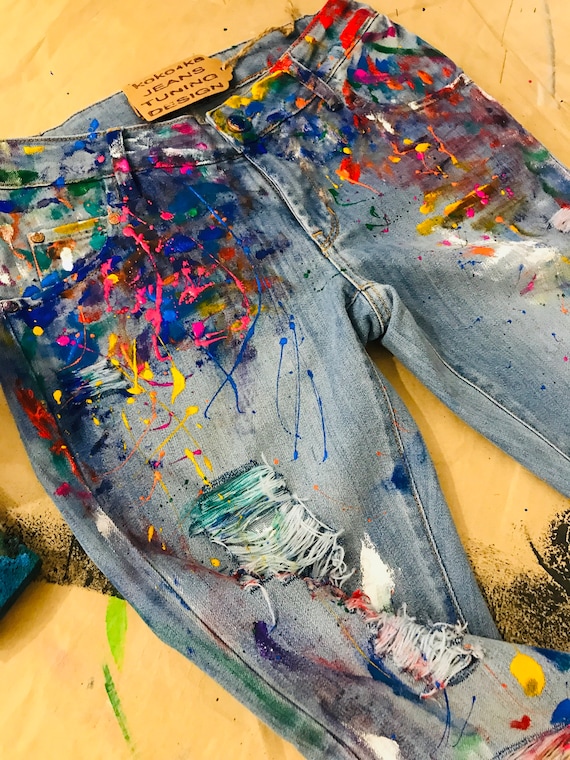
Common mistakes and how to fix them
Knowing pitfalls helps you avoid them. Here are errors I’ve seen and how to correct them.
- Painting without fabric medium: mix medium or use textile paints to prevent stiffness.
- Using thick paint layers: thin layers cure better and flex with the fabric.
- Skipping heat-set: always heat-set to improve wash fastness.
- Painting on non-washable fabrics: test or avoid; silk and some synthetics may not take paint well.
If paint cracks after drying, remove excess paint, add a thin layer with medium, and re-heat-set. For bleed-through, wash garment and start again on a fresh piece if possible.

When not to use acrylic paint on clothing
There are times acrylic is not the best choice. Delicate, stretchy, or high-wear items require special care. Avoid using acrylic on:
- Lightweight silk or very delicate fabrics where stiffness ruins drape.
- Athletic wear with moisture-wicking finishes; paint may peel.
- Items that need frequent heavy washing, unless you use textile inks and professional curing.
In those cases, consider screen printing inks, dye-based methods, or sublimation for polyester.
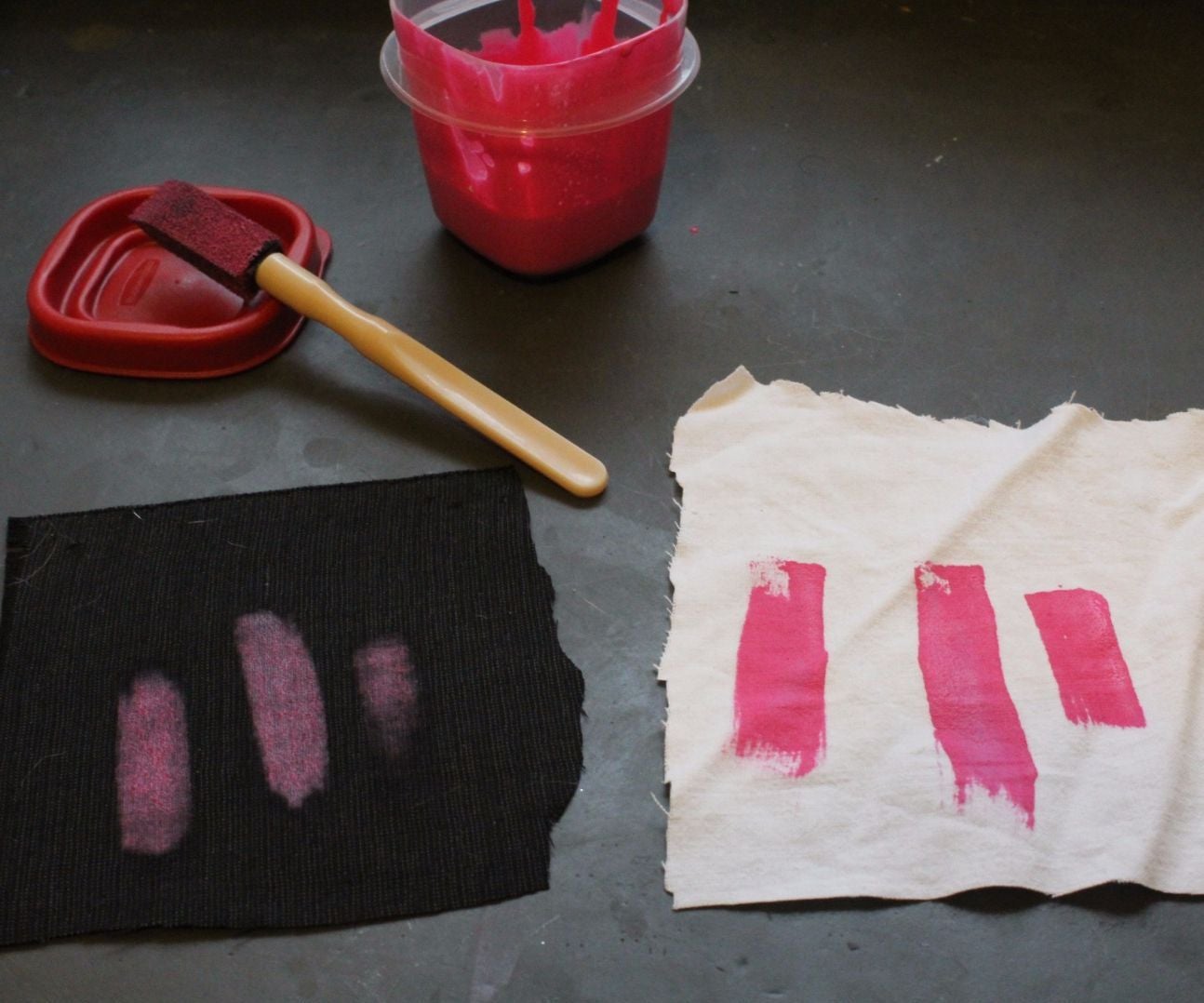
Personal experience and lessons learned
I painted dozens of shirts and bags over the years. My earliest mistake was using thick craft acrylic straight from the bottle. The prints cracked after the first wash. I learned to add fabric medium and to build thin layers. A second lesson: always test a hidden seam or scrap. Small tests saved whole projects. These habits improved durability and look. If you want pro-level results, invest in quality textile paint and a good heat press.
Frequently Asked Questions of can you use acrylic paint on clothing
Will acrylic paint wash off clothing?
If not mixed with a fabric medium and heat-set, acrylic paint can fade or flake with washing. Properly mixed, applied in thin layers, and heat-set, it will resist normal washing.
Can I use regular craft acrylic paint on a t-shirt?
Yes, you can, but add a fabric medium for flexibility and wash resistance. Without medium, craft acrylic can feel stiff and may crack over time.
How do I heat-set acrylic paint on clothing?
Use an iron on a cotton setting with a pressing cloth, or use a heat press at the paint maker’s recommended temperature and time. Heat-setting ensures better adhesion and wash durability.
Will acrylic paint make clothing stiff?
Acrylic alone can make fabric stiff, especially in heavy layers. Mix paint with fabric medium and apply thin coats to reduce stiffness.
Can I paint on polyester or nylon with acrylic?
You can, but performance may be mixed on synthetic fibers. Use paints or inks made for synthetic fabrics and test first for adhesion and flexibility.
How long should paint dry before washing?
Wait at least 24 to 72 hours after heat-setting before washing, following product instructions. Longer curing often yields better wash resistance.
Conclusion
Acrylic paint can be used on clothing successfully when you follow the right steps. Prepare the fabric, choose suitable paints and a fabric medium, apply thin layers, and heat-set to lock in the bond. Start with tests and small projects. With care, your painted clothes can look great and last through many wears. Try one simple project this week, share your results, and subscribe or comment to keep learning and improving your fabric painting skills.