
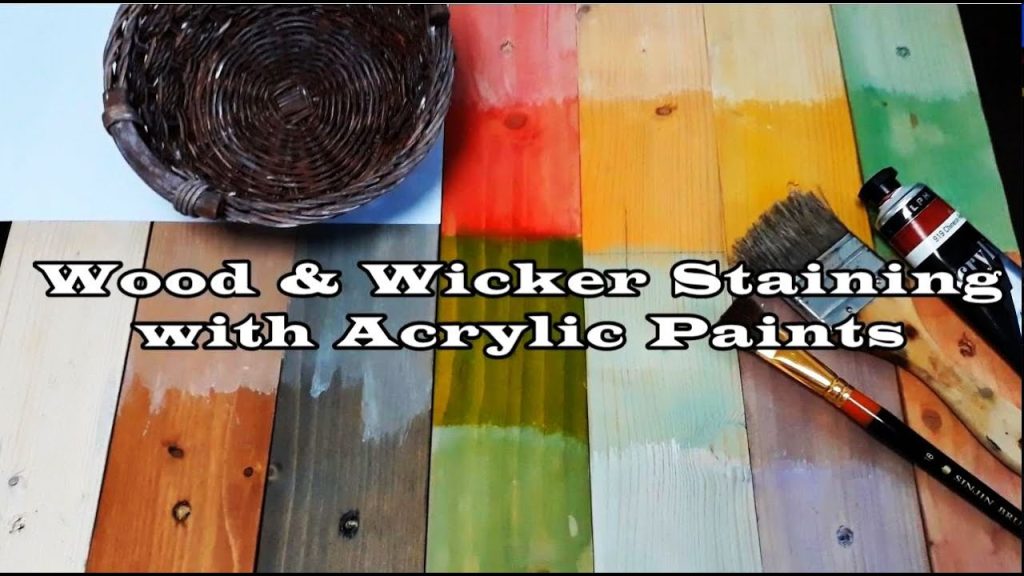
Wood is one of the oldest painting supports there is, long before stretched canvas became the default. Acrylic paint takes to it readily, from unfinished craft shapes to cradled art panels and outdoor signs. What separates a crisp, lasting result from a blotchy one is mostly what happens before the first color goes down and after the last one dries.
Quick answer: Yes, you can use acrylic paint on wood, and it adheres well because wood is porous. For the best result, sand the surface smooth, remove the dust, seal or prime it (gesso or a wood sealer) so the paint doesn’t soak in unevenly or pick up stains from the wood, paint in thin layers, and finish with an acrylic varnish once the paint has cured. Outdoor pieces need an exterior-grade, UV-resistant topcoat.
Below is a complete workflow: choosing wood, sanding grits, sealing options and why they matter, step-by-step painting, brushes, varnishing, outdoor projects and fixes for the usual problems. If you are still picking paint, our guide to acrylic paints that suit wood crafts and panels compares coverage and finish across popular options.
Is Acrylic Paint Good for Wood?
It is one of the best paints for wood crafts and art. Acrylic dries fast, cleans up with water, stays flexible enough to cope with small amounts of wood movement, and comes in an enormous range of colors and finishes. Compared with oil paint, it is quicker to layer and has less odor. Compared with craft stains, it gives you full opacity and the ability to paint images rather than just tint the grain.
Its limitations are worth knowing:
- On raw wood, paint soaks in unevenly, so some areas look dull and others glossy.
- Some woods release tannins or resins that can bleed through light colors as yellow or brown stains.
- Water in the paint can raise the grain, leaving a fuzzy texture.
- Unsealed acrylic outdoors fades and wears faster than exterior-rated coatings.
Each of these is solved with proper preparation and finishing.
Choosing Wood for Acrylic Painting
| Wood type | Surface | Notes for acrylic painters |
|---|---|---|
| Birch plywood / birch panels | Smooth, fine grain | A favorite for art panels; takes gesso evenly |
| Basswood | Very smooth, soft | Excellent for craft shapes, slices and carving |
| Pine | Visible grain, knots | Inexpensive; seal knots to prevent resin bleed |
| Poplar | Smooth, even | Paints well; may have green streaks that should be primed |
| MDF / hardboard | Very smooth, no grain | Stable and cheap; seal edges, which absorb heavily |
| Oak, cedar, redwood | Open grain or high tannin | Prone to tannin bleed; use a stain-blocking primer |
| Wood slices (rounds) | End grain, bark edges | Very absorbent; seal well and expect possible cracking as they dry |
Wood Panels for Acrylic Painting
Ready-made art panels, often birch plywood on a cradle frame, are a popular alternative to canvas. They give a rigid, smooth surface that suits fine detail, glazing and mixed media. Many come pre-primed with gesso; others are raw so you can choose your own sealing method. Cradled panels resist warping better than thin flat boards, which can bow when one side is painted and the other is not.
How to Prepare Wood for Acrylic Paint
1. Sand
Start with medium-grit sandpaper (around 120) to remove rough spots and mill marks, then finish with fine grit (around 220) for a smooth surface. Always sand with the grain. For pre-sanded craft wood, a quick pass with 220 is usually enough.
2. Remove dust
Wipe with a tack cloth or a barely damp lint-free cloth. Dust left behind gets trapped in the paint and creates a gritty surface.
3. Raise and knock down the grain (optional)
Wipe the wood with a damp cloth, let it dry, and sand lightly with 220 again. This pre-raises fibers that would otherwise stand up when the first water-based coat goes on.
4. Seal or prime
Sealing controls absorption and blocks stains. You have several options:
| Sealer / primer | Best for | Result |
|---|---|---|
| Acrylic gesso (white, clear or black) | Art panels, crafts | Even, slightly toothy surface; great paint grip |
| Clear acrylic medium as a size layer | Art panels before gesso | Helps reduce discoloration rising from the wood into gesso |
| Water-based wood sealer | Crafts showing wood grain | Keeps natural look, evens absorption |
| Stain-blocking primer | Knots, cedar, oak, redwood | Stops tannins and resin from bleeding through |
| Shellac-based knot sealer | Pine knots | Spot-seals resinous areas |
Artists working on raw wood panels often apply a clear acrylic size layer before gesso. Paint makers have described a problem called support-induced discoloration, where water in gesso draws soluble compounds out of wood and leaves a yellowish tint. A sealing coat of clear acrylic medium is commonly recommended to reduce that risk. Two or three thin coats of gesso, lightly sanded between coats, then produce a smooth painting surface.
If you want the grain to show in parts of your design, use a clear sealer instead of white gesso and paint directly over it.
How to Paint With Acrylics on Wood: Step by Step
- Prep the wood as described above and let any sealer or gesso dry fully, typically a few hours or as the label states.
- Transfer the design. Sketch lightly in pencil or use graphite transfer paper. Heavy pencil marks can show through light paint.
- Base coat. Apply the background color in thin, even layers with a flat brush or foam brush, following the grain.
- Let each layer dry, about 15 to 30 minutes for thin coats.
- Build the image in layers, working from large shapes to small details and from dark to light or light to dark depending on your style.
- Add fine details with a small round or liner brush, or paint markers.
- Clean up edges by painting the sides of the panel or wood shape in a coordinating color, or leaving them raw and sealed.
- Cure. Allow at least 24 hours for thin paintings before varnishing, and longer for thick layers. Many artists wait several days for heavy impasto.
- Varnish following the steps later in this guide.
If you want a full project to practice on, our step-by-step tutorial on painting a cabin in the woods with acrylics works nicely on a primed wood panel.
Acrylic Paint Brushes for Wood
Synthetic brushes are the standard for acrylics on wood. They hold their shape in water-based paint and are easier to clean than natural hair.
- Flat brushes (1/2 to 1 inch): base coats, backgrounds and straight edges.
- Foam brushes: smooth, stroke-free base coats on craft pieces.
- Round brushes (sizes 2 to 8): shapes, lettering and general painting.
- Liner or rigger brushes: fine lines, branches, script.
- Angle brushes: crisp corners and shading along edges.
- Stencil brushes: dabbing paint through stencils on signs.
Rough or textured wood wears brushes down quickly, so keep older brushes for base coats and save your best ones for detail.
Can You Use Acrylic Paint Markers on Wood?
Yes, and they are especially handy on wood. Paint markers make clean lettering on signs, outlines on painted shapes and detail on wood slices. They work best on sanded, sealed wood, since raw grain can catch the tip and absorb ink unevenly. Shake well, prime the tip on scrap, and let marker work dry fully before varnishing. Test your varnish on a scrap first, as some solvent-based sprays can make certain marker inks bleed.
Acrylic Varnish for Wood
Varnish protects the painted surface from dust, moisture, scuffs and UV light, and it evens out the sheen so the whole piece looks finished.
Best Finish for Acrylic Paint on Wood
| Finish | Best for | Pros | Watch out for |
|---|---|---|---|
| Water-based acrylic varnish (brush-on) | Art panels, indoor crafts | Clear, low odor, non-yellowing | Brush marks if applied thickly |
| Acrylic spray varnish | Detailed pieces, textured surfaces | Even, fast coverage | Needs ventilation; overspray |
| Water-based polyurethane | Furniture, trays, frequently handled items | Hard, durable | Not removable like artist varnish |
| Oil-based polyurethane | Rarely recommended over light colors | Very durable | Tends to yellow over time |
| Exterior spar or UV-resistant clear coat | Outdoor signs, garden art | Weather resistance | Check compatibility with acrylic |
Matte finishes reduce glare and suit rustic decor. Satin is a balanced, forgiving middle ground. Gloss deepens colors and makes them look richer, but shows surface flaws more.
How to Varnish an Acrylic Painting on Wood
- Confirm the paint is cured. It should feel completely dry and not tacky, even in thick areas.
- Dust the surface with a soft, dry brush.
- Apply an isolation coat (optional, for fine art). A clear, glossy acrylic medium creates a permanent barrier between the paint and a removable varnish, which lets the varnish be cleaned or replaced later without disturbing the paint.
- Lay the panel flat so varnish doesn’t run.
- Apply thin coats with a wide, soft synthetic brush, working in one direction and slightly overlapping each stroke. Don’t overwork it.
- Let it dry for the time on the label, usually a few hours.
- Add a second coat in the perpendicular direction for even coverage.
- Protect from dust while it dries by tenting a box loosely over it.
Painting Wood for Outdoor Use
Garden signs, birdhouse decorations and porch art face sun, rain and temperature swings. Standard interior acrylic will hold up for a while, but it fades and wears faster outdoors unless it is protected.
- Seal every surface of the wood, including the back and edges, so moisture can’t get in and lift the paint from behind.
- Use an exterior-grade primer, and consider exterior or outdoor-rated acrylic paint for the base coats.
- Finish with several coats of a UV-resistant, exterior clear coat.
- Do not use treated lumber for anything children or pets may chew, and keep painted birdhouse interiors unpainted.
- Expect to refresh the topcoat periodically.
Common Problems When Painting Wood With Acrylics
| Problem | Likely cause | Fix |
|---|---|---|
| Fuzzy, rough texture | Raised grain from water in the paint | Sand lightly with 220 after the first coat, then continue |
| Yellow or brown blotches | Tannin or resin bleed | Seal with a stain-blocking primer and repaint |
| Patchy, dull areas | Uneven absorption into raw wood | Seal or gesso first; add another thin coat |
| Paint peeling | Dust, oil, or old finish under the paint | Sand back, clean, prime, repaint |
| Panel warping | Only one side sealed/painted | Seal the back as well; use cradled panels |
| Cloudy varnish | Applied too thick or in high humidity | Use thin coats in a dry room |
| Brush strokes in base coat | Paint too thick; stiff brush | Thin slightly; use a foam or soft flat brush |
Painting Over Previously Finished Wood
Furniture, frames and thrift-store pieces often already carry varnish, lacquer or old paint. Acrylic won’t grip a glossy finish well. Clean the piece with a degreasing cleaner, scuff-sand the surface to dull the shine, wipe away dust, and apply a bonding primer before painting. If the existing finish is flaking, sand it back to sound material first.
FAQs
Can you use acrylic paint on wood without primer?
Yes, especially for small craft pieces. The paint will absorb into the wood and may need extra coats, and some woods may stain light colors. Priming or sealing gives more even color and better long-term results.
How to use acrylic paint on wood so it lasts?
Sand, remove dust, seal or prime, paint thin layers, let the paint cure, and finish with two coats of a suitable varnish. For outdoor pieces, seal every surface and use a UV-resistant exterior clear coat.
Does acrylic paint need to be sealed on wood?
Sealing is not strictly required indoors, but it protects against scuffs, moisture, dust and fading, and makes the sheen uniform. Anything handled frequently or placed outdoors should be sealed.
Can I use gesso on wood?
Yes. Acrylic gesso is commonly used on wood to create a bright, even, slightly toothy painting surface. For fine-art panels, a clear acrylic size layer under the gesso is often recommended to reduce discoloration from the wood.
How long should acrylic paint dry on wood before varnishing?
Thin layers are often ready after about 24 hours. Thick or textured paint may need several days. Check that no area feels cool, soft or tacky before you varnish.
Is acrylic paint waterproof on wood?
Dried acrylic is water-resistant but not fully waterproof on its own, and moisture can get into unsealed wood around it. A good varnish or exterior clear coat makes painted wood much more resistant to water.
Next Step
Acrylic on wood rewards a little patience at both ends of the process. Sand and seal before you start, finish with the right varnish when you’re done, and the paint in between will look sharper and last longer than on almost any other craft surface.
Coverage and adhesion differ a lot between brands, particularly on raw or lightly sealed wood. To find options with strong opacity and durable finishes, compare our picks for acrylic paint for wood projects and signs.




