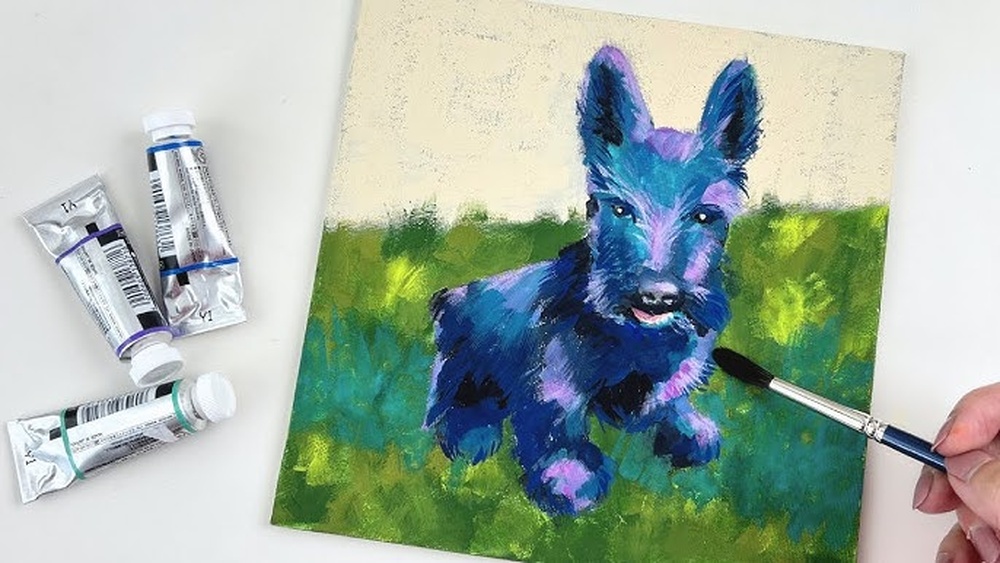
Are you wondering if gouache paint works on canvas? You’re not alone.
Many artists love gouache for its vibrant colors and matte finish but hesitate when it comes to using it on canvas. The truth is, gouache can be used on canvas—but only if you take some important steps to prepare your surface and protect your artwork.
If you want to avoid frustrating cracking and peeling, understanding how gouache behaves on canvas is key. Keep reading to discover the essential tips and tricks that will help you create stunning gouache paintings on canvas without the common pitfalls. Your next masterpiece is just a few smart moves away!
Gouache And Canvas Compatibility
Gouache paint and canvas have a unique relationship. Gouache is a water-based paint known for its opacity and matte finish. Canvas, commonly used for acrylic and oil painting, has a flexible and textured surface. Understanding how gouache interacts with canvas helps artists achieve better results. This section explores gouache and canvas compatibility in detail.
How Gouache Behaves On Canvas
Gouache tends to absorb quickly into canvas fibers. Its matte finish can dull slightly on rough canvas textures. The paint layer remains fragile because gouache dries with a chalky surface. It does not form a flexible film like acrylics. This makes gouache prone to cracking on canvas over time. Artists notice color shifts as gouache dries unevenly on absorbent canvas.
Challenges With Flexible Surfaces
Canvas stretches and contracts with humidity changes. Gouache’s brittle surface cannot flex well with these movements. Cracks often appear on gouache paintings on canvas. The paint may flake off if the canvas bends or folds. Sealing gouache on canvas is tricky because many varnishes change its matte look. These challenges make gouache less ideal for raw or unstretched canvas.
Comparing Canvas Types For Gouache
Primed canvas offers a smoother, sealed surface for gouache. Acrylic gesso helps reduce paint absorption and cracking risk. Cotton canvas absorbs more moisture, causing uneven drying. Linen canvas is more durable but still flexible, so cracks can occur. Hard, rigid panels with canvas texture work better for gouache than soft, flexible canvases. Choosing the right canvas type improves gouache performance.

Credit: www.reddit.com
Preparing Canvas For Gouache
Preparing canvas for gouache is important for a smooth painting experience. Gouache paint needs a surface that holds the pigment well. Untreated canvas is too rough and absorbent for gouache. Proper preparation helps prevent cracking and fading over time. It also makes colors look brighter and more even.
There are several ways to prepare your canvas. Choosing the right method depends on your style and materials. Below are some common options to get your canvas ready for gouache.
Priming With Acrylic Gesso
Acrylic gesso creates a sealed, smooth layer on the canvas. It stops the paint from soaking into the fabric. Apply two or three thin coats of gesso. Let each coat dry fully before adding the next. Sand lightly between coats for an even surface. This method works well for most gouache projects.
Using Watercolor Ground
Watercolor ground changes canvas texture to hold gouache like paper. It makes the surface absorbent but not too rough. Apply one or two layers with a brush or roller. Wait until the ground is dry before painting. This option is ideal for artists who want a watercolor feel on canvas.
Choosing Canvas Panels And Boards
Canvas panels and boards offer a firmer base for gouache. They do not stretch like traditional canvas. This stability reduces the risk of cracking paint. Panels with a smooth, primed surface are best. Look for ones designed for mixed media or watercolor. These provide a good balance for gouache paint.
Painting Techniques With Gouache On Canvas
Painting with gouache on canvas offers a unique experience. It requires specific techniques for best results. Understanding how to handle gouache helps you create vibrant artwork. Canvas behaves differently than paper, so paint application needs adjustment.
These painting techniques improve color richness and surface texture. They also help avoid common issues like cracking or peeling. Keep your brushwork light and controlled for a smooth finish. Explore these tips to get the most from gouache on canvas.
Applying Thin Layers
Apply gouache in thin layers to prevent cracking. Thin coats dry faster and adhere better to canvas. Use a wet brush with little paint for smooth coverage. Layering thin washes builds color depth without damaging the surface. Let each layer dry fully before adding the next.
Avoiding Thick Impasto
Gouache is not ideal for heavy impasto on canvas. Thick paint may crack or lift as canvas moves. Keep the paint thin and even to maintain durability. If texture is desired, use subtle brush strokes instead of thick blobs. This approach preserves paint adhesion and appearance.
Blending And Layering Tips
Blend gouache gently while it is still wet for smooth transitions. Use a clean, damp brush to soften edges between colors. Layer light colors over dark only after the base dries completely. Avoid overworking the paint to prevent lifting earlier layers. Patience in layering produces rich, luminous effects.
Sealing And Protecting Gouache Art
Sealing and protecting gouache art is key for its longevity and appearance. Gouache paint is water-based and delicate. Without protection, it can easily smudge or fade. Proper sealing keeps the colors bright and the surface safe. This is very important, especially when gouache is used on canvas. Canvas can flex and stretch, so sealing helps avoid damage and cracking. Artists should use the right products for best results. Below are some options for varnishing and spray sealants, plus tips for maintaining color intensity.
Varnishing Options
Varnishing gouache art creates a protective layer over the paint. Use a varnish that is compatible with water-based paints. Matte varnishes keep the soft look of gouache, while gloss varnishes add shine. Apply varnish lightly with a soft brush or spray. Avoid thick coats that may crack. Test varnish on a small area first. Some artists prefer removable varnishes to clean the artwork later. Varnishing helps prevent dust, moisture, and light damage.
Spray Sealants For Durability
Spray sealants provide an even and quick protective coat. They are easy to apply and dry fast. Choose spray sealants made for delicate paints. Hold the can at least 12 inches away from the canvas. Spray several thin layers instead of one thick coat. This reduces the risk of drips and uneven texture. Spray sealants protect gouache from smudging and water damage. Reapply sealant after some time to keep the art safe.
Maintaining Color Intensity
Gouache colors can dull without proper care. Sealing helps keep the paint vibrant and fresh. Store gouache artwork away from direct sunlight to avoid fading. Use UV-protective varnishes or sprays for extra defense. Avoid touching the paint surface, as oils from skin can dull colors. Keep the artwork in a dry place with stable temperature. Proper sealing combined with good storage preserves the original color intensity.
Alternatives To Traditional Gouache
Traditional gouache paint has a unique matte finish and vibrant colors. Yet, it has limits when used on canvas. Canvas’s texture and flexibility can cause cracking and peeling with gouache. Artists often seek alternatives that keep the look of gouache but work better on canvas surfaces.
Several paint types offer similar effects and better durability on canvas. These options maintain the flat, opaque finish gouache is known for. Exploring these alternatives helps artists find the best medium for their canvas work.
Acrylic Gouache Benefits
Acrylic gouache blends the best of acrylic and gouache paints. It dries quickly and stays flexible on canvas. This paint resists cracking and peeling better than traditional gouache. Acrylic gouache also offers vibrant colors with a matte finish. It is water-resistant when dry, making it ideal for canvas art.
Unlike regular gouache, acrylic gouache can handle the canvas’s stretching. It is easier to layer and rework. This paint suits artists who want the look of gouache with acrylic durability.
Watercolor Vs Gouache On Canvas
Watercolor paint is transparent and delicate. It soaks into paper easily but struggles on canvas. Canvas does not absorb watercolors well, causing uneven drying. Watercolors on canvas often appear dull and patchy. Gouache is opaque and thicker but also faces issues on canvas.
Both paints need special preparation on canvas. Priming the canvas helps watercolors and gouache stick better. Still, their finishes differ. Gouache offers solid color blocks, while watercolor shows light washes and blending. Artists choose based on the effect they want.
When To Choose Acrylic Or Oil Paint
Acrylic paint works well on canvas for most projects. It dries fast and is water-resistant. Acrylics handle thick textures and multiple layers easily. Oil paint takes longer to dry but gives rich, deep colors. It remains flexible and durable on canvas.
Choose acrylic paint for quick work and easy cleanup. Pick oil paint for glossy finishes and smooth blending. Both paints hold up well on canvas, unlike traditional gouache. Selecting the right paint depends on style and drying time needs.

Credit: www.artistsnetwork.com
Common Issues And Fixes
Using gouache paint on canvas can lead to some common problems. Knowing these issues helps you protect your artwork and fix it if needed. This section covers typical challenges with gouache on canvas and practical solutions. These tips keep your painting looking fresh and smooth.
Preventing Cracking
Gouache paint tends to crack on canvas because the surface moves. Canvas stretches and shrinks with changes in humidity. Gouache is not flexible enough to handle this movement. To avoid cracking, prime your canvas with a special absorbent ground before painting. This creates a stable surface and reduces paint stress. Work in thin layers and let each dry fully before adding more paint.
Handling Moisture Sensitivity
Gouache is sensitive to moisture and can react poorly to water after drying. Keep your canvas away from damp places to avoid damage. Avoid spraying water or using wet brushes on finished areas. You can protect your painting by applying a light coat of clear spray varnish. This seals the paint and guards against moisture. Use a matte varnish to keep the soft look of gouache.
Repairing Gouache Flaking
Flaking happens if the paint does not stick well to the canvas. Fix flaking by gently brushing off loose paint. Clean the area and reapply gouache in thin layers. Allow each layer to dry completely. To prevent future flaking, prime the canvas well before painting. Adding a final varnish coat also helps hold the paint in place and protects your work.
Creative Ideas Using Gouache On Canvas
Gouache paint offers unique textures and vibrant colors on canvas. It opens new paths for creativity. Many artists explore fresh ideas by using gouache on canvas. The opaque nature of gouache lets you create bold and bright effects. Canvas provides a sturdy base that holds the paint well. Let’s dive into exciting ways to use gouache on canvas.
Galaxy And Abstract Paintings
Gouache works wonderfully for galaxy and abstract art. Its rich pigments help paint deep space scenes with stars and planets. Layering gouache creates smooth blends and sharp highlights. Abstract shapes gain energy from gouache’s matte finish. Use a dry brush to add texture or dots for star effects. Canvas keeps the paint steady for detailed work. This style suits beginners and pros alike.
Mixed Media Approaches
Combine gouache with other art materials for mixed media projects. Try layering gouache over pencil or charcoal sketches. It enhances details and adds vibrant color blocks. You can also use gouache under or over collage pieces. Its quick drying time helps when adding layers fast. Canvas supports multiple layers without warping. Mixing media creates rich, textured artworks with depth.
Combining Gouache With Acrylic
Pair gouache with acrylic paint for versatile effects. Acrylics provide a durable base on canvas and seal the surface. Apply acrylic first, then add gouache details for crisp highlights. Acrylic’s glossy finish contrasts nicely with gouache’s matte look. You can also paint gouache first and finish with acrylic varnish. This combo makes your artwork last longer. Experiment with different orders to find your style.

Credit: www.youtube.com
Frequently Asked Questions
Can I Use Gouache Paint Instead Of Acrylic?
You can use gouache instead of acrylic, but prime rigid surfaces like canvas panels first. Gouache cracks on flexible canvas. Apply thin layers and seal with varnish to protect your painting. Acrylic remains better for traditional stretched canvas due to flexibility and durability.
How To Stop Gouache From Cracking On Canvas?
Prime the canvas with acrylic gesso and use rigid canvas boards instead of stretched canvas. Apply thin gouache layers and seal with a clear varnish to prevent cracking.
Is Acrylic Or Gouache Better For Canvas?
Acrylic is better for canvas due to its flexibility and durability. Gouache can crack on flexible canvas unless primed and sealed properly. For a gouache-like finish on canvas, use acrylic gouache or paint on rigid, primed surfaces like canvas panels.
Can I Seal Gouache On Canvas?
Yes, you can seal gouache on canvas by applying a light coat of clear spray varnish. This protects the paint and intensifies colors. Make sure the canvas is primed and use thin paint layers to prevent cracking. Seal promptly after the paint dries for best results.
Conclusion
Gouache paint can work on canvas with the right preparation. Priming the canvas helps the paint stick better and prevents cracking. Use an absorbent ground designed for gouache to improve results. Keep in mind that gouache is less flexible than acrylic or oil paint.
Sealing your artwork with a clear spray varnish can protect the colors and surface. Experimenting carefully will help you find the best way to use gouache on canvas. This approach lets you enjoy gouache’s unique look on a new surface.