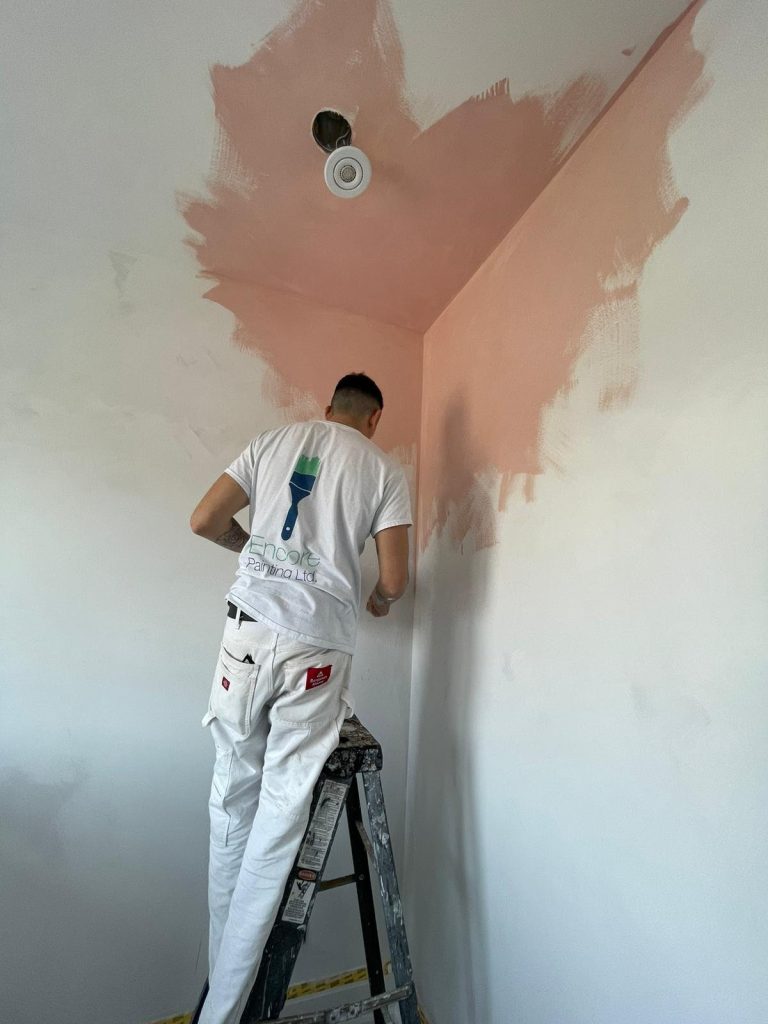
Painting can be a fun and rewarding activity. However, it’s easy to make mistakes, especially if you are new to it. Avoiding these common painting mistakes will make your work look professional.
1. Skipping Surface Preparation
Preparing the surface is very important. If you skip this step, the paint won’t stick well. Clean the surface and remove any dust or dirt. Sand the area to make it smooth.
Steps For Surface Preparation:
- Clean the surface with soap and water.
- Sand the area to remove rough spots.
- Fill any holes or cracks with putty.
- Let the putty dry and sand it again.
2. Using Low-Quality Paint
Cheap paint can save money but will not look good. High-quality paint covers better and lasts longer. It may cost more, but it’s worth it.
Why High-quality Paint Is Better:
- Better coverage with fewer coats.
- Longer-lasting color and finish.
- More resistant to wear and tear.
3. Not Using Primer
Primer helps the paint stick to the surface. It also hides stains and creates a smooth base. If you skip primer, the paint may peel off.
Benefits Of Using Primer:
- Better adhesion of paint.
- Smoother finish.
- Covers stains and previous colors.
4. Ignoring the Weather
Weather can affect how paint dries. If it’s too hot or cold, the paint may not dry properly. Always check the weather before starting your project.
Ideal Weather Conditions For Painting:
- Temperature between 50°F and 85°F.
- Low humidity.
- No rain in the forecast.
5. Using the Wrong Brush or Roller
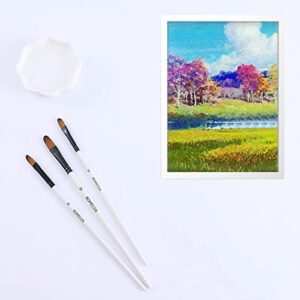
Using the wrong tools can ruin your paint job. Different surfaces need different brushes or rollers. Choose the right tool for the best results.
Choosing The Right Brush Or Roller:
- Use a brush for small, detailed areas.
- Use a roller for large, flat surfaces.
- Select the right nap thickness for rollers.
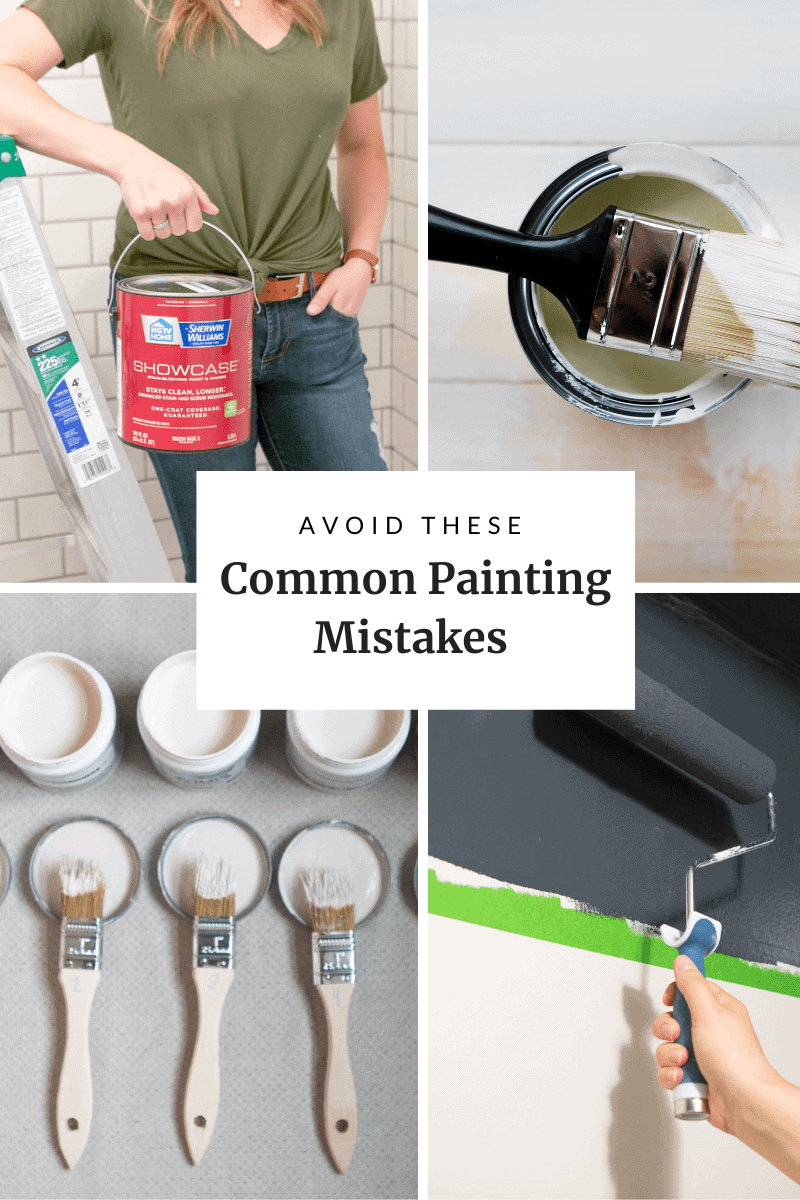
Credit: thediyplaybook.com
6. Not Taping Edges Properly
Taping edges helps create clean lines. If you don’t tape properly, the paint may bleed. Take your time to tape edges well.
Tips For Taping Edges:
- Use painter’s tape for best results.
- Press the tape down firmly.
- Remove the tape before the paint dries.
7. Overloading the Brush or Roller
Too much paint on the brush or roller can cause drips. Dip just the tip of the brush or roller. Apply thin, even coats of paint.
How To Load Paint Correctly:
- Dip the brush about one-third into the paint.
- Roll the roller in the tray to cover it evenly.
- Remove excess paint before applying.
8. Painting in Poor Lighting
Good lighting helps you see what you are doing. If the lighting is poor, you might miss spots. Make sure the area is well-lit before you start painting.
Setting Up Proper Lighting:
- Use natural light if possible.
- Add extra lamps or work lights.
- Check your work from different angles.

Credit: www.youtube.com
9. Not Letting Paint Dry Between Coats
Paint needs time to dry. If you apply a second coat too soon, it can ruin the finish. Be patient and let each coat dry completely.
Drying Times For Paint:
- Wait at least 2-4 hours between coats.
- Check the paint can for specific drying times.
- Allow extra time in humid conditions.
10. Forgetting to Clean Up
Cleaning up is important. If you leave brushes and rollers dirty, they will be ruined. Clean your tools right after you finish painting.
Steps For Cleaning Up:
- Wash brushes and rollers with warm, soapy water.
- Rinse until the water runs clear.
- Let them dry completely before storing.
By avoiding these common painting mistakes, your project will look great. Take your time and follow these tips for a professional finish.
Frequently Asked Questions
What Causes Paint Streaks On Walls?
Uneven application, using too much or too little paint, and poor-quality brushes can cause streaks on walls.
How To Avoid Paint Drips?
Use less paint on your brush or roller, and apply it slowly and evenly to prevent drips.
Why Does Paint Peel Off?
Peeling occurs due to improper surface preparation, moisture, or using incompatible paint types on top of each other.
How To Fix Paint Bubbles?
Remove the bubbles by scraping, sanding the area smooth, and repainting with a quality paint.
Conclusion
Painting can be a rewarding activity if done correctly. Avoiding these common mistakes will help you achieve a smooth and professional finish. Remember to prepare your surface, use quality materials, and take your time. Happy painting!