Yes. Acrylic paint usually washes off skin with soap and water over time.
I have worked in art studios and taught painting classes for years, so I know the common questions and the simple fixes. This article answers does acrylic paint wash off your skin, explains why it behaves the way it does, covers safe removal methods, and shares tested tips from real experience. Read on for clear steps, safety notes, and practical advice you can use right away.

How acrylic paint behaves on skin
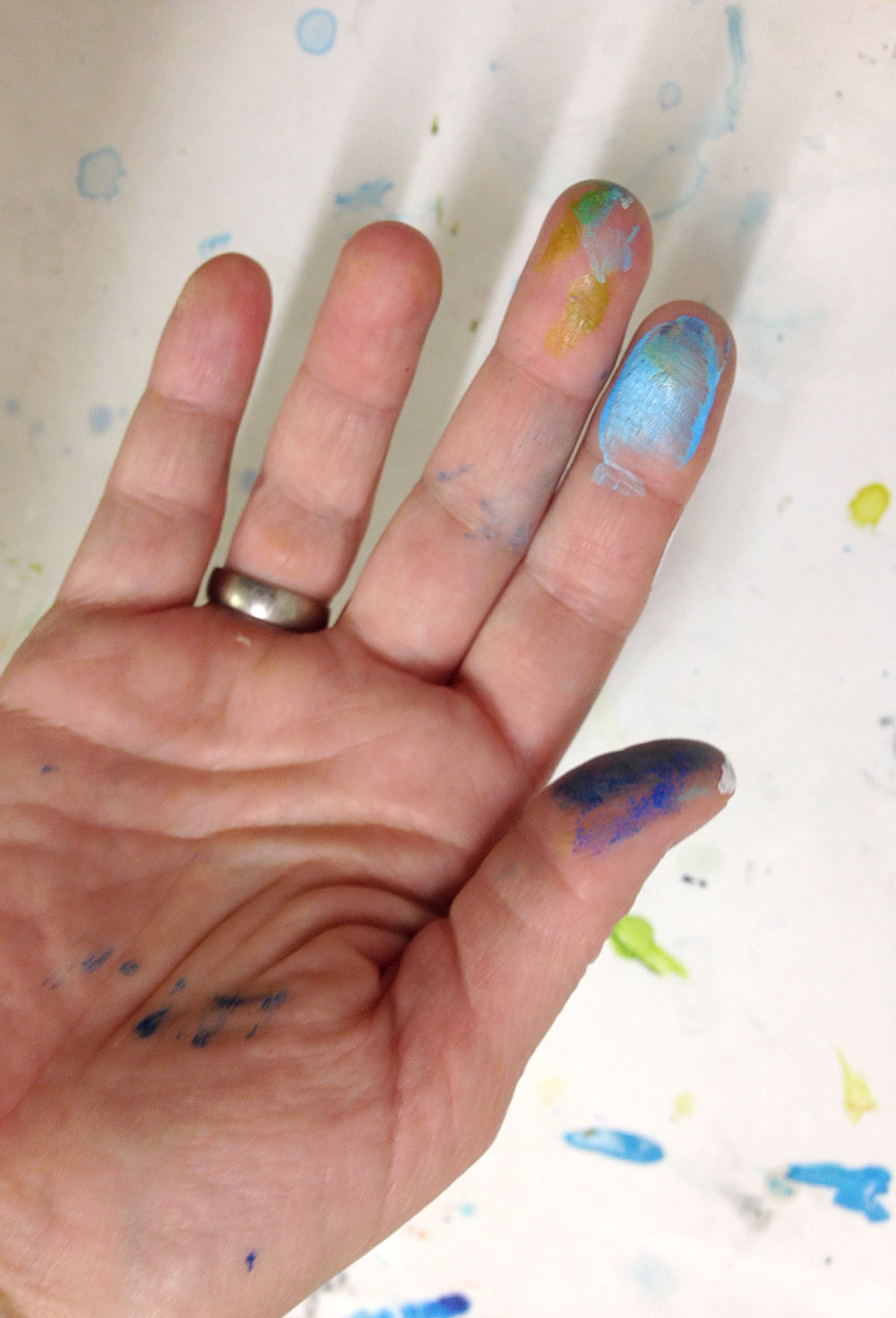
Acrylic paint is water-based when wet. It feels slippery and can rinse off easily at first. Once it dries, it forms a thin plastic film on the skin. That film bonds to the outer layer of dead skin cells. This is why people often ask does acrylic paint wash off your skin, since the answer changes with time.
Acrylic paint can rub off onto clothes and surfaces. It can also flake away from the skin after it dries. The paint is not oil-based, so it will not soak deeply into skin like some solvents. Still, dried paint can look and feel stubborn. Understanding this helps you pick the right removal method.

Can acrylic paint wash off your skin? Science and reality
Many people ask: does acrylic paint wash off your skin? The short science is this. Wet acrylic paint washes off easily with soap and water. Dried acrylic paint needs more effort because it forms a plastic-like layer. The longer paint stays on, the harder it is to remove.
When you ask does acrylic paint wash off your skin, consider skin type and how long paint sat. Oily or hydrated skin might release paint faster. Dry or cracked skin can trap paint in tiny creases. Small amounts usually come off with common household items. Large, thick spots may need repeated cleaning or gentle exfoliation.

Safe and effective removal methods
Start with the gentlest methods and move to stronger ones only if needed. Here are step-by-step options that work in most cases.
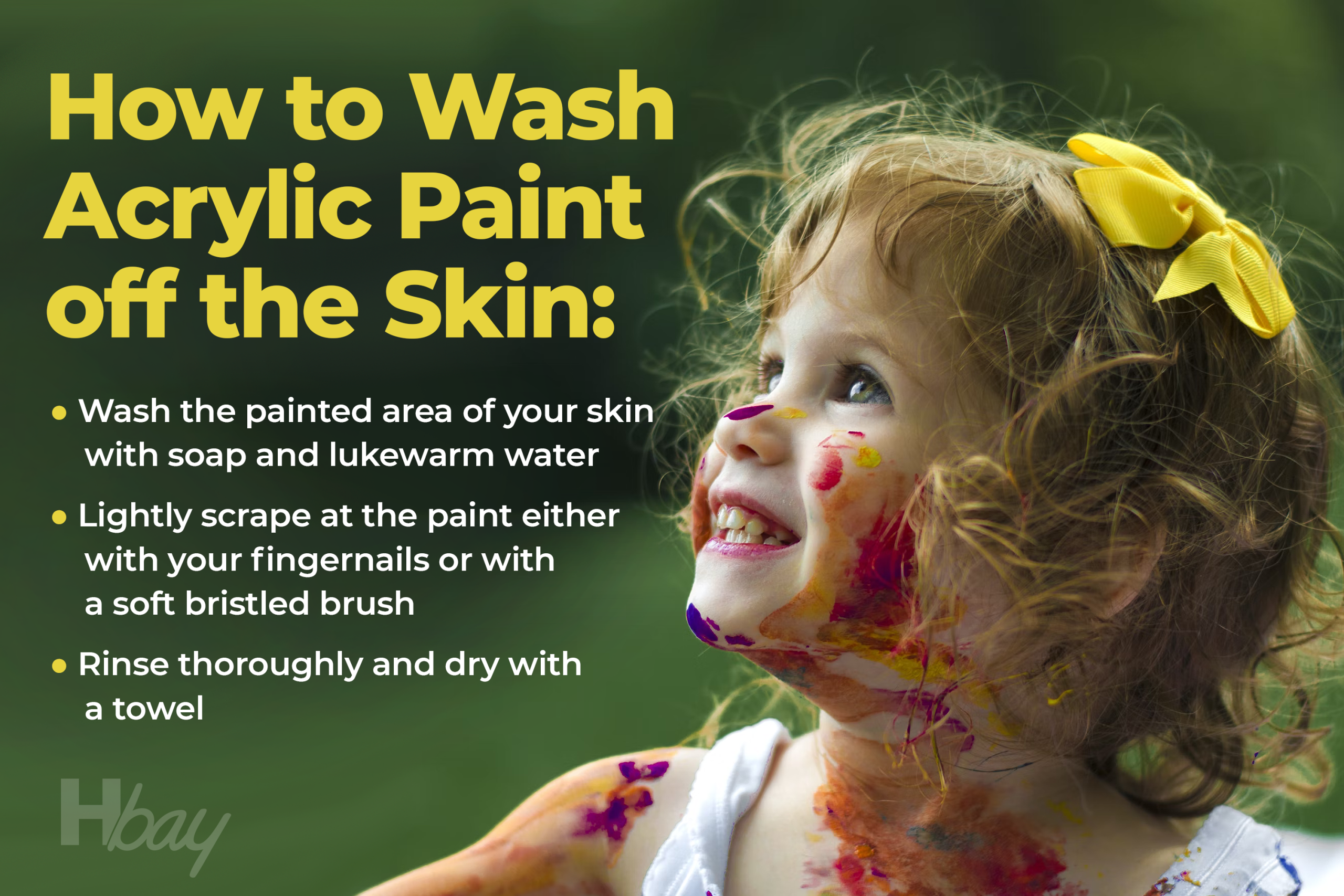
- Soap and warm water: Wet the area. Lather with mild soap and rub gently. Rinse and repeat until paint thins or lifts.
- Baby oil or olive oil: Apply a small amount. Rub in circles for a minute. Wipe with a soft cloth and wash with soap.
- Rubbing alcohol (70% isopropyl): Dampen a cotton pad and rub gently. Rinse and moisturize after use.
- Hand sanitizer with alcohol: Use like rubbing alcohol for small spots. Wash skin afterward.
- Petroleum jelly: Apply, wait 10 minutes, then rub and wash off.
- Non-acetone nail polish remover: Use only on small areas and rinse quickly. Avoid near cuts and sensitive skin.
- Gentle exfoliation: Use a soft scrub or washcloth. Do not scrub hard on irritated skin.
If paint remains, let skin naturally shed the rest. Avoid harsh scrubbing which can damage skin. For children, prioritize soap, oil, and mild cleansers first.

What to avoid when removing acrylic paint
Avoid strong chemicals unless absolutely necessary. These can harm skin or cause allergic reactions.
- Do not use acetone on large areas, as it dries and irritates skin.
- Do not scrub deeply with abrasive pads or brushes, which can break skin.
- Do not apply strong solvents for long periods. Use briefly and rinse.
- Avoid mixing removal agents. This can irritate skin or reduce effect.
- Do not pick or peel dried paint if skin peels with it; this risks injury.
If you feel burning, severe itching, or swelling, stop and wash the area. Seek medical advice if symptoms last.

Health risks and toxicity
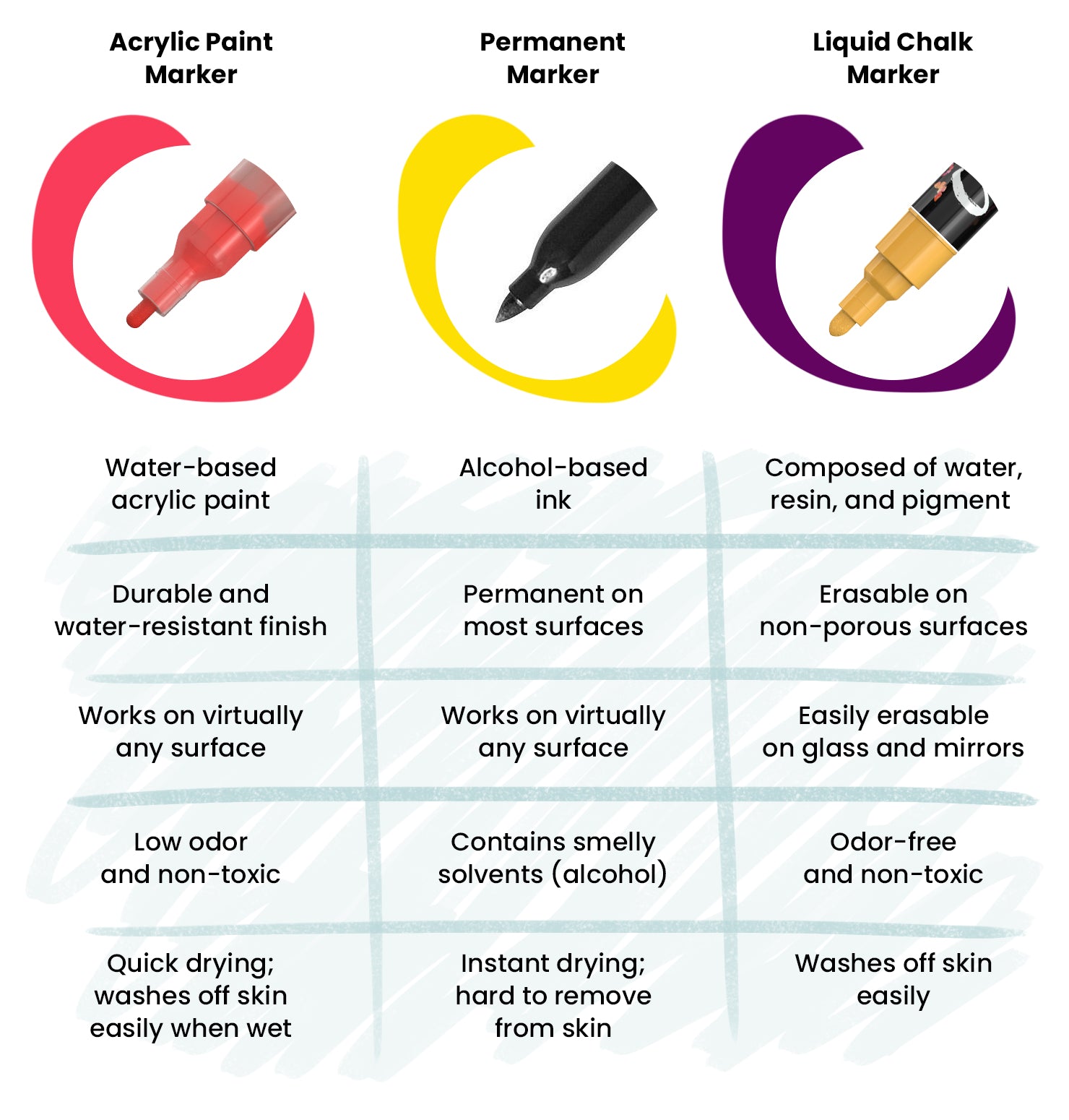
Is acrylic paint toxic on skin? Most hobby acrylics are low in toxicity once dried. While the wet paint contains small amounts of chemicals, normal skin contact rarely causes serious harm. However, sensitive people can get irritation or allergic contact dermatitis.
Children, pregnant people, and those with skin conditions should be cautious. Avoid prolonged contact and keep paint away from eyes and mouth. If paint gets into open cuts, clean the area and monitor for infection. Seek medical help for large exposures or signs of an allergic reaction.
Prevention and skin care tips
Prevention makes cleanup easy and keeps skin healthy.
- Wear gloves when working with lots of paint. Thin latex or nitrile gloves protect skin and are easy to remove.
- Use barrier cream on hands before painting. It helps stop paint from sticking.
- Keep wipes or a damp cloth nearby for quick cleanup while paint is still wet.
- Trim nails and keep cuticles healthy to avoid paint trapping.
- Moisturize after cleaning. This restores skin oils and helps avoid cracks.
These steps reduce the times you ask does acrylic paint wash off your skin and make cleanups quick.
My personal experience and lessons learned
I have painted murals and taught kids’ art classes. I have seen every type of paint mishap. When students ask does acrylic paint wash off your skin, I show them soap first. That works most times. For tougher spots, I use baby oil then soap. It is gentle and fast.
Once, I helped a teenager remove thick dried paint from the back of a hand. Repeated oil rubs and gentle exfoliation took two days. We avoided harsh solvents. The skin healed fine. The main lesson: act early, use gentle methods, and be patient.
Frequently Asked Questions of does acrylic paint wash off your skin
Is acrylic paint harmful if it gets on my hands?
Most acrylic paints are low toxicity for skin contact. Rinse and wash with soap to reduce any risk and avoid prolonged exposure.
How long does it take for acrylic paint to dry on skin?
Thin layers can dry in 10 to 20 minutes. Thick layers may take several hours or longer to fully harden.
Will dried acrylic paint stain my skin forever?
No, it won't stain skin permanently. Dried paint may cling for days but will come off with gentle exfoliation and time.
Can I use nail polish remover to remove acrylic paint?
You can use non-acetone remover on small spots with care. Avoid on sensitive or broken skin and rinse well afterward.
How should I treat paint if I have a skin allergy?
Stop using the product and wash the area. If you see redness, swelling, or blisters, seek medical advice and avoid future contact.
Does acrylic paint wash off your skin with oil?
Yes, oils like baby oil or olive oil can lift paint from skin effectively. Follow with soap to remove oil residue.
Can kids get acrylic paint off easily?
Yes, when cleaned while wet, acrylic paint is easy to remove from kids’ skin. For dried paint, use oil first and then soap.
Conclusion
Acrylic paint usually washes off your skin if you act while it is wet. Dried paint needs oil, gentle scrubs, or mild solvents to lift it. Use gentle steps first, protect your skin, and avoid harsh chemicals. My experience shows that early cleanup and simple tools are the best approach.
Try the removal steps above next time paint lands on your skin. Share what worked for you or ask a question in the comments. Subscribe or check more resources to learn safe paint habits and easy cleanup tips.