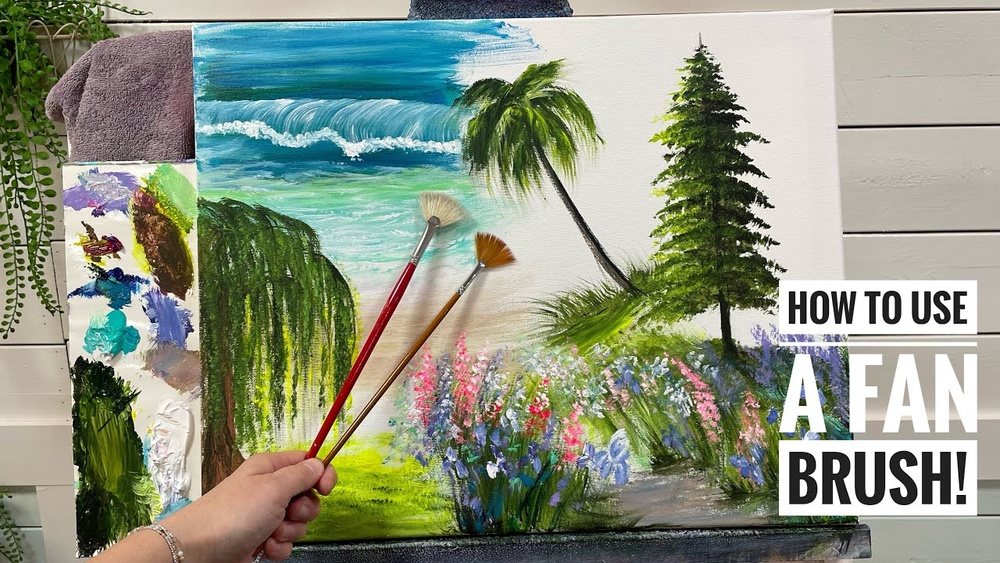
Are you ready to unlock a simple tool that can transform your painting in amazing ways? The fan brush might just be your secret weapon.
Whether you’re aiming to create delicate leaves, soft clouds, or textured grass, mastering fan brush techniques can take your artwork from ordinary to stunning. You’ll discover easy, practical tips that will help you use your fan brush like a pro.
Get ready to add new textures, blend colors smoothly, and bring your paintings to life with confidence. Keep reading, because once you learn these techniques, your brush will never be the same!
Choosing The Right Fan Brush
Choosing the right fan brush is essential for effective painting techniques. This choice affects texture, detail, and blending in your artwork. Understanding the types, sizes, and materials helps you pick a brush that suits your style and medium. A good fan brush enhances your control and creativity on canvas.
Types Of Fan Brushes
Fan brushes come in several shapes and styles. Some have stiff bristles for bold strokes. Others have soft bristles for gentle blending. Flat fan brushes spread paint evenly. Angled fan brushes help create unique textures. Each type serves a different painting purpose.
Brush Size And Bristle Material
Fan brushes vary in size from small to large. Small brushes work well for fine details and delicate effects. Large brushes cover broad areas quickly. Bristles can be natural, synthetic, or mixed. Natural bristles hold more paint and work well with oils. Synthetic bristles suit acrylics and watercolors better. The right size and material improve your painting results.
Selecting For Different Paints
Paint type influences brush choice significantly. Oil paints require brushes with strong, durable bristles. Acrylics need brushes that maintain shape after washing. Watercolors perform best with soft, flexible bristles. Choosing a fan brush compatible with your paint prevents damage. It also ensures smooth application and consistent texture.
Basic Fan Brush Strokes
The fan brush is a versatile tool in painting. It creates texture and unique effects with ease. Learning basic fan brush strokes helps artists control the brush better. These strokes add life to landscapes, trees, and other elements. Below are some simple techniques to get started with fan brush strokes.
Cradle Stroke Technique
The cradle stroke is a gentle back-and-forth motion. Hold the brush lightly and sweep it across the surface. This stroke works well for soft textures like grass or leaves. It creates a natural, flowing effect with minimal effort. Practice this stroke to build rhythm and control.
Sweeping And Feathering
Sweeping involves long, smooth strokes with the fan brush. Feathering uses lighter pressure to create soft edges. These methods help blend colors and shapes gently. Use sweeping strokes for larger areas and feathering for delicate details. Both strokes add depth and movement to your painting.
Blending Colors Smoothly
The fan brush blends colors by lightly brushing over wet paint. Use soft, circular or side-to-side strokes for smooth transitions. Avoid pressing too hard to keep the blend natural. This technique helps to soften harsh lines and merge colors seamlessly. It is great for skies, water, and soft backgrounds.
Creating Texture With Fan Brushes
Fan brushes are perfect for adding texture to your paintings. Their unique shape helps create natural, varied strokes. These strokes mimic elements found in nature. You can create depth and interest with simple brush movements.
Using fan brushes, you can paint delicate details quickly. They work well for grass, leaves, water, and sky effects. This tool helps you build layers that look realistic. It also saves time compared to using smaller brushes.
Painting Grass And Foliage
Fan brushes are excellent for painting grass and foliage. Lightly drag the brush across the canvas for thin grass blades. Vary pressure and angles to create natural clumps. Use different green shades for a lively effect.
Layer the strokes to add depth and dimension. Small flicks mimic leaves or tiny plants. This technique creates a textured ground that feels alive. It adds movement and freshness to outdoor scenes.
Building Tree Leaves And Branches
Fan brushes help build tree leaves with soft, scattered strokes. Dab the brush gently to form clusters of leaves. Use a mix of greens and browns for realism. Thin the paint for lighter, distant foliage.
To paint branches, use the fan brush edge with a steady hand. This creates fine, natural lines that look like twigs. Combining leaves and branches adds complexity to trees. It makes them appear full and vibrant.
Adding Water And Sky Effects
Fan brushes create smooth water ripples and soft sky textures. Sweep the brush horizontally to suggest gentle waves. Use light, broken strokes for reflections on water surfaces.
For skies, blend colors softly with fan brush strokes. This gives a natural gradient and cloud texture. The brush’s shape helps spread paint evenly and lightly. It creates airy, realistic backgrounds with ease.

Credit: www.artistrunwebsite.com
Advanced Fan Brush Techniques
Advanced fan brush techniques help you create more detailed and interesting paintings. These methods go beyond basic strokes. They give your artwork depth, texture, and delicate details. Using a fan brush with different approaches can add richness and life to your pieces.
Layering For Depth And Dimension
Layering paint with a fan brush builds depth in your artwork. Start with light colors and add darker shades on top. Use gentle, sweeping motions to blend each layer smoothly. This technique makes objects look three-dimensional and realistic. Thin layers let the colors show through and create a sense of space.
Dry Brushing For Soft Edges
Dry brushing uses a fan brush with very little paint. It creates soft, feathered edges that blend colors gently. Lightly drag the brush over the surface without pressing hard. This method works well for skies, water, or soft backgrounds. It adds a smooth transition between colors without harsh lines.
Using Fan Brush For Floral Details
A fan brush can paint fine floral details quickly. Use the tips of the bristles to create petals and leaves. Tap or flick the brush gently to form natural shapes. Change the angle and pressure to vary the size and texture. This technique makes flowers look lively and fresh without needing a small brush.
Fan Brush Tips From Experts
The fan brush is a favorite tool among many painters. Its shape allows unique textures and effects. Experts share simple tips that improve your painting skills. These tips help you use the fan brush confidently and creatively.
Bob Ross’s Fan Brush Secrets
Bob Ross used the fan brush to create natural textures. He applied it with light, quick strokes. This technique made trees, bushes, and grass appear real. Ross often used the fan brush to blend colors softly. He showed how to clean the brush gently to keep its shape. His method encourages patience and practice for best results.
Common Mistakes To Avoid
A frequent mistake is pressing too hard with the fan brush. This flattens the bristles and spoils the texture. Another error is overloading the brush with paint. It causes clumps and uneven strokes. Avoid using a worn-out fan brush; it loses its shape. Clean the brush often to prevent dried paint buildup. These simple steps keep your work neat and smooth.
Maintaining And Cleaning Your Brush
Proper care extends the life of your fan brush. Rinse the brush in warm water right after use. Use mild soap if paint sticks to the bristles. Gently reshape the fan before drying. Store the brush flat or bristle-up to avoid damage. Avoid soaking the brush for long periods. Good maintenance saves money and improves your painting experience.

Credit: www.youtube.com
Fan Brush Techniques For Different Mediums
The fan brush is a versatile tool for many painting styles. Different paint types need unique approaches to get the best effect. Using the fan brush correctly with oil, acrylic, or watercolor paints changes your artwork’s look and feel. Understanding each medium’s technique helps create texture, depth, and smooth blends.
Oil Painting Tips
In oil painting, the fan brush blends colors smoothly. It softens edges and creates natural shapes like leaves or grass. Use light, sweeping strokes to avoid disturbing the wet paint underneath. The brush holds thick paint well, making it easy to add texture. Clean the brush often to keep bristles flexible.
Acrylic Painting Tricks
Acrylic paint dries fast, so work quickly with the fan brush. Use it to add quick texture or fine details like fur or hair. Try dry brushing for rough textures by using little paint on the brush. Layer colors after drying to build depth. Keep the brush moist to avoid stiff bristles.
Using Fan Brushes With Watercolors
Watercolors require a gentle touch with a fan brush. Use it to create soft, feathery effects or fine grass blades. Wet the brush before dipping in paint for smooth strokes. The fan brush can spread pigment evenly over large areas. Let layers dry before adding more color to avoid muddying.
Incorporating Fan Brushes Into Your Workflow
Incorporating fan brushes into your painting workflow adds texture and variety to your art. These brushes offer unique effects that other brushes cannot easily create. Using fan brushes alongside your regular tools improves both creativity and efficiency.
Fan brushes help blend colors softly and create natural patterns. They are excellent for painting grass, leaves, and clouds with simple strokes. Including them in your routine can make your artwork more dynamic and interesting.
Combining With Other Brush Types
Use fan brushes with round or flat brushes for detailed work. Start with a flat brush for backgrounds. Then, add texture with a fan brush on top. This layering creates depth and realism in your painting.
Mixing fan brushes with fine detail brushes balances broad strokes and small details. It helps to build complex scenes quickly. Experiment with different brush sizes to find your preferred style.
Creating Mixed Media Effects
Fan brushes work well with acrylics, oils, and watercolors. They spread paint evenly and create interesting textures. Try using fan brushes with palette knives or sponges for mixed media art.
Layer fan brush strokes over textured surfaces for unique effects. This technique adds richness to your paintings. It also gives a handcrafted feel that stands out.
Speeding Up Your Painting Process
Fan brushes cover large areas quickly with their wide shape. Use them to paint backgrounds and natural elements fast. This saves time for adding finer details later.
They blend colors smoothly, reducing the need for extra brushwork. This makes your workflow more efficient. Fan brushes help complete paintings faster without losing quality.

Credit: garnerwildlifeart.wordpress.com
Frequently Asked Questions
How To Use Fan Brushes For Painting?
Use fan brushes by sweeping them back and forth to create textured effects. Ideal for blending, softening edges, and painting grass or foliage. Apply light pressure for feathering colors and layering details. Experiment with different strokes to achieve natural, organic patterns in your artwork.
What Type Of Fan Brush Did Bob Ross Use?
Bob Ross used a medium-sized, stiff-bristle fan brush made by Robert Simmons. It helped create trees, bushes, and texture in his paintings.
When To Use A Fan Brush?
Use a fan brush to blend colors, soften edges, and create textures like grass, leaves, or feathers in paintings.
What Does A Fan Paint Brush Look Like?
A fan paint brush has bristles spread out in a flat, fanned shape. It helps blend and feather colors smoothly.
Conclusion
Fan brushes offer unique ways to add texture and detail. They work well for trees, grass, and blending colors smoothly. Experiment with different strokes to find what suits your style. Keep your brush clean to maintain its shape and performance.
Practice often to improve control and confidence. Using a fan brush can make painting easier and more enjoyable. Try these techniques to bring your artwork to life. Embrace creativity and have fun with each brushstroke.