Have you ever wondered how to craft a painting that truly captures your vision? Whether you’re aiming to create a beautiful piece for your home or simply want to explore your creative side, understanding the basics of painting can make all the difference.
You’ll discover simple, step-by-step guidance that will help you bring your ideas to life on canvas. From choosing the right materials to mastering essential techniques, you’ll learn how to turn a blank surface into a stunning work of art. Ready to unlock your artistic potential?
Keep reading and find out exactly how you can craft a painting that speaks to you and your style.
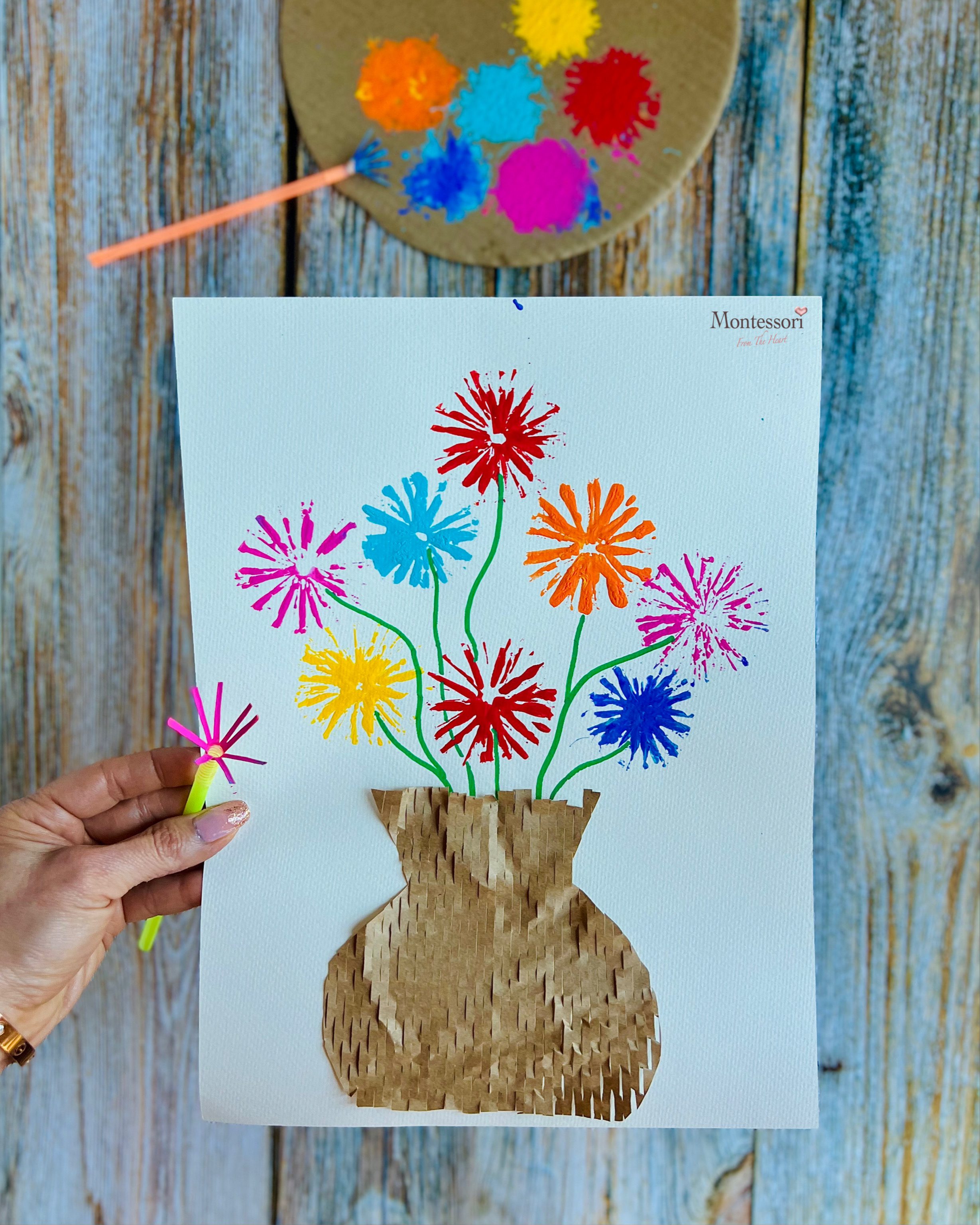
Credit: montessorifromtheheart.com
Materials Needed
Starting a painting requires gathering the right materials. Choosing quality supplies makes the process easier and results better. Each item plays a key role in creating your artwork.
Prepare your workspace with all necessary tools before you begin. This helps keep your focus on painting and not on searching for items. Below, find the main materials needed to craft a painting.
Essential Tools
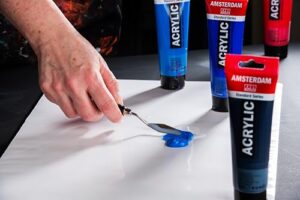
Brushes come in many shapes and sizes. Flat, round, and filbert brushes allow different strokes and effects. Palette knives help mix paint and create texture on the canvas. A palette holds your paint and lets you blend colors easily.
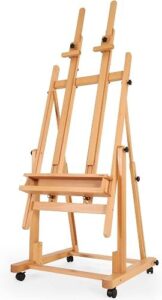
Other tools include easels, aprons, and containers for water or solvents. Keep rags or paper towels close for cleaning brushes and fixing mistakes. Proper lighting is also important to see colors correctly.
Types Of Paints
Acrylic, oil, and watercolor paints are the most common. Acrylics dry quickly and work well on many surfaces. Oils take longer to dry and offer rich, vibrant colors. Watercolors create soft, transparent layers and require special paper.
Choose paint based on your style and the effect you want. Experimenting with different types helps you find your favorite.
Canvas And Surfaces
Canvas is the classic surface for painting. It comes stretched on frames or as canvas boards. Cotton and linen are common canvas materials. Canvas is strong and holds paint well.
Other surfaces include wood panels, paper, and fabric. Each surface affects the painting’s texture and appearance. Prepare your surface by priming it with gesso to prevent paint from soaking in.

Credit: www.wikihow.com
Preparing Your Workspace
Preparing your workspace is the first step to crafting a beautiful painting. A well-organized area helps you focus and work smoothly. It creates a calm environment where creativity can flow freely. Taking time to set up your space pays off in better results and less frustration.
Lighting And Ventilation
Good lighting is essential for painting. Natural light shows true colors and details. Position your workspace near a window if possible. Use soft white bulbs for evening work to avoid harsh shadows.
Ventilation keeps the air fresh and safe. Paint fumes can be strong and unhealthy. Open windows or use a fan to circulate air. A well-ventilated room helps you stay comfortable while painting.
Organizing Supplies
Keep your brushes, paints, and tools within easy reach. Use containers or small shelves to separate items. Group similar supplies together for quick access. A tidy workspace saves time and reduces mess.
Prepare your palette before starting. Arrange colors in an order that suits your painting style. This helps avoid delays and keeps your focus on creating.
Protecting Your Area
Cover tables and floors to prevent stains. Use old newspapers, plastic sheets, or drop cloths. Protecting your space makes cleanup faster and easier.
Wear old clothes or an apron to keep paint off your skin. Keep water or cleaning supplies nearby for quick spills. A protected workspace lets you paint freely without worry.
Basic Techniques
Basic techniques form the foundation of crafting a painting. They guide your hand and shape your vision. Understanding these methods helps create art that speaks and lasts. This section breaks down key skills every painter should know.
Brush Strokes
Brush strokes give texture and movement to your painting. Different strokes create different effects. Use short, quick strokes for rough textures. Long, smooth strokes work well for calm scenes. Experiment with pressure to vary the stroke thickness. Each stroke adds life and depth to your work.
Color Mixing
Color mixing lets you create shades not found in tubes. Start with primary colors: red, blue, and yellow. Mix these to get secondary colors like green, orange, and purple. Adjust the ratio to lighten or darken hues. Use a palette knife or brush for blending colors evenly. Good mixing makes your painting vibrant and balanced.
Layering And Blending
Layering involves applying paint in stages to build complexity. Let each layer dry before adding the next. This prevents colors from muddying. Blending softens edges between colors for smooth transitions. Use a clean, dry brush to blend wet paint gently. These techniques add richness and realism to your painting.
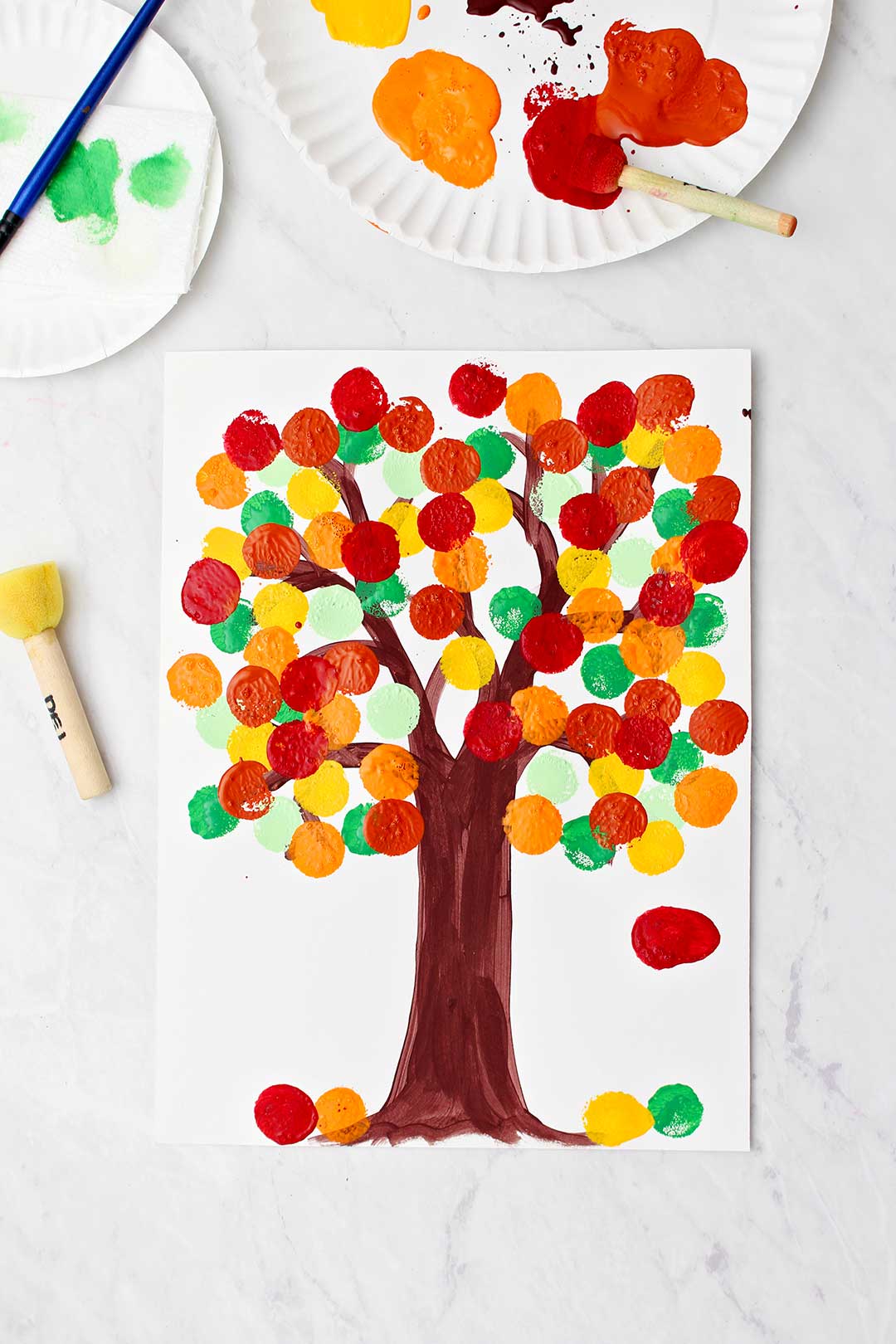
Credit: welcometonanas.com
Composition Tips
Crafting a painting starts with strong composition. Composition guides how the viewer’s eye moves across the artwork. Good composition creates balance and interest. It helps highlight the message or emotion in your painting. Focus on three key tips to improve your painting’s composition.
Balancing Elements
Balance means arranging objects so no part feels heavier than another. Spread shapes, colors, and textures evenly throughout the canvas. Use symmetry for a formal feel or asymmetry for dynamic energy. Balance keeps your painting stable and pleasing to the eye.
Focal Points
Every painting needs a focal point. It draws the viewer’s attention first. Use contrast in color, size, or detail to create focal points. Place the focal point off-center to keep the composition lively. A strong focal point gives your painting a clear purpose.
Using Negative Space
Negative space is the empty area around and between objects. It helps define shapes and creates breathing room. Don’t fill every inch of the canvas. Use negative space to guide the eye and add simplicity. It balances busy areas and enhances your painting’s overall impact.
Color Strategies
Color plays a vital role in painting. It shapes the story and draws the viewer’s eye. Using color smartly helps bring your vision to life. Focus on how colors work together and what feelings they create.
Choosing A Palette
Start by picking a color palette. Limit the number of colors to keep harmony. Select colors that fit the theme or subject of your painting. Use warm colors for energy and cool colors for calmness. Test your palette on a small area before painting the whole piece.
Creating Contrast
Contrast makes elements stand out. Use light colors against dark ones to create focus. Mix bright colors with dull shades for balance. Contrast guides the viewer’s eye to the main parts of your painting. It adds depth and keeps the artwork interesting.
Mood With Color
Colors set the mood of your painting. Soft blues and greens create peace. Reds and oranges bring excitement or tension. Darker tones can feel serious or sad. Choose colors that match the emotion you want to express. This helps your painting connect with viewers.
Texture And Effects
Texture and effects bring life to a painting. They add interest and make the artwork feel real. Using texture, you can create shadows, highlights, and a sense of space. Effects help express mood and style. They make your painting stand out and invite viewers to explore details.
Adding Depth
Depth makes a painting look three-dimensional. You can add depth by layering paint. Start with thin layers and build up thicker ones. Use darker colors in the background and lighter colors in the front. This technique tricks the eye into seeing distance.
Shadows and highlights also create depth. Paint shadows where objects block light. Add highlights where light hits surfaces. This contrast gives your painting a realistic feel.
Using Textured Paints
Textured paints have a rough or bumpy surface. They add physical texture to your work. You can buy paints mixed with sand or small beads. These paints make your brush strokes more visible.
Using textured paint creates a tactile experience. It invites viewers to touch and feel the artwork. Textured paints catch light differently, adding sparkle and interest.
Experimenting With Tools
Brushes are not the only tools for painting. Try palette knives, sponges, or even old credit cards. Each tool leaves a unique mark on the canvas. Palette knives create sharp, bold edges. Sponges produce soft, mottled effects.
Using different tools helps you discover new styles. It makes painting more fun and less predictable. Experiment often to find effects that suit your vision.
Time Management
Managing your time well is key to crafting a painting. It helps you stay focused and finish your work without stress. Good time management lets you enjoy the process and improve your skills. It also prevents mistakes caused by rushing or fatigue. Here are some ways to handle your painting time smartly.
Planning Your Sessions
Decide how long each painting session will last. Short sessions keep your energy high. Set clear goals for each session, like sketching or adding color. Break big projects into smaller tasks. This helps you track progress and stay motivated. Plan breaks to rest your eyes and hands.
Drying Times
Paints need time to dry between layers. Check the type of paint you use to know drying times. Oil paints take longer, while acrylics dry fast. Use drying time to clean brushes or prepare the next step. Avoid rushing to add new layers, which can spoil your work. Patience improves the final result.
Avoiding Burnout
Painting can be tiring if done for too long. Stop if you feel frustrated or tired. Take regular breaks to refresh your mind. Change your activity, like walking or listening to music. This keeps creativity flowing and helps you enjoy painting. Set realistic goals to keep motivation high.
Common Mistakes
Crafting a painting is a rewarding experience. Yet, many artists face common mistakes that can affect the final piece. Recognizing these pitfalls helps improve your work and confidence. Below are some frequent errors to avoid during the painting process.
Overworking The Canvas
Overworking happens when you keep adding layers or details. This can make your painting look muddy or tired. Freshness and spontaneity often fade with too much reworking. Stop and step back regularly to see if the painting still feels alive.
Ignoring Composition
Composition is the arrangement of elements in your painting. Ignoring it leads to confusion and weak impact. Balance shapes, lines, and space to guide the viewer’s eye. Plan your layout before starting to paint for better results.
Color Missteps
Choosing colors without thought can harm your painting’s mood. Colors might clash or look dull if not matched well. Use a limited color palette and test colors first. Pay attention to color harmony and contrast to enhance your work.
Advanced Tips
Advanced painting tips help elevate your artwork beyond the basics. They push your skills and creativity further. Experimentation and refinement become key parts of your process. These tips focus on new techniques and personal expression.
Explore how to mix materials, use light and shadow, and develop your own style. These strategies make your paintings more engaging and unique.
Incorporating Mixed Media
Using mixed media adds texture and depth to your painting. Combine paints with materials like paper, fabric, or ink. This creates a rich, layered effect that draws attention. Try different tools and surfaces for varied results. Mixed media allows you to explore new artistic possibilities.
Using Light And Shadow
Light and shadow bring your painting to life. They create contrast and define shapes clearly. Study how light falls on objects in real life. Use shadows to add dimension and mood to your work. Playing with lighting effects can change the story your painting tells.
Personal Style Development
Your personal style makes your art stand out. It grows from your choices in color, brushwork, and subject matter. Experiment often to find what feels natural. Reflect on your favorite artists and what inspires you. Over time, your style will become a clear signature.
Inspiration Sources
Finding inspiration is the first step in crafting a painting. It sparks ideas and sets the tone for your work. Inspiration can come from many places, helping you create unique and meaningful art. This section explores three common sources that artists often turn to for their creative spark.
Nature And Environment
Nature offers endless inspiration for painters. The colors of a sunset, the shapes of trees, and the texture of rocks can all guide your brush. Watching animals and plants helps capture movement and life in your painting. Changing seasons provide fresh ideas and moods. Spending time outdoors can awaken your senses and fuel creativity.
Art History
Studying art history connects you with past masters and styles. Famous paintings show different techniques and themes to explore. Learning about artists’ lives reveals their struggles and successes. This knowledge can inspire your own approach and ideas. Try mixing old styles with your personal touch for fresh results.
Everyday Life
Everyday moments hold rich stories and emotions. Scenes from family, friends, or city streets can become powerful subjects. Simple objects gain meaning through your perspective. Capturing daily life adds authenticity and relatability to your art. Keep a sketchbook to note ideas from your daily routine.
Frequently Asked Questions
How Do I Craft A Painting?
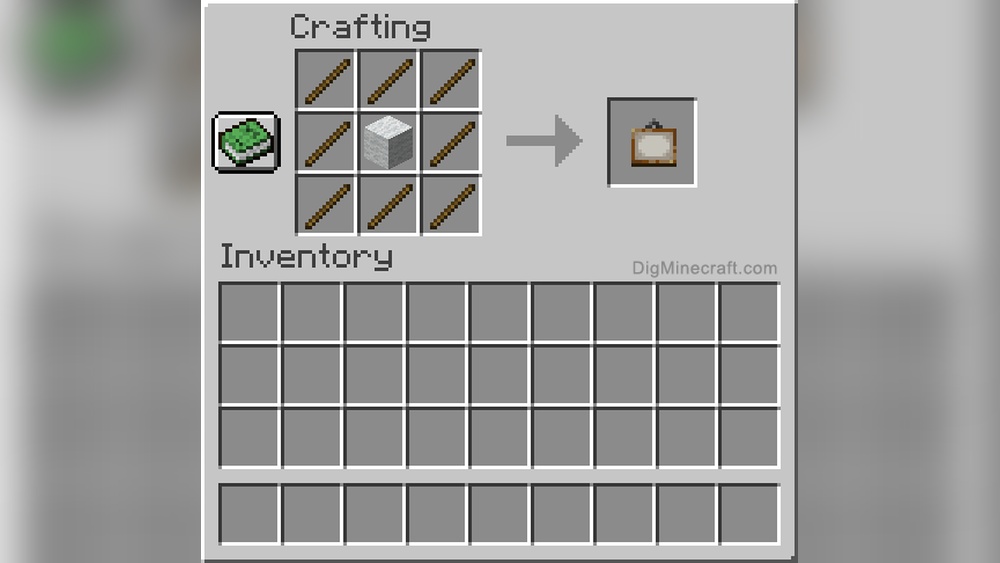
To craft a painting in Minecraft, place eight sticks around one wool piece in the crafting table. This creates a painting.
What Is The 80/20 Rule In Painting?
The 80/20 rule in painting means focusing 80% on simple, calm areas and 20% on detailed, vibrant focal points. It guides composition, color, and contrast to create balance and interest.
What Is The Crafting Recipe For A Painting In Minecraft?
Craft a painting in Minecraft using 8 sticks surrounding 1 wool in the center on a crafting table.
What Is The 70/30 Rule In Art?
The 70/30 rule in art means 70% of the artwork features simpler, calmer areas. The remaining 30% shows detailed, vibrant focal points. This balance guides composition, color, and focus, enhancing visual interest and clarity. It encourages prioritizing key elements without restricting creativity.
Conclusion
Crafting a painting takes patience and simple steps. Gather your materials and plan your design clearly. Use colors and shapes to express your ideas well. Practice often to improve your skills and creativity. Enjoy the process and learn from each attempt.
Your unique painting will grow with time and effort. Keep exploring different styles and techniques for better results. Painting is a fun way to share your story visually. Start small, stay focused, and watch your art come alive.