Creating a painted birdhouse is one of the most satisfying DIY crafts you can do at home. It’s a chance to express your creativity, make something useful for your garden, and even support local birds. Whether you’re looking for a fun family project or a relaxing activity for yourself, making a birdhouse from scratch and painting it can be both simple and rewarding.
Plus, you can personalize the colors and design to fit your style or garden theme.
Many beginners think you need to be an expert woodworker or artist to build a beautiful birdhouse. That’s not true. With some basic materials, a plan, and a few helpful tips, you can make a painted birdhouse that looks great and lasts for years.
In this guide, you’ll learn everything you need for your own DIY painted birdhouse—from gathering supplies to adding the final details. You’ll also discover insights that are easy to miss, like choosing safe paints for birds and how to make your design last in all weather.
Why Make A Painted Birdhouse?
There’s more to a painted birdhouse than just decoration. Handmade birdhouses provide shelter for birds, especially as natural nesting sites are lost to development. By making and painting your own, you can:
- Support local wildlife: Many bird species struggle to find safe nesting spots.
- Add beauty: Painted birdhouses bring color and personality to your garden or balcony.
- Enjoy a fun project: It’s an engaging activity for both kids and adults.
- Learn new skills: You’ll practice basic woodworking and painting techniques.
Some people also sell their unique birdhouses at craft fairs or online, making this a potential hobby for extra income.
Materials And Tools Needed
Before you begin, gather all the necessary materials and tools. Having everything ready will make your project smoother and more enjoyable.
Basic Materials:
- Wood: Use untreated pine, cedar, or plywood. Avoid pressure-treated wood, which can be toxic to birds.
- Wood glue
- Small nails or screws
- Sandpaper (medium and fine grit)
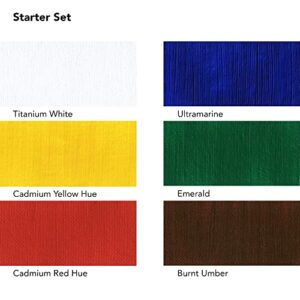
- Acrylic or latex paint (non-toxic and outdoor-safe)
- Clear outdoor sealer (optional, for extra protection)
- Paintbrushes (various sizes)
- Pencil and ruler
Optional extras:
- Decorative items: Buttons, wooden shapes, stencils
- Drill (for entrance holes and drainage)
- Saw (if cutting wood yourself)
- Protective gloves and mask (for sanding or painting)
Pro Tip: Don’t use metal or plastic birdhouses—they can overheat in the sun and harm the birds.

Credit: www.walmart.com
Planning Your Birdhouse Design
A good design is more than just looks. It should be safe and comfortable for birds, and easy for you to build and clean.
Key Features Of A Safe Birdhouse
- Entrance hole size: This keeps out predators and allows only certain bird species to enter.
- No perch: Perches can help predators reach inside.
- Ventilation holes: These prevent overheating.
- Drainage holes: They keep the nest dry after rain.
- Removable roof or side: For easy cleaning after nesting season.
Choosing The Right Size
Different birds need different sizes. Here’s a quick reference for common backyard birds:
| Bird Species | Entrance Hole Size | Floor Size | Height |
|---|---|---|---|
| Chickadee | 1 1/8 inch | 4″ x 4″ | 8 inches |
| Bluebird | 1 1/2 inch | 5″ x 5″ | 10 inches |
| Wren | 1 1/8 inch | 4″ x 4″ | 8 inches |
Insider Tip: If you’re not sure what birds live near you, check local birdwatching guides or ask a garden center.
Step-by-step Instructions
Let’s break down the process into clear, manageable steps. Even if you’ve never built anything before, you can follow along.
1. Cutting The Wood Pieces
If you bought a ready-made birdhouse kit, you can skip this step. If you’re starting from scratch, measure and cut the following:
- Front and back panels (use the height and width for your chosen bird type)
- Two side panels
- Bottom panel (drill a few small holes for drainage)
- Roof panel
Always sand the edges to prevent splinters.
2. Assembling The Birdhouse
Lay the pieces out and check the fit. Use wood glue and nails or screws to join the panels together. Attach the bottom last, and make sure it’s secure. Double-check the entrance hole size—too big can let predators in.
Hidden Insight: Leave one side or the roof removable. This makes cleaning out old nests much easier, which most beginners forget.
3. Sanding And Preparing For Paint
Smooth surfaces are important so birds don’t get hurt. Sand all outside surfaces and edges. Wipe away dust with a damp cloth.
Important: Avoid sanding the inside walls too smoothly. Baby birds need a rough surface to climb out when they’re ready to leave.
4. Painting Your Birdhouse
Painting is where you get creative, but it’s also a place where many make mistakes. Follow these tips for best results:
- Use non-toxic, water-based paints. Oil-based paints can smell for weeks and may harm birds.
- Apply at least two thin coats for even color.
- Paint only the outside. Leave the inside bare to avoid fumes or chemicals.
- Let the paint dry fully between coats.
Pro Tip: Light colors reflect heat and help keep the inside cooler, especially in sunny areas.
5. Adding Details And Decorations
You can keep it simple or add designs like flowers, stripes, or even funny faces. Stencils can help you make neat shapes. Avoid gluing on heavy or sharp items—these can make the house unsafe or hard to clean.
Creative Ideas:
- Use small wooden cutouts glued to the outside.
- Paint a leaf or branch pattern that blends with your garden.
- Add a house number or your family name for a personal touch.
6. Sealing For Outdoor Use
Weather can damage your paintwork over time. For extra protection, use a clear outdoor sealer that’s safe for wildlife. Brush it over the painted surfaces after the final coat of paint dries. Don’t seal the inside.
Expert Note: Many outdoor sealers have strong smells. Let the birdhouse air out for several days before hanging.

Credit: inmyownstyle.com
Mounting And Placing Your Birdhouse
Where and how you place your birdhouse matters as much as how you build it.
Best Locations
- 6–10 feet off the ground: This height is safe for most small birds.
- Away from feeders: Too much traffic can disturb nesting birds.
- Partially shaded: Protects from midday heat.
- Facing east or southeast: Avoids hot afternoon sun and strong winds.
Hanging Vs. Mounting
You can hang your birdhouse from a tree branch, but mounting it on a pole or post is more stable and safer from predators.
| Mounting Method | Pros | Cons |
|---|---|---|
| Hanging (wire or string) | Easy to move, simple setup | Can swing in wind, less stable |
| Pole/Post Mount | Sturdy, safer from raccoons/cats | Requires digging or hardware |
Practical Tip: If you mount on a pole, add a predator guard—like a baffle—to keep snakes and raccoons out.
Common Mistakes And How To Avoid Them
Many beginners overlook details that can make or break a birdhouse project.
- Using the wrong paint: Always choose non-toxic and weather-resistant paint.
- Skipping drainage/ventilation holes: Moisture and heat buildup can kill baby birds.
- Forgetting to clean the birdhouse: Old nests attract parasites and disease.
- Placing the house too low or in full sun: This can expose birds to predators or overheating.
- Decorating with unsafe items: Avoid glitter, metal, or anything sharp or edible.
Non-obvious Insight: Don’t add a perch under the hole. Most songbirds don’t need it, and it only helps larger birds or predators invade the nest.
Maintenance And Cleaning
After the breeding season (usually late summer), clean out old nesting material. Use gloves and a brush, but avoid strong chemicals—hot water is enough. Check for any damage, and repaint or reseal as needed.
Annual maintenance keeps your birdhouse safe and attractive year after year.
Inspiring Painted Birdhouse Ideas
Still not sure how to paint your birdhouse? Here are some ideas to spark your creativity:
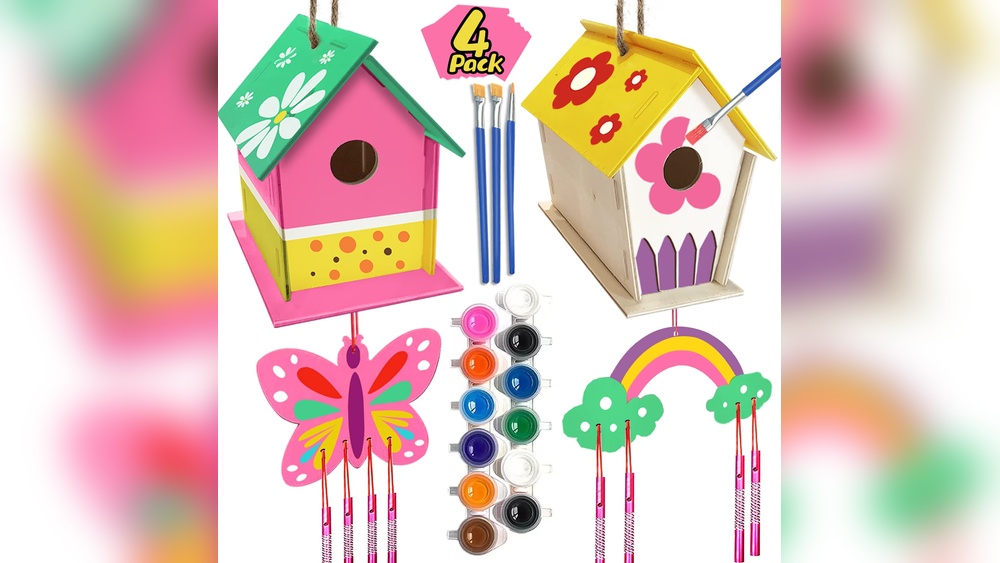
- Rainbow stripes for a playful look.
- Nature motifs like leaves, flowers, or butterflies.
- Cottage-style with pastel colors and faux windows.
- Modern geometric patterns in bold colors.
- Themed designs: Beach hut, log cabin, fairy house.
You can find even more painted birdhouse inspiration at Audubon’s guide.

Credit: www.amazon.com
Safety And Environmental Concerns
Always keep bird safety in mind. The wrong materials or paints can do more harm than good.
- Never use treated wood or harsh chemicals.
- Don’t paint the inside.
- Check paint for “AP Non-Toxic” or “toy safe” labels.
- Let all paint and sealer cure for several days before use.
Building and painting your own birdhouse can connect you to nature and help support local bird populations. It’s a small but meaningful way to give back—and you’ll enjoy the view of new feathered friends outside your window.
Frequently Asked Questions
What Type Of Paint Is Safe For Birdhouses?
Use water-based acrylic or latex paint labeled as non-toxic. Avoid oil-based or spray paints. Make sure the paint is fully dry and cured before placing the birdhouse outdoors.
How Often Should I Clean My Painted Birdhouse?
Clean your birdhouse once a year, usually in late summer or fall after nesting season. Remove old nesting material and use hot water to scrub the inside.
Can I Use Spray Paint For A Birdhouse?
Spray paint is not recommended because it can be toxic and hard to control. Stick to brush-on, water-based paints labeled safe for outdoor use.
Where Is The Best Place To Hang A Painted Birdhouse?
Hang or mount your birdhouse in a shady spot, 6–10 feet above ground, away from feeders and high-traffic areas. Face the entrance east or southeast for best results.
What Size Should The Birdhouse Entrance Hole Be?
The entrance hole size depends on the bird species you want to attract. For example, chickadees and wrens need 1 1/8-inch holes, while bluebirds need 1 1/2-inch holes. Check local bird guides for more details.
Building and painting your own birdhouse is more than a craft—it’s a way to enjoy nature, learn new skills, and add color to your outdoor space. With the right materials, safe paint, and a bit of creativity, you’ll be ready to welcome birds to their new home.