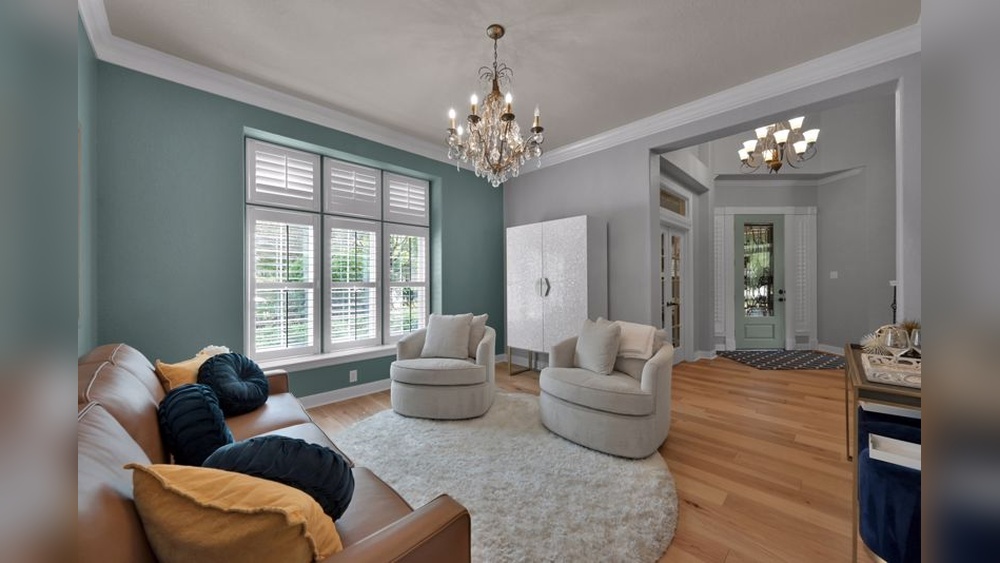
A living room accent wall is one of the easiest ways to transform your space without a full renovation. It adds character, creates a focal point, and lets you express your style. But choosing the right accent wall color or design can be confusing.
With so many options, how do you know what will work for your living room? This guide will walk you through practical painting ideas, fresh trends, and expert tips. Whether you want something bold, subtle, modern, or classic, you’ll find inspiration and advice to help you make the perfect choice for your home.
Why Paint An Accent Wall?
An accent wall changes the entire feeling of your living room. By highlighting a single wall, you draw attention to a specific area. This can make your room feel larger, cozier, or more dramatic—depending on the color and design you choose.
Accent walls are also a budget-friendly way to update a room. Instead of painting every wall, you can get a big impact with less time and cost.
But the benefits are more than visual. Accent walls can:
- Define a space in open-plan living rooms
- Highlight architectural details like fireplaces or built-in shelves
- Provide a backdrop for art, furniture, or media centers
- Reflect your personality and taste
Choosing the right idea involves more than just picking a favorite color. Let’s explore the best painting ideas for living room accent walls, and how to make them work in your space.
Top Painting Ideas For Living Room Accent Walls
1. Bold Solid Colors
A classic accent wall is simply painting one wall a solid, contrasting color. Deep blue, emerald green, or burnt orange can add drama, while pastels like soft pink or sage green bring subtle interest.
Tip: Use a color that complements your furniture and décor. For example, navy looks great with tan leather sofas, while mustard pairs well with grey.
2. Geometric Patterns
Geometric shapes create a modern, playful feel. You can paint triangles, stripes, or chevrons using painter’s tape for crisp lines. Choose two or three colors that work well together.
Example: A wall with overlapping triangles in teal, grey, and white creates energy and movement.
3. Ombre Or Gradient Walls
An ombre wall blends one color into another, from dark to light. This soft effect feels calming and artistic. It’s perfect behind a sofa or reading nook.
How to achieve: Use a sponge or large brush to blend shades together while the paint is still wet.
4. Textured Paint Finishes
Textured finishes add depth to your accent wall. Try sponge painting, rag rolling, or stucco textures for a unique look. Metallic finishes like gold or silver can make the wall shine, especially in rooms with little natural light.
5. Stripes And Lines
Horizontal or vertical stripes can make your room look wider or taller. Keep stripes in the same color family for a subtle look, or mix bold colors for high contrast.
Practical insight: Vertical stripes make ceilings feel higher, while horizontal stripes widen the space visually.
6. Nature-inspired Murals
A mural can turn your accent wall into a piece of art. Paint a mountain range, forest, or botanical garden. These designs are relaxing and work well in family spaces.
Pro tip: Stencils can help if you’re not comfortable free-handing the design.
7. Two-tone Walls
Divide the accent wall in half, either horizontally or vertically, and paint each section a different color. This adds a modern twist and can help balance bold colors with more neutral shades.
8. Black Accent Walls
Black paint is bold but surprisingly versatile. It creates a dramatic backdrop for art, metallics, or bright furniture. Use matte black for a modern look, or a satin finish for some shine.
Common mistake: Not using enough light. Add lamps or light-colored décor to keep the room from feeling too dark.
9. Color Blocking
Color blocking uses large sections of different colors, often separated by straight lines. This works well in modern or eclectic homes.
For example: Paint one-third of the wall yellow, the rest white, and add a floating shelf where the colors meet.
10. Accent Wall With Painted Arch
Arches are trending in interior design. Paint a large arch shape in a contrasting color behind your sofa or TV. It softens the room and highlights the area.
Extra tip: Use a pencil tied to a string to draw a perfect arch before painting.
11. Metallic Or Pearl Finishes
Metallic paints reflect light and add glamour. Try a subtle pearl grey or a bold copper wall. These finishes work best on smooth surfaces.
Insight: Metallics can show brush marks easily. Use a roller for even coverage.
12. Painted Brick Or Stone Effect
If you love the look of brick or stone but don’t have it, use paint and stencils to create the effect. Faux brick walls add texture and warmth to modern spaces.
13. Chalkboard Accent Wall
A chalkboard wall is fun and interactive. You can write messages, draw art, or let kids play. It works especially well in family living rooms or creative spaces.
14. Painted Wood Paneling
If your living room has wood paneling, update it with paint. Soft white, navy, or even a soft green can make old paneling look fresh and new.
Practical advice: Use a primer to cover dark wood before painting.
15. Wallpaper And Paint Combos
Combine wallpaper with paint for a stylish accent. Paint the lower half of the wall and use wallpaper on top, or vice versa. This approach adds pattern and color without overwhelming the room.

Credit: www.robern.com
How To Choose The Best Accent Wall
Selecting the right wall and design is as important as the paint itself. Here are key factors to consider:
- Room size: Dark colors can make small rooms feel cozy, while light shades open up the space.
- Natural light: Rooms with lots of sunlight can handle bold colors. In darker rooms, use lighter or metallic tones.
- Focal point: Pick the wall you want to highlight—usually the one with the fireplace, TV, or large window.
- Furniture layout: Make sure the accent wall complements, not competes with, your main furniture pieces.
Comparison Of Popular Accent Wall Ideas
To help you decide, here’s a quick comparison of top painting ideas:
| Accent Wall Idea | Best For | Skill Level | Impact |
|---|---|---|---|
| Bold Solid Color | All room styles | Beginner | High |
| Geometric Patterns | Modern, playful spaces | Intermediate | Very High |
| Ombre/Gradient | Calm, artistic rooms | Advanced | Medium |
| Black Wall | Modern, dramatic rooms | Beginner | High |
| Chalkboard Wall | Family, creative spaces | Beginner | Medium |
Step-by-step Guide To Painting An Accent Wall
Painting an accent wall is a DIY project most people can handle. Here’s how to do it:
- Choose your wall and color. Test paint samples on the wall to see how they look in different light.
- Prepare the room. Move furniture away, cover floors, and tape off edges.
- Prime the wall if you’re covering a dark color or painting over wood paneling.
- Paint edges first with a brush, then use a roller for large areas.
- Let paint dry between coats. Most colors need two coats for full coverage.
- Remove tape before the paint fully dries to avoid peeling.
- Allow paint to cure for a few days before hanging art or moving furniture back.
Extra tip: For patterns or shapes, use quality painter’s tape and measure carefully for clean lines.
Mistakes To Avoid
Many people make the same errors when painting accent walls:
- Choosing a wall that’s too small or hidden
- Picking a color that clashes with the rest of the room
- Forgetting to test paint samples in different lighting
- Using poor-quality paint or brushes
- Not considering the sheen (matte, satin, gloss) and its effect on the look
Non-obvious insight: If you have textured walls, avoid patterns that require straight lines, as they can look uneven.
Accent Wall Trends For 2024
Interior design trends are always evolving. Here’s what’s hot for living room accent walls this year:
- Earthy tones: Warm browns, terracotta, and olive green are popular.
- Soft gradients: Ombre walls in gentle shades, like blush to cream.
- Organic shapes: Painted arches and curves, not just straight lines.
- Textured finishes: Limewash and Venetian plaster for depth.
- Color blocking: Unexpected color pairings, like blue with rust or peach with sage.
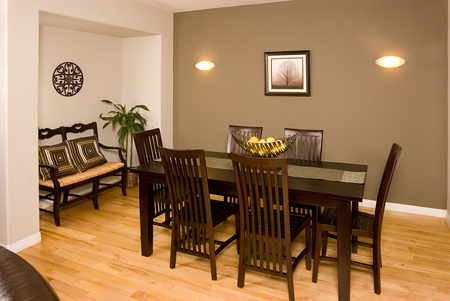
Credit: www.homelivingfurniture.com
Maintenance And Upkeep
Accent walls are easy to maintain. Here’s how to keep them looking fresh:
- Dust regularly, especially textured or dark walls.
- Touch up chips or marks with leftover paint.
- For chalkboard or matte finishes, avoid harsh cleaners—use a damp cloth instead.
- If you want a change, accent walls are easy to repaint.
Pro tip: Save a small jar of your wall color for quick touch-ups.
Cost And Time Comparison
Wondering how much time and money you’ll need? Here’s a rough comparison:
| Accent Wall Type | Average Cost (USD) | Time Needed |
|---|---|---|
| Solid Color | $30 – $60 | 2-4 hours |
| Geometric Pattern | $40 – $80 | 4-8 hours |
| Ombre/Gradient | $50 – $90 | 5-7 hours |
| Chalkboard | $35 – $70 | 3-4 hours |
| Textured Paint | $60 – $120 | 6-10 hours |
Non-obvious insight: Specialty paints (metallics, chalkboard, etc.) cost more and may require more coats for full effect.
How To Make Your Accent Wall Stand Out
Painting is only the first step. Here’s how to make your accent wall a true highlight:
- Hang artwork or a large mirror
- Add floating shelves for plants or books
- Use contrasting furniture against the wall
- Install wall sconces or lighting to highlight texture or color
Where To Find More Inspiration
If you’re still unsure, explore ideas on design websites, Pinterest, or Instagram. Many paint brands also have online tools to visualize colors in your own room. For professional advice, check out the Elle Decor trends section.
A well-chosen accent wall can change your living room’s atmosphere, reflect your style, and create a space you love. With these painting ideas and expert tips, you’re ready to make a confident, creative choice for your home.
:max_bytes(150000):strip_icc()/living-room-accent-walls-4135943-03-ccb81c14f95148e884228f03811e7092.jpg)
Credit: www.thespruce.com
Frequently Asked Questions
What Is The Best Wall To Use As An Accent Wall?
Usually, the best wall is the one you see first when you enter the room. Walls with fireplaces, large windows, or behind the sofa are great choices because they already draw attention.
Can I Use Wallpaper Instead Of Paint For An Accent Wall?
Yes, wallpaper works well for accent walls. You can even combine paint and wallpaper for a unique look. Just make sure the patterns and colors fit your room’s style.
How Do I Choose The Right Accent Wall Color?
Pick a color that complements your existing furniture and décor. Test samples in different lights before making a final decision. Bold colors work for modern spaces; softer hues suit traditional rooms.
Are Accent Walls Outdated?
Accent walls are still trendy, especially with new techniques like ombre, arches, and textured finishes. The key is to use current colors and styles that match your home.
Do I Need Special Paint For Accent Walls?
Most standard interior paints work fine. If you want effects like chalkboard, metallic, or textured finishes, choose paints designed for those looks. Always use high-quality brushes and rollers for the best results.